MAMMALS

debunking the camel hump myth

Can Camels Have 3 Humps? Explained by Ecologist

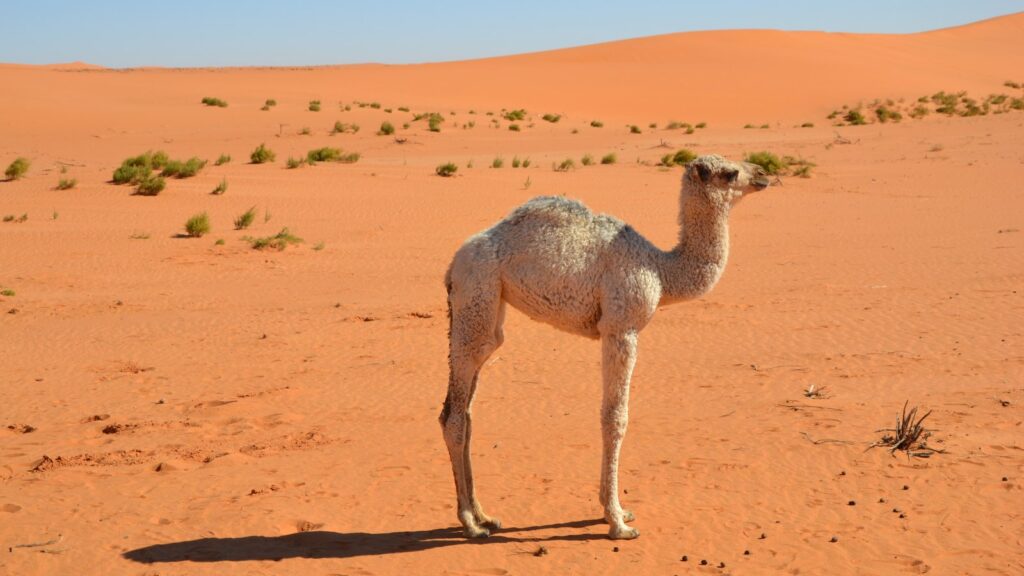
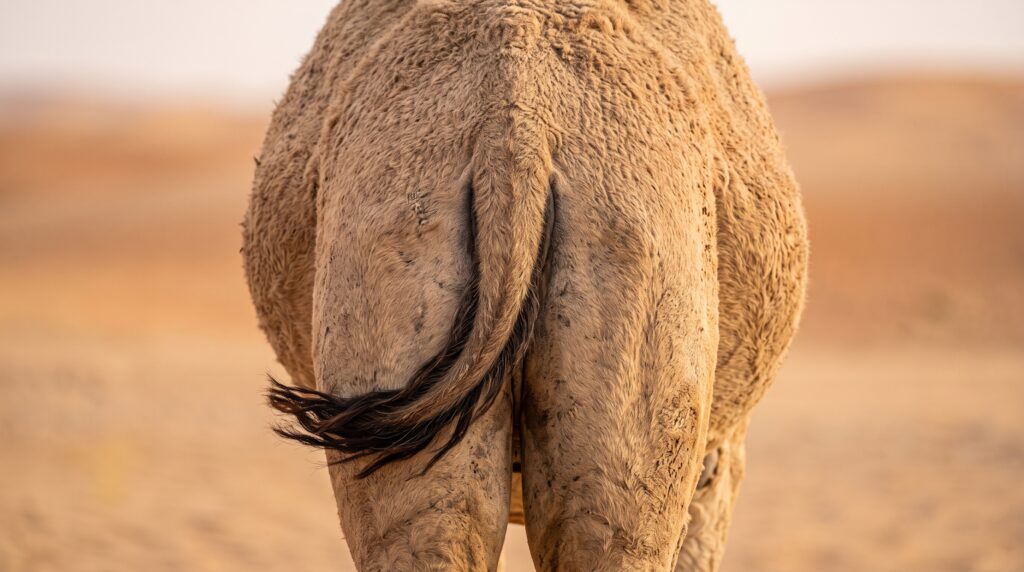
Camels cannot naturally have three humps. There are two main species: dromedary camels with one hump and Bactrian camels with two humps. Each hump stores fat, not water, helping camels survive harsh desert environments. Camels have long been admired for their ability to thrive in harsh desert conditions. One myth that has captured the imagination […]

Can Camels Have 3 Humps? Explained by Ecologist Read More »

Adaptations of white tiger

White Tiger Adaptations That Helps Them Survive

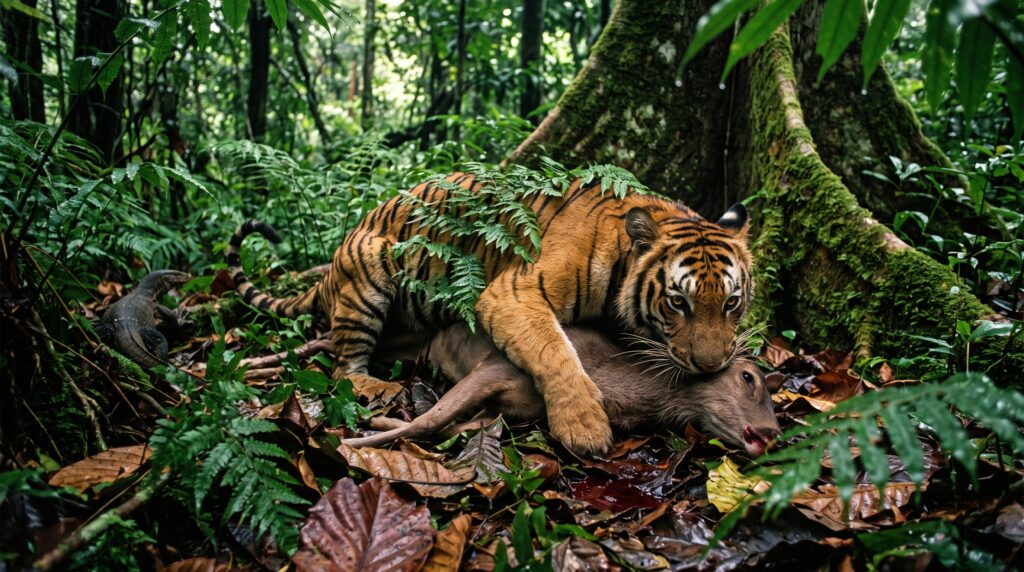
White tigers have adaptations like muscular bodies, sharp retractable claws, powerful jaws, enhanced night vision, and stealth behavior that allow them to hunt effectively. Their pale fur is rare and primarily results from genetic variation but provides camouflage in certain habitats. The World Wildlife Fund notes that all tiger subspecies, including white tigers, rely on

White Tiger Adaptations That Helps Them Survive Read More »

elephants, herd, safari-279505.jpg

How Strong Are Elephants? With REAL Examples

Elephants are extremely strong, capable of carrying up to 600 pounds with their trunks, uprooting trees, and moving heavy obstacles. Their muscular bodies, tusks, and coordinated herd behaviors allow them to survive in diverse habitats across Africa and Asia. In my fieldwork observing Asian and African elephants, I’ve been amazed by their strength and intelligence.

How Strong Are Elephants? With REAL Examples Read More »

wolf, animal, wildlife-142173.jpg

Can Wolves Purr? Here’s What They Do!

Unlike domestic cats, wolves do not purr in the traditional sense. They communicate through howls, growls, whines, and body language, which strengthens pack cohesion and helps coordinate hunting. Wolves, known for their haunting howls, have a diverse repertoire of sounds that serve various purposes within their pack dynamics. From howling to growling, barking to whimpering,

Can Wolves Purr? Here’s What They Do! Read More »

Adaptations of a jaguar

Jaguar Adaptations – Hunting & Survival Traits Explained

Jaguar adaptations include powerful jaws with one of the strongest bite forces among big cats, muscular bodies built for ambush hunting, camouflage rosette-patterned fur, strong swimming abilities, and excellent night vision. These physical and behavioral traits allow jaguars to hunt large prey, climb trees, swim across rivers, and survive in rainforests, wetlands, and savannas. From

Jaguar Adaptations – Hunting & Survival Traits Explained Read More »

Shopping Cart
error: Content is protected !!