How to Do a Reptile Survey
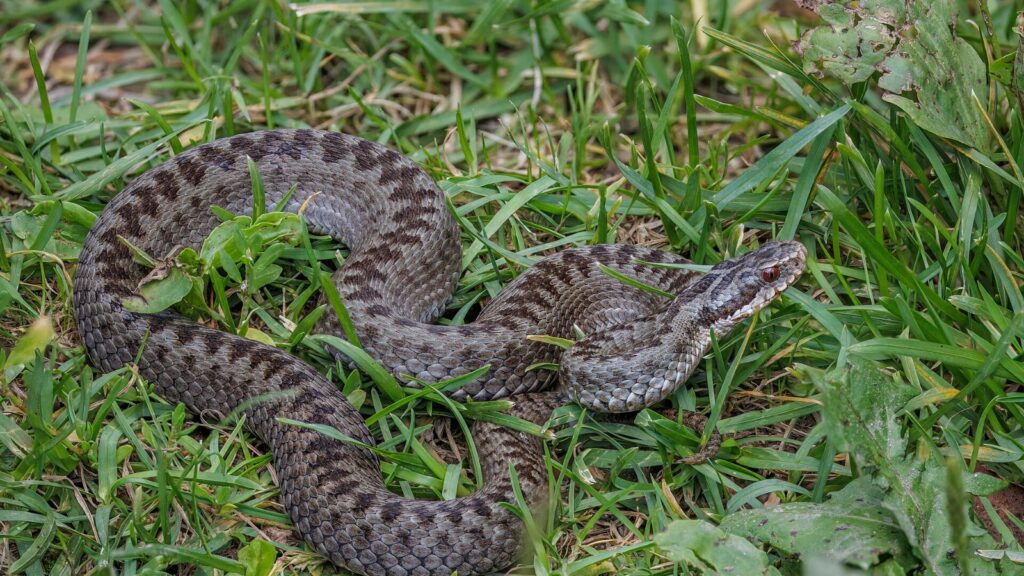
When to survey, where to place refugia or coverboards, and which reptiles actually need a licence in the UK and the US.
This category encompasses a comprehensive range of methods and approaches for conducting biodiversity surveys, ecological monitoring, and species identification in various ecosystems. It covers field techniques for habitat assessment, wildlife survey methods, and ecological research methods essential for conservation biology and environmental monitoring.
The category delves into ecosystem assessment, field ecology methods, and biological surveys, providing insights into ecological sampling, wildlife census techniques, and habitat mapping. It also explores ecological data collection, species abundance estimation, and population ecology methods, all of which are crucial for ecological fieldwork and conservation ecology techniques.
By exploring this category, researchers and practitioners will gain a deeper understanding of the methodologies and tools used in ecological census and field techniques, ultimately informing effective strategies for environmental science and conservation efforts.
When to survey, where to place refugia or coverboards, and which reptiles actually need a licence in the UK and the US.
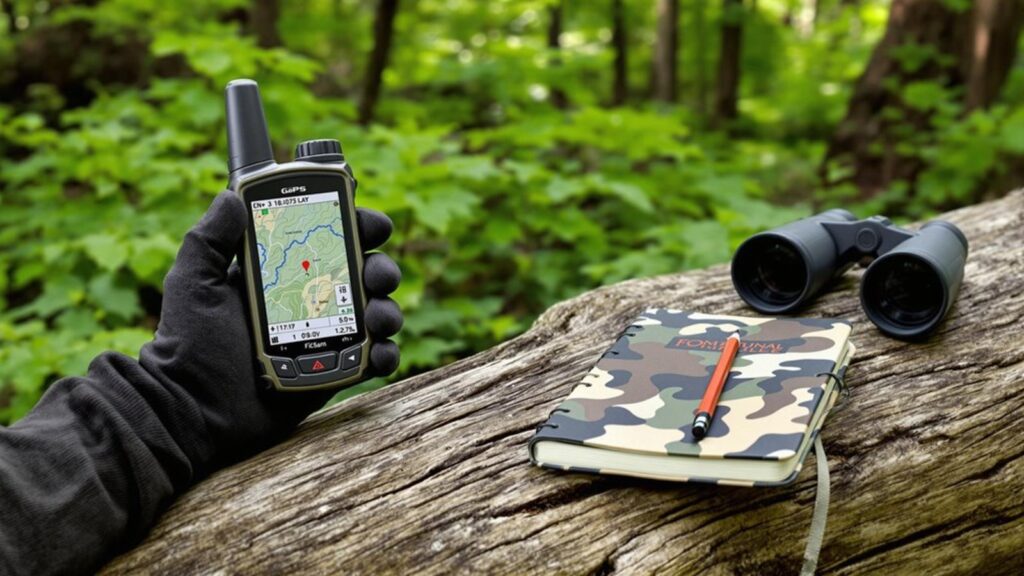
Learn how to track wildlife using GPS technology and uncover fascinating insights into animal behavior, but first, you’ll need to select the right devices.
Beginner’s Guide to Using GPS for Wildlife Tracking Read More »
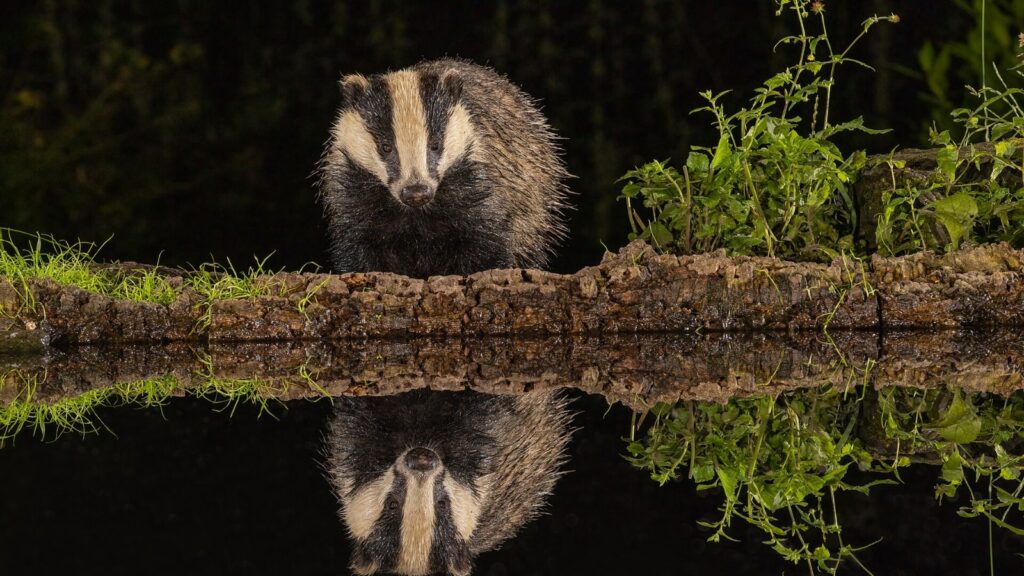
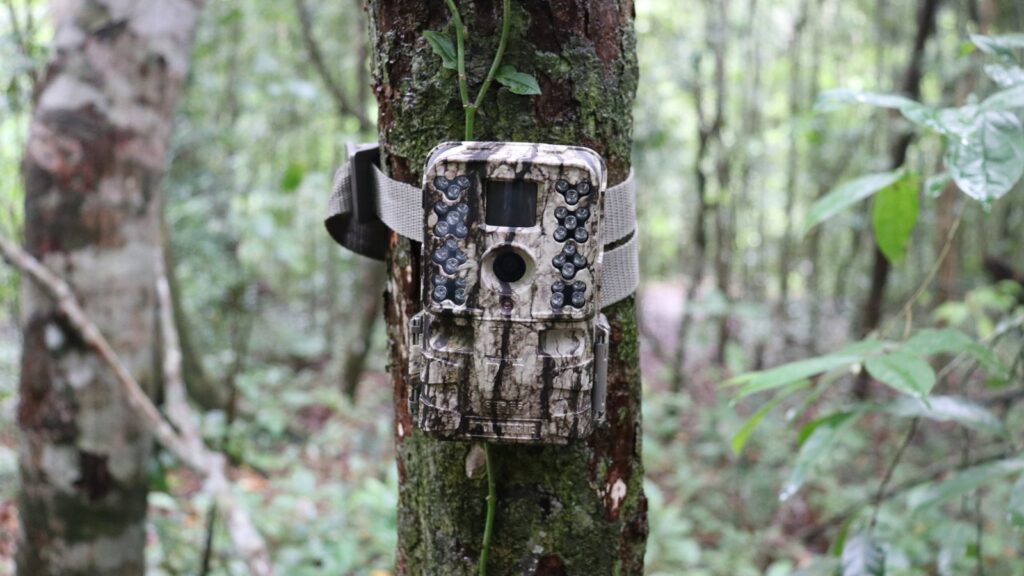
Live traps, camera traps, hair tubes and footprint tunnels compared, with the survey design, trap spacing and permit rules for each.
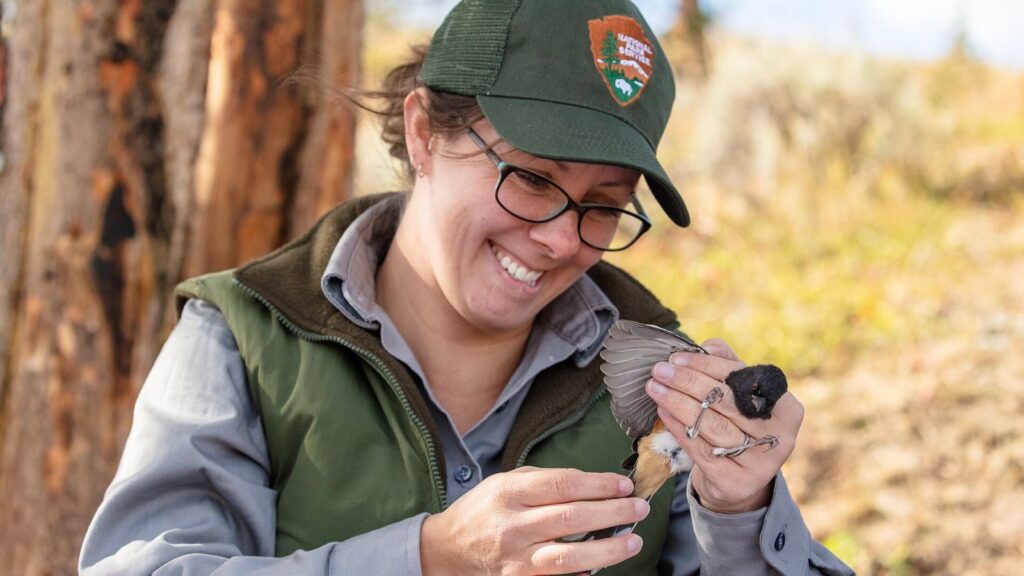
Bird surveys yield valuable data, but knowing the proper techniques ensures your time spent watching feathered friends doesn’t go to waste.
How to Do a Bird Survey Without Wasting a Season of Data Read More »
Knowing how to conduct ecological surveys reveals hidden secrets of nature’s delicate balance – but where should you begin?
Powerful protocols for preserving our planet’s precious biodiversity – discover the tools and techniques that help us safeguard life’s incredible variety.
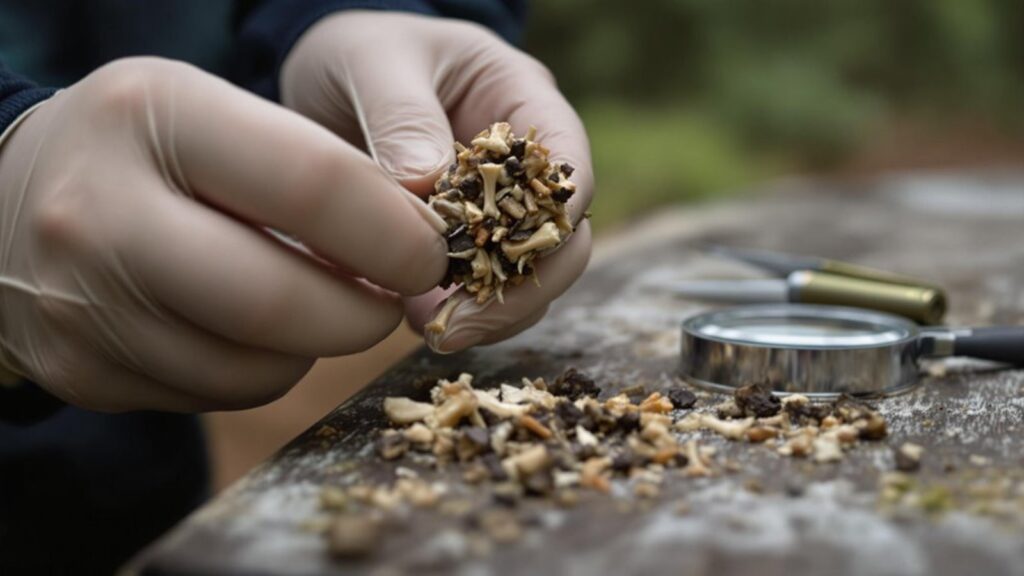
Surprising insights into wildlife populations revealed by the pellet count method – a cost-effective approach for estimating species abundance and habitat use.
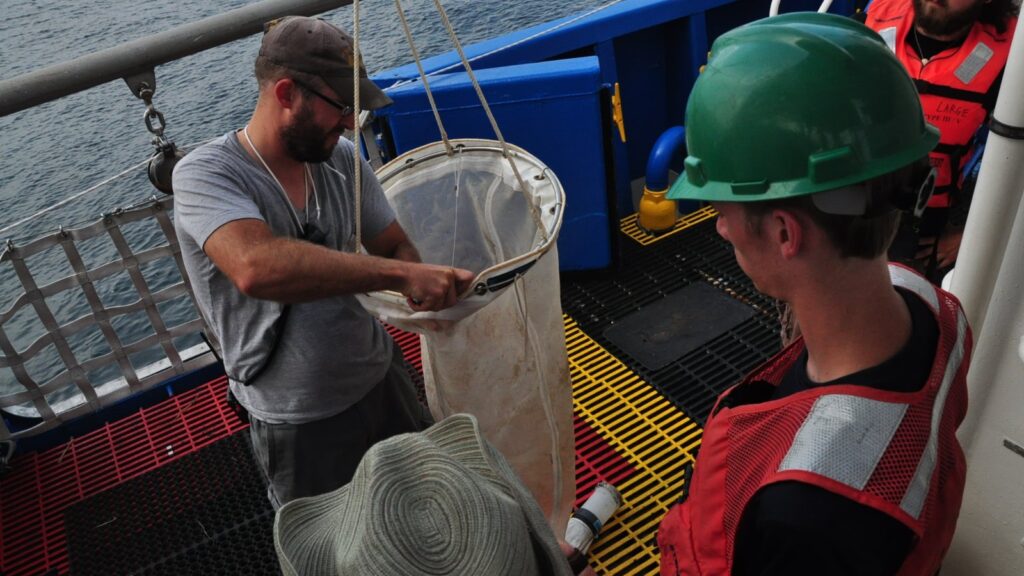
Tiny organisms reveal oceanic secrets through plankton tow methods, but which technique will unlock the hidden world beneath the waves?
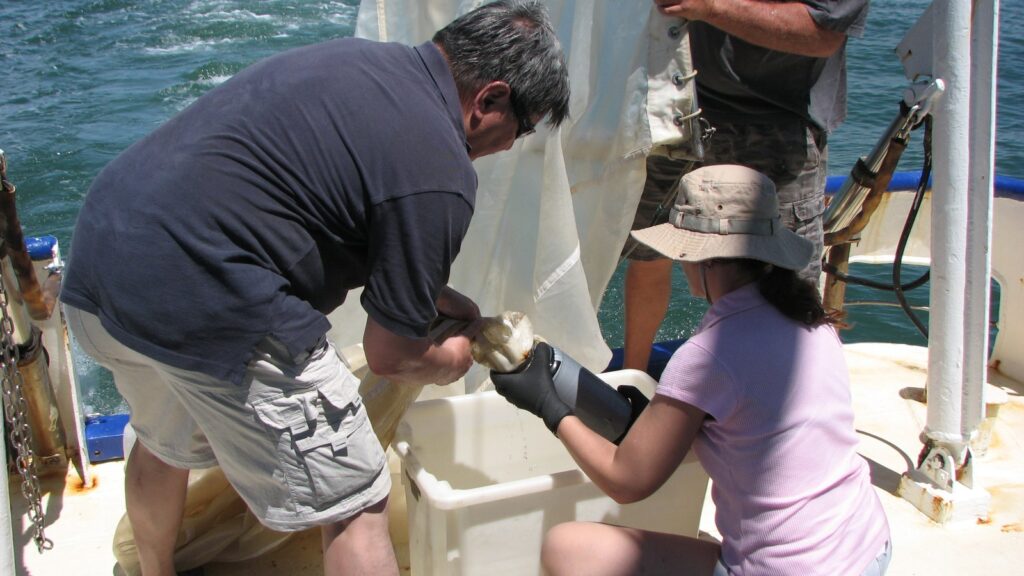
From nets to high-tech imaging, zooplankton sampling techniques have evolved dramatically, but which method reigns supreme for marine research?
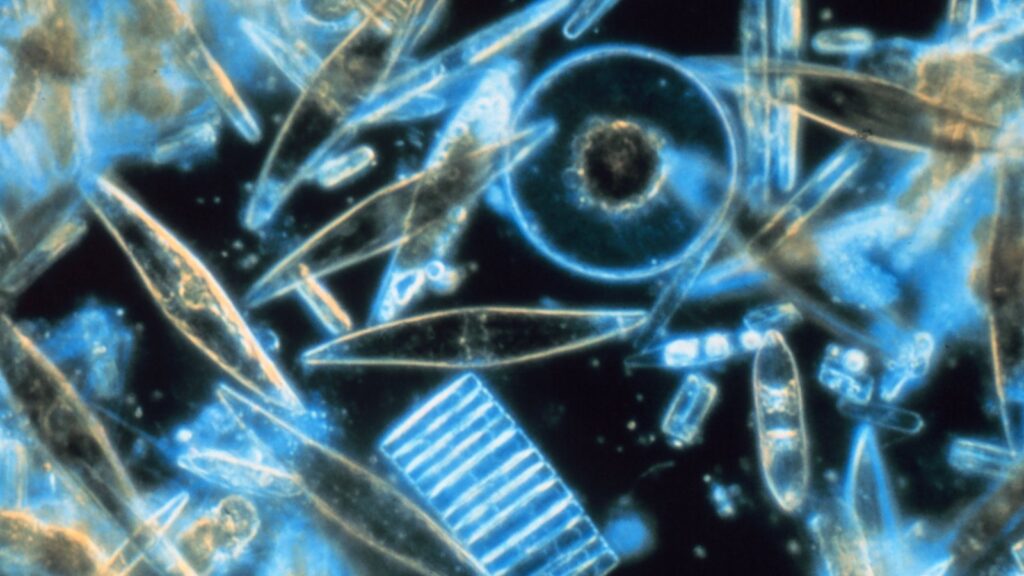
Keen on uncovering the ocean’s tiniest inhabitants? Discover the specialized tools used to capture microplankton, from nets to high-tech analyzers, and unlock…