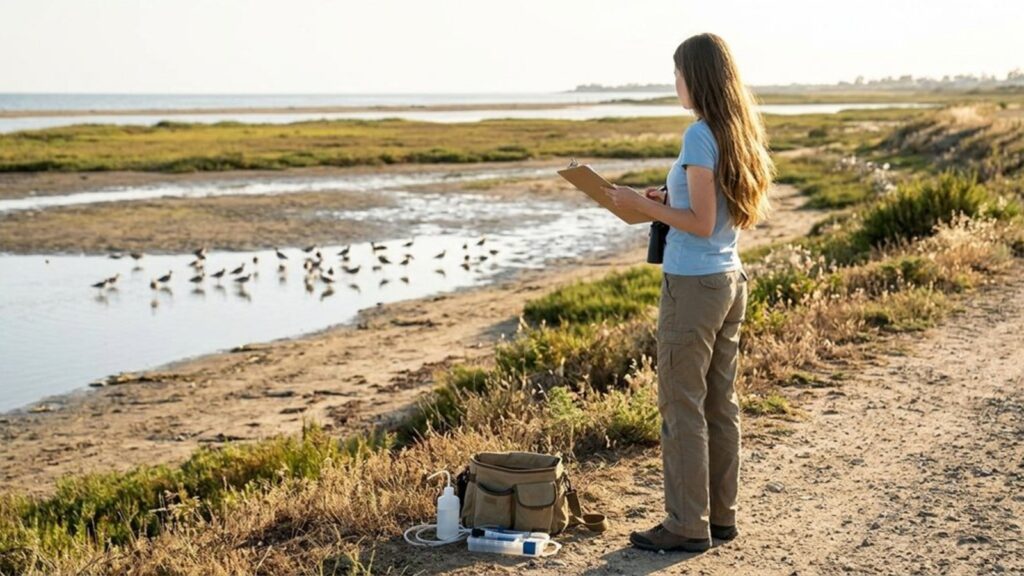
What Jobs Can You Do With an Ecology Degree
Opportunities with an ecology degree span from field research to federal agencies, but which path fits your strengths?
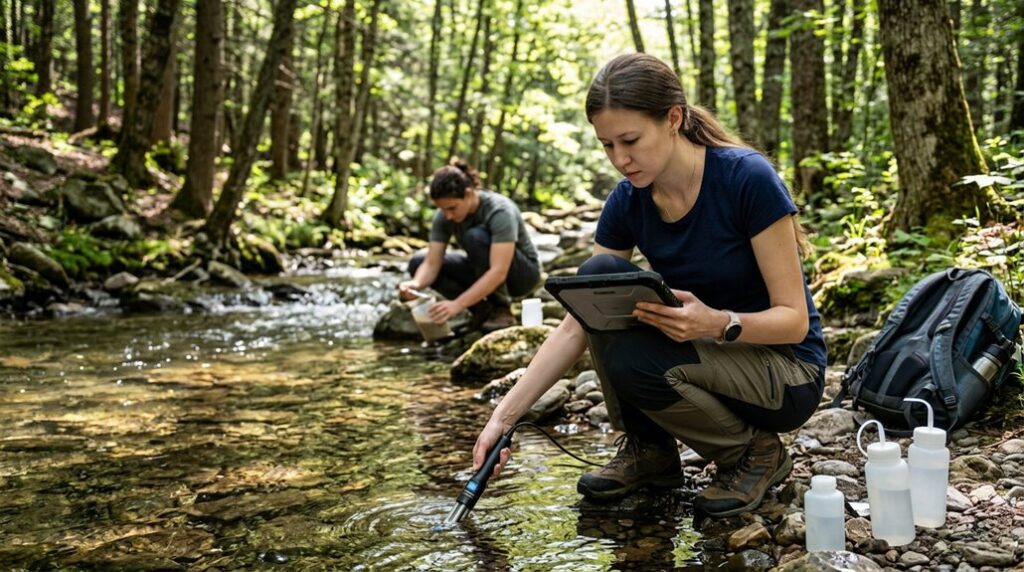
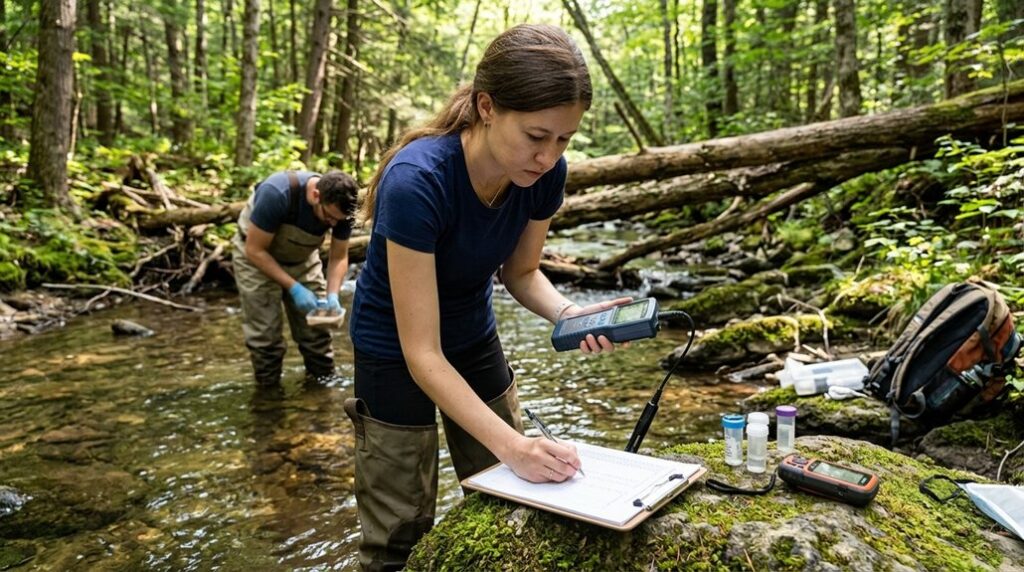
Wildlife careers encompass a broad range of roles dedicated to the preservation, management, and conservation of wildlife populations and their habitats. As a wildlife biologist, zoologist, or conservation scientist, you’ll work to understand and mitigate the impact of human activities on ecosystems, developing strategies to maintain biodiversity and promote ecological balance.
Wildlife management careers involve overseeing and implementing policies to conserve and manage wildlife resources, often in collaboration with government agencies, NGOs, and local communities. Wildlife ecologists, researchers, and conservation biologists study the complex relationships between species and their environments, informing evidence-based decision-making in conservation efforts.
In wildlife rehabilitation careers, professionals work to rescue, treat, and release injured or orphaned wildlife, providing critical care and rehabilitation services to promote the recovery of imperiled species. Wildlife science jobs, meanwhile, involve applying scientific principles to understand and address pressing conservation issues, such as habitat fragmentation, climate change, and species extinction.
Environmental science careers in wildlife conservation focus on the interconnectedness of human and natural systems, seeking to balance human needs with environmental sustainability. Conservation biologists, environmental scientists, and wildlife ecologists work together to develop innovative solutions to conservation challenges, from habitat restoration to species reintroduction programs.
Whether you’re a wildlife conservationist, biologist, manager, researcher, or rehabilitator, a career in wildlife is both rewarding and challenging, offering opportunities to make a meaningful difference in the conservation of our planet’s precious natural heritage.
Opportunities with an ecology degree span from field research to federal agencies, but which path fits your strengths?
Juggling curiosity-driven research and real-world conservation, academic and applied ecology careers differ in ways that might completely change which path you choose.
Academic vs Applied Ecology Careers: Key Differences Explained Read More »
Navigating the right ecology career path requires honest self-assessment, but the real question is whether you’re looking in the right places.
Unlock the world of ecology careers—discover salaries, essential skills, and start‑up steps, and find out what truly drives this vital field.
Discover free, CPD‑accredited ecology courses with certificates and unlock essential insights—find out how to start today.
Free Accredited Ecology Online Courses (With Certificates) Read More »
Unlock top wildlife biology credentials, from CWB® to QAWB, and discover why these certifications could be your career game‑changer.
Best Certifications for Wildlife Biology Students Read More »
I reveal how to craft a standout wildlife biology resume with zero experience, unlocking hidden opportunities that you won’t want to miss.
Free to learn wildlife biology and ecology courses with certificates await, discover which platforms unlock credentials and why you’ll want them.
Best Websites Offering Free Wildlife Biology and Ecology Courses With Certificates Read More »
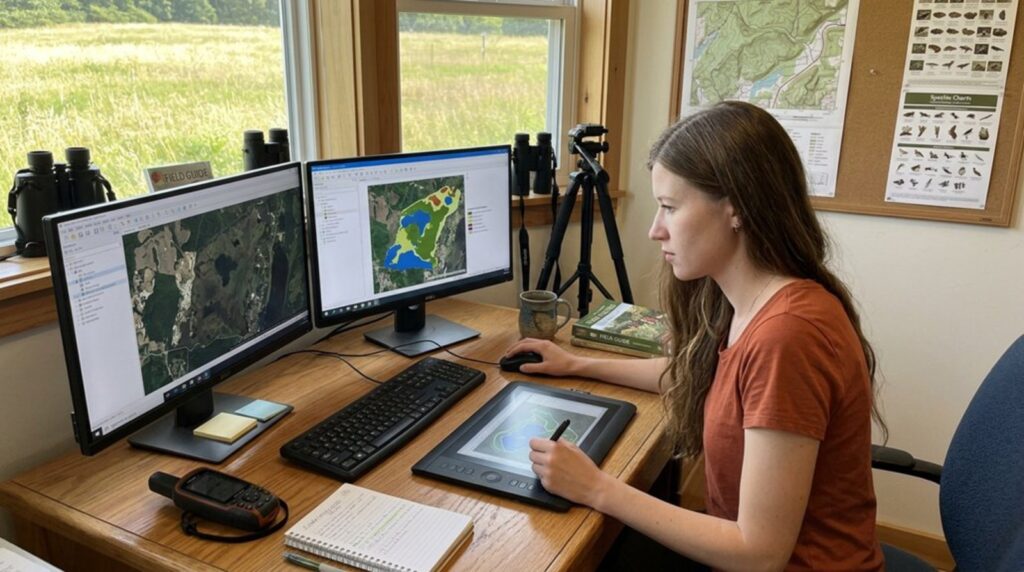
Tackle the most in-demand ecology and wildlife biology skills—field surveys, GIS mapping, and R/Python analysis—and discover the one habit that makes employers say yes.
Most In-Demand Skills in Ecology and Wildlife Biology Job Market Read More »
How can you build credible wildlife research experience without internships or moving—using simple, verifiable field surveys and public datasets that hiring managers actually trust?
How to Build Wildlife Research Experience Without Internships or Relocation Read More »