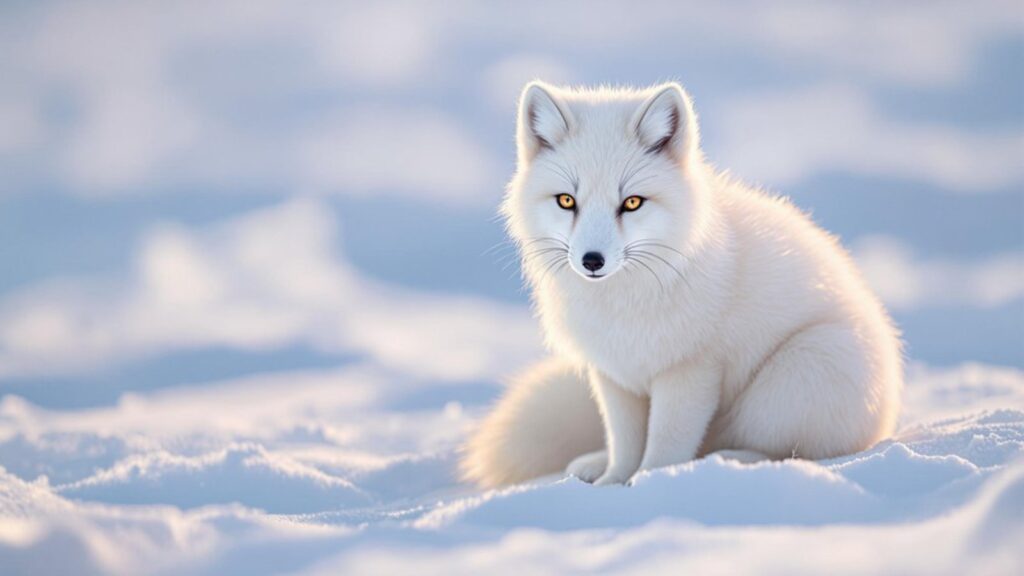
Arctic Fox Facts: Amazing Characteristics and Survival Abilities of These Incredible Hunters
Uncover surprising Arctic fox secrets including their incredible winter survival tricks and mysterious hunting abilities that will amaze you.

Mammals, a diverse group of warm-blooded animals, belong to the vertebrate class and are characterized by the presence of hair, three middle ear bones, and the production of milk for their young. They encompass a wide range of species, from placental mammals, such as humans and other primates, to marsupials, like kangaroos and opossums, and monotremes, including the egg-laying platypus.
Within this category, carnivores, like lions and tigers, feed on meat, while omnivores, such as bears and pigs, consume both plants and animals. Herbivores, including cows and deer, primarily feed on plants. Many mammals are terrestrial animals, inhabiting a variety of ecosystems, from forests to grasslands, while others, like whales and dolphins, are marine mammals, thriving in the world’s oceans.
The mammalian class is incredibly diverse, with over 5,000 species, ranging from the tiny bumblebee bat to the massive blue whale. Primates, rodents, and other mammalian groups exhibit unique characteristics, adaptations, and behaviors, underscoring the complexity and richness of animal classification in zoology.
As an integral part of wildlife and fauna, mammals play vital roles in maintaining ecosystem balance and biodiversity. By exploring and learning about these fascinating creatures, we can better appreciate the intricate relationships within ecosystems and work towards preserving the natural world.
Uncover surprising Arctic fox secrets including their incredible winter survival tricks and mysterious hunting abilities that will amaze you.
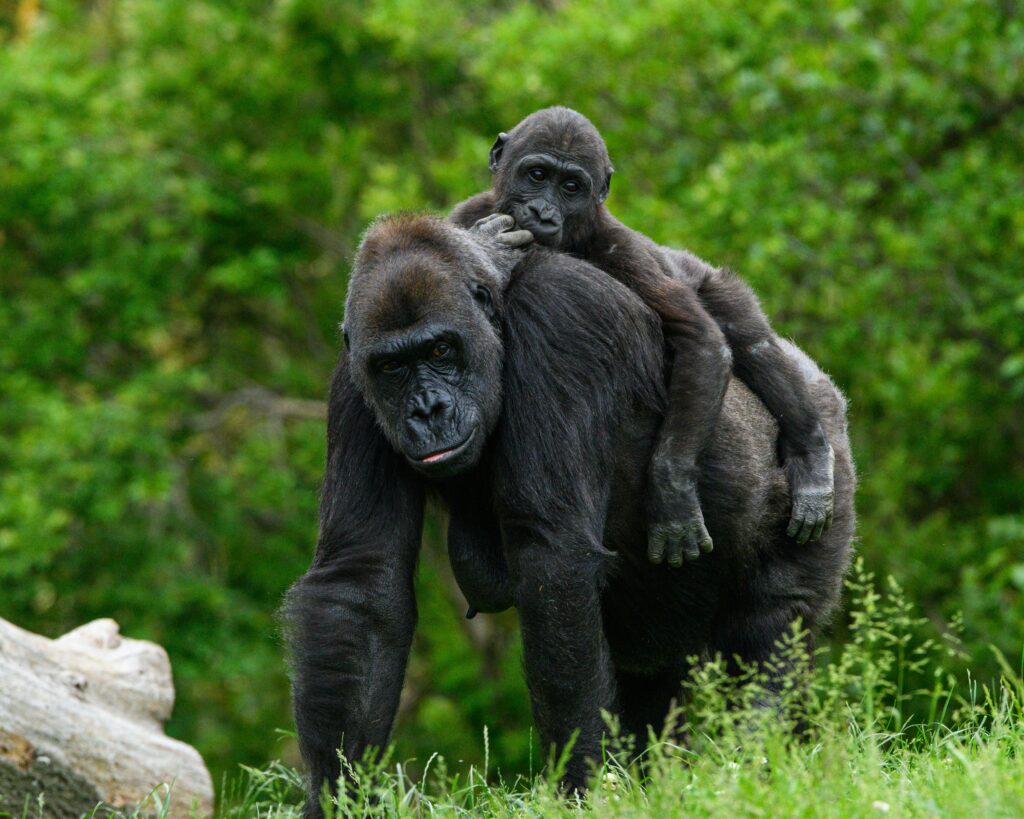
The intricate hierarchy of gorilla families, led by powerful silverbacks, reveals surprising secrets about their social bonds that could change everything.
Gorilla Family Structure: Fascinating Insights into How Gorilla Troops Are Organized Read More »
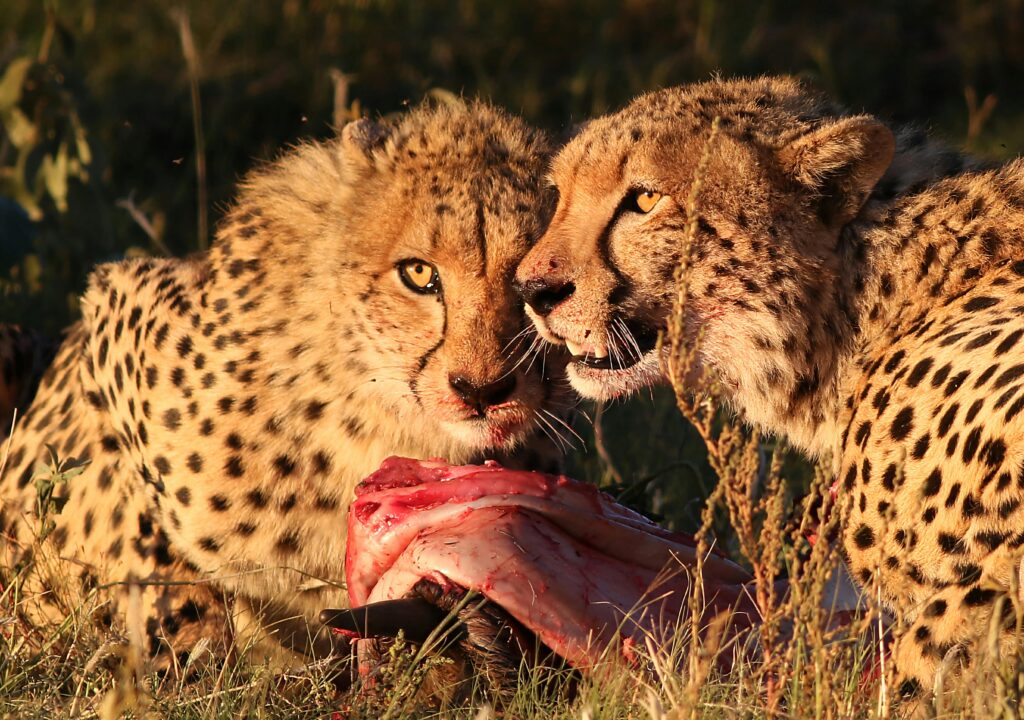
Hunting with lightning speed and laser precision, cheetahs employ secret strategies that make them Africa’s most efficient predators.
Cheetah Hunting Behavior: How the World’s Fastest Predator Hunts Its Prey Read More »
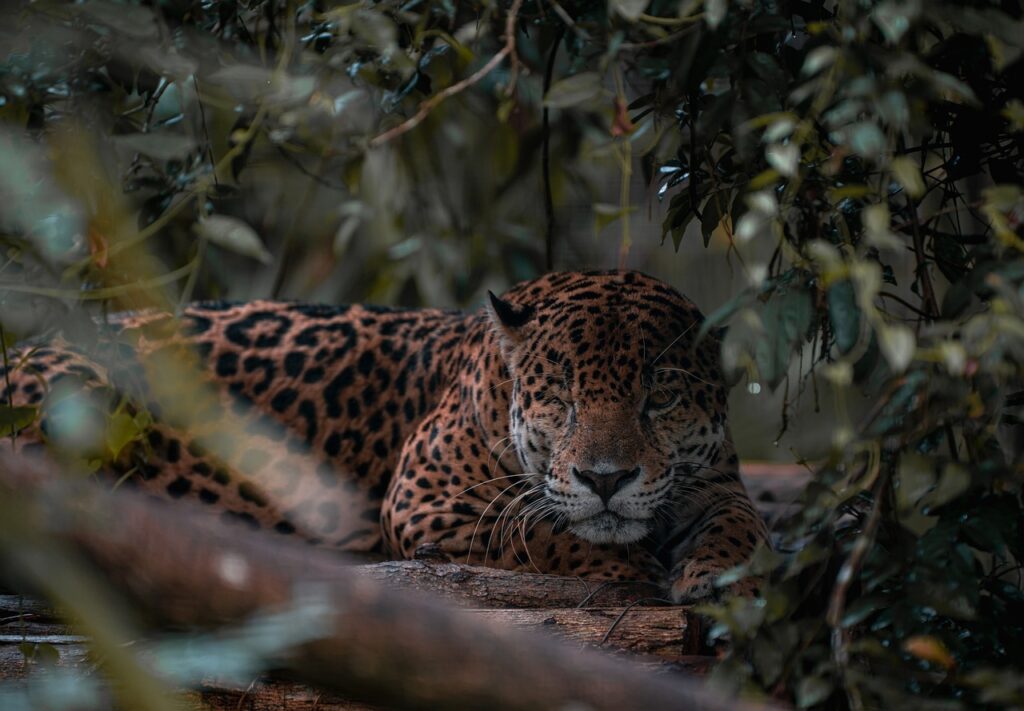
There are seven species of big cats that belong to Felidae family around the world: The bigger picture Monitored wildlife populations have fallen 73 percent on average since 1970, according to the WWF Living Planet Report 2024, which makes every species on this page part of a much bigger story. All the species mentioned belong
Detailed Comparison of All 10 Types of Big Cats Around the World Read More »
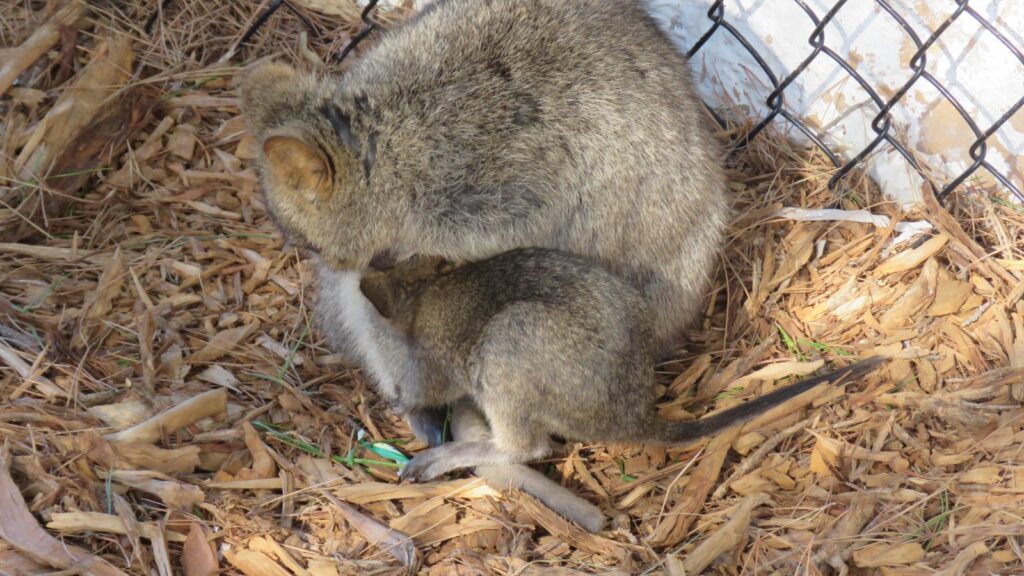
The quokka life cycle stage by stage, from a joey under a gram to an independent animal in under a year, with a timeline table and sourced figures.
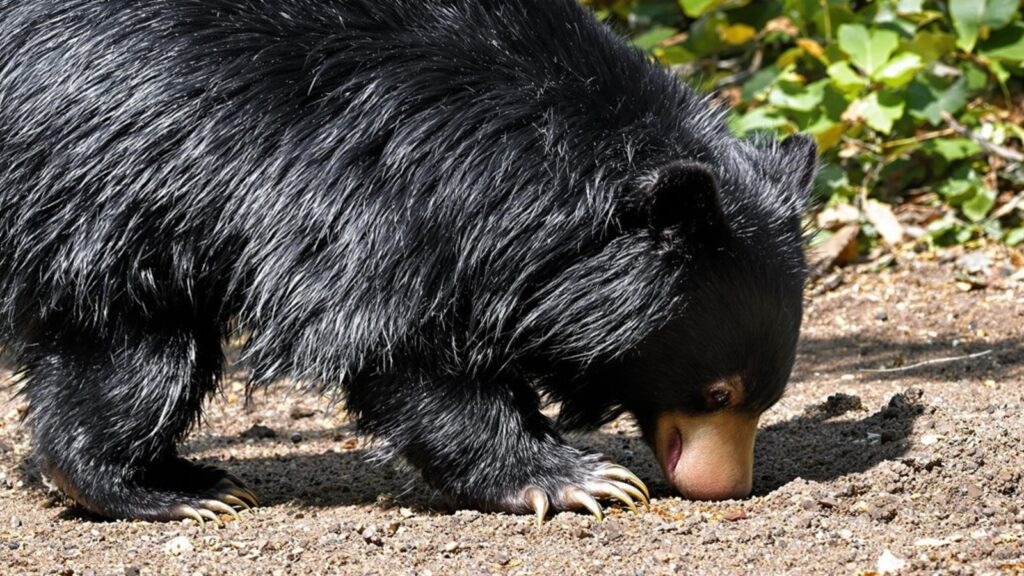
You won’t believe the surprising behaviors of sloth bears, from their unique foraging techniques to their impressive climbing abilities and more.
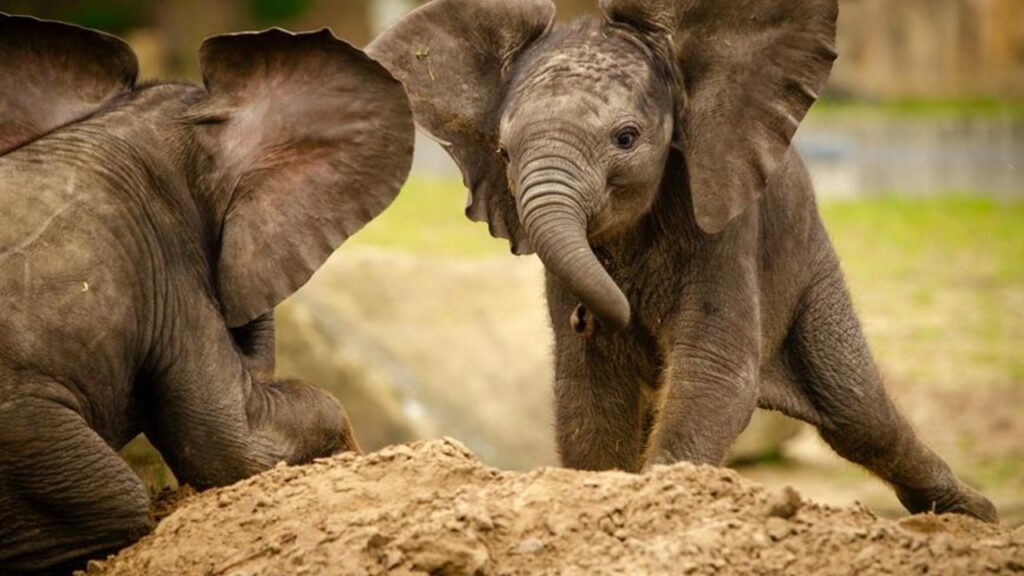
Peek into the adorable world of baby elephants: from fuzzy hair to clumsy trunks, these gentle giants start small but…
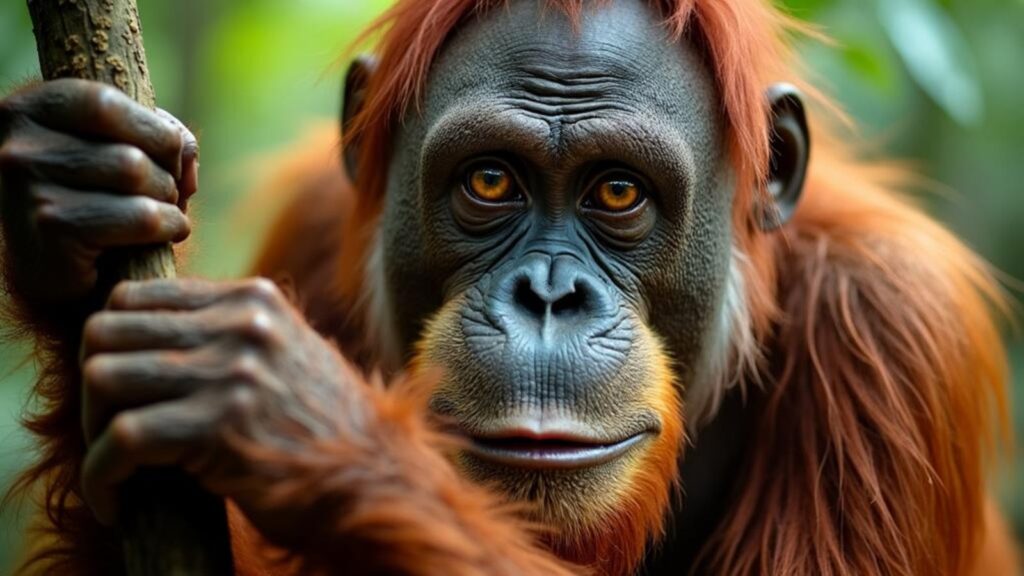
Captivating Bornean orangutans can live up to 45 years in the wild, but their true longevity potential remains a mystery…
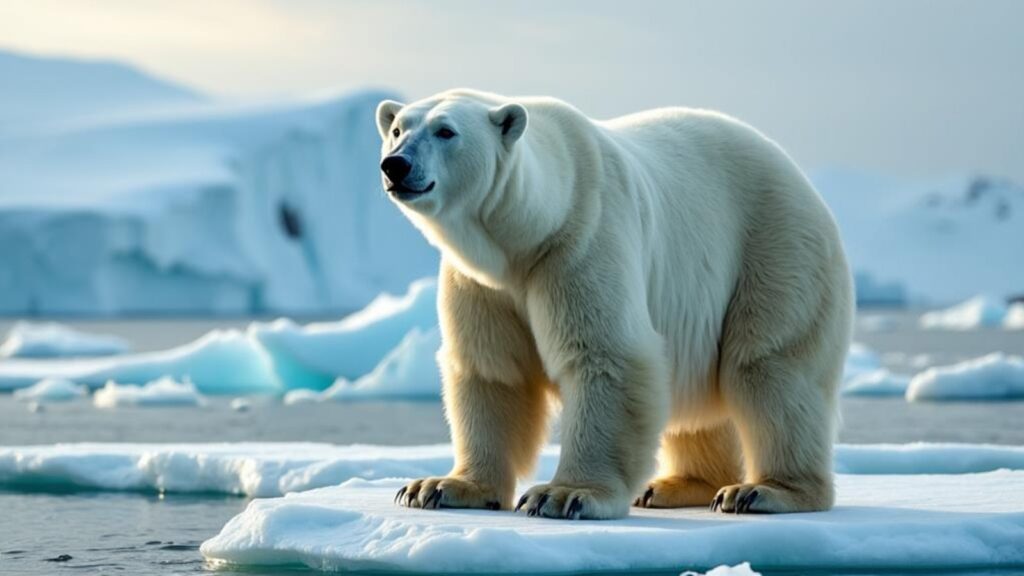
Specialized adaptations enable polar bears to thrive in the Arctic, but there’s one surprising feature that sets them apart from other bears…
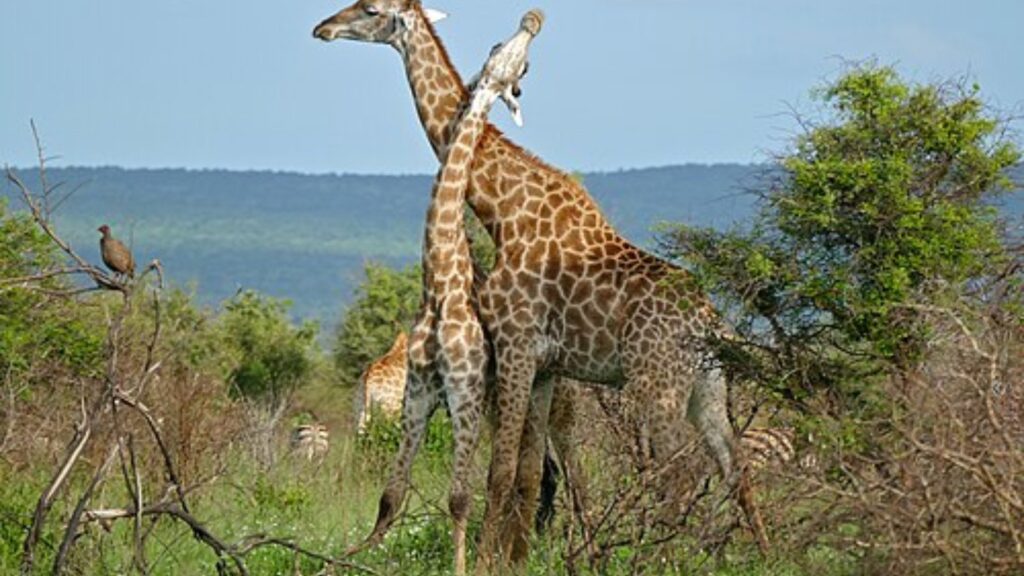
Giraffes have seven neck vertebrae, the same count as you, but the longest reach about 30 cm. And no, they are not ball and socket joints. The sourced anatomy.
Giraffe Neck Vertebrae: 7 Bones, 30 cm Each, and One Myth Read More »