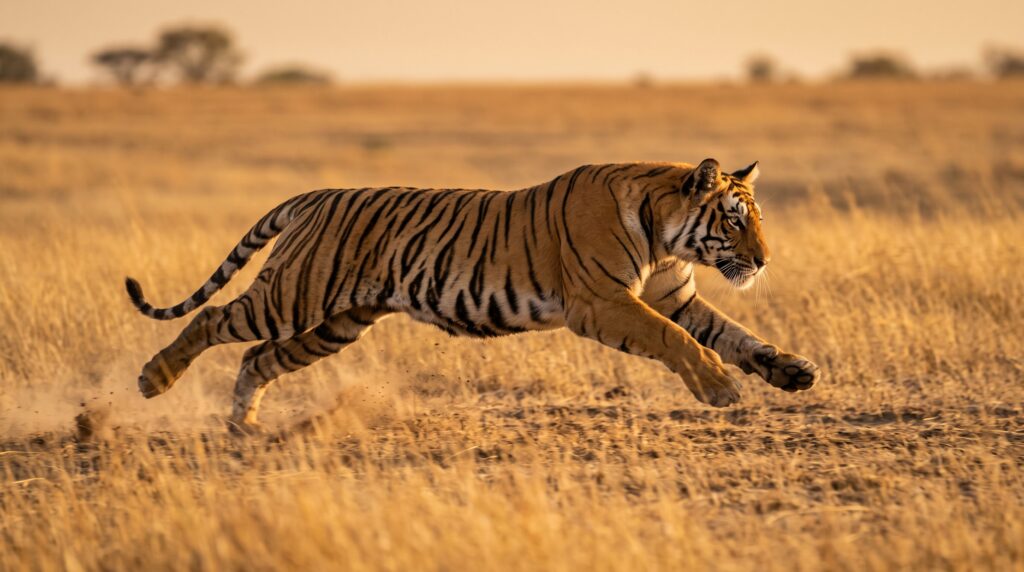
How Fast Can a Tiger Run
A tiger hits 65 km/h, but only for twenty metres — and the reason that burst collapses so quickly explains everything.

Mammals, a diverse group of warm-blooded animals, belong to the vertebrate class and are characterized by the presence of hair, three middle ear bones, and the production of milk for their young. They encompass a wide range of species, from placental mammals, such as humans and other primates, to marsupials, like kangaroos and opossums, and monotremes, including the egg-laying platypus.
Within this category, carnivores, like lions and tigers, feed on meat, while omnivores, such as bears and pigs, consume both plants and animals. Herbivores, including cows and deer, primarily feed on plants. Many mammals are terrestrial animals, inhabiting a variety of ecosystems, from forests to grasslands, while others, like whales and dolphins, are marine mammals, thriving in the world’s oceans.
The mammalian class is incredibly diverse, with over 5,000 species, ranging from the tiny bumblebee bat to the massive blue whale. Primates, rodents, and other mammalian groups exhibit unique characteristics, adaptations, and behaviors, underscoring the complexity and richness of animal classification in zoology.
As an integral part of wildlife and fauna, mammals play vital roles in maintaining ecosystem balance and biodiversity. By exploring and learning about these fascinating creatures, we can better appreciate the intricate relationships within ecosystems and work towards preserving the natural world.
A tiger hits 65 km/h, but only for twenty metres — and the reason that burst collapses so quickly explains everything.
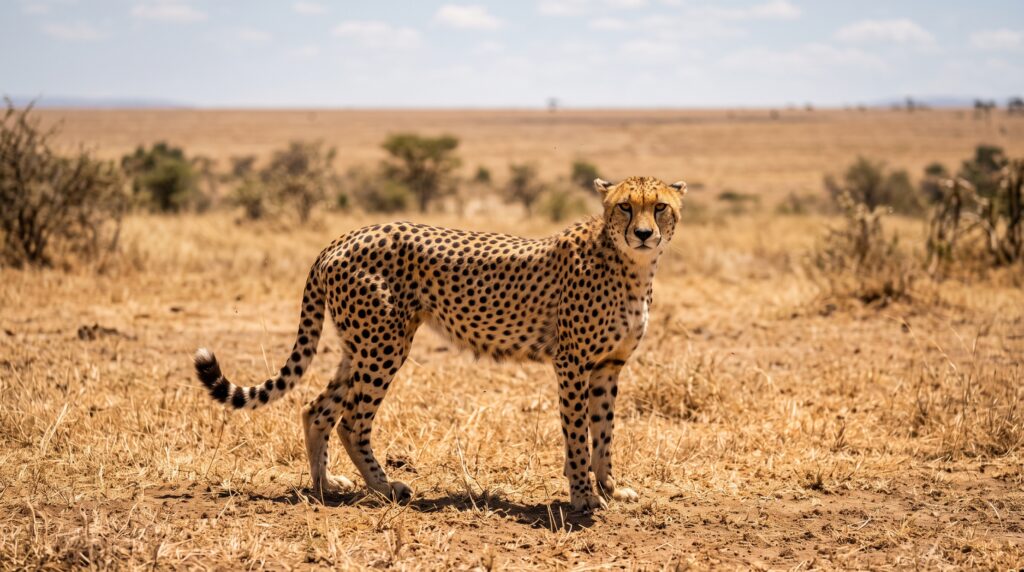
With no confirmed wild cheetah killing a human on record, the real danger may surprise you—and it isn’t the cheetah.
Are Cheetahs Dangerous? Do Cheetahs Attack Humans? Read More »
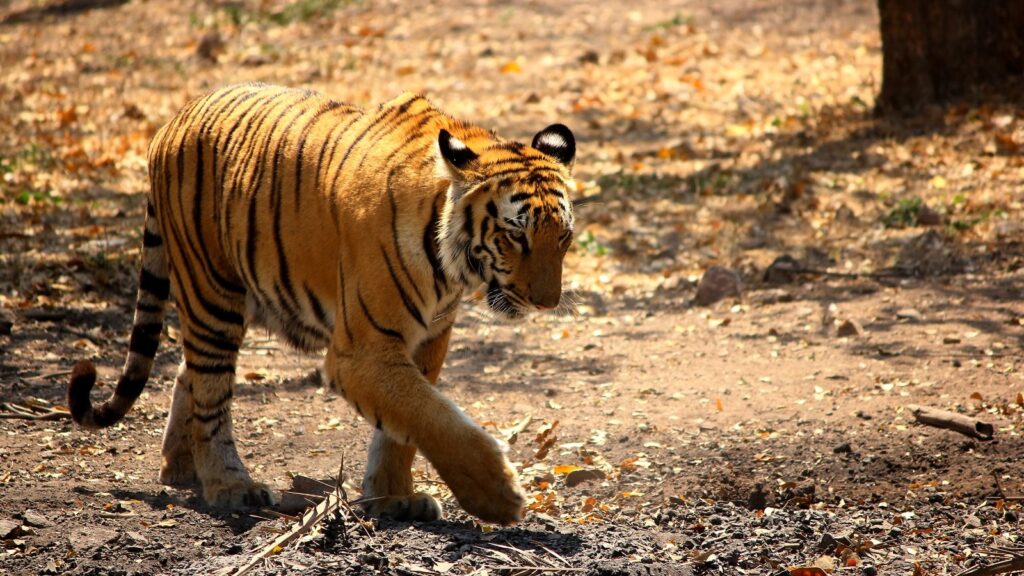
Numbers reveal tigers outweigh lions by up to 130 kg, but chest girth exposes an even wider gap worth examining closely.
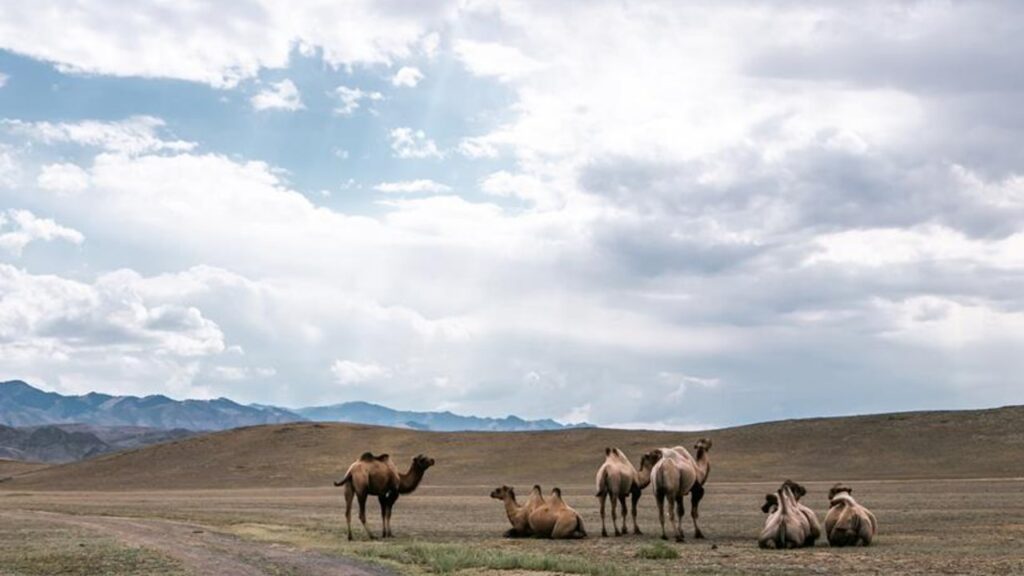
Camels cannot naturally have three humps. There are two main species: dromedary camels with one hump and Bactrian camels with two humps. Each hump stores fat, not water, helping camels survive harsh desert environments. Part of my complete guide to camels, covering hump biology, water physiology, the three species and the wild camel’s conservation status,
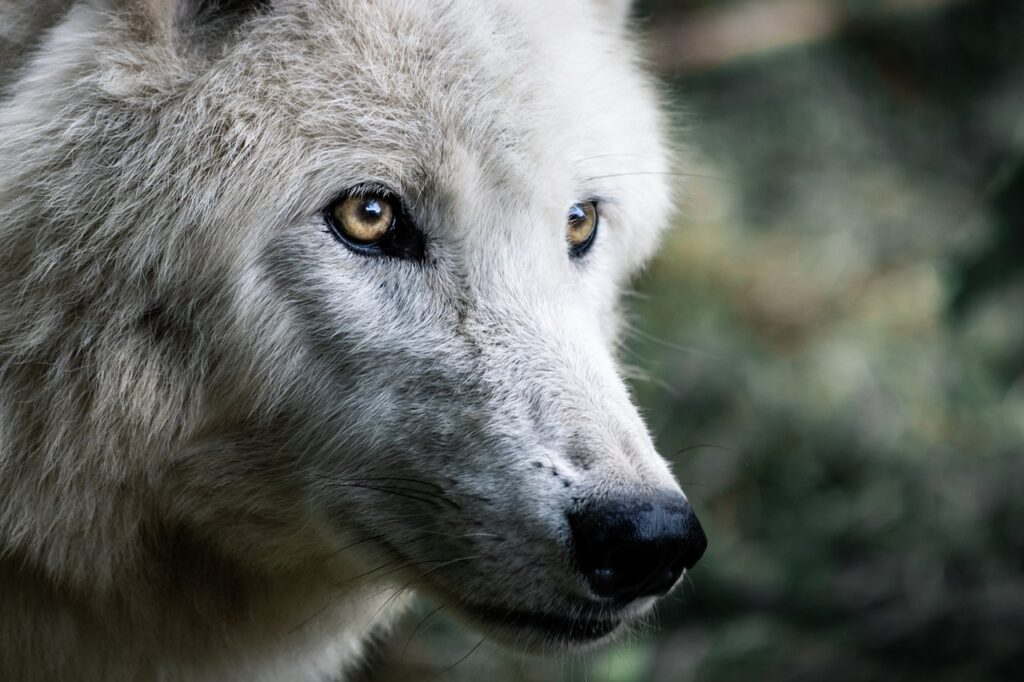
Have you ever wondered what color wolves’ eyes are? Part of my complete guide to wolves, which covers wolf species, pack structure, communication and current populations, with sources. Wolf eye colors typically range from amber and yellow to brown, with blue eyes appearing in pups before changing as they mature. Eye color in wolves is

Elephants are extremely strong, capable of carrying up to 600 pounds with their trunks, uprooting trees, and moving heavy obstacles. Their muscular bodies, tusks, and coordinated herd behaviors allow them to survive in diverse habitats across Africa and Asia. Part of my complete guide to elephants, which covers all three species, the trunk, movement, tusks,

No. Wolves cannot purr, and neither can dogs, foxes or any other canid. Purring belongs to cats, and it depends on a piece of anatomy that the dog family simply does not have. Part of my complete guide to wolves, which covers wolf species, pack structure, communication and current populations, with sources. What wolves do
Can Wolves Purr? What That Rumbling Sound Really Is Read More »
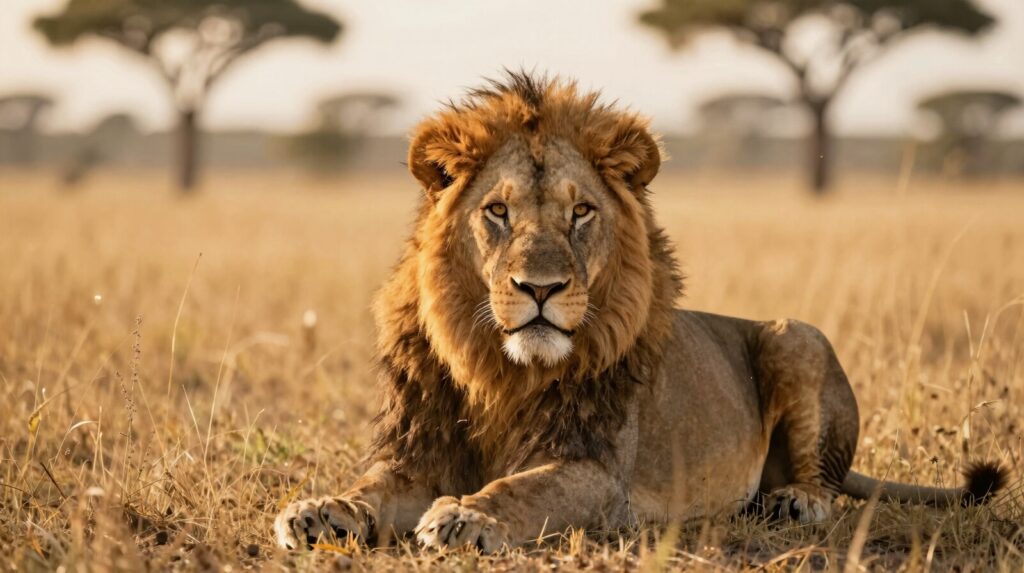
Curious about how lions combine cunning strategies and physical prowess to dominate the savannah?
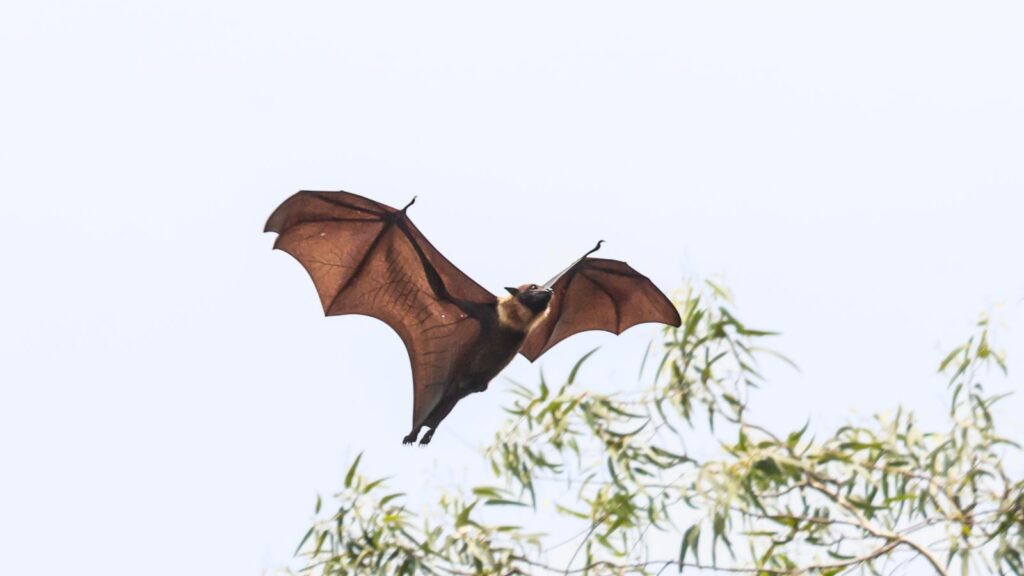
Have you ever witnessed a bat struggling to take off from the ground? Picture this: you stumble upon a tiny bat desperately flapping its wings, but seemingly unable to lift off into the air. It’s a perplexing sight, considering bats’ remarkable aerial abilities. However, as we dig deeper into the subject, you’ll discover that there’s

Krill-seeking giants journey 4,000 miles annually between polar feasts and tropical breeding grounds, but climate change is rewriting their ancient routes.
Amazing Blue Whale Migration Patterns Threatened by Climate Change Read More »