
Career outlook
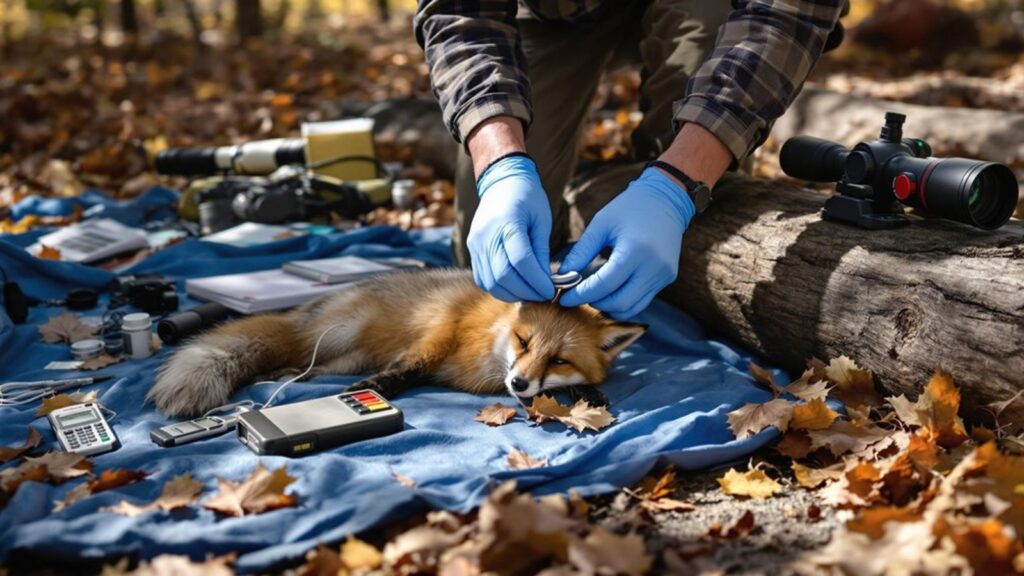
The U.S. Bureau of Labor Statistics Occupational Outlook Handbook projects continued growth for environmental scientists this decade, with steady openings each year from growth and retirements, a good sign for anyone entering the field.
Wildlife ecology graduate programs will equip you with specialized knowledge in conservation, research, and wildlife management. You’ll study core areas like ecological foundations, quantitative analysis, and sustainability while gaining hands-on field experience.
Programs typically require a bachelor’s degree in biological sciences with a 3.0 GPA, and many offer financial support through assistantships. Career paths include roles with government agencies, NGOs, research institutions, and environmental consulting firms.
Whether you’re interested in conservation biology, ecological research, or human-wildlife conflict management, these programs offer diverse specialization tracks. The path to becoming a wildlife expert begins with choosing the right program for your goals.
Core Research Areas
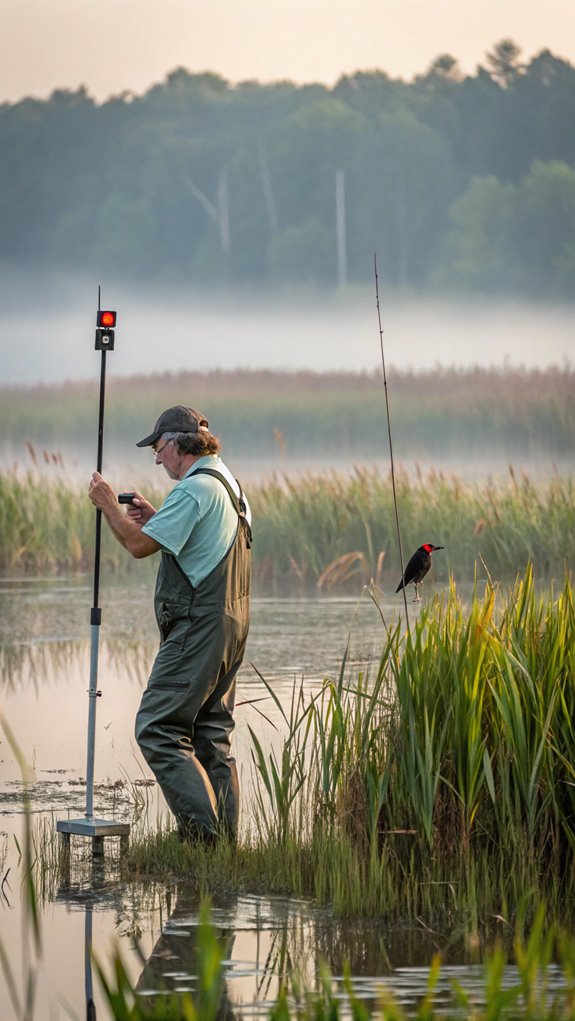
Four fundamental pillars form the core research areas in wildlife ecology graduate programs: ecological foundations, management and conservation, ecological sustainability, and quantitative analysis.
In ecological foundations, you’ll study how wildlife behavior impacts populations and ecosystems, while exploring the physiological processes that affect wildlife in their habitats.
You’ll examine population dynamics to understand factors influencing population sizes and analyze wildlife-habitat relationships. Community ecology will teach you about species interactions within ecosystems. The program’s emphasis on behavioral and physiological ecology builds a strong scientific foundation.
Management and conservation focuses on balancing human needs with wildlife preservation. You’ll learn about conservation biology for protecting endangered species, study landscape ecology to understand environmental changes, and use species distribution modeling to predict wildlife patterns. The human dimensions aspect helps you grasp the social contexts of wildlife conservation.
The ecological sustainability pillar emphasizes ecosystem preservation and the services they provide. You’ll work on environmental conservation programs, biodiversity protection, and ecosystem management strategies. Climate change research plays a vital role in understanding environmental impacts on wildlife.
Quantitative and analytical techniques equip you with essential research tools. You’ll master biometry and ecological modeling to study wildlife populations, use GIS and remote sensing for habitat analysis, and apply population analysis methods to understand dynamics. Through simulation modeling and statistical theory, you’ll learn to predict wildlife-habitat relationships and interpret complex ecological data.
Program Requirements and Prerequisites
To pursue a graduate degree in wildlife ecology, you’ll need to meet several key requirements and prerequisites. You should have a bachelor’s degree in biological sciences, ecology, or a related field, with a minimum GPA of 3.0. While the GRE isn’t mandatory, it’s recommended to strengthen your application.
You’ll also need to submit three letters of recommendation and official transcripts. If you’re an international student, you’ll need to meet TOEFL requirements set by the graduate college. The program’s interdisciplinary approach integrates ecological principles with policy and management strategies.
Your undergraduate background should include specific coursework in ecology, conservation biology, wildlife management, and statistics. You’ll also need to have completed at least one course in animal organismal biology and one in genetics or evolution. This foundation guarantees you’re prepared for advanced graduate-level work in the field.
The program offers two degree paths: a 30-credit thesis option and a 33-credit non-thesis option. You’ll need to complete two quantitative courses, including Statistics 587 and another 400-level or higher statistics course.
The core curriculum requires you to take ECL 611 or a similar seminar, plus one specialized course in areas like avian ecology or conservation biology. You’ll also need to complete an additional three-credit course from the NREM department.
Financial support is available through teaching and research assistantships, which provide a monthly stipend of $2,252, healthcare benefits, and 75% tuition remission. To maximize your chances for funding, you should submit your application by early deadlines, typically December 1 for fellowship consideration.
Career Opportunities After Graduation
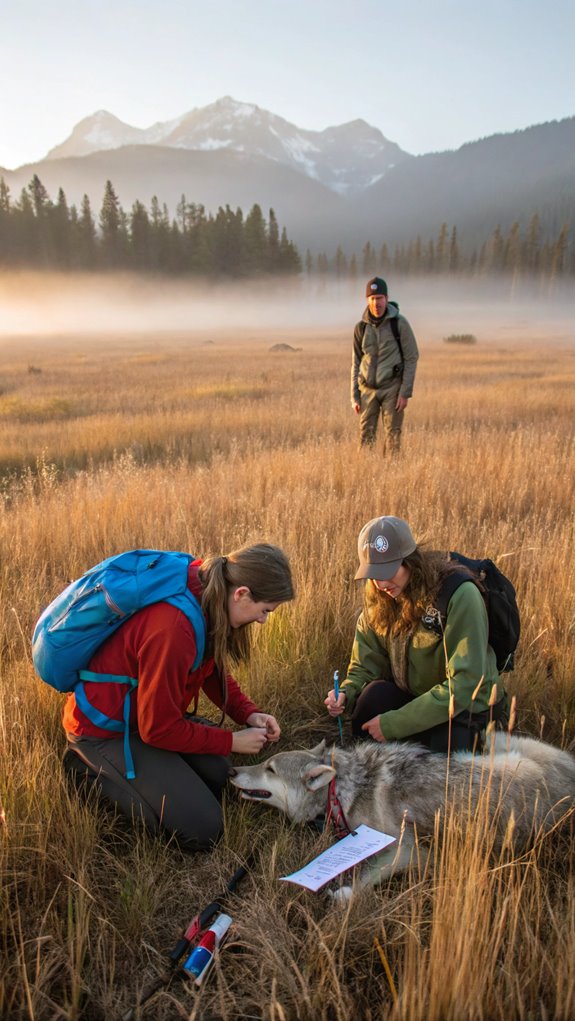
Graduates with advanced degrees in wildlife ecology can pursue diverse and rewarding career paths across multiple sectors. You’ll find significant opportunities in government agencies, where you can work as a biologist for the U.S. Fish and Wildlife Service or join state departments focused on natural resources and wildlife management.
Local resource agencies also offer employment opportunities for wildlife specialists. You might also pursue a career in wildlife law enforcement or take on conservation management roles in national forests.
In the non-governmental sector, you’ll discover positions with environmental NGOs, zoos, aquaria, and natural history museums. These organizations offer chances to conduct research, manage animal populations, and develop conservation strategies. You can also engage in community outreach programs and public education initiatives through wildlife foundations.
If you’re interested in academia and research, you can pursue teaching positions at universities or conduct studies at specialized research institutes. You’ll have opportunities to contribute to scientific literature, provide consultancy services, and shape the next generation of wildlife ecologists through education programs.
The private sector offers another avenue for your expertise. You can join environmental consulting firms, specialize in wildlife forensics, or develop a career in wildlife photography and journalism.
Marine biology positions allow you to study ocean ecosystems, while land stewardship roles let you manage private conservation efforts. With growing environmental challenges, your skills will be valuable across these sectors, allowing you to make meaningful contributions to wildlife conservation and management.
Field Research Components
Throughout your graduate studies in wildlife ecology, you’ll engage in extensive field research that spans multiple environments and methodologies. You’ll focus on key areas including behavioral ecology, population dynamics, and conservation biology, while developing expertise in ecological interactions and habitat management strategies.
Your fieldwork will take you to diverse locations, ranging from national parks and wildlife reserves to urban environments where you’ll study human-wildlife interactions.
You’ll conduct research across various ecological regions, including forests, grasslands, wetlands, and marine ecosystems, often collaborating with government agencies and NGOs on large-scale projects. The program’s long-standing partnerships with Texas Parks and Wildlife Department and U.S. Fish and Wildlife Service provide valuable research opportunities.
You’ll master multiple research approaches during your studies. You’ll design and implement controlled experiments, conduct observational studies of wildlife in their natural habitats, and utilize cutting-edge remote sensing technologies. You’ll also develop proficiency in statistical analysis and ecological modeling to interpret your findings and predict future trends in wildlife populations.
The program offers various research opportunities to suit your interests. You can join faculty-led projects, where you’ll work alongside experienced researchers, or develop your own independent research initiative. You’ll have access to funding through assistantships and grants, supporting your fieldwork and research goals.
The program’s interdisciplinary nature means you’ll integrate knowledge from multiple scientific fields, enhancing your understanding of complex ecological systems and preparing you for a thorough approach to wildlife research and conservation.
Conservation Management Studies
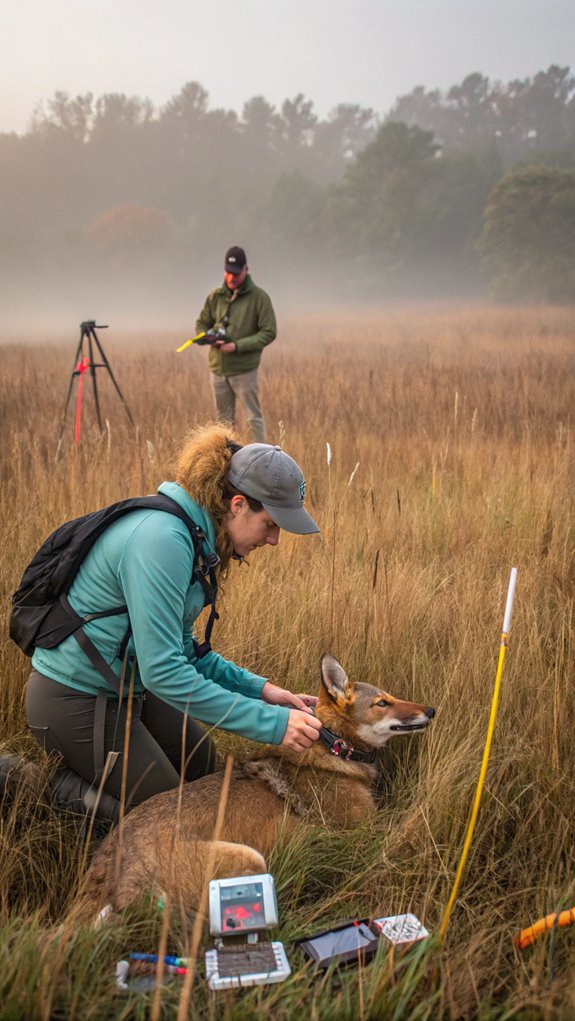
Conservation management studies equip you with essential skills in biodiversity preservation, ecosystem health assessment, and wildlife population management. In these programs, you’ll master critical aspects of habitat management, species recovery, and nuisance wildlife control while developing expertise in spatial and quantitative analysis techniques.
You’ll learn to integrate ecological principles with practical conservation methods to maintain healthy ecosystems. Courses are designed with flexible learning models to help students balance their studies with personal commitments.
Leading institutions offer various degree options to match your career goals. You can pursue an MS in Wildlife Ecology and Management, focusing on conservation strategies, or choose specialized tracks like the University of Florida’s programs in Geographic Information Systems or Wetland Sciences. ESF’s graduate programs provide additional pathways through M.S., M.P
Publication and Research Standards
Rigorous publication and research standards form the bedrock of wildlife ecology graduate programs. You’ll need to demonstrate your ability to plan, conduct, and analyze independent research while adhering to established methodological frameworks. Your research must contribute meaningfully to wildlife conservation efforts, often supporting state and federal programs through your findings and recommendations.
As you progress through your program, you’ll need to synthesize scholarly literature effectively to form testable hypotheses and articulate clear research objectives. You’re expected to apply appropriate quantitative, spatial, or qualitative research approaches to address complex wildlife ecology challenges.
Through intensive field research projects, you’ll work closely with faculty mentors who’ll guide your investigation processes and methodological choices. Students can specialize in various domains including avian and community ecology.
You must maintain high ethical and professional standards throughout your research journey. This includes presenting your findings to both professional and lay audiences while participating actively in departmental seminars and workshops. You’ll need to communicate your research clearly in both oral and written formats, demonstrating your ability to evaluate and synthesize information effectively.
Your research work will be assessed based on your ability to analyze data, support findings with evidence, and evaluate conservation strategies. You’re expected to demonstrate a thorough understanding of wildlife ecology within historical, social, and global contexts.
Remember that you’ll need to maintain professional conduct while meeting all academic requirements and actively contributing to your field through publication-worthy research.
Tuition and Financial Considerations
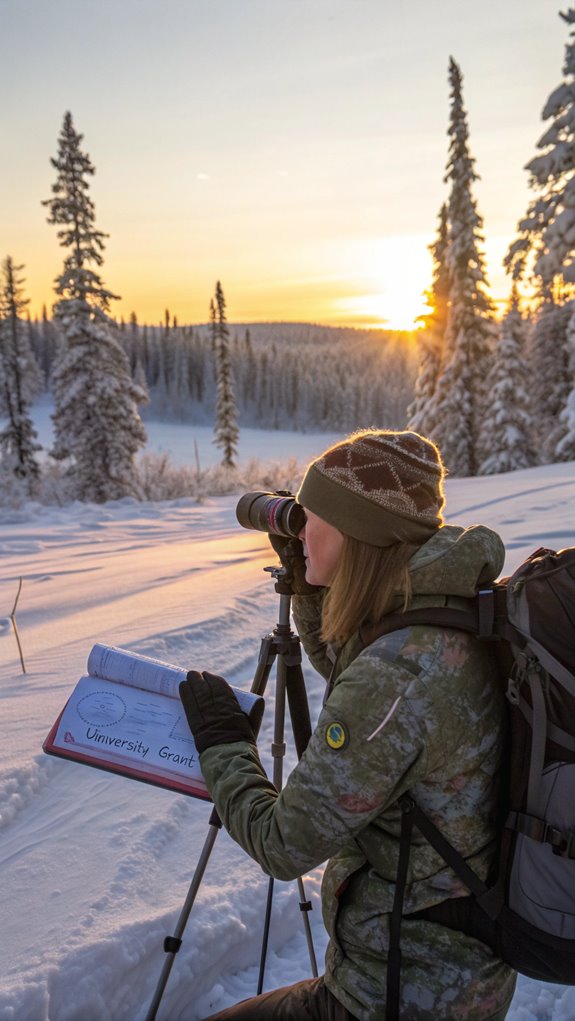
When planning for graduate studies in wildlife ecology, you’ll need to carefully assess tuition costs and financial aid options across different programs.
At the University of Florida, you’ll find specific pricing structures with their Wildlife Forensics Master of Science program costing $575 per credit hour, totaling $18,975 for the complete 33-credit program. Their Graduate Certificate option runs $525 per credit hour, amounting to $7,875 for 15 credits.
Oregon State University offers graduate courses in Fisheries, Wildlife, & Conservation Sciences at $571 per credit hour, with a typical 3-credit course costing $1,713.
Florida residents benefit from a lower graduate tuition rate of $448.73 per credit hour. If you’re taking a full course load of 12 credits per term, you’ll need to budget around $4,397 for tuition and fees.
While University of Wisconsin-Madison and Iowa State University don’t provide direct tuition information, they emphasize alternative funding approaches. Wisconsin-Madison receives substantial research support ranging from $3-4 million annually and offers graduate assistantships and fellowships to qualified students. At Iowa State, you’ll need to secure a faculty sponsor before applying, as funding typically comes through assistantships.
Each university offers different payment options and deadlines. Florida allows electronic checks, credit cards, and international payments through Convera, with strict payment deadlines each term. Oregon State requires payment upon registration.
You’ll also want to examine additional costs beyond tuition, such as living expenses, books, and personal costs. Most programs recommend exploring multiple funding sources, including assistantships, fellowships, traineeships, and traditional financial aid to help offset these expenses.
Specialized Wildlife Study Tracks
Graduate programs in wildlife ecology offer diverse specialized tracks that align with your career goals and research interests. You’ll find four main areas of specialization that can shape your academic journey and future career path.
If you’re passionate about species preservation, the Conservation Biology and Management track might be your best fit. You’ll study biodiversity conservation, habitat management strategies, and species recovery planning.
This track also covers essential conservation laws and wildlife forensics, preparing you for roles in conservation organizations or government agencies. Studies in this track often contribute to state and federal initiatives, reflecting real-world conservation needs.
The Ecological Research and Analysis track focuses on the scientific aspects of wildlife study. You’ll learn about population ecology, landscape interactions, and mathematical modeling. This track emphasizes quantitative skills and research design, making it ideal if you’re interested in research positions or pursuing a Ph.D.
For those interested in the human aspects of wildlife management, the Human Dimensions and Conflict Management track offers valuable insights. You’ll study how human activities impact wildlife, develop conflict resolution strategies, and learn about policy implementation. This track prepares you for roles in community outreach or policy development.
The Specialized Ecological Disciplines track lets you focus on specific aspects of wildlife ecology. You can study wildlife toxicology, disease ecology, or molecular techniques.
This track also covers emerging issues like climate change impacts on wildlife populations and endangered species management. It’s particularly suitable if you want to become a specialist in a specific ecological field.
Faculty Expertise and Mentorship
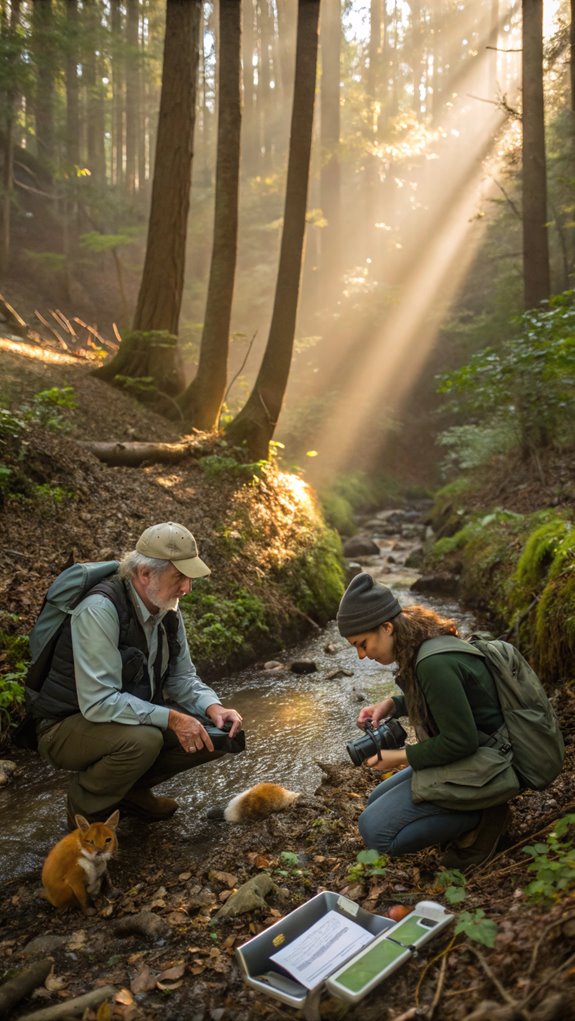
Leading wildlife ecology programs stand out for their diverse faculty expertise and thorough mentorship opportunities. At the University of Wisconsin-Madison, you’ll find specialists in behavioral and physiological ecology, with faculty guidance focused on developing research programs that support state and federal conservation initiatives.
The program’s annual research support of $3-4 million helps fund graduate assistantships and fellowships. The program, founded in 1939, carries on the influential legacy of Aldo Leopold through its research and teaching.
The University of Florida emphasizes faculty-student research collaborations, requiring you to connect with potential advisors before applying. You’ll need to secure funding plans before acceptance, but you’ll benefit from interdisciplinary opportunities through the School of Natural Resources and Environment, working alongside approximately 100 other graduate students.
At Michigan State University, you’ll work with faculty who specialize in wildlife-habitat interactions and population dynamics. The program combines ecological and evolutionary theory with practical skills in GIS and biometry. Faculty expertise extends to environmental issues in both upland and wetland ecosystems.
The University of Delaware offers unique specializations in aero ecology and waterfowl biology. You’ll participate in intensive field research projects under faculty supervision, focusing on either insects or vertebrates while maintaining broad ecological knowledge.
The program prepares you for a career as a wildlife biologist through hands-on experience and exposure to conservation policy. While it’s possible to pursue a PhD directly, the program typically prefers candidates with a master’s degree.
Program Rankings and Accreditation
Beyond faculty expertise, program rankings and accreditation serve as key indicators of educational quality and career potential. When you’re evaluating wildlife ecology graduate programs, you’ll find that several universities stand out for their exceptional rankings and accreditation status. Harvard University leads globally in Wildlife and Fisheries Management & Conservation, while the University of Florida ranks #1 specifically for Master’s in Wildlife and Wildlands Science and Management Programs. Over 3,700 accredited colleges have been thoroughly assessed for program reliability and quality.
You’ll want to pay particular attention to programs with formal accreditation, such as the University of Florida and University of Wisconsin-Madison.
These accredited programs demonstrate compliance with rigorous educational standards and often align with The Wildlife Society‘s certification requirements. UW-Madison, with its impressive 95% retention rate, shows strong student satisfaction and program effectiveness.
The accreditation standards typically require extensive coursework in areas like statistics and plant ecology, as you’ll find at Iowa State University’s M.S. in Wildlife Ecology program.
These requirements guarantee you’re getting a well-rounded education that meets industry standards. Cornell University, despite its competitive 7% acceptance rate, offers strong value with a net price of $26,060 for its wildlife programs.
When choosing a program, you should verify that it supports professional certification by The Wildlife Society, as this credential is often preferred by state and federal agencies.
Programs meeting these standards typically lead to better employment outcomes, as evidenced by ESF’s nearly 100% placement rate with organizations like the US Fish and Wildlife Service.

Erzsebet Frey (Eli Frey) is an ecologist and online entrepreneur with a Master of Science in Ecology from the University of Belgrade. Originally from Serbia, she has lived in Sri Lanka since 2017. Eli has worked internationally in countries like Oman, Brazil, Germany, and Sri Lanka. In 2018, she expanded into SEO and blogging, completing courses from UC Davis and Edinburgh. Eli has founded multiple websites focused on biology, ecology, environmental science, sustainable and simple living, and outdoor activities. She enjoys creating nature and simple living videos on YouTube and participates in speleology, diving, and hiking.
From the shop
Gifts for people who love the wild
Wildlife themed t-shirts, notebooks, tote bags, bandanas and guides, designed by an ecologist.
Visit the shop