
At Simply Ecologist, we help ecology professionals navigate their options. To choose the right ecology career path, assess three things first: whether you prefer fieldwork or desk-based work, lab work, which sector (academia, government, NGO, or private consulting) fits your lifestyle, and which specialisation aligns with your technical strengths.
Your answers point toward distinct sectors: academia, government, NGOs, or private consulting, each offering different pay, stability, and day to day rhythms. Match your personality and values to roles before chasing credentials. The sections ahead will help you map that fit with much greater precision.
Key Takeaways
- Start with self-assessment by examining your interests, strengths, and values before comparing sectors or roles.
- Identify your preferred daily tasks. fieldwork, data analysis, teaching, or policy to determine sustainable long-term fit.
- Compare four sectors, academia, government, NGOs, and private consulting, as each offers different stability, salary, and work culture.
- Match your setting preference honestly: outdoor roles suit field ecologists, while analytical roles suit consultants or lab positions.
- Watch for poor-fit signals like persistent task dread, stagnant growth, or chronic job instability, then reassess your track.
The Four Ecology Career Sectors and What Sets Them Apart
Before diving into specific roles and skills, it helps to understand the four broad sectors where ecologists, scientists who study relationships between living things and their environments, tend to build their careers: academia, government, NGOs (non-governmental organizations, meaning mission-driven nonprofits), and private firms.
Each sector has distinct sector cultures, meaning the values, daily rhythms, and priorities that shape how work actually feels.
Academia centers on research and teaching, government focuses on regulation and public land management, NGOs drive conservation action and advocacy, and private firms deliver consulting and compliance services.
Funding models, how money enters and sustains an organization also differ widely, influencing job security and contract length.
Understanding these differences early helps you compare options honestly, so you can move toward a path that genuinely fits your strengths and needs.
Explore different ecology jobs, required skills, and career directions in this guide on ecology career paths
Why Self-Assessment Is the First Step in Choosing an Ecology Career
Knowing which sector fits you best is only useful if you first understand yourself well enough to make that comparison honestly, and that’s exactly where self-assessment, the practice of examining your own interests, strengths, and values before scanning job listings becomes your starting point.
You’ll want to take into account your preferred daily tasks: do you lean toward fieldwork, data analysis, teaching, or policy work? Values mapping, which means identifying what you genuinely care about, stability, outdoor adventure, research, or community impact helps you weigh trade-offs between sectors honestly.
Personality fit matters too, since some roles demand patience for solitude in remote sites, while others require confident public communication. Your practical experience, whether internships or volunteer surveys, rounds out this picture and reveals where you’re already strongest.
What Your Daily Work Preferences Reveal About Your Best Ecology Career

What you find yourself drawn to on an ordinary workday often tells you more about your ideal ecology career than any job title ever could.
Your daily routines, the tasks you’d happily repeat each week, reveal where you’ll truly thrive.
If you enjoy being outdoors in changing weather, roles like Field Ecologist or Marine Biologist suit your workspace preferences naturally.
If you’d rather analyze data and write reports inside, Environmental Consultant work fits better.
You might love teaching people outdoors, which points toward Park Naturalist positions.
Perhaps you prefer fixing damaged ecosystems over many years, that’s Restoration Ecology.
Or maybe you want both field monitoring and policy discussions, making Natural Resource Manager a strong match.
Let your honest daily preferences guide you toward a genuinely satisfying path.
Fieldwork vs. Lab Work: Which Ecology Setting Fits You Best?
Once you’ve reflected on the daily tasks that energize you most, the next natural question becomes a more concrete one: do you want to spend your working hours outside in the natural world, or inside a lab or office, working with data and samples?
Field roles suit you if you value hands-on organism study, seasonal adaptability, and managing remote logistics, like planning travel to isolated survey sites, and you’re comfortable with equipment maintenance and physically demanding tasks.
Lab and office roles fit you better if you prefer controlled environments, steady schedules, and deep analytical work.
Both paths carry ethical considerations, meaning your choices affect ecosystems and communities. Knowing your honest preferences helps you pursue whichever setting genuinely sustains your motivation and matches your practical lifestyle needs.
Which Ecology Roles Match Your Personality Type?
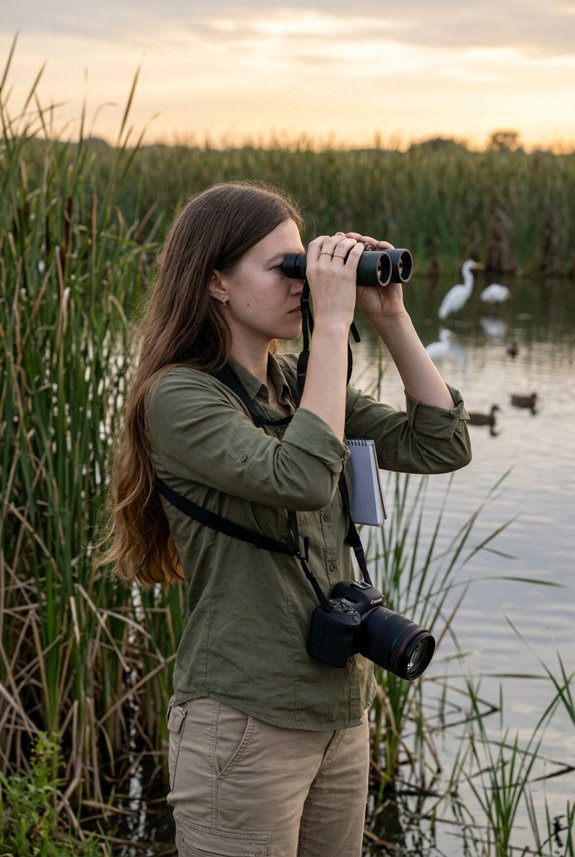
How you approach problems, interact with others, and find meaning in your work can point you toward ecology roles that’ll genuinely suit you, not just careers that sound appealing on paper.
CHOOSE THE RIGHT ECOLOGY CAREER PATH
Erzsebet Frey, MSc Ecology, founder of Simply Ecologist
“Working across NGOs, government contracts, and private consulting in Oman, Brazil, Germany, and Sri Lanka, the biggest predictor of career satisfaction I observed wasn’t salary — it was whether the work setting matched the person’s energy. Field ecologists who ended up behind desks became miserable within few months, regardless of pay.”
Academia, Government, NGO, or Private Sector: What’s the Difference?
| Sector | Stability | Pay | Daily Focus | Best For |
|---|---|---|---|---|
| Academia | Low–Medium | Low–Medium | Research, publishing, teaching | Those who love independent inquiry and mentoring |
| Government | High | Medium | Monitoring, regulation, policy | Those who want stability and public service |
| NGO | Low–Medium | Low–Medium | Field conservation, community outreach | Mission-driven, flexible, passionate about impact |
| Private Consulting | Medium–High | High | Client deliverables, compliance reports | Those who want higher pay and varied projects |
Academia
The Ecological Society of America profiles what daily work looks like in each sector. Academic culture values publishing research and teaching, though it often brings fixed-term contracts and uncertain job security.Government
Government roles offer stable salaries while focusing on monitoring, regulation, and policy.NGOs
NGOs combine field conservation with community outreach, though funding can be unpredictable.Private Consulting
The private sector, consultancies and industry, pays higher wages but moves faster, prioritizing client deliverables and compliance reports.Sector myths, like assuming government work is always slow or NGOs are always underfunded, can mislead you, so honest research into each path matters deeply.
What Does a Field Ecologist Actually Do Day to Day?
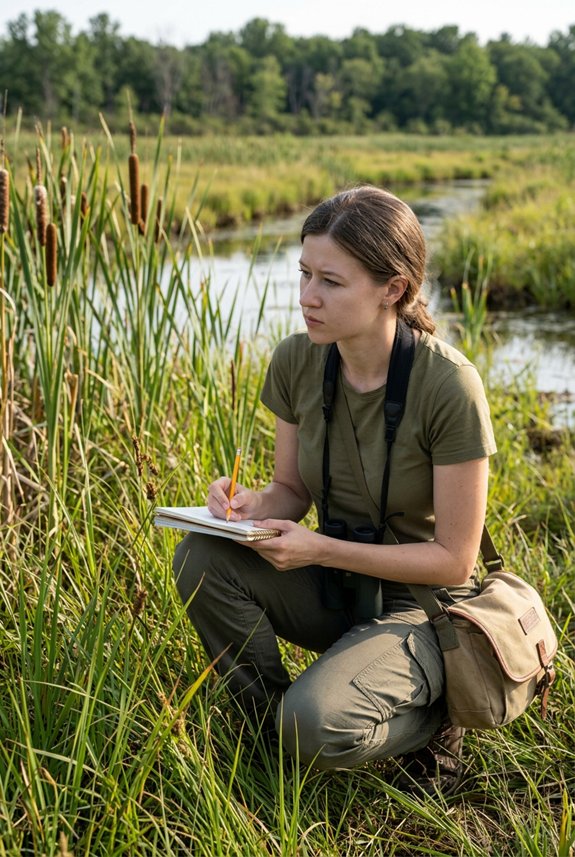
Understanding which sector fits you best is only part of the picture, it’s equally worth asking what a given role actually looks and feels like from one day to the next.
As a field ecologist, you spend most days outdoors, walking transects (set routes used to count or observe species), checking traps, and recording data on GPS devices or notebooks.
You work across wetlands, forests, and coastlines, following seasonal rhythms that shape when and where you survey. You also follow safety protocols to protect yourself in variable weather and remote conditions.
Back at the office, you enter data into databases and prepare reports that inform conservation decisions. You’ll coordinate with landowners, agencies, and volunteers, meaning strong communication matters just as much as scientific skill.
Restoration Ecology as a Career: What the Work Actually Looks Like
Restoration ecology asks you to work backward from damage, to look at a degraded wetland, a cleared forest, or a polluted brownfield (a former industrial site now contaminated or unused) and figure out how to bring it back to life.
You’ll assess sites, remove invasive species, reintroduce native plants, and restore water flow, while also writing plans, managing permits, and coordinating with landowners, agencies, and engineers.
Community science, engaging volunteers and local residents in monitoring and planting, often strengthens your projects considerably.
Some practitioners even pursue restoration entrepreneurship, building independent consultancies that serve private landowners or municipalities.
The work shifts between muddy boots and desk work, between quiet observation and active coordination.
It’s demanding, but if repairing damaged landscapes genuinely moves you, this path offers deeply meaningful, tangible results.
Marine Ecology Careers: What to Know Before You Specialize

From the open ocean to the quiet tidal flat where land and sea meet, marine ecology covers an enormous range of environments, coastal shallows, the deep pelagic zone (the open water far from shore), seafloor benthic habitats (the bottom sediments and the creatures living in them), and brackish estuaries (where freshwater rivers mix with saltwater).
Before you specialize, honestly assess whether you’re drawn to fieldwork, data modeling, coastal policy engagement, or public outreach through marine citizen science programs, where volunteers help collect real research data.
Roles span universities, government agencies, NGOs, and private consultancies, each demanding different skills: taxonomy, GIS, genetic analysis, or fisheries management.
Government and private sectors typically pay more than academia, so clarify your long-term goals research, applied conservation, or communication, before committing to a specialty.
Environmental Consulting: A Stable Ecology Career Path Worth Considering
If you’ve found yourself drawn to ecology but also want some financial stability and predictable career progression, environmental consulting is worth a serious look.
Consultants help developers and companies understand their environmental impact, preparing assessments and remediation plans required for permitting timelines the scheduled steps regulators need before approving a project.
Day to day work blends field surveys, report writing, and client communication, meaning you’ll regularly explain technical findings to non-specialists.
Entry-level roles like Assistant or Graduate Ecologist typically offer salaries between $56k–$78k, which is relatively steady compared to academia.
Staying aware of commercial bidding processes, how firms compete for contracts, and broader market trends, such as shifting sustainability regulations, helps you understand where demand is growing and how your skills remain relevant and competitive.
How Natural Resource Management Fits Into the Ecology Career Landscape
Environmental consulting isn’t the only stable path that blends fieldwork with meaningful impact. natural resource management offers a similarly grounded option, one that centers on protecting and sustainably using ecosystems over the long term.
In this role, you’d monitor wildlife, assess habitats, and coordinate with communities around community stewardship, meaning shared responsibility for caring for local land and water.
You’d also work within frameworks of policy integration, weaving environmental regulations into practical decisions about land use and resource access.
Employers range from government agencies to NGOs and private firms, with government positions offering strong job security.
Entry typically requires a biology or ecology degree, field experience, and skills in mapping and data analysis, tools that help you translate observations into thoughtful, lasting management plans.
Park Naturalist Careers: Who They’re Best Suited For
Park naturalist work grows out of a genuine love for both the natural world and the people you share it with, and if that combination speaks to you, this path is worth thinking through carefully.
You’ll thrive here if you enjoy interpretive storytelling. using narrative and observation to make ecology meaningful for visitors of all backgrounds.
This role suits you if outdoor fieldwork across forests, wetlands, or coastlines feels energizing rather than draining, and if you can identify local plants, animals, and ecosystems with confidence.
Seasonal volunteerism, where you try short-term roles in parks before committing fully, helps you test that fit honestly.
You’ll also need comfort translating complex science into plain, welcoming language. because your daily work is rooted in community connection, not laboratory research.
Why Data Skills Make You a Stronger Ecology Candidate

Picture yourself applying for an ecology position you genuinely want, and then consider that the candidate hired alongside you likely knew how to work with data in ways that made their findings clear, defensible, and useful. See our full guide to the most in-demand ecology skills.
Data literacy. meaning your ability to collect, clean, analyze, and communicate ecological information confidently, matters deeply across every sector. Employers consistently list proficiency in tools like R or Python as essential, and senior roles often require statistical modeling experience.
Reproducible workflows, which are organized, repeatable processes that others can follow and verify, signal professional reliability. When you’re able to move from raw field observations to polished visualizations, you become genuinely versatile.
Strong data skills don’t limit your path; they quietly open more doors than almost any other competency you can develop.
What Education Level Does Your Ecology Career Path Require?
Data skills sharpen your profile considerably, and yet they work best when they’re paired with the right educational foundation. because ecology employers read your degree level as a signal of how much responsibility you’re ready to carry.
Think of degree tiers, meaning the ladder from bachelor’s to master’s to PhD, as thresholds that release different roles. A bachelor’s degree typically opens entry-level field and technician positions, while a master’s degree signals readiness for specialized or project-leading work. Academic research careers almost always require a PhD.
Skill bridges, targeted certificates, GIS training, or lab competencies can strengthen your candidacy between degree levels, but they rarely replace formal credentials entirely. Knowing which tier aligns with your goals helps you plan your path with clarity and quiet confidence.
Salary and Job Stability Across Ecology Career Paths
Once you’ve figured out which degree level fits your goals, it’s worth turning your attention to another practical reality: salary and job stability vary quite a bit depending on where you work and what role you hold. Government and private consulting positions generally offer stronger salary stability and permanent contracts, while academic and nonprofit roles often carry contract risk, meaning your position may end when funding runs out.
In the UK, entry-level ecologists earn around £22,000, rising beyond £45,000 with experience; in the US, the average sits near $60,855 annually (BLS). Senior roles in local government or large consultancies can reach $90,000–$110,000.
Building skills like GIS, project management, and field certifications genuinely improves your chances of landing better-paid, more secure positions over time. Read our guide on how to get ecology experience to start building your portfolio.
| Sector | Entry-Level | Mid-Career | Senior | Contract Security |
|---|---|---|---|---|
| Academia | $38,000–$52,000 | $55,000–$75,000 | $80,000–$110,000 | Low (fixed-term) |
| Government | $42,000–$58,000 | $60,000–$82,000 | $85,000–$110,000 | High (permanent) |
| NGO | $35,000–$50,000 | $50,000–$68,000 | $65,000–$85,000 | Medium (grant-dependent) |
| Private Consulting | $48,000–$65,000 | $70,000–$95,000 | $90,000–$130,000 | Medium–High |
Work-Life Balance Differences Across Ecology Career Paths
Salary and job stability matter, but so does how a career actually feels to live, and in ecology, work-life balance often shifts dramatically depending on the role you choose.
Field and restoration ecologists frequently face long days, unpredictable weather, and remote seasons, meaning months spent away from home during surveys or breeding periods. Office-based roles, like environmental consulting or data analysis, more often offer regular hours and flexible, remote work.
Government positions tend to provide stronger parental leave and family-friendly policies, making long-term life planning more manageable. Academic roles, by contrast, often involve short contracts and frequent relocation, which complicates family decisions considerably.
As you weigh your options, consider not just what the work involves, but how it fits into the life you actually want to build.
How to Get Ecology Experience Before You Graduate
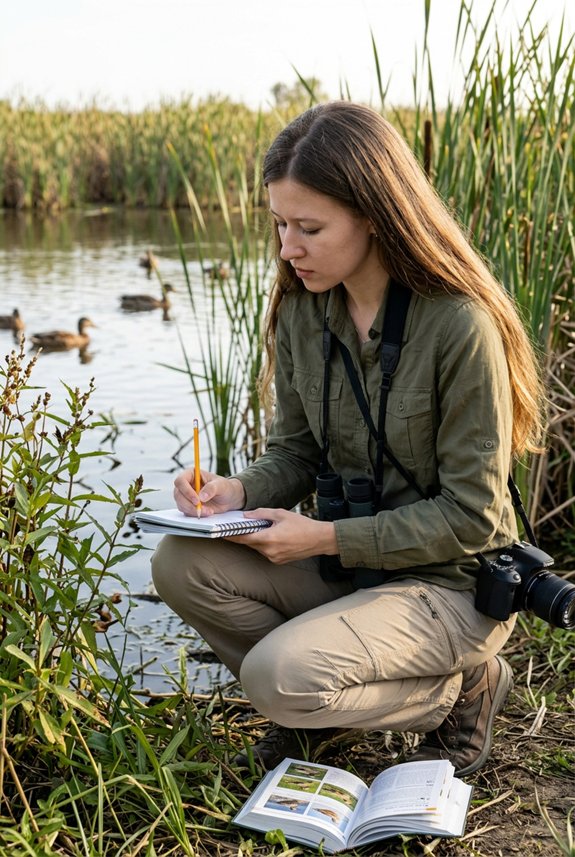
Starting early makes all the difference when you’re building an ecology career, and the good news is that meaningful experience is more accessible than it might seem.
Pursue paid internships through programs like USGS or Conservation Corps, where you’ll practice species identification, survey techniques, and equipment maintenance, skills that make you genuinely useful in the field.
Log over 100 hours of fieldwork or lab work through courses and citizen-science projects, since competitive entry-level roles expect this foundation.
Volunteer with NGOs or restoration crews on tasks like volunteer mapping, invasive species removal, and habitat monitoring, and collect supervisor contacts for strong reference letters.
Join the Ecological Society of America, apply for student travel grants, and build a portfolio with GIS maps and R scripts that demonstrate real, applied ability.
Why Internships Are the Fastest Way to Test Ecology Career Fit
Internships cut through the guesswork by placing you directly inside the work, whether that’s conducting species surveys (counting and identifying plants or animals in a specific area), delineating wetlands (mapping the boundaries of protected marshy land), or carrying out restoration planting in variable weather and remote terrain.
These hands-on trials close the gap between expectation and reality faster than any classroom can, showing you whether long outdoor days, report writing, or stakeholder communication genuinely suit you. You’ll also work inside real employer settings, consultancies, government agencies, NGOs, comparing daily duties, salary ranges, and workplace cultures side by side.
Beyond testing fit, internships build practical skills like GIS mapping and vegetation identification, expand your professional network, and sometimes lead directly to paid roles, making them one of the most efficient early investments in your ecology career.
Finding Ecology Mentors Outside the Traditional Faculty Path

Mentors often shape careers in ways that no textbook or classroom can replicate, and the good news is that ecology’s most useful guides frequently work outside universities entirely.
Professional societies like the Ecological Society of America offer structured mentor matches, connecting you with practitioners across government, NGOs, and consulting firms. These community mentors, people actively working in your areas of interest, can clarify what daily work actually looks like and which skills genuinely matter.
Try sector shadowing, meaning you observe professionals in different work environments, through internships with restoration groups or agencies like USGS. Attend conferences, follow up after small conversations, and reach out to job postings with thoughtful, specific messages. Each interaction, however brief, can quietly open a pathway you hadn’t yet considered.
The Technical and Soft Skills Ecology Employers Actually Screen For
Once you’ve built a network of mentors and gathered a clearer sense of which work environments appeal to you, the next practical question becomes concrete: what specific skills are employers actually screening for when they review your CV or sit across from you in an interview?
Employers typically evaluate seven categories, creativity, quantitative skills, field and lab techniques, administration, communication, teaching, and interpersonal skills, and their screening priorities shift depending on the role.
Researcher positions weight statistics, GIS, and coding heavily, while field technician roles demand documented survey experience and certifications.
Consultant and manager positions look for strong communication and report-writing as skill evidence.
Teaching and creativity matter most for educators and senior roles.
Knowing which categories apply to your target position helps you build and present the right evidence deliberately.
Which Ecology Career Assessment Tools Are Worth Your Time?

Knowing which skills matter is only half the work, you also need tools that help you match those skills to real roles, and the good news is that several practical resources exist to do exactly that.
Start with the Ecologists Career Compass, a free card game comparing 33 real sector-and-position combinations across seven skill categories, making career mapping feel concrete rather than abstract.
Then explore Conservation Careers Academy‘s database of 30,000+ jobs, podcasts, and interviews for skills validation—confirming that your strengths align with what employers actually post.
Consult the Bureau of Labor Statistics Occupational Outlook Handbook for reliable wage data and job outlooks.
Finally, complete a SWOC template, identifying your strengths, weaknesses, opportunities, and challenges, alongside ESA’s role taxonomy to locate your best-fit ecology track.
Which Ecology Professional Organizations Are Actually Worth Joining?
Professional organizations often serve as the quiet backbone of a successful ecology career, connecting you to job listings, mentors, credentials, and communities that you simply can’t replicate on your own.
Professional societies like the Ecological Society of America offer journal access, travel grants, and annual meetings where meaningful mentoring happens naturally.
If conservation draws you, the Society for Conservation Biology provides regional chapters and policy resources tailored to restoration and NGO work.
Membership benefits vary by focus applied careers gain recognized credentials through groups like CIEEM, while niche fields benefit from specialized organizations like the Society for Freshwater Science.
Choose memberships that align with your actual career direction, because thoughtful participation in even one well-matched organization can quietly open doors you didn’t know existed.
How to Build a Network That Opens Ecology Career Opportunities
Building a network in ecology isn’t about collecting contacts, it’s about cultivating real relationships that grow alongside your career.
Start by joining professional societies like the Ecological Society of America if you are in USA, where conferences, mentoring programs, and working groups connect you with people across every sector. Present a poster or talk at meetings, because small conversations there often lead to internships or collaborations.
Expand your peer circles, meaning groups of colleagues at similar career stages, by engaging on platforms like ECOLOG-L and attending regional workshops.
Schedule virtual coffees, brief online video chats, with researchers or practitioners whose work interests you, since these low-pressure conversations build genuine rapport over time.
Keep your online profiles current so others can easily find and reach you.
Signs You’re Pursuing the Wrong Ecology Career Path
Sometimes the clearest sign that a career path isn’t right for you isn’t a single dramatic moment it’s a quiet pattern you keep noticing over time. If you dread core tasks, like fieldwork or leading restoration projects, despite having proper training, that persistent avoidance signals a career mismatch worth examining honestly.
When chronic self-doubt pairs with constant job instability, your mental health often bears the cost quietly. If your daily work centers on paperwork and compliance rather than the skills you genuinely value, you’re likely drifting from your strengths.
Stagnant growth, lower than expected pay, and dissatisfaction that lingers despite effort are practical signals too. Recognizing these patterns early lets you practice healthy boundary setting protecting your wellbeing and begin planning a thoughtful role pivot toward work that actually fits you.
Your First Concrete Step Toward the Right Ecology Career
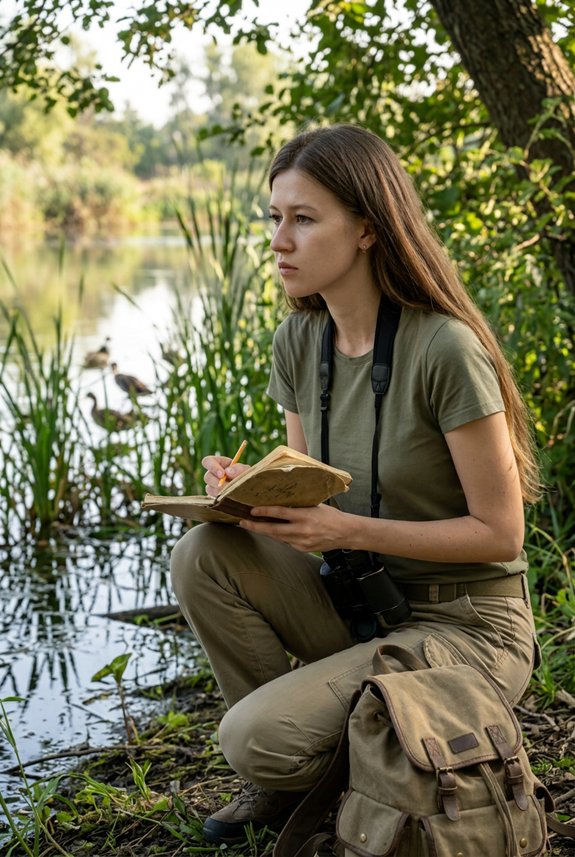
Once you’ve recognized the signs of a poor career fit, the most useful move is to narrow your focus to one or two specific ecology tracks, such as Field Ecologist, Restoration Ecologist, or Environmental Consultant and write out the core daily tasks each role actually involves, because understanding what you’d do on a Tuesday morning matters far more than a job title alone.
From there, check what qualifications each path requires, since many entry roles accept a BSc while senior positions need advanced degrees.
Set clear volunteering timelines, aim to secure fieldwork or an internship within six to twelve months so experience builds steadily alongside your studies.
Also identify two or three skill microcredentials, meaning short targeted courses in GIS or species surveying, that directly strengthen your weakest areas.
Frequently Asked Questions
What Are 5 Potential Jobs for Ecology?
You’ll find five potential ecology jobs: Field Ecologist, Conservation Biologist, Restoration Ecologist, Marine Biologist, and Environmental Consultant. Each path lets you apply your passion for nature in unique, rewarding ways.
What Career Is Gen Z Most Interested In?
Gen Z’s most interested in Restoration Ecology and Environmental Consulting, where you’ll blend sustainable entrepreneurship with hands-on impact. You’ll also find digital conservation roles in data science and marine biology increasingly drawing your generation’s passion.
Are Ecologists in Demand Right Now?
Yes, ecologists are in demand! You’ll find strong opportunities in climate adaptation, biodiversity policy, restoration, and data modeling. Government and consulting sectors especially need your skills, with growth projected through 2032.
Is Ecology Harder Than Chemistry?
Neither’s harder, it depends on your strengths. Ecology challenges you with field methods and systems thinking, while chemistry demands lab analysis and math precision. You’ll find whichever aligns less with your skills feels harder.

Erzsebet Frey (Eli Frey) is an ecologist and online entrepreneur with a Master of Science in Ecology from the University of Belgrade. Originally from Serbia, she has lived in Sri Lanka since 2017. Eli has worked internationally in countries like Oman, Brazil, Germany, and Sri Lanka. In 2018, she expanded into SEO and blogging, completing courses from UC Davis and Edinburgh. Eli has founded multiple websites focused on biology, ecology, environmental science, sustainable and simple living, and outdoor activities. She enjoys creating nature and simple living videos on YouTube and participates in speleology, diving, and hiking.
For your next application
Keep applying and hearing nothing back?
The Biology Job Application Kit shows you which stage of your applications is failing and how to fix it. 46 guides, 22 editable templates, an application tracker and an ATS CV Creator licence.
See the Job Application Kit