
The coyote is the most successful large predator in North America, and it got there by doing the opposite of what wolves did. Wolves needed wilderness and lost. Coyotes took the farmland, the suburbs and eventually the middle of Chicago, and in a hundred years went from a Great Plains animal to one that reached the Panama Canal and is now at the edge of South America. There is no other large carnivore anywhere that has expanded its range while people were actively trying to exterminate it.
I am a wildlife biologist with an MSc in ecology. Every figure on this page comes from a published study or a wildlife agency, and where the popular claim and the data disagree, I have given the data and said so.
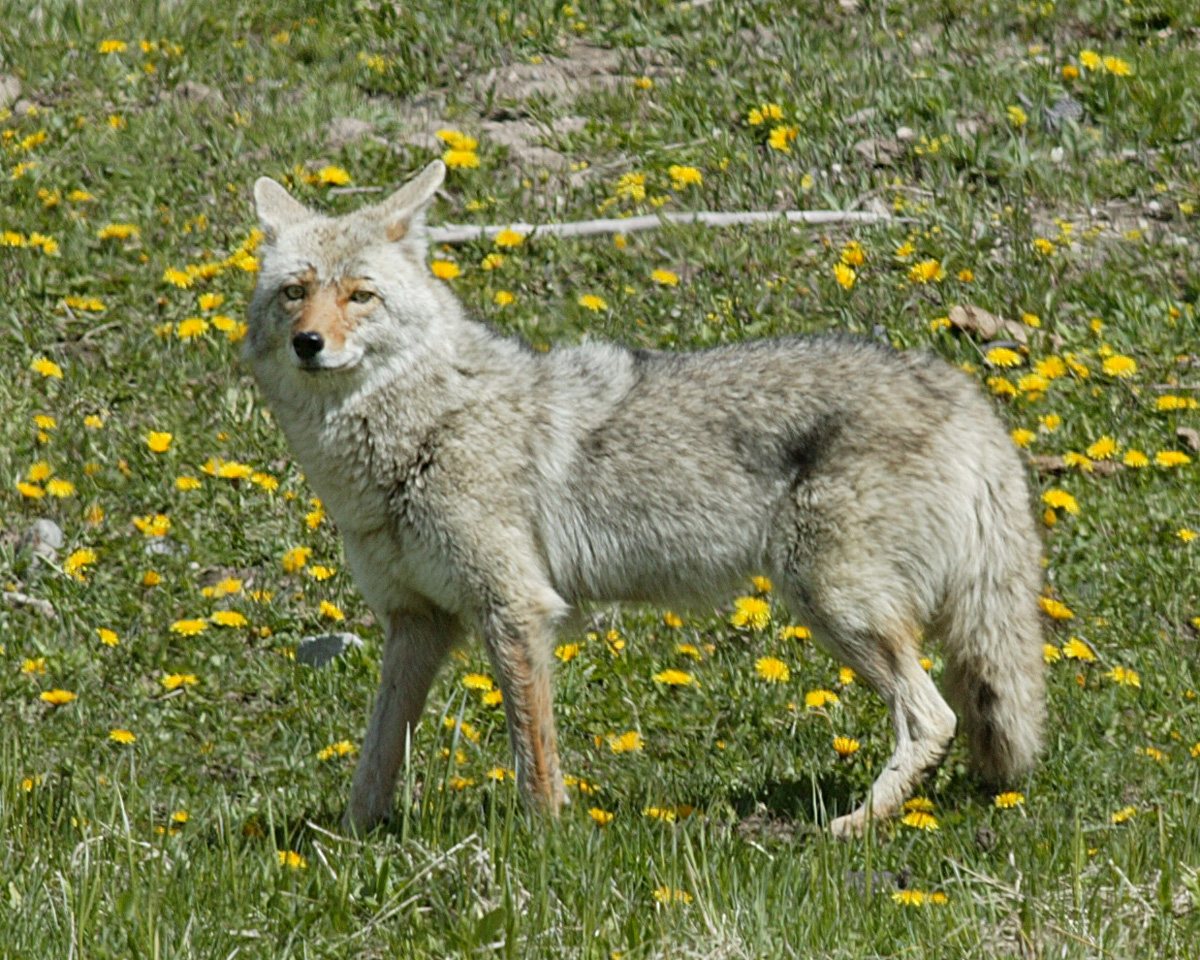
Coyote at a glance
| Scientific name | Canis latrans (Say, 1823) |
| Family | Canidae |
| Subspecies | 19 traditionally recognised, though the boundaries are blurred by hybridisation |
| Weight | Western animals roughly 8 to 14 kg, eastern animals 13 to 20 kg |
| Shoulder height | Around 58 to 66 cm |
| Range | Alaska to Panama, coast to coast, expanding still |
| Diet | Opportunistic omnivore, mainly small rodents, deer as carrion, fruit |
| Litter size | Four to seven pups, rising when the population is under pressure |
| Lifespan | Rarely past 3 or 4 years in the wild, up to 14 recorded |
| IUCN status | Least Concern, increasing |
How coyotes took a continent
Hody and Kays compiled more than 12,500 records covering the last 10,000 years, from fossils to museum specimens to state game department files, and mapped the expansion year by year. Their findings correct the story most people know:
- The historic range was larger than the textbook version. Coyotes were not confined to the central deserts and grasslands. They had been in parts of the east for hundreds or thousands of years.
- The modern expansion began around 1920.
- They crossed the Panama Canal by 2010, and camera traps have since recorded them approaching the Darien Gap, the last barrier before South America.
- The drivers were human made: agriculture opening forest, forest fragmentation, the removal of wolves and cougars, and hybridisation that produced animals better suited to eastern woodland.
That last point matters more than anything else on this page. We built the coyote’s habitat for it, then removed its only serious competitor. The wolf’s absence is not incidental to the coyote’s success, it is the main cause of it. Where wolves have returned, in Yellowstone most visibly, coyote numbers have fallen and coyotes have shifted their behaviour.
Eastern coyotes, and why they are bigger
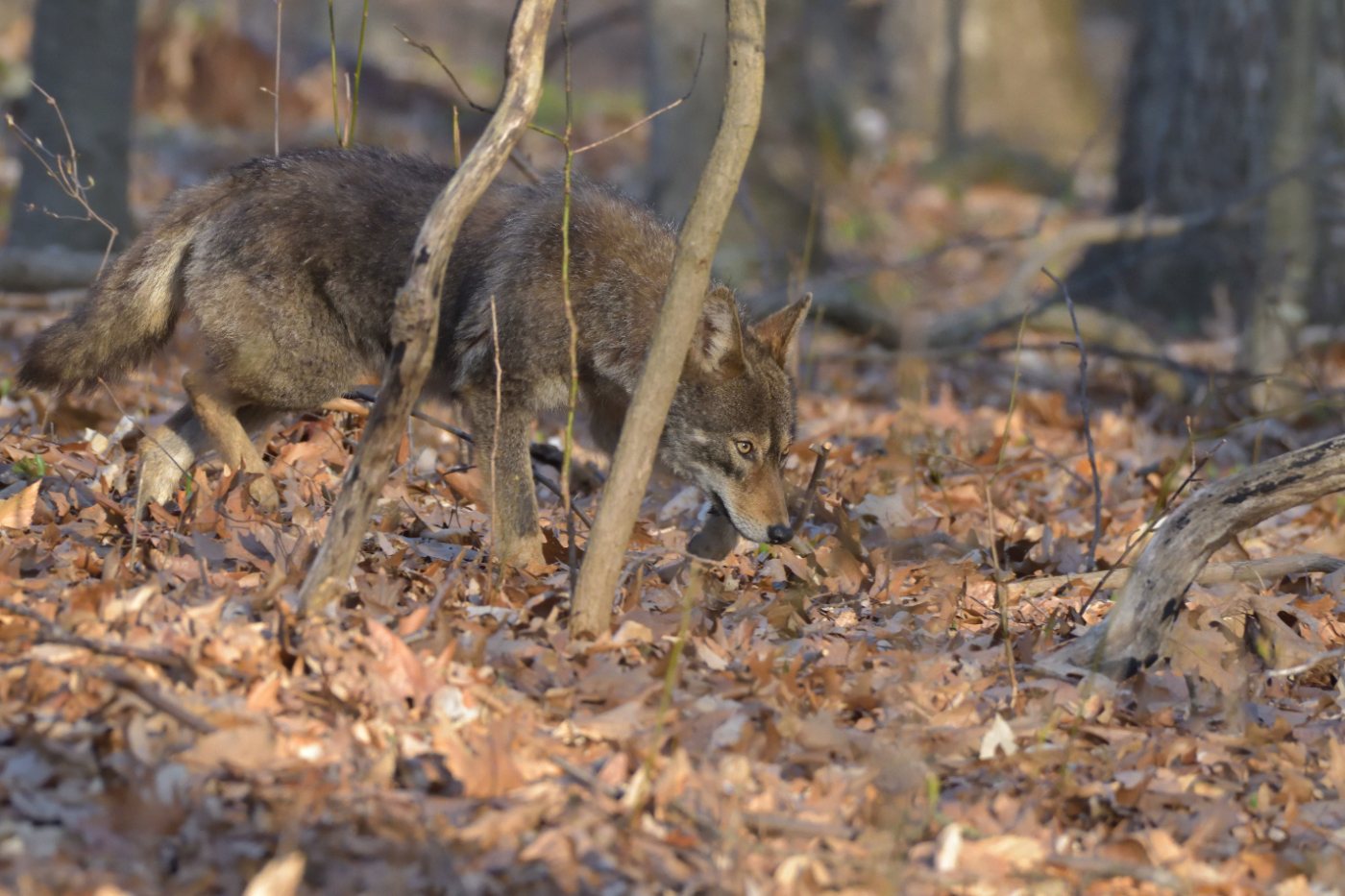
An eastern coyote is a noticeably different animal from a western one: heavier, longer legged, broader in the skull, with a wider range of coat colours. This is not adaptation over a century, it is ancestry.
Javier Monzón’s genetic analysis of 437 eastern coyotes put the average composition at:
- 64 percent coyote (Canis latrans)
- 13 percent grey wolf (Canis lupus)
- 13 percent eastern wolf (Canis lycaon)
- 10 percent domestic dog (Canis familiaris)
As coyotes moved east through the Great Lakes region in the early twentieth century they met the remnants of wolf populations that were too sparse to find mates of their own kind, and interbred. Roughly a quarter wolf ancestry is what makes an eastern coyote big enough to take adult deer, which western coyotes rarely do.
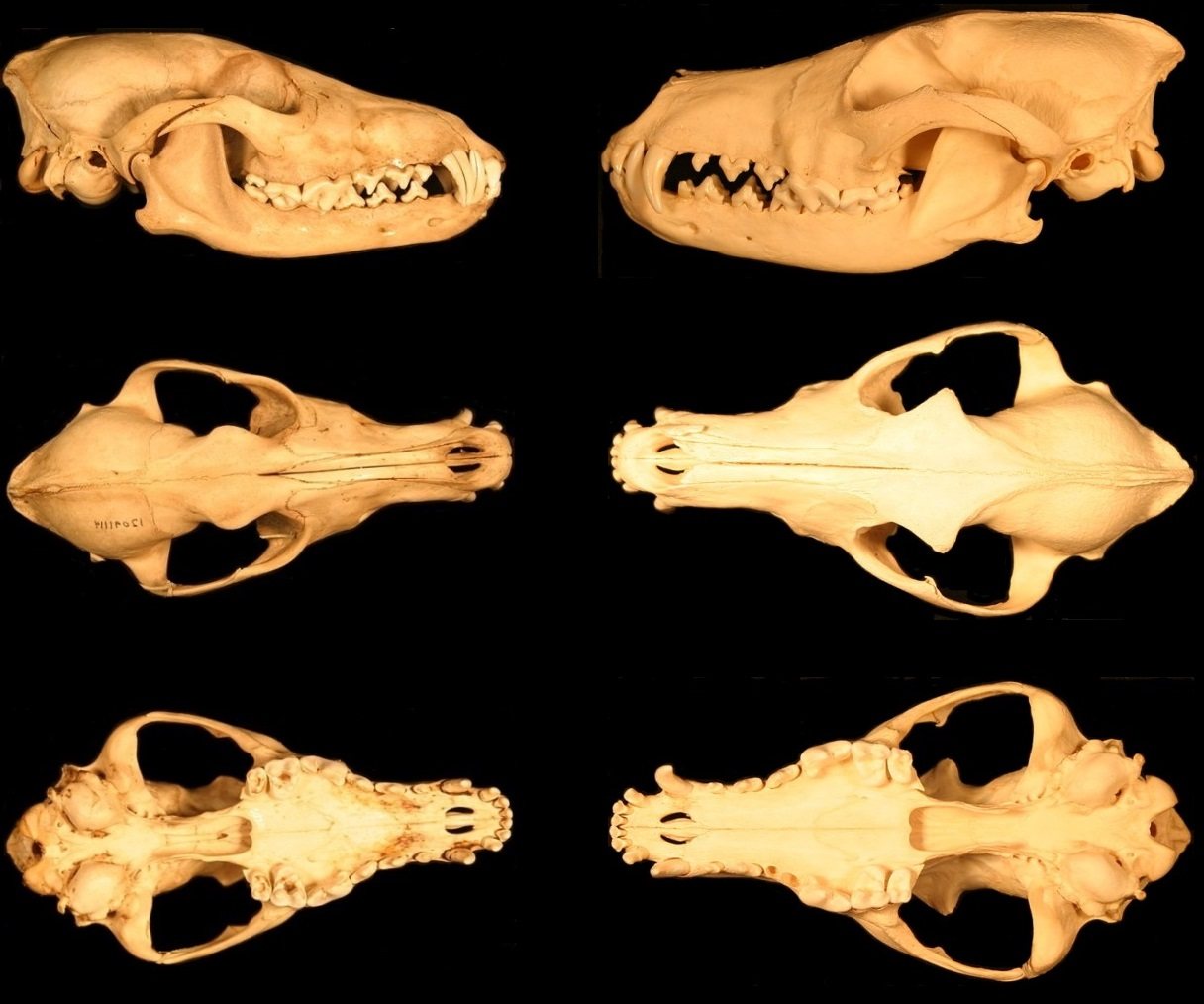
On the name: coywolf is a media word, not a scientific one. Biologists say eastern coyote, and some argue it should be recognised as a species in its own right. Either way it is not a fifty fifty hybrid and never was. My side by side comparison is in eastern coyote versus western coyote.
What coyotes look like
Coyote coats run through grizzled grey, tan, buff, reddish brown, almost blonde in desert animals and near black in some eastern ones. Desert coyotes are paler and smaller, mountain and northern coyotes darker and heavier, which follows the ordinary rules that govern colour and size in widespread mammals. Black coyotes exist and are almost always carrying a dog derived melanism gene, another trace of the hybridisation that built the eastern population. The full range with photographs is in what colours are coyotes.
The reliable field marks, when you are trying to tell what you just saw:
- The tail is carried down when trotting. A dog carries its tail up or level, a wolf carries it straight out. This is the single most useful clue at distance.
- Narrow, pointed muzzle and large ears in proportion to the head. Wolves have blunter muzzles and proportionally smaller ears.
- Legs look long for the body, and the animal looks lighter than it is because of the fur.
- Yellow eyes in adults.
I take the three way comparison apart in coyote versus wolf versus fox, and the one people most often get wrong, a coyote against a loose dog, in coyote versus dog differences.
What coyotes actually eat
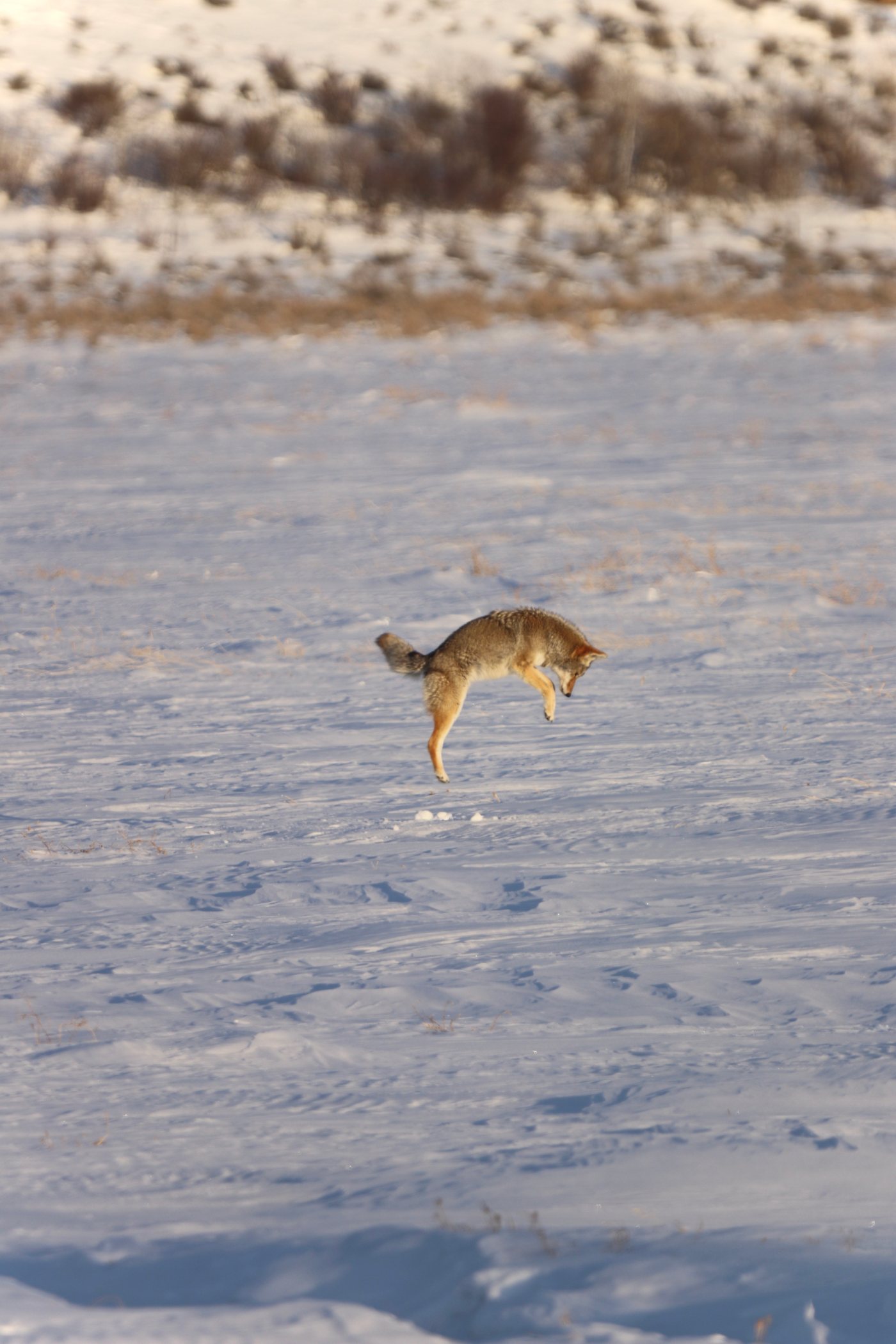
This is where the gap between belief and evidence is widest, and there is a large study that settles it. The Cook County urban coyote project analysed 1,429 coyote scats collected around Chicago between 2000 and 2002. Frequency of occurrence:
| Food item | Percent of scats |
|---|---|
| Small rodents | 41.8 |
| Fruit | 22.7 |
| White tailed deer (mostly carrion) | 22.0 |
| Eastern cottontail | 17.7 |
| Birds | 13.1 |
| Raccoon | 8.5 |
| Human food and rubbish | 1.9 |
| Domestic cat | 1.3 |
Cats appeared in 1.3 percent of scats, in a metropolitan area of nine million people with an enormous free roaming cat population. Rubbish appeared in under 2 percent. The picture of urban coyotes as bin raiders living on pets is simply wrong: they are eating voles and mice in city parks, and the fruit figure being higher than the deer figure surprises most people.
That does not mean no cat is ever taken. It means the risk is far smaller than the fear, and that coyotes are doing a large amount of free rodent control in exchange. The site’s detail on hunting range and scent is in how far away can a coyote smell a cat.
Territory, dens and family life
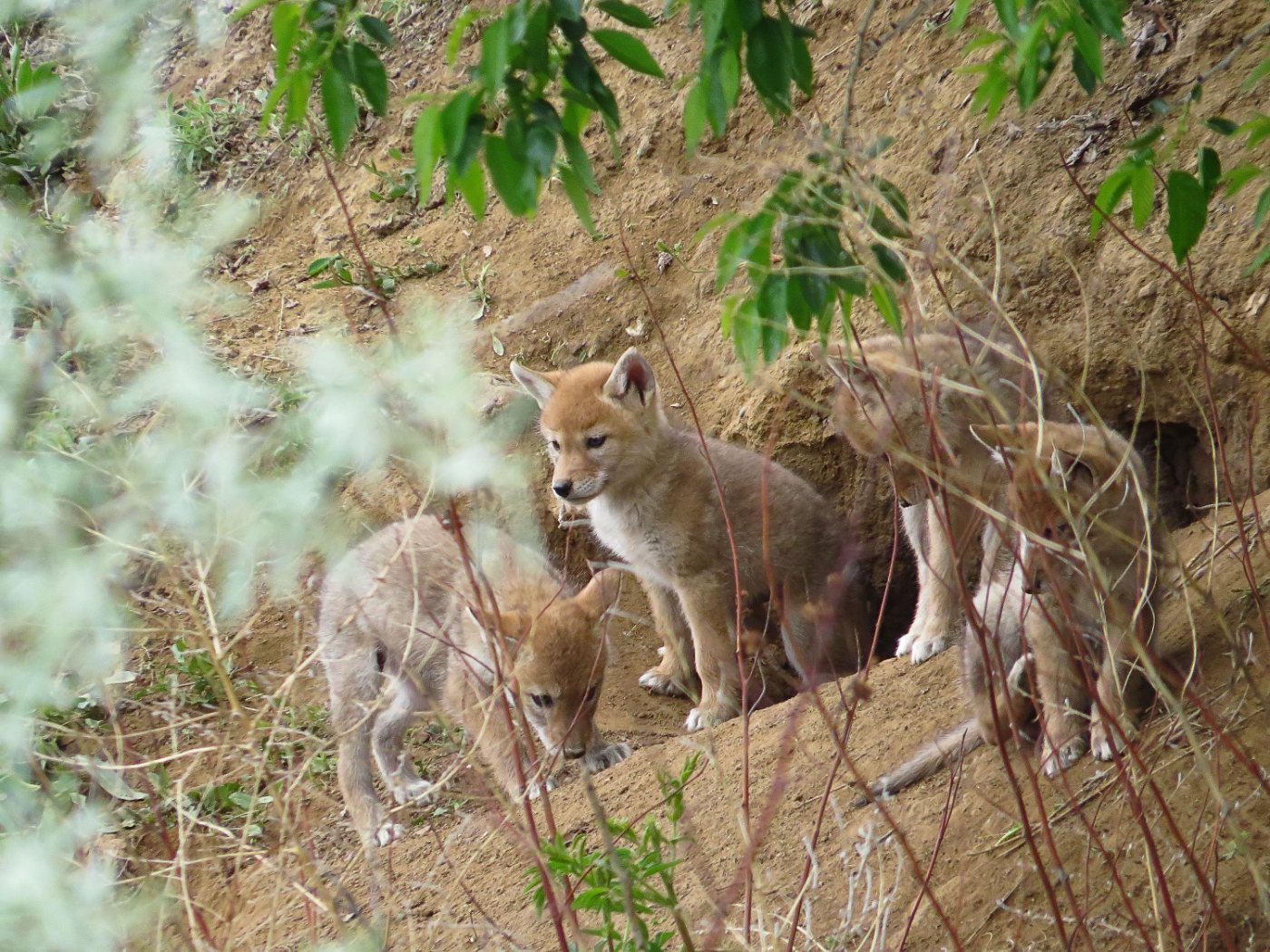
Coyotes are usually described as solitary, which is only half right. The basic unit is a bonded pair holding a territory, often for life, sometimes with grown offspring staying on as helpers. Alongside the residents there is a floating population of solitary transients that hold no territory and take up vacancies when they appear. That transient pool is the reason lethal control does not work, and I come back to it below.
- Territory size ranges from a few square kilometres in cities with rich food to more than 50 in poor country.
- Dens are dug into banks, or taken over from badgers and foxes and enlarged. A litter is often moved between several dens.
- Pups are born in spring, four to seven in a litter, and both parents feed them.
- Urban coyotes are more nocturnal than rural ones. This is a behavioural shift to avoid people, not a change in the animal.
More on den sites and habitat selection in where do coyotes live.
Why a few coyotes sound like a dozen
A pair of coyotes howling and yipping together produces a chorus that most listeners hear as six or eight animals. The effect is well known enough to have a name, the beau geste effect, and it is thought to be deliberate: a small group advertises itself as a large one, and neighbours keep their distance without anyone having to fight. It also means that estimating local coyote numbers by ear will always overshoot.
Jumping, fences and getting into places
A coyote can clear a fence of around 1.8 m (6 ft) from a standing start, and get over considerably higher ones by jumping partway and scrambling with the hind legs, which is closer to climbing than jumping. Chain link is the easiest of all because the mesh gives purchase. This is the practical fact behind most failed attempts to fence coyotes out of a garden or a livestock enclosure.
What actually works is a fence of at least 1.8 m with a roller bar or an outward angled extension at the top, and a buried apron or an L footer, because coyotes dig at least as readily as they jump. Half measures on either the top or the bottom mean the fence does nothing. The detail is in how high can a coyote jump.
What coyotes are afraid of, and what they are not
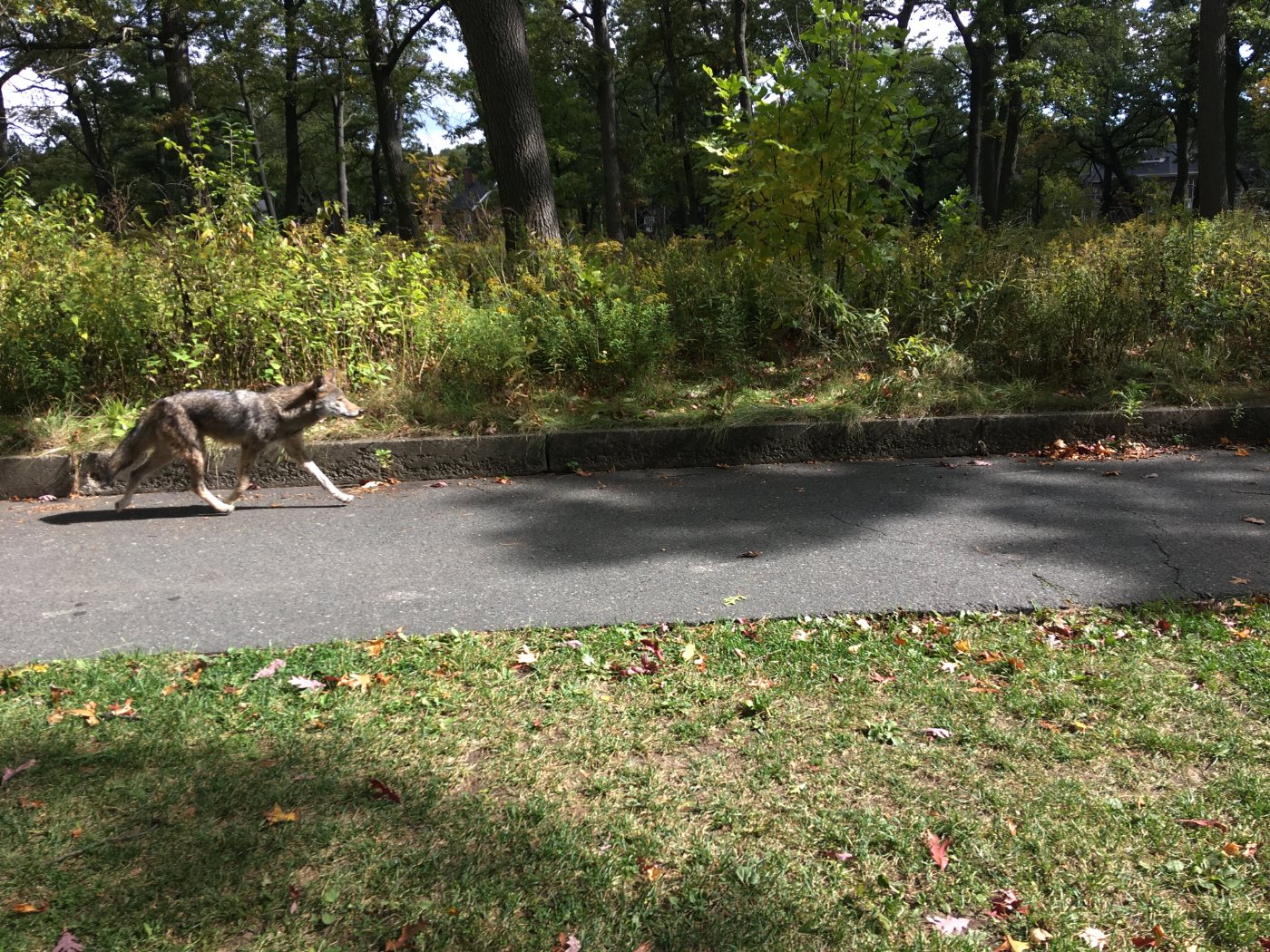
A wild coyote that has not been fed is wary of people and will leave when challenged. A coyote that has learned people mean food is a different animal, and that learning is the single variable that predicts trouble.
Baker’s review of coyote attacks on people across the United States and Canada from 1977 to 2015 documented 367 attacks. Of the victims whose age was recorded, 139 were children under about ten, which is 40 percent. There have been two fatalities in that entire period: a three year old girl in Glendale, California in 1981, and a nineteen year old woman in Cape Breton Highlands National Park, Nova Scotia in 2009.
Two attacks with fatal outcome in almost forty years, on a continent where coyotes live in essentially every city, is an extraordinarily low figure. But the same review found food conditioning implicated in 100 percent of the urban Canadian attacks it examined, and deliberate or accidental feeding in at least 30 percent of attacks in another study, with the authors suspecting the true share is higher.
So the honest summary is: coyotes are close to harmless to adults, present a small but real risk to unattended small children and to pets, and that risk is almost entirely created by people feeding them, deliberately or by leaving food out. Hazing, which means making yourself loud and large every single time rather than ignoring the animal, is what maintains the wariness. What works and what does not is in what are coyotes afraid of.
Why killing coyotes does not reduce coyote numbers
This is the most counterintuitive thing about coyotes and it is well supported.
Kilgo and colleagues removed 474 coyotes over three years from three trapping areas in South Carolina, achieving an estimated 75 percent short term reduction in coyote numbers across the study area. The population recovered quickly, and the deer recruitment benefit the removal was intended to produce largely failed to materialise. The authors concluded that coyote control alone is not a feasible solution.
Three mechanisms explain that result:
- Compensatory immigration. Removing residents opens a territory, and the floating transient population fills it within weeks.
- Compensatory reproduction. When density drops, litter sizes rise and a higher proportion of females breed, because the social suppression that normally limits breeding is relaxed.
- Earlier breeding. Young females that would not otherwise breed do so when territories are available.
The practical consequence is that a landowner who shoots coyotes every year is not reducing the local population, they are keeping it young, mobile and breeding at maximum rate. Removing a specific problem animal is a different and often justified action. Blanket culling as a population strategy is a treadmill, and the evidence on that has been consistent for decades.
What eats a coyote
Adult coyotes have few natural predators, and the ones they have are the animals whose absence let them spread:
- Grey wolves kill coyotes, and not usually to eat them. Wolves suppress coyotes through direct killing and by excluding them from territory. Coyote numbers dropped substantially in Yellowstone after wolves returned in 1995.
- Cougars kill coyotes at carcasses and occasionally as prey.
- Bears displace coyotes from carrion rather than hunting them.
- Golden eagles take pups.
- People account for the great majority of coyote deaths across most of the range.
Against smaller carnivores the coyote is usually the winner. It outweighs a bobcat by a modest margin but hunts in pairs, which is the difference. The comparison is in bobcat versus coyote and the fuller list in what eats coyotes.
How many kinds of coyote are there
Nineteen subspecies are traditionally recognised, described largely from skull measurements and coat colour in the early twentieth century. They are worth knowing about, and worth treating carefully, because two things have happened since those descriptions were written.
First, the coyote’s range roughly doubled, so populations that were separate are now continuous and interbreeding. Second, hybridisation with wolves and dogs in the east created animals that no early subspecies description anticipated. The eastern coyote is not on the classical list at all, because it did not exist when the list was made.
The practical way to think about coyote variation is by region rather than by subspecies name: small pale desert animals in the southwest, mid sized grizzled animals across the plains, larger darker animals in the northern mountains, and the big wolf influenced animals of the northeast. That is a cline, not a set of boxes. The named subspecies are covered in different types of coyotes.
Common questions about coyotes
Are coyotes dangerous to people?
Very rarely. 367 attacks were documented across the United States and Canada between 1977 and 2015, with two deaths in that whole period. Children under ten account for about 40 percent of victims, and food conditioning is implicated in nearly all urban cases.
Do coyotes eat cats?
Sometimes, but far less than people assume. Cats appeared in 1.3 percent of 1,429 coyote scats analysed around Chicago. Small rodents appeared in 41.8 percent.
Is a coywolf a real animal?
The animal is real, the name is journalism. Eastern coyotes average about 64 percent coyote, 26 percent wolf and 10 percent dog. Biologists call them eastern coyotes.
How high can a coyote jump?
About 1.8 m from standing, and higher with a scramble. A fence stops coyotes only if it is high, topped with a roller or outward extension, and buried at the base.
Why do coyotes howl at night?
To advertise territory and to keep contact with family members. A pair can sound like six or more, an effect that makes small groups seem far larger than they are.
Do coyotes hunt in packs?
Mostly alone or in pairs for small prey. Family groups cooperate on larger prey such as deer, which is more common in the east where the animals are bigger.
How long do coyotes live?
Most wild coyotes do not reach four. Individuals of 13 or 14 have been recorded, and urban animals often live longer than rural ones because nobody is shooting at them.
Everything on this site about coyotes
- What colours are coyotes
- What are coyotes afraid of
- Different types of coyotes
- Where do coyotes live, dens and habitat
- Eastern coyote versus western coyote
- Coyote versus dog differences
- Coyote versus wolf versus fox
- Bobcat versus coyote
- How high can a coyote jump
- How far away can a coyote smell a cat
- What eats coyotes
Coyotes are one of the dog family. The animal that shaped them most is covered in full at wolves, and the wider picture starts from mammals.
Sources
- Hody, J. W. and Kays, R. (2018). Mapping the expansion of coyotes across North and Central America. ZooKeys 759: 81 to 97.
- Monzón, J., Kays, R. and Dykhuizen, D. E. (2014). Assessment of coyote, wolf and dog admixture using ancestry informative diagnostic SNPs. Molecular Ecology 23: 182 to 197.
- Morey, P. S., Gese, E. M. and Gehrt, S. D. Spatial and temporal variation in the diet of coyotes in the Chicago metropolitan area. American Midland Naturalist.
- Kilgo, J. C. et al. (2017). Effect of compensatory immigration on the genetic structure and effectiveness of coyote removal. Journal of Wildlife Management.
- Baker, R. O. Coyote attacks on humans, 1970 to 2015: implications for reducing the risk. Proceedings of the Vertebrate Pest Conference.
- Urban Coyote Research Project, Cook County, Illinois.
- IUCN Red List assessment for Canis latrans.
From the shop
Gifts for people who love the wild
Wildlife themed t-shirts, notebooks, tote bags, bandanas and guides, designed by an ecologist.
Visit the shop