Exploring the Impressive Size of Hippo Teeth
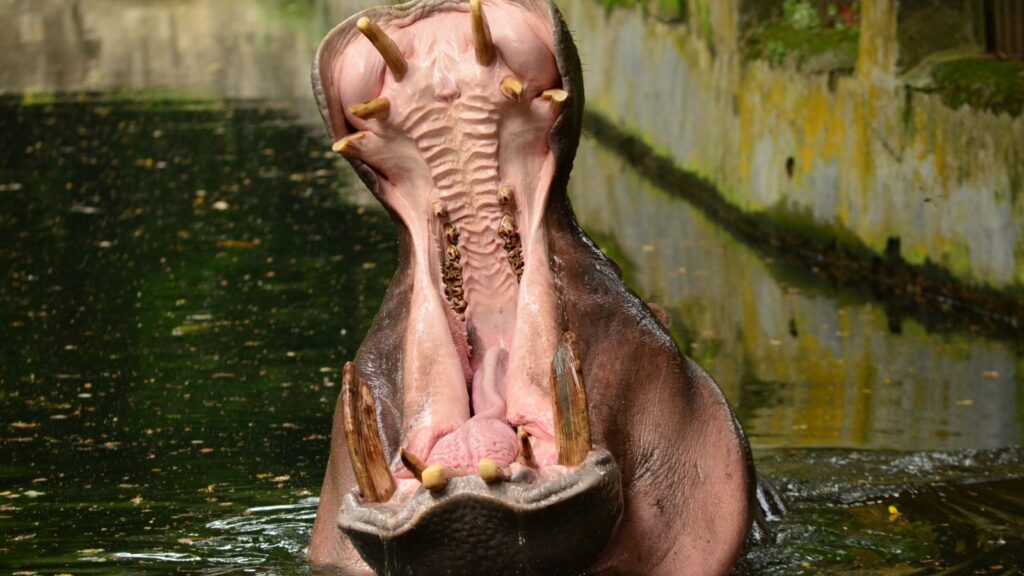
Massive hippo teeth can reach astonishing lengths, but their true power lies beyond size. Discover the surprising facts that…
Mammals, a diverse group of warm-blooded animals, belong to the vertebrate class and are characterized by the presence of hair, three middle ear bones, and the production of milk for their young. They encompass a wide range of species, from placental mammals, such as humans and other primates, to marsupials, like kangaroos and opossums, and monotremes, including the egg-laying platypus.
Within this category, carnivores, like lions and tigers, feed on meat, while omnivores, such as bears and pigs, consume both plants and animals. Herbivores, including cows and deer, primarily feed on plants. Many mammals are terrestrial animals, inhabiting a variety of ecosystems, from forests to grasslands, while others, like whales and dolphins, are marine mammals, thriving in the world’s oceans.
The mammalian class is incredibly diverse, with over 5,000 species, ranging from the tiny bumblebee bat to the massive blue whale. Primates, rodents, and other mammalian groups exhibit unique characteristics, adaptations, and behaviors, underscoring the complexity and richness of animal classification in zoology.
As an integral part of wildlife and fauna, mammals play vital roles in maintaining ecosystem balance and biodiversity. By exploring and learning about these fascinating creatures, we can better appreciate the intricate relationships within ecosystems and work towards preserving the natural world.

Massive hippo teeth can reach astonishing lengths, but their true power lies beyond size. Discover the surprising facts that…
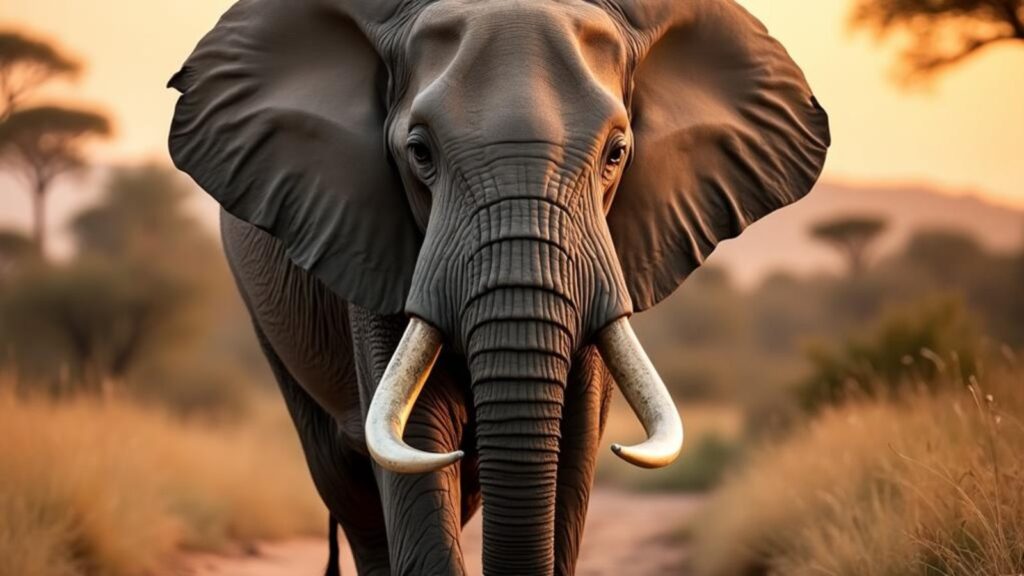
Offering a glimpse into the world of elephant tusks, these 10 facts reveal surprising truths about these ivory giants that you never
Ivory Giants: 10 Fascinating Facts About Elephant Tusks Read More »
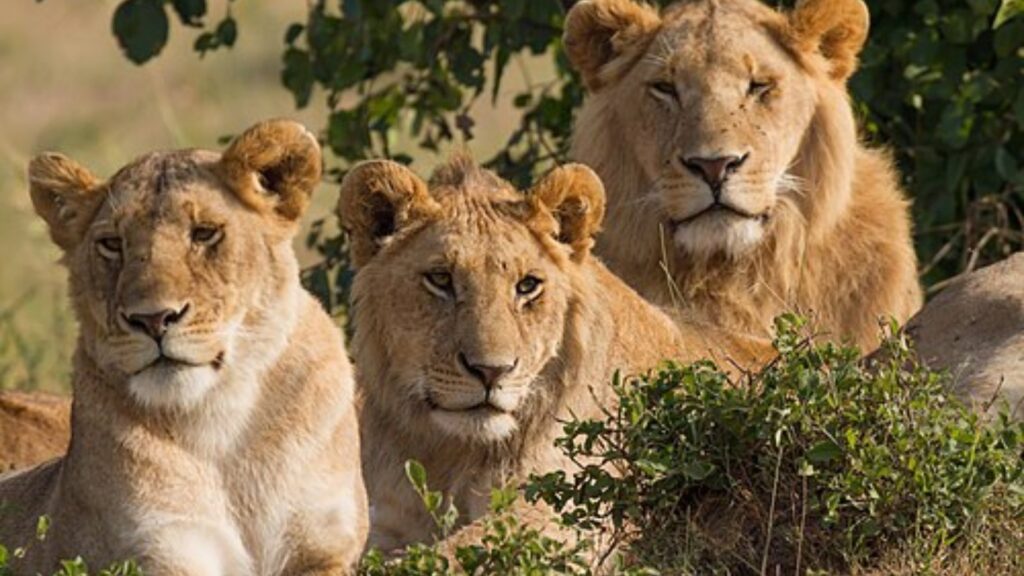
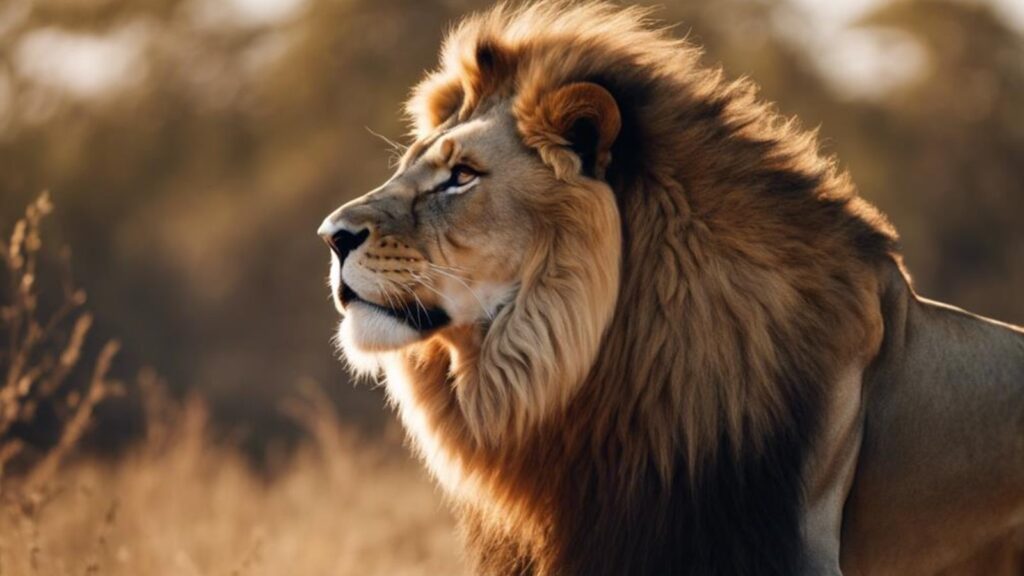
Compelling secrets of lion pride dynamics revealed: from shared leadership to intricate communication. Discover how these social structures…
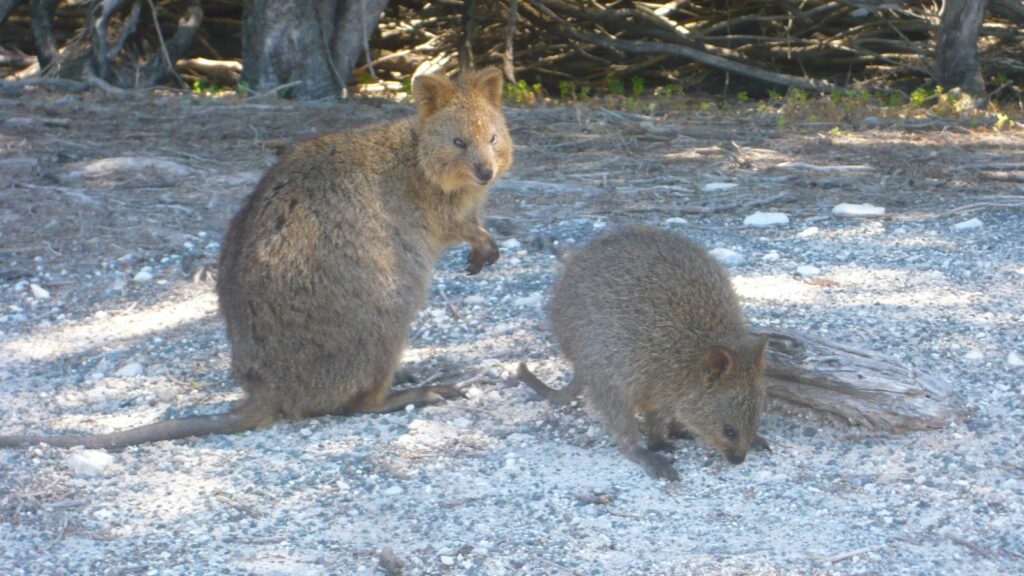
Quokkas mate from January to March on Rottnest Island and gestate for about 27 days. One day after giving birth the female mates again and parks that embryo for up to five months. An ecologist explains quokka reproduction, with every figure sourced.
Quokka Mating Habits: Breeding Season, Courtship and Embryonic Diapause Read More »
Prepare to be awestruck by the incredible strength of lions, from their powerful jaws to their dominating presence in the wild.
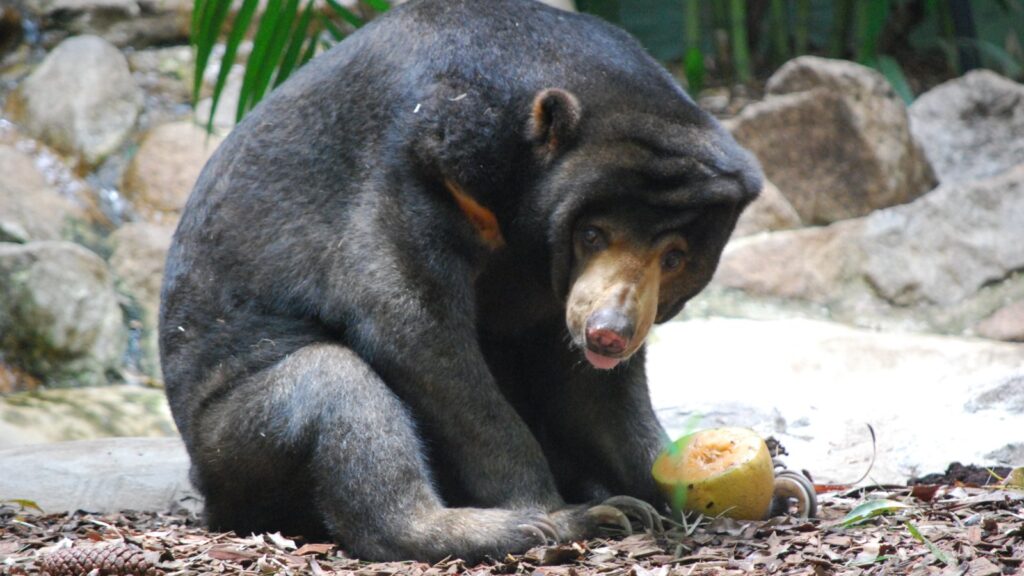
Curious about sun bears and their interactions with humans?
Are Sun Bears Dangerous? Do Sun Bears Attack Humans? Read More »
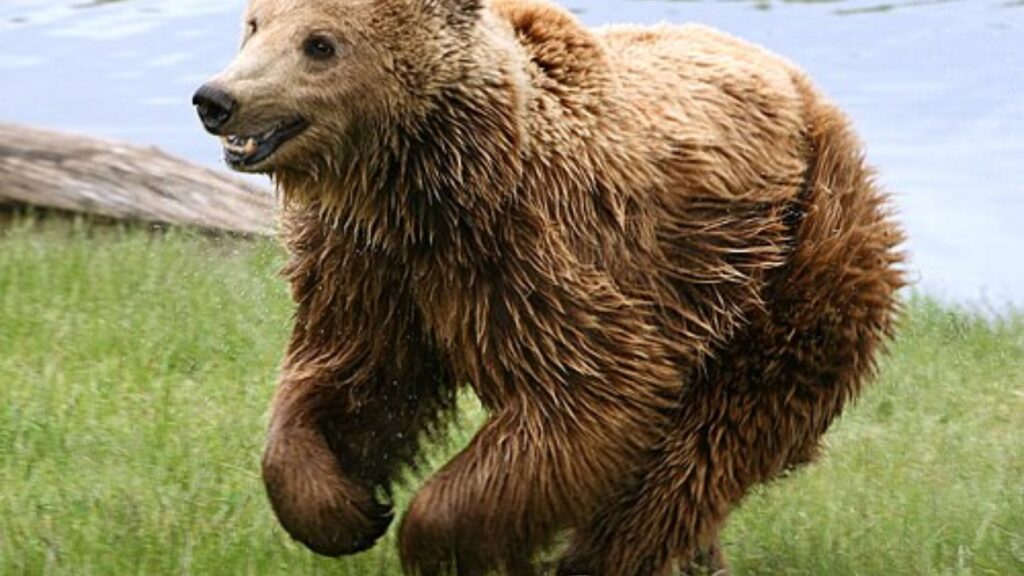
Discover the surprising reasons behind bear attacks on humans and how to stay safe in bear territory.
Navigate the treacherous world of the top 5 deadliest big cats starting with the letter 'N', and discover the lurking dangers that make them apex predators.
Top 5 Deadliest and Most Dangerous Big Cats in the World Read More »
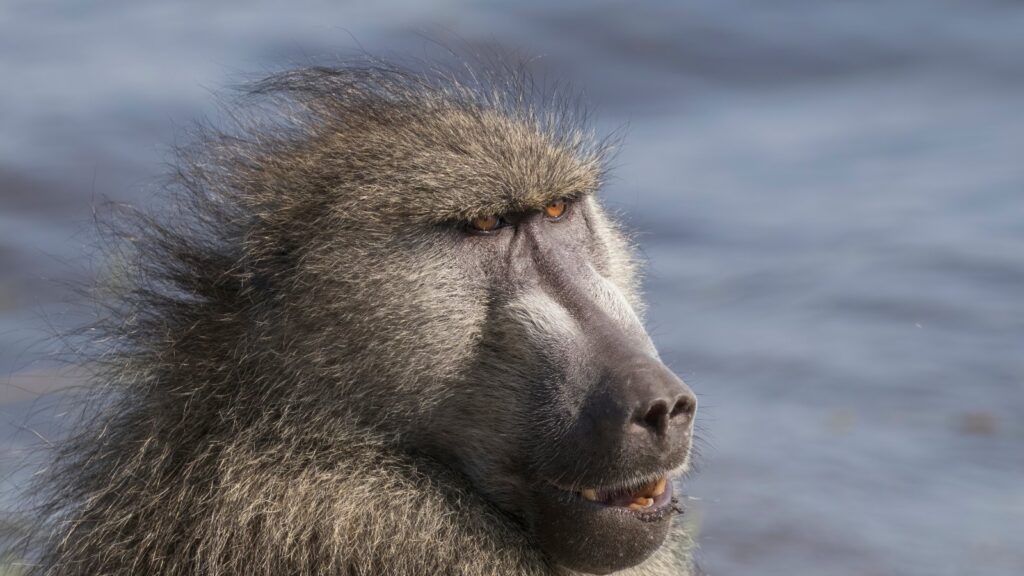
Hinting at the unexpected truth about baboons, this article challenges preconceived notions and delves into their surprising behaviors and interactions with humans.
A deeper look into the hidden dangers of pandas challenges conventional perceptions and reveals surprising truths that will leave you questioning their true nature.