
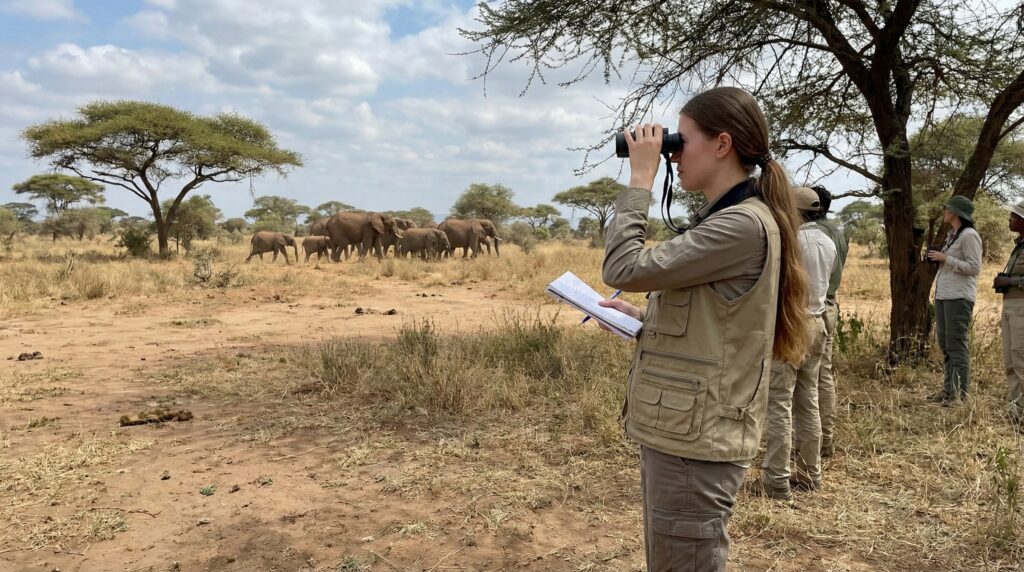
Global Work and Travel connects aspiring conservationists with screened wildlife internships across Africa, Asia, and America, placing participants in four-to-twelve-week field positions that cost between $1,200 and $3,500—packages that cover accommodation, meals, and supervision but exclude international flights. Daily work centers on habitat monitoring, species tracking, and meticulous data entry rather than dramatic rescues, requiring adaptability and patience as interns contribute modest but cumulative support to ongoing research. The sections that follow explore whether these foundational experiences justify their cost and effort.
What Is Global Work and Travel and How Do Their Wildlife Conservation Internships Work?
Global Work and Travel operates as a placement organization that connects aspiring conservationists with hands-on internship opportunities across multiple continents, focusing primarily on projects in Africa, Asia, and Central and South America where wildlife populations face pressing challenges from habitat loss, poaching, and climate change.
The organization screens partner programs to verify they maintain rigorous safety protocols—established procedures designed to protect interns from environmental hazards and wildlife encounters—while upholding ethical considerations that prioritize animal welfare over tourist entertainment.
Participants typically spend four to twelve weeks working alongside field researchers, wildlife veterinarians, or sanctuary staff, contributing to daily tasks like habitat monitoring, species tracking, and community education initiatives.
The application process involves selecting a specific program, submitting required documents, and coordinating travel logistics with support from dedicated placement advisors.
Popular Destinations for Global Work and Travel Wildlife Conservation Programs
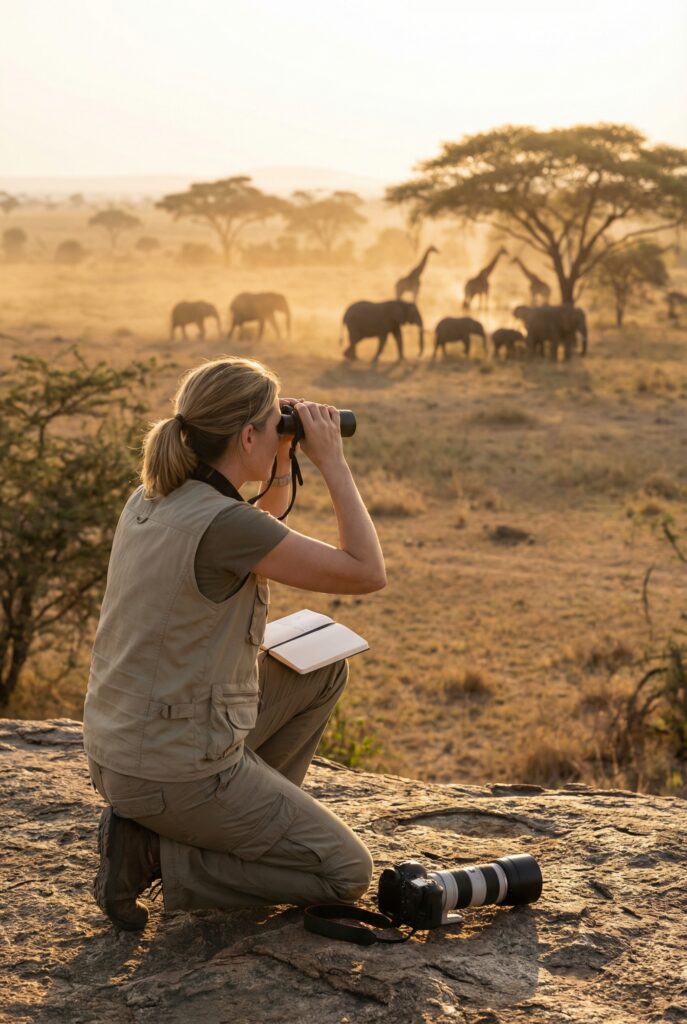
Several countries emerge as primary locations for wildlife conservation internships through Global Work and Travel, each offering distinct ecosystems and challenges that shape the daily experiences of participants who choose to work there.
Costa Rica stands out as one of the most sought-after ecotourism hubs, where interns work in cloud forests and coastal preserves protecting sea turtles and tropical birds.
South Africa provides opportunities in biodiversity hotspots—areas with exceptionally high concentrations of unique species—where participants assist with elephant sanctuaries and marine conservation projects along diverse coastlines.
Thailand attracts those interested in primate rehabilitation and coral reef restoration, while Ecuador’s Galápagos Islands offer immersive experiences with endemic species found nowhere else on Earth, creating transformative learning environments that connect conservation theory with hands-on fieldwork.
What You Actually Do on a Global Work and Travel Wildlife Conservation Internship
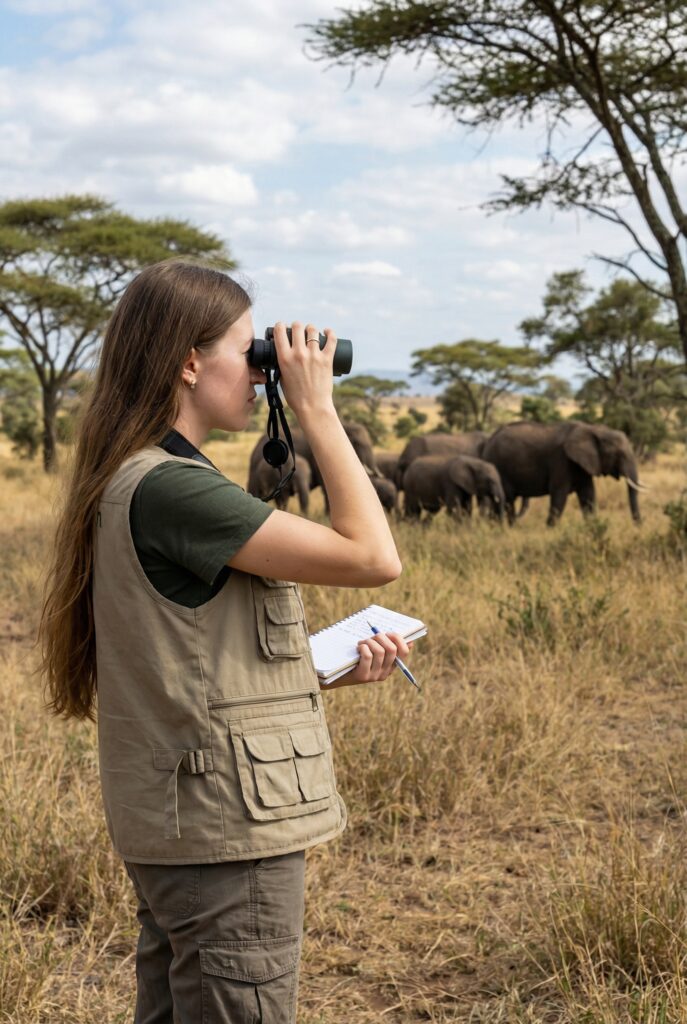
While many imagine wildlife conservation internships as exclusively tracking elephants or diving with sea turtles, the daily reality balances fieldwork with foundational tasks that keep conservation projects functioning—and this combination teaches participants how professional conservation actually operates beyond the documentaries they’ve watched.
Interns typically spend mornings preparing equipment and reviewing safety protocols—the standardized procedures that prevent injuries in unpredictable environments—before heading into reserves or marine areas for data collection.
Afternoons often involve recording observations, maintaining habitats, or assisting with educational programs for local communities.
The packing checklist provided before departure reflects this diversity: participants need both field gear for outdoor work and materials for administrative contributions.
These varied responsibilities demonstrate that effective conservation depends equally on meticulous documentation and direct animal interaction.
Daily Life, Accommodation, and Living Conditions in These Internships
Beyond the work itself, participants quickly discover that their living arrangements during these internships shape the experience as profoundly as the conservation tasks—often housing interns in shared accommodations that range from basic field stations with bunk beds and communal kitchens to homestays with local families, depending on the program’s location and budget.
Sanitation facilities vary considerably: some sites offer modern plumbing while others provide composting toilets and bucket showers, which demand adjustment but prove perfectly functional once interns adapt to the rhythm.
Local transportation typically involves walking considerable distances, traveling by bicycle, or occasionally using shared vans to reach project sites—a reality that requires physical stamina and patience.
Mealtimes become communal affairs where interns prepare simple dishes together, creating unexpected bonds through the ordinary rituals of daily living.
Skills You Can Gain From a Global Work and Travel Wildlife Conservation Internship
Participating in these internships equips individuals with a distinctive blend of technical competencies and adaptive abilities that extend well beyond what traditional classroom settings can offer.
Interns develop practical skills in data collection, wildlife monitoring, and habitat restoration—capabilities that conservation organizations actively seek in their staff members. They also gain experience in project management, learning to coordinate multiple tasks, allocate resources effectively, and meet deadlines within real-world constraints.
Many programs introduce participants to grant writing, which involves creating persuasive proposals to secure funding for conservation initiatives.
Beyond these technical proficiencies, interns cultivate cultural intelligence through daily interactions with local communities, strengthen their problem-solving abilities when facing unexpected challenges, and build resilience—qualities that prove valuable across numerous professional fields.
Can You Earn Academic Credit or Certifications Through Global Work and Travel Wildlife Conservation Internships?
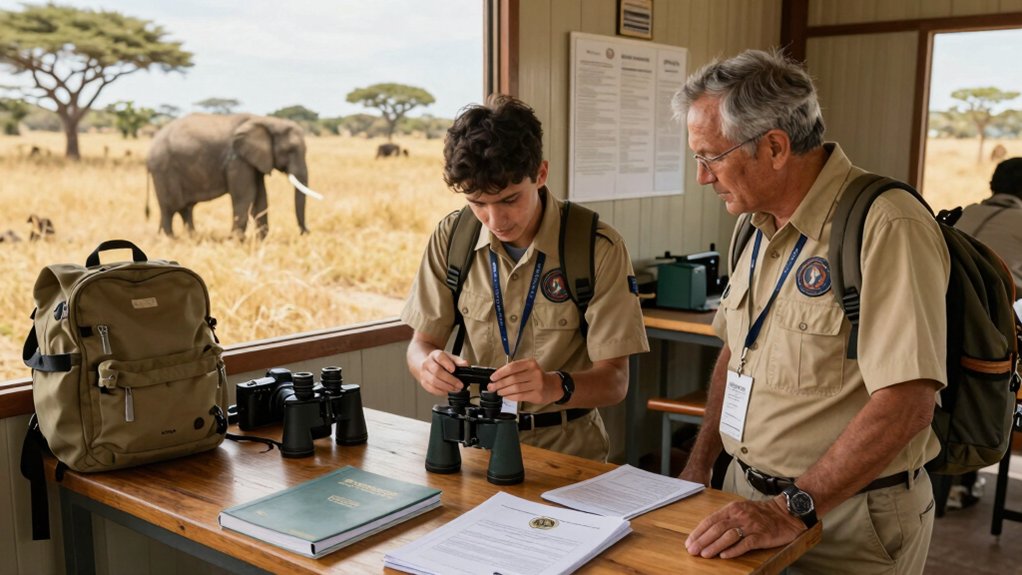
Many students and career-changers wonder whether their investment of time and effort in wildlife conservation internships will translate into formal recognition from educational institutions or professional bodies—and the answer, fortunately, leans toward yes.
Global Work and Travel has established accreditation partnerships with several universities, allowing participants to earn academic credit that transfers back to their home institutions. Credit transferability depends largely on each university’s policies, so interns should consult their academic advisors before departure to secure proper documentation and approval.
Additionally, some programs offer certifications in specialized areas like wildlife tracking or habitat restoration—credentials that demonstrate tangible skills to future employers. These formal recognitions transform internships from merely experiential opportunities into documented achievements that strengthen both academic transcripts and professional portfolios.
Who These Internships Are Best Suited For
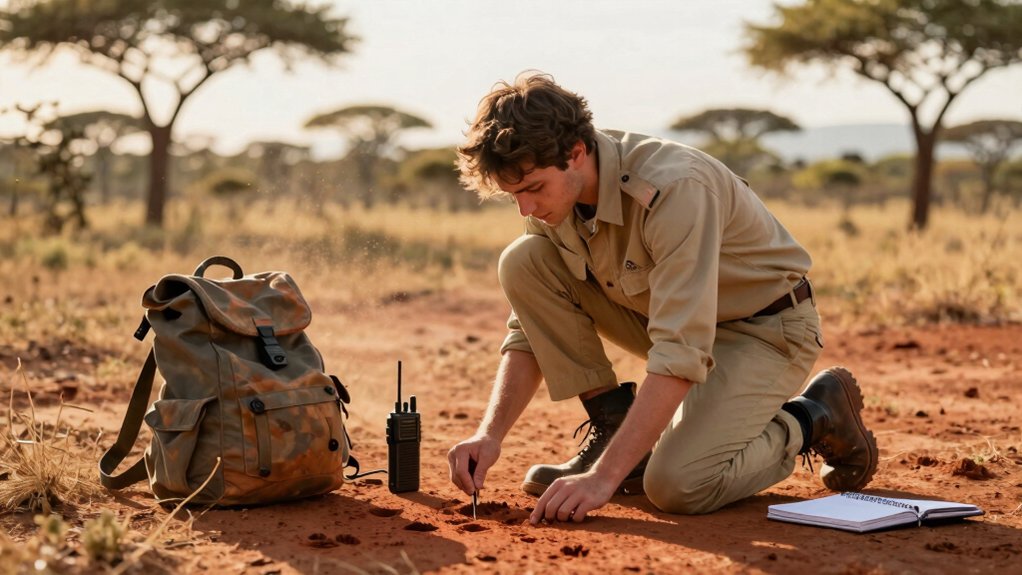
Wildlife conservation internships appeal most strongly to individuals who possess both a genuine passion for environmental stewardship and a willingness to work in conditions that often lack the comforts of traditional office settings.
These programs suit participants across various age brackets, from gap-year students in their late teens to career-changers in their thirties and beyond, each bringing distinct perspectives to fieldwork.
Regarding motivation types—the underlying reasons people seek these experiences—successful interns typically demonstrate intrinsic drive rather than external rewards, meaning they’re motivated by personal fulfillment and genuine concern for wildlife rather than résumé-building alone.
Those who thrive possess adaptability, physical stamina for outdoor labor, and patience with slow-developing conservation outcomes, understanding that meaningful environmental change unfolds gradually rather than overnight.
Costs, Fees, and What Global Work and Travel Packages Include
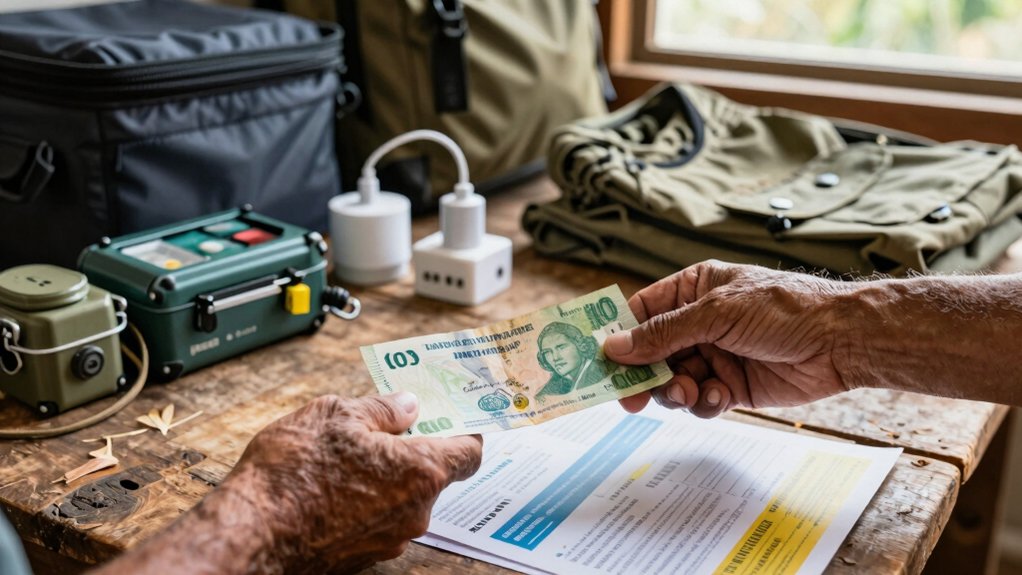
Understanding who benefits from these programs naturally leads to practical questions about affordability and what prospective interns receive for their investment. Global Work and Travel’s wildlife conservation packages typically range from $1,200 to $3,500, depending on program duration and location.
These fees cover accommodation, meals, orientation materials, in-country support, and project supervision—though international airfare remains the participant’s responsibility. It’s worth noting that currency fluctuations can affect final costs when paying in foreign denominations, so budgeting with a small buffer proves wise.
Before committing financially, reviewing refund policies becomes essential: most programs offer partial refunds if cancellations occur well in advance, but last-minute withdrawals often forfeit significant portions. Understanding these financial details helps families plan realistically and avoid unexpected complications.
Choosing a reputable organization like Global Work & Travel ensures that your contribution truly supports ethical and sustainable projects.
They provide comprehensive support — including visa assistance, pre-departure guidance, 24/7 in-country and emergency help, and a dedicated trip coordinator. Every project is carefully vetted for animal welfare and conservation integrity, ensuring placements are in sanctuaries, rescue, or rehabilitation centers rather than exploitative settings.
You’ll also receive structured mentorship, feedback, and official certificates and recommendation letters from host organizations — valuable credentials for your career or academic path.
Hidden Costs and Financial Considerations to Be Aware Of
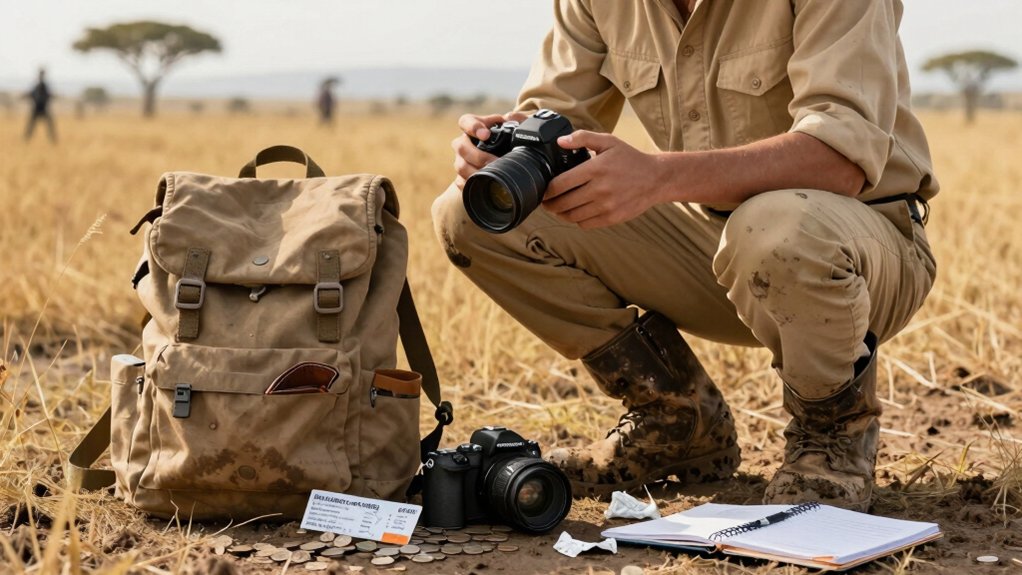
While the advertised package price provides a helpful starting point, prospective interns should recognize that several additional expenses typically emerge once they’ve committed to a wildlife conservation program.
Vaccinations, travel insurance, and visa fees can add several hundred dollars to the bottom line, depending on the destination country’s requirements.
Beyond these predictable costs, participants should consider opportunity cost—the income they might’ve earned working at home during the same period—which represents real financial sacrifice.
Weekend excursions, souvenirs, and communication with family back home also drain budgets faster than expected.
Additionally, tax implications may affect how internship-related expenses can be reported, so consulting a tax professional beforehand helps clarify whether any deductions apply to educational or volunteer experiences abroad.
You’ll get $100 off automatically, and by adding the additional code ELI100 at checkout, you can save an extra $100, for a total of $200 off your Global Work & Travel wildlife internship adventure.
Ready to volunteer or intern abroad? Enter code ELI100 at checkout and get $100 OFF any internship or volunteer project worldwide.
Explore ProjectsDo Global Work and Travel Internships Contribute to Real Conservation Work?
Before committing time and money to a program, prospective participants naturally wonder whether their efforts will produce tangible benefits for threatened species and ecosystems—or whether they’ll simply provide labor that props up a business model disguised as conservation.
Global Work and Travel’s partnerships with established organizations suggest genuine conservation outcomes, though Ethical Considerations remain important: participants should verify that projects align with recognized wildlife protection standards rather than exploitative tourism.
Media Representation of volunteer work sometimes exaggerates individual impact, creating unrealistic expectations—yet modest contributions to habitat restoration, wildlife monitoring, and community education do accumulate into meaningful progress.
The key lies in approaching these internships with clear-eyed understanding: they’re educational experiences that support ongoing conservation efforts, not heroic rescue missions that single-handedly save endangered species.
Research, Data Collection, and Conservation Outcomes of These Programs

Global Work and Travel internships generate value beyond the immediate experience of participants—they feed into larger scientific efforts through systematic data collection that professional researchers rely on for long-term conservation planning. Interns contribute observations about animal populations, habitat conditions, and behavioral patterns that become part of extensive databases tracking ecosystem health over years or decades.
However, these programs must address data standardization—ensuring everyone collects information using the same methods and criteria—so results remain comparable across time and locations. Training also helps minimize observer bias, which occurs when personal expectations or assumptions unconsciously influence what someone records.
When programs implement rigorous protocols and oversight, intern-generated research becomes genuinely useful, supporting peer-reviewed studies and informing decisions about protected areas, endangered species management, and restoration priorities that shape conservation outcomes worldwide.
How Global Work and Travel Wildlife Conservation Internships Support Local Communities
Strengthening economic stability in areas surrounding conservation sites represents one of the most tangible benefits these internships provide, as programs channel financial resources directly into communities that might otherwise view wildlife protection as competing with their livelihoods.
Local entrepreneurship flourishes when conservation organizations partner with community members to develop eco-tourism ventures, craft cooperatives, and guide services—enterprises that transform wildlife from potential threats into valued assets.
Cultural exchange deepens this relationship further: interns learn traditional ecological knowledge from residents while sharing scientific approaches, creating mutual respect that transcends simple economic transactions.
These programs hire local staff, purchase supplies from nearby vendors, and fund community infrastructure projects, establishing conservation as a pathway to prosperity rather than an obstacle to development, thereby aligning environmental protection with human wellbeing in sustainable, mutually reinforcing ways.
How These Internships Fit Into a Wildlife Conservation Career Path
While conservation internships strengthen communities and ecosystems simultaneously, they also serve as foundational stepping stones for individuals building careers in wildlife protection, offering experiences that can’t be replicated in classrooms or captured on résumés alone.
These programs create pathways for career shifts—shifts from academic study to hands-on fieldwork—by connecting participants with mentor networks comprised of seasoned biologists, park rangers, and conservation managers who provide guidance beyond the internship period.
Through daily collaboration with professionals, interns develop practical skills in habitat restoration, species monitoring, and community engagement while building relationships that often lead to future employment opportunities.
The combination of technical competence and personal connections gained during these placements establishes credibility within the conservation field, transforming enthusiastic beginners into qualified candidates for permanent positions.
What other people say about Global Work and Travel
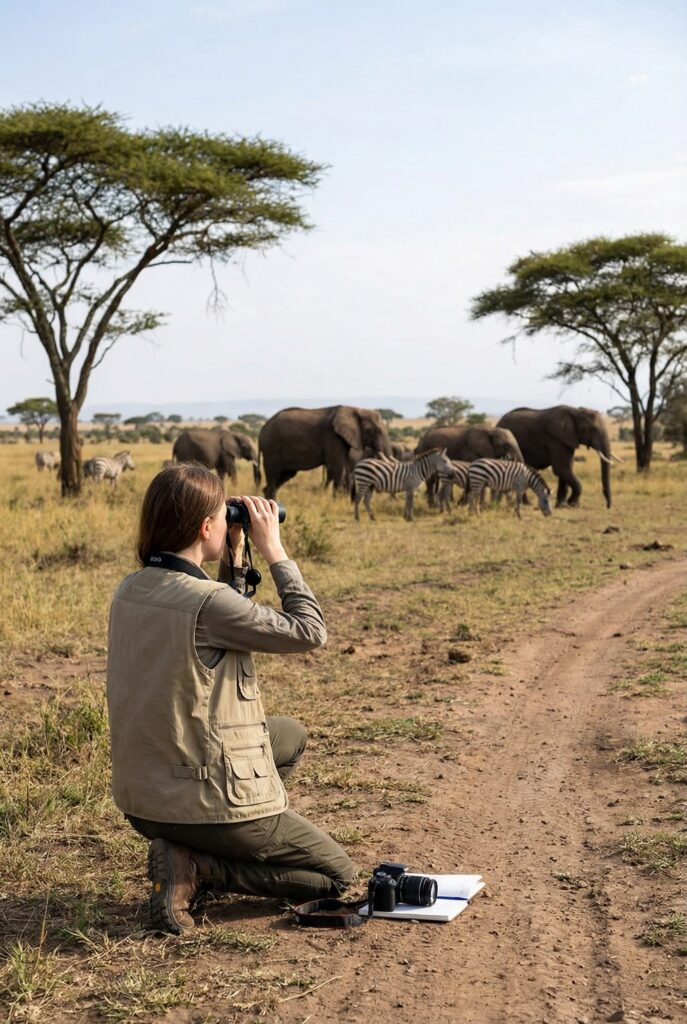
Testimonials from past participants consistently highlight how Global Work and Travel’s conservation internships deliver transformative experiences that extend far beyond typical volunteer programs, with many describing their placements as career-defining moments that reshaped their understanding of ecological stewardship and cross-cultural collaboration.
Alumni feedback reveals a pattern of profound professional development, with former interns crediting their field experiences for opening doors to graduate programs and conservation positions they hadn’t previously considered accessible.
Social sentiment across review platforms emphasizes the organization’s commitment to meaningful work rather than performative voluntourism—the practice of traveling primarily for photo opportunities rather than genuine contribution.
Past participants frequently mention how their mentors provided personalized guidance that connected daily tasks to broader conservation strategies, creating learning environments where questions were welcomed and curiosity rewarded.
Global Work and Travel programs are they worth?
Given the enthusiastic testimonials and documented career outcomes, prospective participants naturally wonder whether Global Work and Travel’s conservation internships justify their financial and time investments—a question that deserves careful consideration beyond promotional claims.
Risk assessment—the process of evaluating potential drawbacks against expected benefits—becomes essential when comparing program costs to alternative volunteer opportunities or educational experiences.
Expectation management proves equally important, as participants should recognize that meaningful conservation work often involves routine tasks like data collection and habitat maintenance rather than exclusively dramatic wildlife encounters.
The programs deliver genuine value for individuals seeking structured international experience with mentorship and clear learning objectives, though those expecting transformative results from brief placements may need to adjust their perspective toward viewing internships as foundational steps within longer career journeys.
Final Thoughts on Global Work and Travel Wildlife Conservation Internships
The decision to pursue a wildlife conservation internship through Global Work and Travel ultimately rests on each individual’s specific goals, resources, and readiness to engage with the realities of conservation fieldwork.
Prospective interns should weigh factors like program cost, placement quality, and the level of exit support—assistance provided when returning home after the experience ends.
Mental wellbeing deserves serious consideration, too, since remote fieldwork can bring isolation, physical demands, and emotional challenges that require resilience.
Those who enter these programs with realistic expectations, adequate preparation, and genuine commitment to conservation often find the experience transformative.
However, anyone uncertain about their readiness might benefit from shorter volunteer opportunities first, allowing them to test their interest before committing fully to an internship abroad.
Ready to volunteer or intern abroad? Enter code ELI100 at checkout and get $100 OFF any internship or volunteer project worldwide.
Explore Projects
Erzsebet Frey (Eli Frey) is an ecologist and online entrepreneur with a Master of Science in Ecology from the University of Belgrade. Originally from Serbia, she has lived in Sri Lanka since 2017. Eli has worked internationally in countries like Oman, Brazil, Germany, and Sri Lanka. In 2018, she expanded into SEO and blogging, completing courses from UC Davis and Edinburgh. Eli has founded multiple websites focused on biology, ecology, environmental science, sustainable and simple living, and outdoor activities. She enjoys creating nature and simple living videos on YouTube and participates in speleology, diving, and hiking.
For your next application
Keep applying and hearing nothing back?
The Biology Job Application Kit shows you which stage of your applications is failing and how to fix it. 46 guides, 22 editable templates, an application tracker and an ATS CV Creator licence.
See the Job Application Kit