
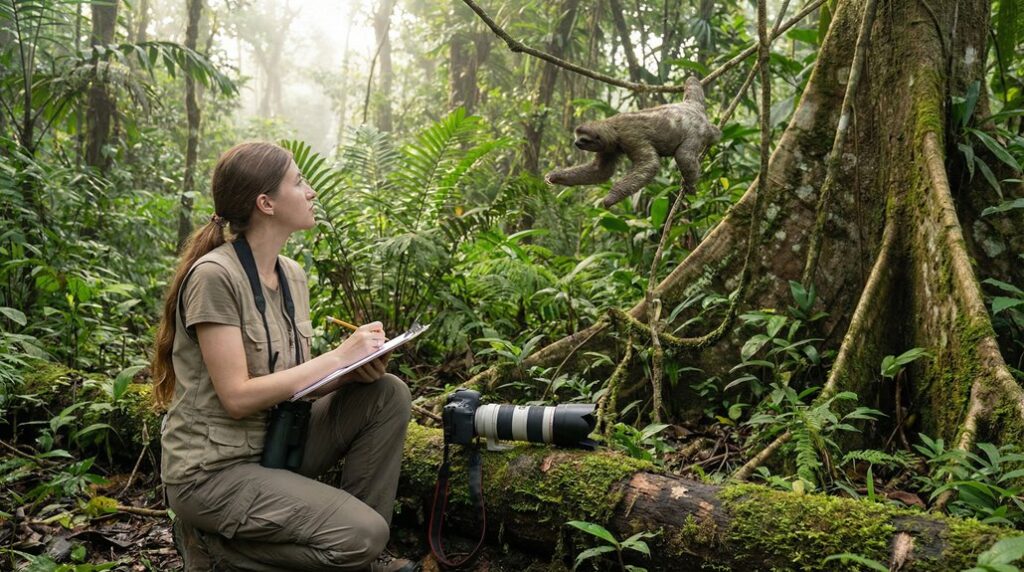
Wildlife conservation internships in Costa Rica offer participants aged eighteen and older the chance to work directly with endangered species at field stations and sanctuaries, regardless of prior experience. Programs typically combine hands-on tasks—feeding rehabilitating sloths and jungle animals, patrolling beaches during sea turtle nesting season, relocating nests to protected hatcheries—with full logistical support including accommodation, meals, airport transfers, and on-site training. The details below explain eligibility requirements, seasonal considerations, daily responsibilities, and how these placements contribute to biodiversity protection.
Why Costa Rica Is a Top Destination for Wildlife Conservation Internships
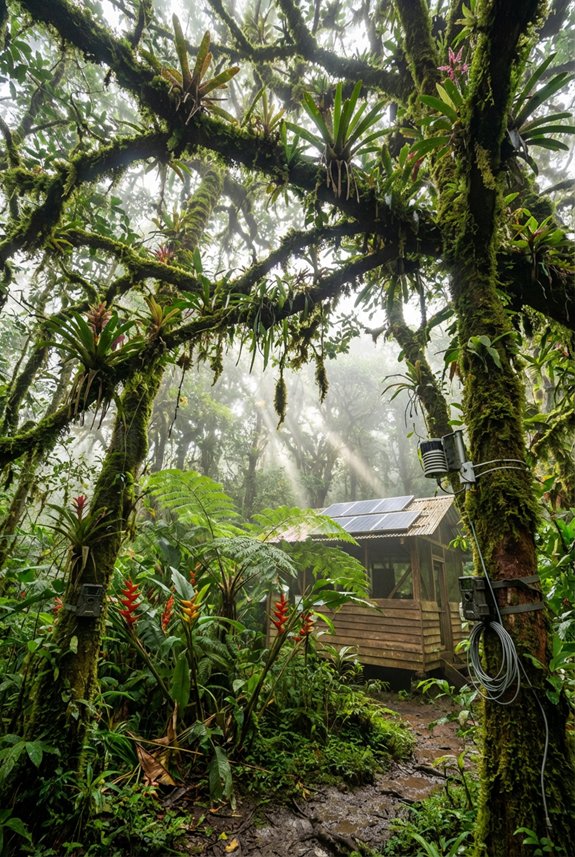
While many countries offer opportunities to work with endangered species, Costa Rica stands apart as one of the world’s most rewarding destinations for wildlife conservation internships—and the reasons extend far beyond its famous biodiversity.
This small Central American nation functions as a biodiversity hotspot, meaning it contains an exceptionally high concentration of species found nowhere else on Earth, packed into less than 0.03% of the planet’s land surface.
What makes Costa Rica particularly valuable for interns, however, is its well-developed ecotourism infrastructure—the network of parks, research stations, and conservation organizations that actively welcome and support international volunteers.
These established systems provide meaningful hands-on experience while ensuring interns work safely, learn effectively, and contribute genuinely to ongoing conservation efforts.
Who Can Apply for Wildlife Conservation Internships in Costa Rica
Costa Rica’s wildlife conservation internships welcome a surprisingly broad range of applicants, from undergraduate students building their resumes in environmental science to mid-career professionals seeking a meaningful change of direction, and the eligibility requirements tend to be more flexible than many people assume.
Age requirements typically start at eighteen, though some programs accept motivated high school graduates who’ve recently turned seventeen with parental consent.
Previous experience isn’t mandatory—most placements accommodate varying skill levels, from complete beginners who’ve never handled wildlife to seasoned volunteers with veterinary backgrounds.
What matters more than credentials is genuine commitment: a willingness to learn, physical capability for fieldwork in tropical conditions, and respect for ethical conservation practices.
Even nature enthusiasts without formal training can contribute meaningfully under structured mentorship.
What’s Included in a Costa Rica Wildlife Conservation Internship Programs
A thorough package forms the foundation of most Costa Rica wildlife conservation internships, designed to remove logistical barriers so participants can focus entirely on their conservation work rather than coordinating travel details or figuring out local systems alone.
These programs typically include guaranteed project placements, airport transfers upon arrival and departure, and meals and accommodation throughout the volunteer period—essentials that allow interns to settle into their conservation roles without distraction.
A dedicated trip coordinator guides participants through pre-departure preparations, while a personal travel concierge arranges flights and insurance to align with program dates.
Cultural orientation sessions introduce interns to local customs and project expectations, and ongoing support from local teams guarantees help remains accessible whenever challenges arise, creating stability that supports meaningful environmental contributions.
You’ll get $100 off automatically, and by adding the additional code ELI100 at checkout, you can save an extra $100, for a total of $200 off any Global Work & Travel wildlife internship adventure.
Wildlife Conservation Projects in Costa Rica
Costa Rica offers several meaningful wildlife conservation projects that allow interns to contribute directly to the protection of endangered species while gaining hands-on field experience.
These programs typically focus on specific animals or ecosystems—sea turtle nesting sites along the coast, sloth rehabilitation centers in the rainforest, or broader initiatives that combine multiple conservation efforts within a single location.
Each project provides unique opportunities to learn research methods, observe animal behavior, and participate in the daily work that keeps vulnerable species alive and thriving.
Costa Rica Sea Turtle Conservation Program
Witnessing hundreds of olive ridley and leatherback sea turtles emerge onto moonlit beaches to nest isn’t just a spectacular sight—it’s the heart of a conservation effort that protects creatures who’ve survived for 230 million years but now face threats from human development, illegal poaching, and even the glow of streetlights that confuse hatchlings trying to reach the ocean.
This all-inclusive program places volunteers in Junquillal, where they’ll patrol beaches during evening shifts—typically from 7:00 PM to 4:00 AM—relocating nests to protected hatcheries, guiding mothers and hatchlings safely, and maintaining infrastructure during afternoon hours, with mornings reserved for rest or exploring Costa Rica’s coastline.
Best For: Wildlife enthusiasts and conservation-minded travelers who can handle physically demanding overnight shifts in tropical conditions and want hands-on experience protecting endangered sea turtles during peak nesting season.
Pros:
- All-inclusive package with pre-confirmed placement, comfortable shared accommodation, three daily meals, secure airport transfers, and on-site training and supervision
- Direct conservation impact through night patrols, nest relocation, and hatchling guidance during peak season (August–October) when hundreds of turtles may be visible
- Flexible schedule with mornings and weekends free to explore Costa Rica’s beaches and national parks while connecting with other volunteers via the gWorld app
Cons:
- Physically demanding work with typical shifts running 7:00 PM to 4:00 AM in humid tropical conditions, requiring medical clearance and ability to patrol beaches in rain even when no turtles are present
- Additional costs beyond the trip price include flights, travel insurance, criminal background check, and personal spending money
- Shared accommodation in houses with 2–3 roommates per room and 6–8 people per house, which may not suit those preferring privacy
Work with Sloths in Costa Rica
For those who’ve long felt drawn to the quieter work of animal care—the daily rhythms of feeding, cleaning, and gentle rehabilitation rather than adrenaline-fueled adventure—these wildlife conservation internships in Costa Rica offer something particularly well-suited to that temperament.
Participants work alongside sloths, toucans, howler monkeys, and kinkajous at a sanctuary near Turrucares, about an hour from San José Airport, where injured forest animals receive care before eventual release.
The work itself follows a steady pattern: volunteers feed residents, repair and enrich enclosures, maintain garden spaces, and participate in environmental education sessions—tasks that require patience and consistency rather than spectacle, which means the experience rewards those who find meaning in incremental progress.
Best For: Volunteers aged 18+ seeking meaningful gap year or career break experiences who prefer structured, hands-on animal care work over high-intensity adventure and are comfortable with shared accommodation and basic living conditions in a rural Costa Rican setting.
Pros:
- Comprehensive support system including dedicated Trip Coordinator for placement matching, Travel Concierge for logistics, pre-departure visa assistance, airport transfers, and 24/5 emergency support line throughout the experience
- All essentials included in one package: on-site shared accommodation with WiFi, three daily meals of fresh Costa Rican cuisine, structured weekday volunteer duties with training and supervision, plus evenings and weekends free for exploration
- Flexible duration from 2 weeks to 12+ weeks allows volunteers to commit according to their schedule, with central location near San José providing easy access to local attractions (markets, botanical gardens, waterfalls) and post-program travel to Nicaragua, Panama, or the Caribbean
Cons:
- Shared dormitory accommodation lacks privacy and may not suit volunteers preferring private rooms or more comfortable lodging standards during extended stays
- Rural Turrucares location, while convenient to the airport, limits immediate access to urban amenities and nightlife that volunteers might expect in a gap year experience
- Daily tasks of feeding, cleaning, and enclosure maintenance can become repetitive over longer placements, particularly for those expecting more varied responsibilities or direct wildlife interaction beyond routine care duties
Costa Rica Wildlife & Sea Turtle Conservation
This combined volunteer experience—pairing sloth and wildlife sanctuary care with sea turtle conservation efforts—offers an ideal fit for participants who want to contribute directly to two threatened ecosystems during a single trip to Costa Rica.
The placement begins at Turrucares, where volunteers feed and socialize rehabilitating jungle animals, clean enclosures, and deliver environmental education sessions.
Following the sanctuary phase, participants transfer to Playa Junquillal for turtle conservation: daytime tasks include beach cleanups and infrastructure maintenance, while nighttime patrols focus on nest identification, relocation of threatened clutches, and guiding disoriented hatchlings safely toward the ocean—work that directly addresses the survival challenges sea turtles face due to beachfront development and artificial lighting.
Best For: Volunteers 18+ seeking hands-on conservation work with both jungle wildlife rehabilitation and sea turtle nest protection during a single all-inclusive Costa Rica trip.
Pros:
- All-inclusive package covers volunteer placement, accommodation, three daily meals at both sites, and airport transfer from San José
- Guaranteed placement with screened and vetted partner organizations, confirmed before departure
- Direct conservation impact through rehabilitating injured sloths and jungle animals plus protecting sea turtle nests during critical arribada nesting events
Cons:
- Requires decent English language skills and minimum age of 18 years old
- Accommodation is shared (volunteer dorms at sanctuary, homestay with shared bedrooms and facilities at turtle site)
- Night patrol duties during turtle conservation phase may be physically demanding and disrupt normal sleep schedules
Best Time of Year to Do a Wildlife Conservation Internship in Costa Rica
Costa Rica’s tropical climate doesn’t follow the dramatic seasonal shifts that mark temperate regions—instead, the year divides into two primary periods: the dry season, which runs from December through April, and the rainy season, which extends from May through November.
Both periods offer distinct advantages for conservation work, and the choice depends largely on personal preferences and project focus. The rainy season brings heightened biological activity—amphibians emerge, forests bloom, and many species reproduce during these wetter months.
Bird migration peaks between September and November, when thousands of species travel through Costa Rica’s corridors. The dry season provides easier access to remote field sites and more predictable weather patterns, though wildlife observations may require greater patience as animals disperse more widely across available habitats.
Conclusion
Costa Rica’s wildlife conservation internships offer participants a meaningful way to contribute to protecting biodiversity in a country that, despite covering only 0.03% of Earth’s surface, shelters nearly 6% of the world’s known species—a remarkable concentration of life.
These programs equip aspiring conservationists with hands-on experience while supporting critical research and habitat restoration efforts. Through careful selection of timing and projects, interns can align their learning goals with Costa Rica’s seasonal wildlife patterns, ensuring both personal growth and genuine ecological impact.
Ready to volunteer or intern abroad? Enter code ELI100 at checkout and get $100 OFF any internship or volunteer project worldwide.
Explore ProjectsIf you’re exploring hands-on experience in ecology or wildlife biology, don’t miss my complete guide to wildlife conservation internships with global work and travel, where I break down what’s worth your time, money, and long-term career goals.

Erzsebet Frey (Eli Frey) is an ecologist and online entrepreneur with a Master of Science in Ecology from the University of Belgrade. Originally from Serbia, she has lived in Sri Lanka since 2017. Eli has worked internationally in countries like Oman, Brazil, Germany, and Sri Lanka. In 2018, she expanded into SEO and blogging, completing courses from UC Davis and Edinburgh. Eli has founded multiple websites focused on biology, ecology, environmental science, sustainable and simple living, and outdoor activities. She enjoys creating nature and simple living videos on YouTube and participates in speleology, diving, and hiking.
🌿 Explore the Wild Side!
Discover eBooks, guides, templates and stylish wildlife-themed T-shirts, notebooks, scrunchies, bandanas, and tote bags. Perfect for nature lovers and wildlife enthusiasts!
Visit My Shop →