ECOLOGIST

How Do Scientists Study Pollen Grains to Help Them Understand Climate Change

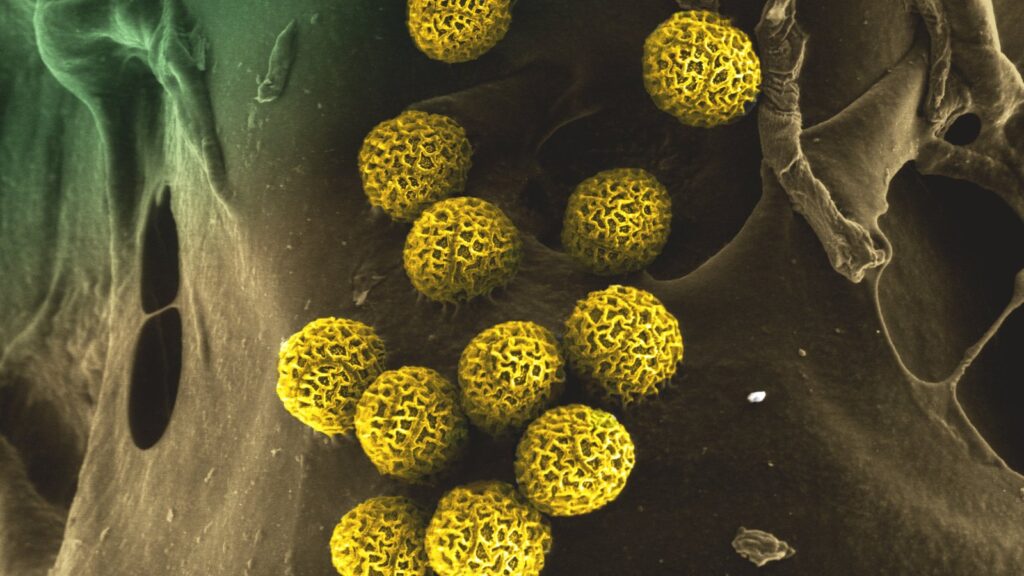
Have you ever wondered how scientists can uncover the secrets of climate change from something as tiny as a pollen grain? It may seem inconceivable, but these minuscule grains hold a wealth of information about past climates. By studying pollen grains, scientists can decipher the changing patterns of plant distributions and reconstruct ancient environments. But […]

How Do Scientists Study Pollen Grains to Help Them Understand Climate Change Read More »

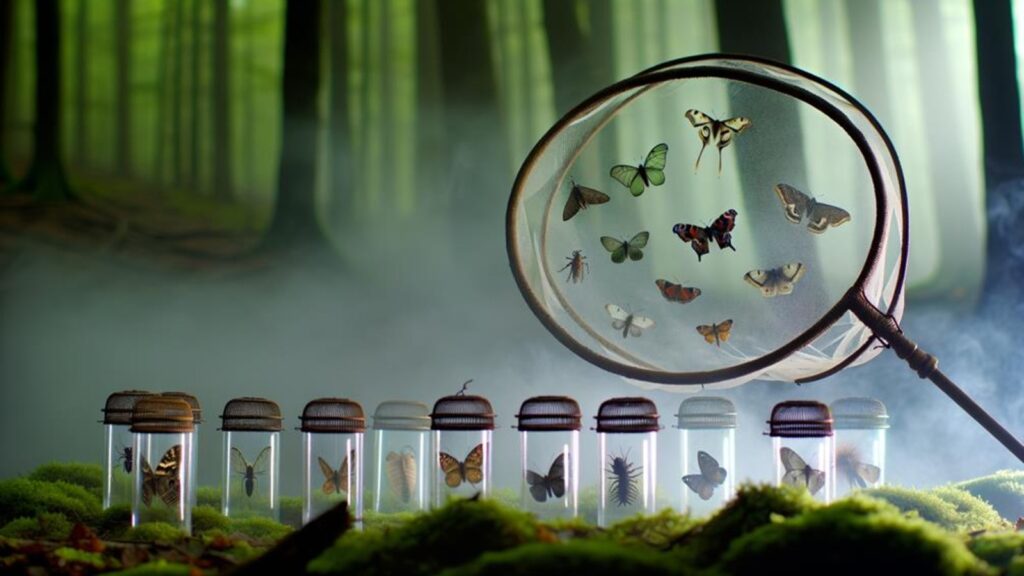
How Do Entomologists Study Insects?

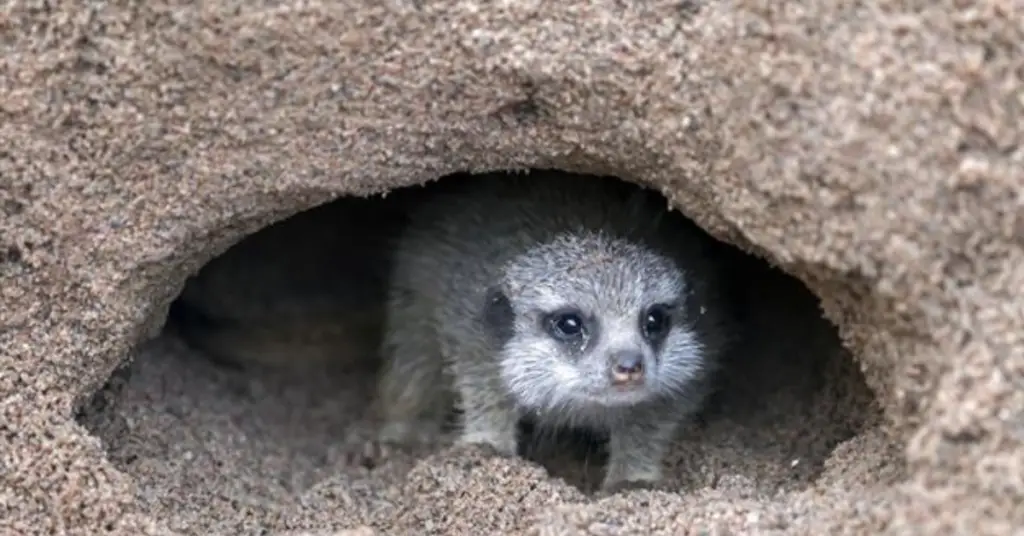
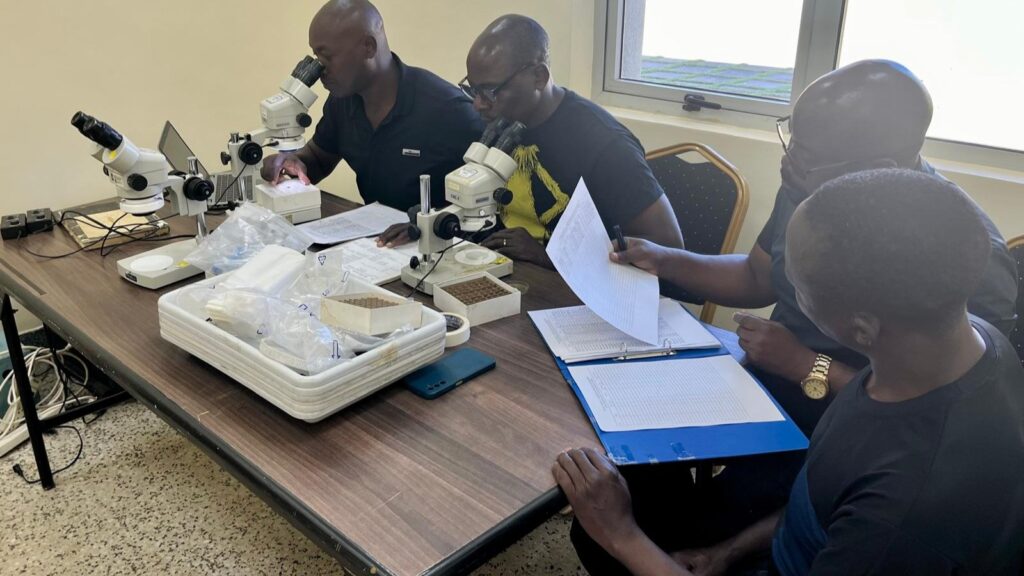
Have you ever wondered how entomologists unravel the complex world of insects? These scientists employ a range of methods to study insects, using specialized equipment and collaborating with other experts. Through field observations, laboratory experiments, and genetic studies, they uncover the secrets of insect behavior, physiology, and ecology. But that’s just the beginning. In this

How Do Entomologists Study Insects? Read More »

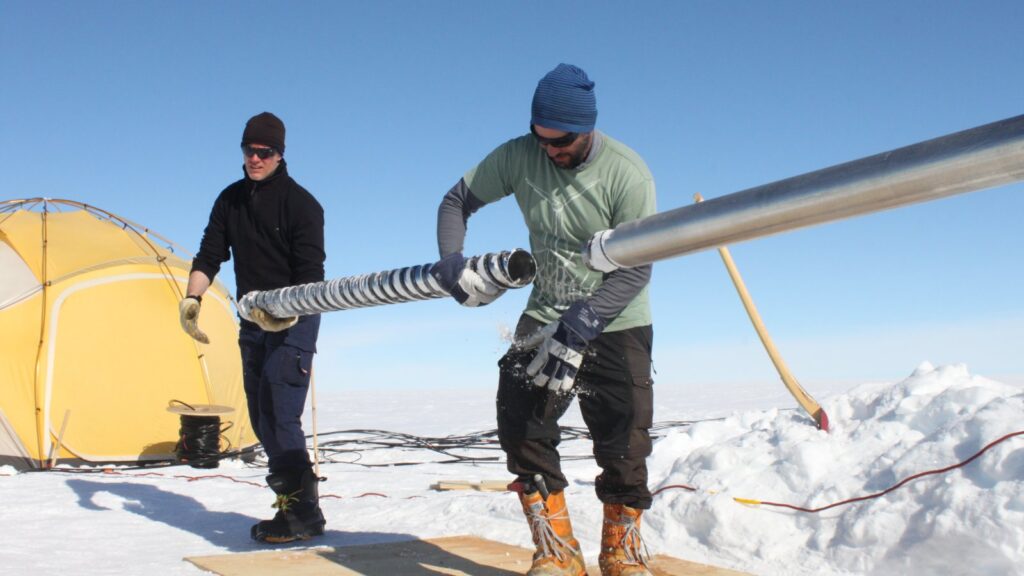
How Do Scientists Study Current Climate Conditions?

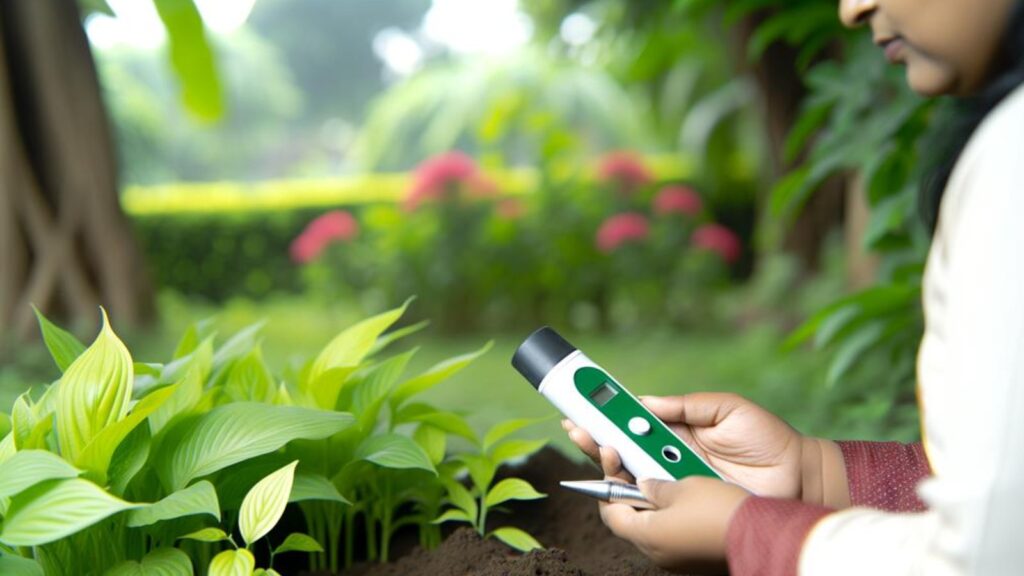
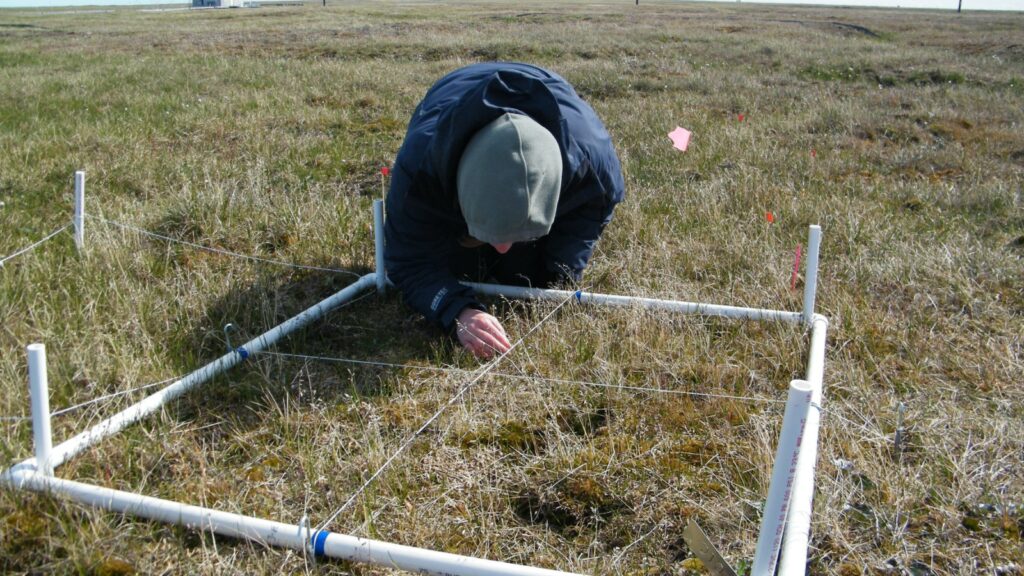
Like a detective investigating a complex case, scientists meticulously study current climate conditions using a range of sophisticated methods and instruments. From satellite observations to ground-based measurements, climate models, and paleoclimate research, they leave no stone unturned in their quest for knowledge. But how exactly do they gather this vital information? What tools do they

How Do Scientists Study Current Climate Conditions? Read More »

How do scientists study birds?

How do scientists study birds?

Explanation of the importance of studying birds Studying birds is important for many reasons. Birds play important roles in ecosystems, serving as pollinators, seed dispersers, and predators of insects and other animals. They also provide valuable ecosystem services, such as pest control and nutrient cycling. Studying birds can help us understand how ecosystems function and

How do scientists study birds? Read More »

Shopping Cart
error: Content is protected !!