
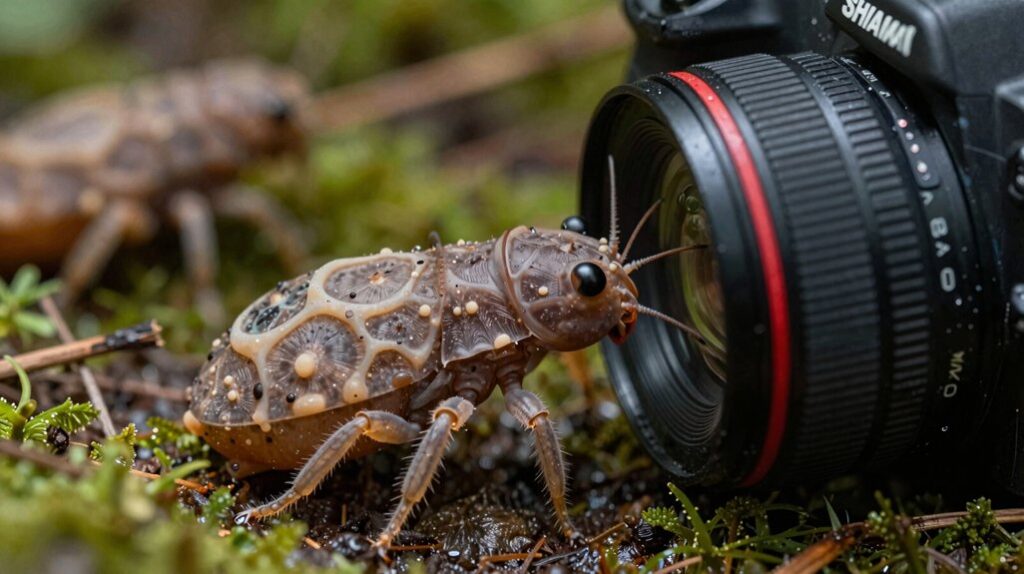
ORGANISM IN ECOLOGY
Definition of Organism in Ecology
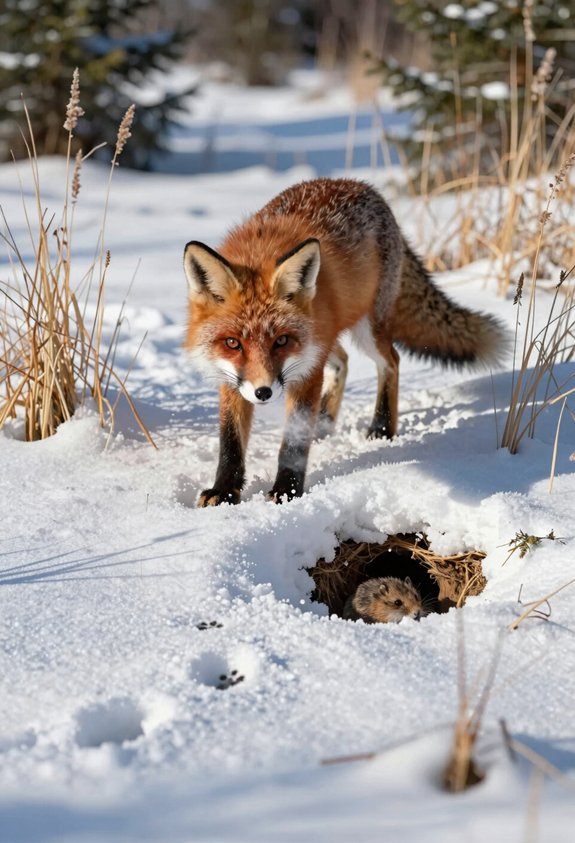
An organism represents the fundamental unit of ecological study, defined as any living entity capable of functioning independently while responding to its environment. From single-celled bacteria to complex multicellular animals, organisms share fundamental characteristics despite their structural diversity. Each maintains homeostasis, metabolizes nutrients, responds to stimuli, reproduces, and evolves over time.. Keystone species such as sea otters and wolves disproportionately influence ecosystem structure. Understanding how organisms interact reveals the intricate mechanisms that maintain ecological balance and biodiversity.
Organism classification systems organize this biological diversity into taxonomic hierarchies. The traditional Linnaean system arranges organisms into domains, kingdoms, phyla, classes, orders, families, genera, and species based on evolutionary relationships and shared characteristics. Modern classification incorporates genetic data alongside morphological features.
Organism diversity spans all ecological niches on Earth, from deep-sea hydrothermal vents to alpine mountaintops. This diversity results from adaptive responses to environmental pressures over evolutionary timescales.
Ecological studies focus on how organisms interact with their environments, forming the foundation for understanding ecosystem function, energy flow, and biogeochemical cycles.
Ecological significance
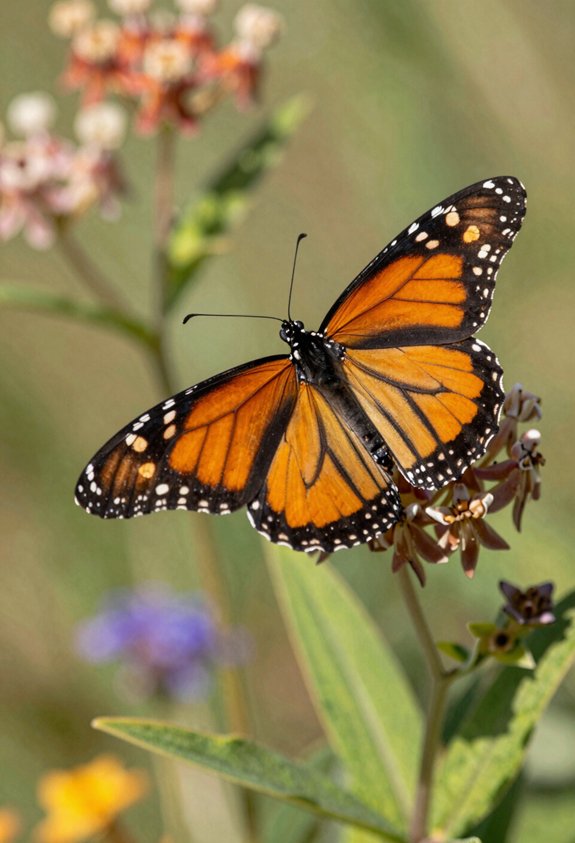
Although seemingly obvious, the ecological significance of organisms cannot be overstated as they form the foundational components of all ecosystems worldwide. These living entities perform critical ecological roles that maintain ecosystem function and stability through complex interactions.
As producers, consumers, and decomposers, organisms drive energy flow and nutrient cycling, providing essential services like pollination, seed dispersal, and soil formation.
Population dynamics of organisms directly influence ecosystem processes and community structure. Changes in organism abundance, distribution, and behavior ripple through ecological networks, affecting predator-prey relationships, competitive interactions, and mutualistic partnerships.
The presence or absence of key species—particularly ecosystem engineers and keystone species—can dramatically alter habitat conditions and resource availability for countless other organisms. Through their collective activities, organisms create, modify, and maintain the environments that support biodiversity, demonstrating their fundamental importance in ecological systems at all scales.
Real World Examples
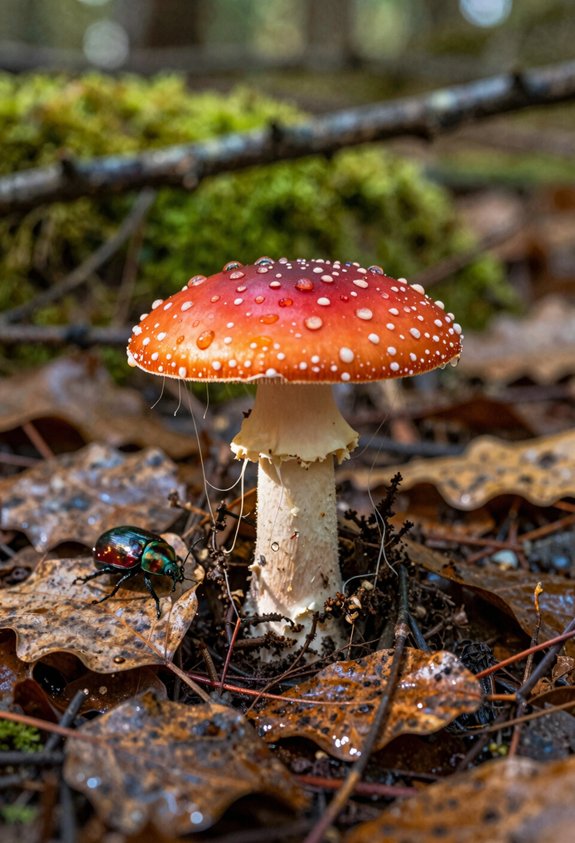
Real-world ecological examples illustrate how organisms shape their environments and influence community structure.
Keystone species like sea otters and wolves demonstrate disproportionate impacts on ecosystem function, while post-wildfire succession reveals how pioneer species gradually transform landscapes into complex communities.
Invasive organisms such as kudzu and zebra mussels disrupt native food webs, highlighting the intricate connections between predators, prey, and decomposers in maintaining ecological balance.
The extensive literature on ecological research provides numerous compelling examples of organisms interacting with their environments across diverse ecosystems.
The polar bear demonstrates remarkable organism adaptation to Arctic conditions through specialized fur, enlarged feet for snow travel, and exceptional swimming capabilities.
Barnacles display organism behavior by permanently attaching to surfaces while filter-feeding ocean nutrients.
In tropical rainforests, leaf-cutter ants exhibit complex social organization by harvesting leaves to cultivate fungal gardens.
Mangrove trees thrive in coastal saline conditions by developing specialized root systems and salt-filtering mechanisms.
Desert cacti show water conservation strategies through modified photosynthetic pathways and reduced leaf surfaces.
These examples highlight how organisms continuously evolve specialized adaptations to maximize survival and reproductive success within their ecological niches.
Keystone Species Impact
Keystone species represent some of the most profound examples of how individual organisms can shape entire ecosystems. Sea otters exemplify keystone predators by controlling sea urchin populations, thereby protecting kelp forests that support diverse marine life. When removed, trophic cascades often result, destabilizing ecosystem balance through multiple levels of the food web.
Beavers demonstrate how keystone species modify landscapes, creating wetlands that enhance biodiversity resilience. Their dams alter community structure, providing habitat for numerous species while regulating water flow.
Understanding these complex species interactions has become essential in habitat restoration efforts.
Ecological networks fundamentally depend on keystone species functioning as hubs of connectivity. Their disproportionate influence underscores why conservation priorities often target these organisms—protecting one keystone species effectively preserves numerous dependent species and maintains ecosystem integrity.
Succession After Wildfires
Wildfire disturbances catalyze remarkable ecological succession processes, where organisms respond in predictable patterns to rebuild forest communities. After severe burns, pioneer species like fireweed and certain fungi colonize the nutrient-rich ash substrate, initiating post-fire recovery.
These early colonizers modify soil conditions, enabling shrubs and fire-adapted trees to establish. The lodgepole pine demonstrates exceptional fire resilience through serotinous cones that release seeds primarily after intense heat.
Similarly, giant sequoias depend on fire to clear competing vegetation and release seeds. In Australia’s eucalyptus forests, epicormic buds protected beneath thick bark sprout new growth following fires.
This succession illustrates how ecosystems have evolved regenerative mechanisms in response to periodic burning, with species adaptations enabling rapid recolonization and community restoration, ultimately leading to mature forest development over decades.
Invasive Species Effects
Numerous invasive species have profoundly reshaped ecosystems worldwide by disrupting established ecological relationships. The introduction of Asian carp to North American waterways has decimated native fish populations by consuming their food sources and outcompeting them for habitat.
Similarly, the brown tree snake’s arrival in Guam led to the extinction of twelve native bird species, fundamentally altering the island’s ecological balance.
Plant invaders also transform environments considerably. Purple loosestrife crowds out native wetland vegetation, reducing biodiversity and degrading wildlife habitat, while eucalyptus trees introduced to California alter soil chemistry and increase fire risks.
These examples demonstrate how invasive species can trigger cascading effects through food webs, often resulting in reduced ecosystem resilience and simplified community structures that lack the complexity needed to maintain ecological balance.
Food Web Interactions
Every functional ecosystem relies on food webs that illustrate the complex energy transfer relationships between organisms. These interconnected networks demonstrate how energy flows from primary producers through various trophic levels.
For instance, in marine ecosystems, phytoplankton serve as primary producers, supporting small fish that become prey for larger predators like sharks.
Predator-prey dynamics greatly influence population control across ecosystems. The classic example of wolves and elk in Yellowstone demonstrates how apex predators regulate herbivore populations, indirectly affecting vegetation patterns.
When predators are removed, prey species often increase dramatically, leading to resource depletion. Conversely, introducing predators can trigger trophic cascades affecting multiple levels in the food web.
These relationships create feedback loops that maintain ecosystem balance and resilience against disturbances, highlighting the importance of preserving complete ecological communities.
Symbiotic Relationships Observed
Symbiotic interactions provide foundational examples of how organisms in ecosystems develop interdependent relationships for mutual survival. These ecological partnerships manifest in three primary forms: mutualism, commensalism, and parasitism.
Mutualism examples include pollination relationships between bees and flowering plants, where both species benefit.
Commensalism benefits are evident when cattle egrets follow livestock, capturing insects disturbed by their movement without affecting the larger animals.
Parasitism effects often reduce host fitness, as demonstrated by tapeworms extracting nutrients from intestinal tracts.
These varied organism interactions fundamentally shape community structures and ecosystem function. The complex web of symbiotic relationships contributes considerably to biodiversity roles within natural systems, creating selective pressures that drive adaptation and speciation while maintaining ecological balance through specialized niche development.
Edge Habitat Dynamics
Edge habitats, where two distinct ecosystems meet, represent some of the most dynamic and biodiverse zones in ecological landscapes. These boundary areas, called ecotones, often support unique species assemblages adapted to the specific conditions created by overlapping habitats. For example, forest-meadow limits host both woodland and grassland species, creating biodiversity hotspots.
Edge habitats frequently exhibit the “edge effect,” where species richness increases due to resource availability from both adjoining ecosystems.
However, habitat fragmentation can create artificial edges that negatively impact sensitive interior species while favoring edge-adapted generalists.
Biodiversity conservation efforts increasingly focus on managing these boundaries thoughtfully, recognizing their ecological significance. Conservation strategies include maintaining natural edge gradients, limiting abrupt anthropogenic borders, and preserving connectivity between habitat patches to support species movement and genetic exchange across landscape mosaics.
Related concepts
Related concepts in ecology extend beyond the organism itself to include broader frameworks that help scientists understand biological interactions.
Ecosystem services, for instance, describe the benefits organisms provide to their environments, from pollination to nutrient cycling. Trophic cascades illustrate how changes in one species’ abundance ripple through food webs, affecting organism diversity across multiple levels.
Population dynamics connect individual organisms to community-level patterns, revealing how birth rates, mortality, and migration influence ecosystem stability.
The metapopulation theory examines how spatially separated populations interact through dispersal, creating resilience within fragmented landscapes. Niche construction theory explores how organisms modify their environments, creating feedback loops that alter selection pressures.
Similarly, facilitation describes positive interactions where one species improves conditions for others, enhancing community diversity.
These concepts collectively demonstrate that organisms exist within complex networks of relationships that shape and are shaped by ecological processes.
If you want to strengthen your ecology foundation, start with the Ecology Basics to understand core concepts step by step. Dive deeper with 25 Key Concepts in Ecology with Real-World Examples to see how theory applies in nature. If you prefer to learn ecology fast and simply, the Ecology Flashcards are perfect for quick, focused learning. For a complete reference, explore the Glossary of Ecology Terms with 1,500+ terms explained in simple language, available as a PDF for use on any device.
🌿 Explore the Wild Side!
Discover eBooks, guides, templates and stylish wildlife-themed T-shirts, notebooks, scrunchies, bandanas, and tote bags. Perfect for nature lovers and wildlife enthusiasts!
Visit My Shop →