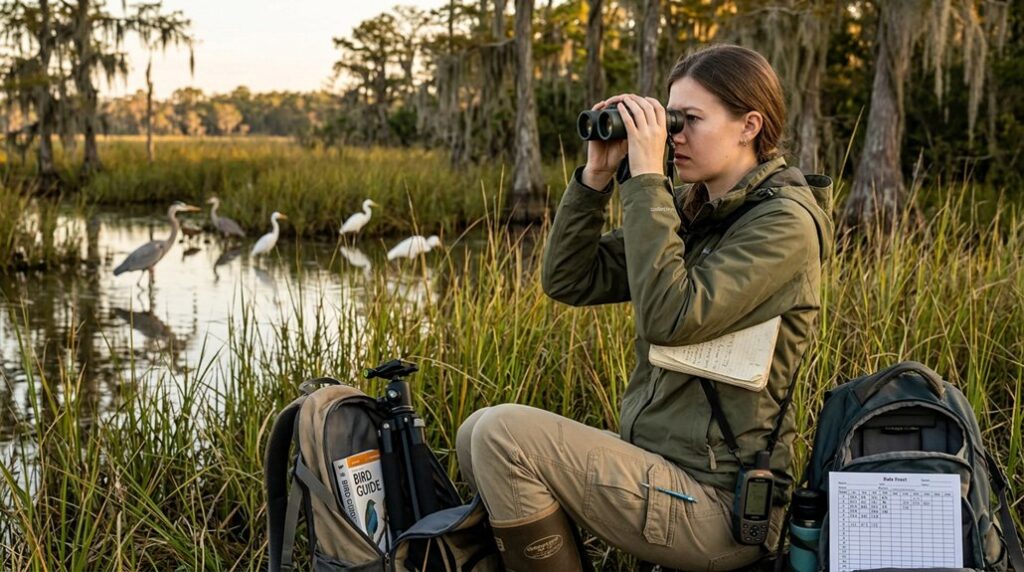
You can start gaining experience in ecology and wildlife biology right now by volunteering, joining community science platforms like eBird or iNaturalist, designing a small projects yourself, or applying for seasonal field technician positions—roles where you’ll learn animal handling, habitat surveys, and data collection firsthand. Even without a degree, logging consistent hours, earning short certifications in GPS or wildlife handling, and documenting your work builds the kind of verifiable, practical resume that hiring managers value. Below, you’ll find a clearer path forward.
What Actually Counts as Wildlife Biology Experience?
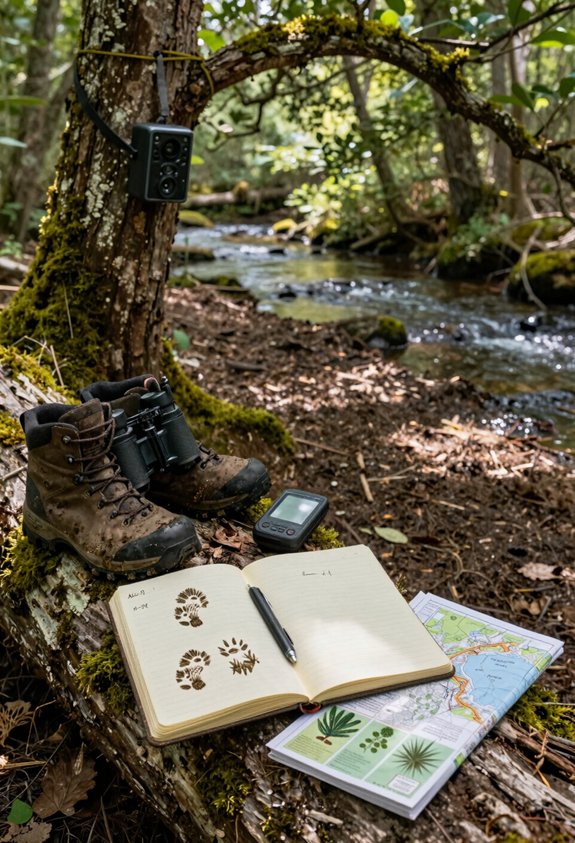
Understanding what actually counts as wildlife biology experience can feel murky at first, because the field rewards a surprisingly wide range of work—some paid, some unpaid, and some you mightn’t even realize qualifies.
The most valued hands-on experience includes seasonal technician roles where you’re setting traps, running surveys, deploying camera traps, or collecting biological samples. University research assistantships—helping professors or grad students gather and analyze data—also carry real weight with employers.
Internships with state wildlife agencies, federal land managers, or accredited conservation organizations count strongly when they involve species monitoring or habitat management. Even technical skills like GIS mapping, statistical analysis, or sampling design demonstrate applied competency on your CV.
Consistent volunteer work counts too, provided it yields verifiable responsibilities and tangible outcomes.
I wrote a detailed blog post about WHAT COUNTS AS EXPERIENCE IN BIOLOGY AND ECOLOGY, so you can read more. In that blog post, you can find an interactive free tool I created where you just input roughly what you did and the tool will rewrite in a proper format for the CV and give you tips so you can just copy and paste it.
You Can Start Building Experience Without a Bachelor’s Degree
Breaking into ecology and wildlife biology doesn’t require waiting until you’ve finished a four-year degree, many of the field’s most practical skills can be built right now, regardless of where you’re in your education.
State agencies, local nonprofits, and university labs regularly hire seasonal or entry-level wildlife field technicians—people who set up camera traps, conduct point counts, or monitor nests—with just a high school diploma and a record of showing up reliably.
What Additional Coursework Career Changers Usually Need
Most full-time wildlife biologist and manager positions require a Bachelor of Science in wildlife biology, ecology, zoology, or a closely related discipline, a degree that typically takes about four years to complete.
To build a career in wildlife biology, you’ll need core coursework in wildlife management, ecology, mammalogy(mammals), ornithology(birds), herpetology(reptiles) and other subjects, as well botany or plant taxonomy. Quantitative classes like statistics, sampling methods, and regression modeling prepare you for the data analysis work employers expect.
You should also take scientific writing and public speaking, since clear communication with stakeholders matters just as much as fieldwork. Aim for a GPA of at least 3.0, as many graduate programs and permanent positions use that benchmark when reviewing applicants.
Volunteer at a Wildlife Rehabilitation Center Near You
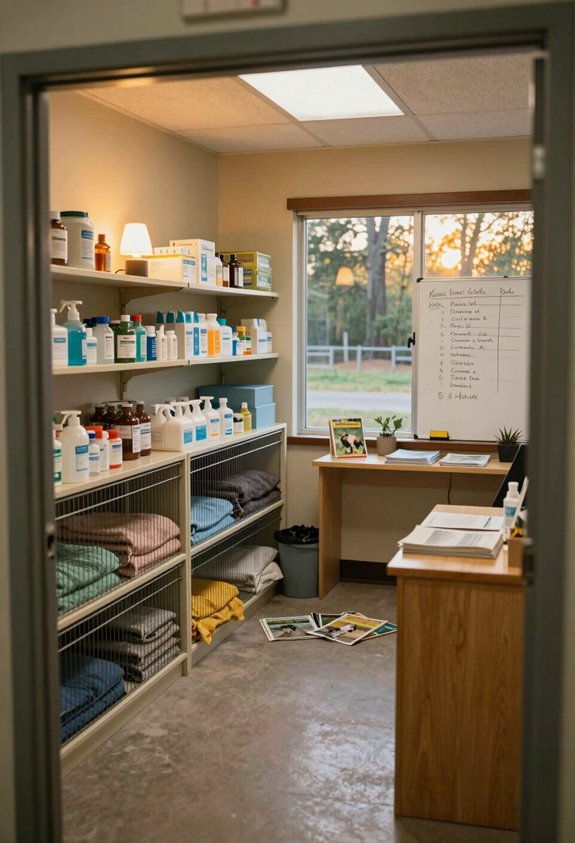
Stepping into a wildlife rehabilitation center as a volunteer lets you build practical, hands-on experience that bridges the gap between classroom learning and real fieldwork.
Most centers ask you to commit four to eight hours weekly for several months, and they’ll train you in species-specific handling—safe techniques tailored to each animal’s biology and temperament.
Your daily tasks will likely include feeding, cleaning enclosures, and assisting with intake triage: the initial health assessment when an animal first arrives.
Before you begin, check your state’s wildlife agency regulations, since some species require permits to handle.
To find a center near you, search the International Wildlife Rehabilitation Council’s directory or your state’s rehabilitator listings.
Aim to log at least 100 volunteer hours, which strengthens applications for internships and technician roles.
Join Conservation Groups That Do Hands-On Habitat Work
While caring for individual animals at a rehabilitation center gives you a close-up understanding of wildlife, joining a conservation group shifts your focus outward to the landscapes those animals depend on. Organizations like state wildlife federations, local land trusts, and student chapters of The Wildlife Society run regular workdays where you can volunteer for hands-on habitat restoration — planting native seedlings, removing invasive shrubs, and stabilizing eroding streambanks.
These tasks build practical skills that employers genuinely value. To make your experience count, track your service hours carefully: record dates, locations, techniques used, species planted or removed, and acreage restored. As mentioned aim for at least 100 documented hours, and combine your fieldwork with workshops in native plant identification or erosion control to earn certifications that strengthen your applications for technician and restoration roles.
Small Tasks Like Building Nest Boxes Can Land You a Job
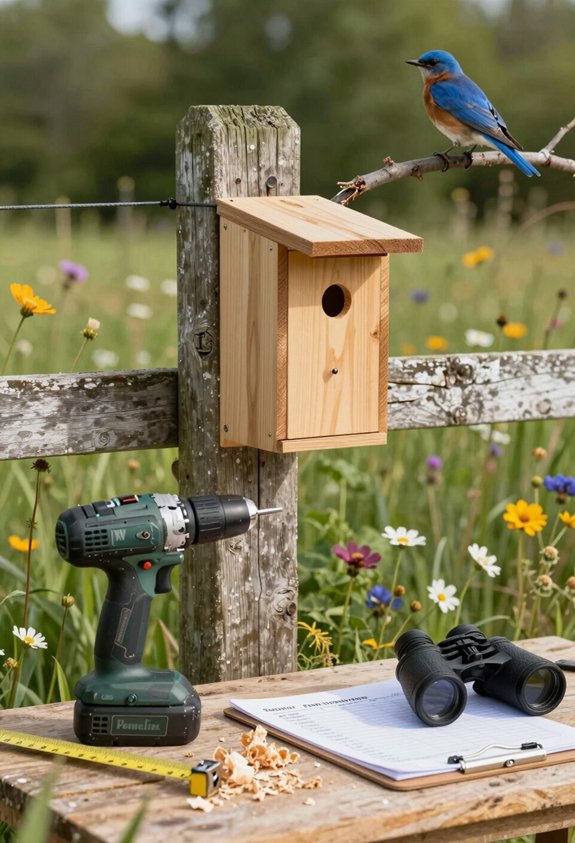
Document everything — site maps, installation dates, species usage photos, and basic monitoring data like nest occupancy and success rates. This shows employers you understand field methods and careful data recording.
If you volunteer consistently with a community nest-box program, organizers often remember reliable helpers when paid technician roles open up. Pair your work with outreach, such as school demos or social media posts, and you’ll also demonstrate the communication skills wildlife employers genuinely value.
Help Professors and Grad Students With Wildlife Research
Reach out to professors and graduate students in ecology or wildlife biology departments, because these researchers regularly need extra hands for fieldwork, lab tasks, and data management, and helping them is one of the most direct ways to build real experience. Send a brief email with your CV, mention specific skills you can offer , like GIS mapping, camera-trap setup, or data entry, and note your availability for multiweek field seasons. If you think that you have no experience, read my blog post HOW TO GET A PAID BIOLOGY INTERNSHIP OR JOB WITH NO EXPERIENCE.
You can volunteer to attend lab meetings, help run wildlife surveys, or process samples, and this kind of consistent involvement often leads to paid technician roles or recommendation letters. Be punctual, follow protocols carefully, and record data accurately, because supervisors who trust your work will confidently include you on publications and future references.
How to Find Wildlife Biology Internships That Actually Pay
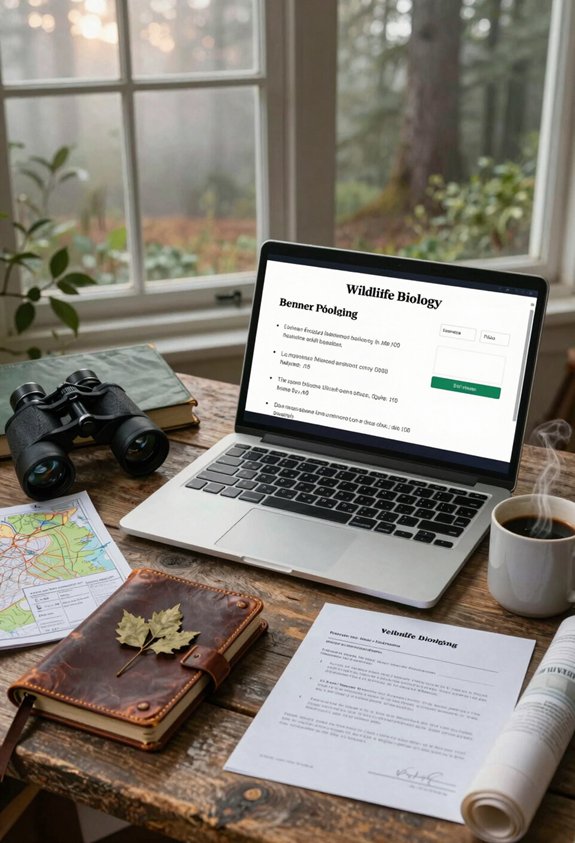
Once you’ve gained some hands-on experience through volunteer work and research assistance, you’ll naturally want to find positions that also pay you for your time, and the good news is that paid wildlife biology internships do exist, though they require a more targeted search than simply browsing general job sites.
Federal programs like NOAA’s Hollings Scholarship, USFS Pathways, and USGS internships regularly offer stipends or hourly wages for early-career candidates interested in wildlife conservation.
State wildlife agencies and university labs with grant funding also hire seasonal technicians at $12–$20+ per hour. To find these roles, use specialty job boards like Ecolog-L and The Wildlife Society’s listings.
You’ll strengthen your candidacy by learning GIS, R statistics, and earning certifications in boating or first aid — skills that justify a paid rate.
Seasonal Wildlife Technician Jobs That Build Skills Fast
Stepping into a seasonal wildlife technician role, a temporary field position lasting roughly three to six months is one of the fastest ways to transform classroom knowledge into real, marketable skills. You’ll learn animal capture and handling, radio telemetry, tracking animals using transmitted signals, camera-trap setup, and habitat surveys, all through direct, daily practice.
Seasonal wildlife technician positions are posted by state agencies, federal programs like the U.S. Fish and Wildlife Service, universities, and nonprofits. Check USAJOBS, The Wildlife Society’s job board, and specialized social media groups regularly.
Prioritize roles offering quantitative experience: data entry, GPS navigation, GIS mapping, and biological measurements. These skills consistently set candidates apart when applying to advanced positions or graduate programs, making even modest-paying seasons deeply worthwhile for your long-term trajectory.
Choose Paid Wildlife Positions When You Can
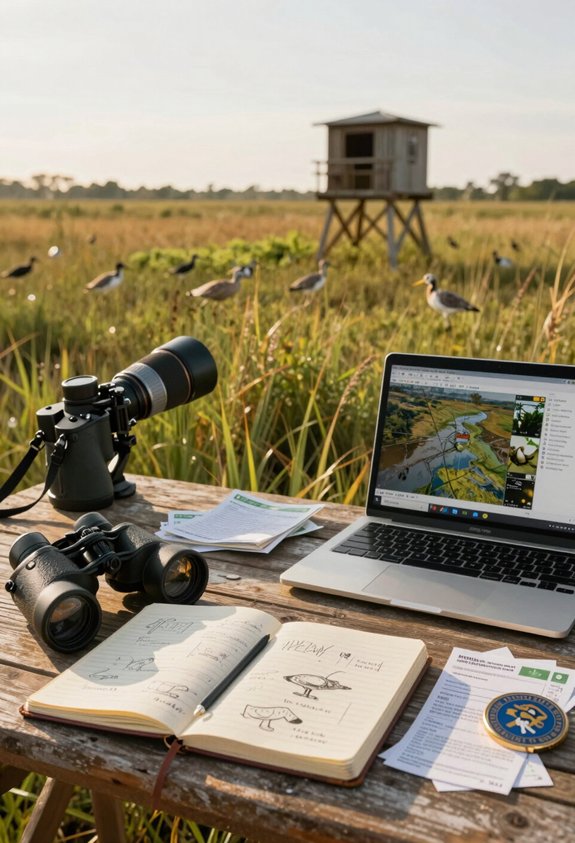
Aim for paid positions whenever possible, because they do more than cover your expenses; they signal to future employers and graduate programs that someone trusted your work enough to invest in it. A paid technician role typically offers $15–25/hr and provides verifiable experience that strengthens your résumé in ways volunteering alone cannot.
When comparing opportunities, look beyond the hourly wage, consider whether housing, travel reimbursement, or a stipend is included, since these benefits shape your true compensation. You’ll also want to confirm the position teaches marketable skills like GIS, radio telemetry (tracking animals using signal receivers), trapping techniques, or data analysis. I know I probably mentioned GIS 1000 times, as I can’t emphasize enough how important it is for you to learn this skill.
These are the specific competencies employers list as required, and earning them in a paid role shows you’ve already performed them at a professional standard.
Where to Find Wildlife Biology Job and Internship Postings
Tracking down the right postings means knowing where to look, because wildlife biology positions don’t always show up on the platforms you’d check first. Many wildlife careers begin with seasonal roles posted on specialized sites, and casting a wide net helps you find them before they fill.
- Specialty job boards—sites like The Wildlife Society Job Board, Conservation Job Board, and USAJobs for federal agencies—list seasonal field technician and intern roles you won’t find elsewhere.
- University lab pages and department boards often post paid research assistant openings locally rather than on large platforms.
- Niche Facebook groups and listservs, such as Getting a Job in Wildlife Biology, share short-term field gigs and unadvertised internships.
- State wildlife agency websites and regional NGOs regularly post hands-on volunteer and technician opportunities that build foundational experience.
If you are interested in where to find good opportunities, application tips, and more, make sure you join my email list.
If you do have some money to spent on paying for an internship, I would definely tell you DO IT. Just make sure that their programs are ethical, educational and that you are learning from an experts. To make your life easier you can download my list of 32 easy-to-join and well-worth-it wildlife conservation internships.
Use Facebook Groups and Online Networks to Find Openings

Many of the most useful wildlife biology openings never make it onto major job sites, but they do turn up in niche Facebook groups where working professionals and recent graduates share leads with one another. Groups like “Getting a Job in Wildlife Biology” and the Wildlife Science Career Network are worth joining early, since members routinely post technician roles, internships, and volunteer opportunities that fill quickly.
Here are few more tips, set keyword alerts for terms like “field tech” or “camera trap,” and check in several times a week. When you notice regional employers, state agencies, university labs, local nonprofits, mentioned in posts, follow their pages and subscribe to their job lists. Message past interns directly to request informational conversations, and track every promising lead in a simple spreadsheet so you can apply promptly before postings disappear.
Learn Bird, Mammal, and Plant ID Before You Apply
Finding job leads is one thing, but showing up to an application with real identification skills is what sets you apart from other candidates who’ve only read about fieldwork. In wildlife biology, hands-on species knowledge signals genuine readiness.
- Start with birds: Learn 50–100 common regional species by sight and song using apps like Merlin, practicing 10–15 minutes daily on walks.
- Study mammals: Master tracks, scat, and behavior cues for 30–50 local species through field guides and trail cameras.
- Build plant skills: Learn 100 regional plants using a dichotomous key, a step-by-step tool that narrows identification through paired choices on weekly field walks.
- Document everything: Submit 100 verified observations to iNaturalist or eBird, creating an evidence-backed portfolio that strengthens your applications.
Get Comfortable With GIS, GPS, and Remote Sensing Tools
And again. Once you’ve practiced field methods and learned to collect reliable data in the wild, you’ll want to pair those skills with the digital tools that help you visualize, organize, and share what you’ve found. GIS—geographic information systems, lets you layer maps, run spatial analyses, and present your findings clearly. You can find many free GIS courses online or buy some GIS books and practice.
- Learn QGIS, a free platform, by completing its official training manual and a hands-on project like mapping local habitat.
- Practice high-accuracy GPS by collecting waypoints and transect data, recording quality indicators like HDOP, and exporting results to shapefiles.
- Take an online remote sensing course to process satellite imagery, calculate vegetation indices like NDVI, and classify land cover.
- Build basic geospatial coding skills in Python or R to automate tasks and produce reproducible analyses employers value.
Learn Basic Stats Before You Need Them in the Field

Strengthen your understanding of statistics now, before you’re standing in a marsh wondering whether your sample size actually means anything, because the truth is that most field decisions—how many plots to survey, where to place traps, whether a population trend is real—rest on concepts you can learn at your desk.
Start with core ideas: distributions, p-values—the probability your result occurred by chance, confidence intervals, and hypothesis testing. Then move into regression, which lets you relate species counts to habitat variables like canopy cover or water depth.
Practice in R or Python with real ecology datasets, reproducing an analysis from a published paper.
Learn power analysis—calculating how large your sample must be to detect a meaningful effect, typically aiming for 80% power. These statistics skills will quietly shape every study you design.
Try Camera Traps and Non-Invasive Sampling on Your Own
Camera traps and non-invasive sampling often give you the most honest picture of wildlife activity, because the animals never know you’re watching.
You can start small by deploying an affordable camera trap on a game trail or near a water source, setting it at 30–50 cm height for medium mammals.
To build reliable data, follow these steps:
- Run each camera trap for 30–60 days with consistent detection settings, so your results are comparable across sites.
- Collect fresh scat, hair, or feathers, storing them in silica desiccant or ethanol with GPS coordinates and habitat notes.
- Record trap-nights, weather, moon phase, and bait status—metadata that supports occupancy modeling later.
- Obtain landowner permission, avoid disturbing endangered species, and anonymize sensitive locations when sharing findings.
Gain Wildlife Experience Across Multiple Habitat Types
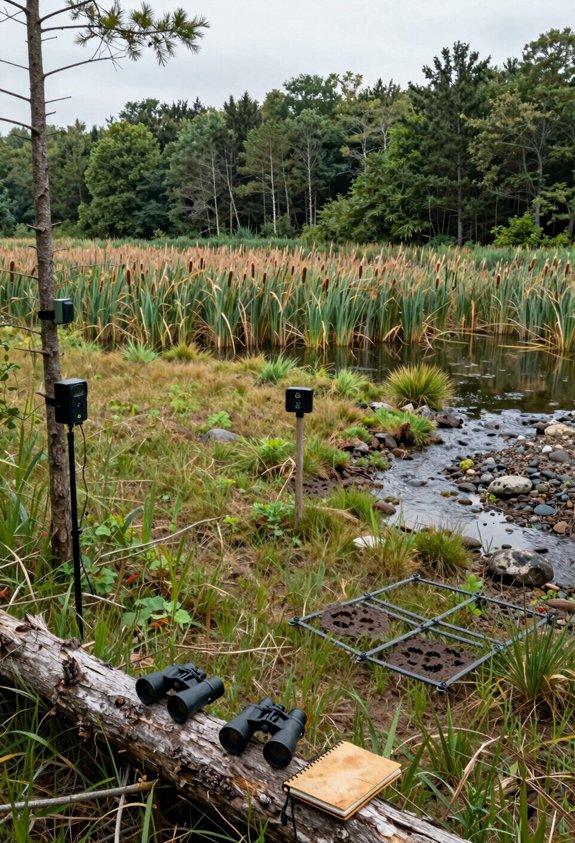
While camera traps and non-invasive sampling let you study wildlife from a single location, your growth as a field ecologist depends on working across different landscapes, forests, wetlands, grasslands, and beyond. Volunteering or working as a seasonal technician in at least three habitat types shows employers you can adapt, and it builds wildlife experience that’s genuinely transferable.
You don’t even need an internship, you can design a small project and do a survey in the nearby park, lake, or forest and gain experience.
Each habitat teaches different methods: mist-netting birds in forests, running amphibian call surveys in wetlands, or conducting line-transect surveys during systematic walks along set paths to count animals in grasslands. Log your hours carefully, aiming for several hundred per habitat, because documented field time strengthens applications considerably.
Don’t Overlook Plant and Vegetation Survey Experience
Learning to identify and survey plants might seem like a detour when your goal is wildlife work, but vegetation data are actually foundational to understanding why animals use certain areas and avoid others.
Habitat composition, what’s growing where and how densely, can explain up to 70% of why certain species select particular sites.
To build strong vegetation/plant surveys skills, consider these steps:
- Learn standard survey methods like transects, quadrats, and point-intercept sampling, since many employers expect competence with these protocols.
- Target the 50–100 most common regional species, plus key invasives, across different seasons and life stages.
- Build GIS and vegetation-mapping skills—digitizing community types and calculating patch metrics are increasingly required in monitoring plans.
- Seek roles pairing plant surveys with wildlife objectives, such as restoration projects or wetland delineation internships.
Wildlife Policy and Outreach Roles Build Experience Too
Even though fieldwork often feels like the most direct path into ecology and wildlife biology, roles focused on policy and outreach can build a surprisingly strong foundation for your career, one that many candidates overlook. Volunteering as a community liaison or education coordinator with local conservation NGOs or state wildlife agencies helps you develop public engagement skills that employers genuinely value.
You can strengthen this foundation by taking courses in conservation policy and NEPA procedures, the environmental review process required for federal projects. Writing blog posts, fact sheets, or social media content for nontechnical audiences demonstrates your ability to translate complex science into clear language.
Attending stakeholder meetings and public hearings connects you with policymakers, and learning grant writing through small community projects shows funders you can secure and communicate meaningful outcomes.
Record Validated Wildlife Observations on iNaturalist and eBird
Start by creating free accounts on both iNaturalist and eBird, two citizen science platforms where everyday observers contribute wildlife data that researchers, land managers, and conservation planners actually use. Enable GPS on your device so each observation automatically includes precise coordinates, date, and time.
To make your contributions scientifically valuable, follow these practices:
- Photograph identifiable features from multiple angles—close-ups of key traits and wider habitat shots—so iNaturalist reviewers can confirm your species identification.
- Submit complete eBird checklists that include duration, distance traveled, and effort details.
- Count individuals accurately, note behavior and habitat, and upload raw media alongside field notes.
- Engage with local projects, respond to identification requests, and follow expert identifiers to build credibility and help your observations reach research-grade status.
Build a Portfolio of Survey Reports and Field Data
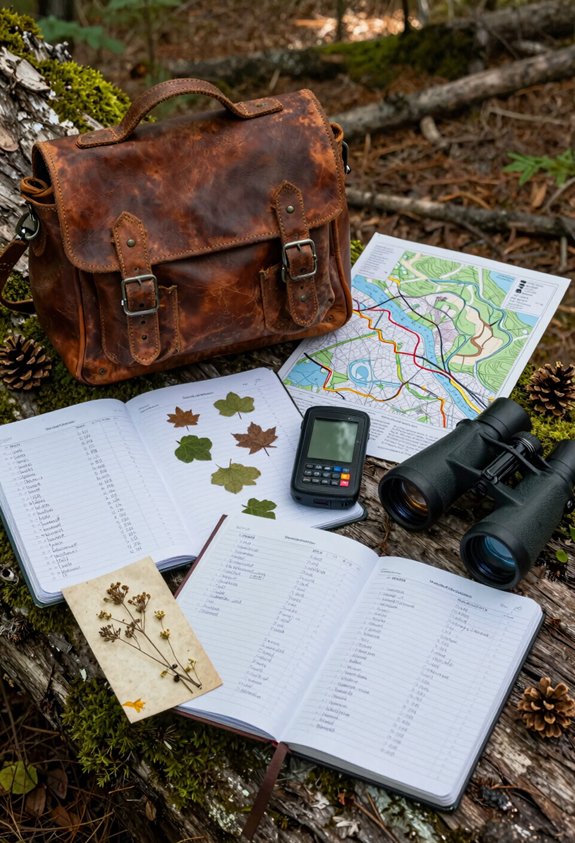
Compile your field observations into structured survey reports that demonstrate not just what you found, but how you found it, because employers and graduate programs want to see that you can design a study, collect data systematically, and present your findings in a clear, reproducible way.
A strong wildlife biology portfolio includes at least one complete report with an introduction, methods, results featuring summary statistics and figures, discussion, and management recommendations, aim for five to ten pages with maps and charts.
Include raw datasets alongside cleaned summaries showing counts, effort hours, and detection rates.
Archive your field records—datasheets, photos, audio—with clear file naming, metadata, and a README explaining your quality checks.
Whenever possible, pair reports with quantifiable outcomes, like estimated density or occupancy models, briefly noting the software you used.
Attend Wildlife Society Meetings and Student Chapters
Once you’ve built a portfolio that shows what you can do in the field, the next step is making sure the right people know about it—and one of the best ways to do that’s by joining The Wildlife Society, a professional organization for people working in wildlife science and management.
Student membership is inexpensive, and it opens doors you mightn’t find on your own.
Once you’re a member, consider these steps:
- Attend chapter meetings and regional conferences, where you can present posters and connect with employers from agencies and conservation groups.
- Volunteer for field trips and service projects—habitat restoration, nest box building—to gain hands-on experience.
- Take on a leadership role, like officer or committee chair, to develop project management skills.
- Use chapter workshops on resume prep, internship listings, and alumni panels to find opportunities matching your goals.
Go to Wildlife Conferences Before You Feel Ready
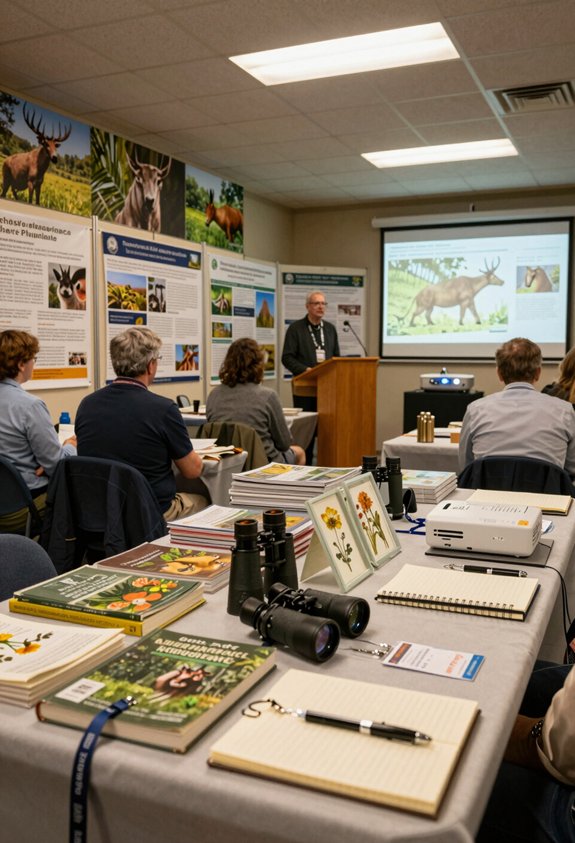
Even if you don’t yet have a résumé filled with field positions, attending a wildlife conference, a professional gathering where researchers, managers, and students share their work through talks, posters, and workshops can be one of the most valuable things you do early in your career. Many Wildlife Society meetings offer student rates and travel stipends, making attendance more accessible than you might expect.
You can present a poster at a student session, even with an early-stage project, and use that conversation to connect with hiring managers. Visit exhibitor booths with a one-page skills summary, and ask about seasonal technician or volunteer roles, many hires begin with these on-site exchanges.
How Networking at Green Careers Events Opens Doors
Green careers events—regional fairs and networking weeks like the annual Green Careers Week held each November, can open up opportunities that you won’t find scrolling through Indeed or LinkedIn, because many employers in conservation, agronomy, engineering, and park management fill positions through in-person conversations rather than online postings.
To make the most of these events, consider this approach:
- Bring few resumes for diffrent positions and prepare a 30–60 second elevator pitch, a brief, memorable introduction about your interests and skills.
- Ask for informational interviews or volunteer trial days on the spot, since many hiring managers prefer candidates they’ve observed firsthand.
- Follow up within 48 hours by email or LinkedIn, referencing a specific conversation.
- Track every contact in a simple spreadsheet with notes and next steps.
Ask Working Biologists for Informational Interviews
Beyond the energy of career fairs and networking events, some of the most valuable guidance you’ll find comes from quieter, one-on-one conversations with people already doing the work you’re interested in.
An informational interview, a brief, focused conversation where you ask a professional about their career path, can reveal insights no job posting ever will.
Reach out to state wildlife biologists, grad students, or field technicians through LinkedIn or Wildlife Society chapters, and request just twenty minutes of their time. Prepare five to ten specific questions about entry-level skills, hiring timelines, and local internships.
Ask for referrals, names of hiring managers, professors, or volunteer coordinators you can contact. Afterward, send a thoughtful thank-you email within a day, and maintain the relationship by sharing updates every few months.
Say Yes to Unfamiliar Locations and Harsh Field Conditions
When you’re scanning job boards for your first field position, you’ll notice something quickly: the most available roles seasonal technician spots, temporary survey crews, short-term monitoring assignments—tend to be in places you’ve never visited and conditions you haven’t yet faced. Be willing to relocate widely, because saying yes builds the diverse experience employers value most.
Prepare yourself by keeping four realities in mind:
- Field seasons often demand 10–16 hour days in extreme heat, cold, or insect-heavy environments, so physical fitness and layered clothing matter.
- Many positions require living in remote camps far from home, which means budgeting for gear and personal costs.
- Working unfamiliar climates, northern winters, tropical wet seasons, builds resilience and broadens your technical skills.
- Short-term gigs in unexpected regions often convert into long-term career opportunities through strong references.
Why Relocating for Your First Wildlife Job Is Worth It
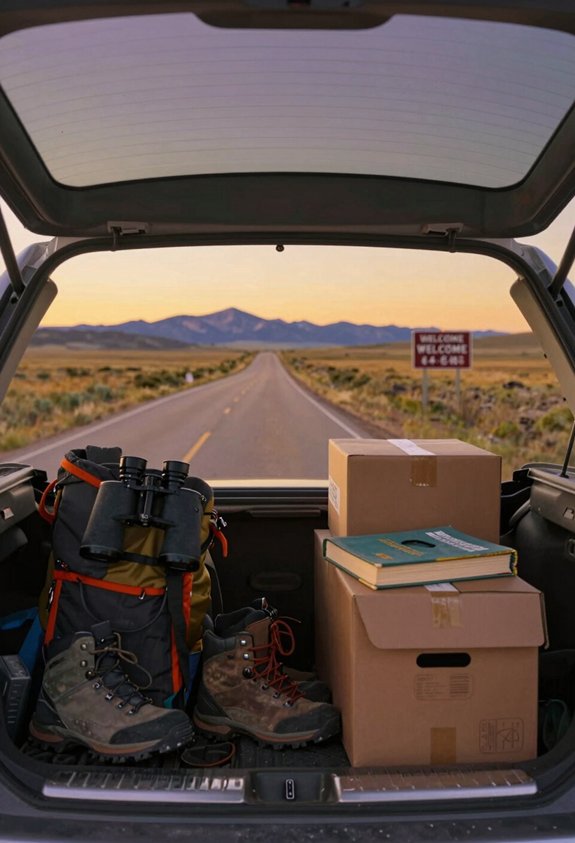
Moving to an unfamiliar place for a short-term wildlife job can feel like a big gamble, but it’s one of the most reliable ways to build the career you’re working toward. Permanent local openings are rare, and relocating dramatically increases your chances of finding meaningful work, positions involving trap surveys, telemetry tracking, or nesting studies that employers genuinely value.
Each move introduces you to different ecosystems, fresh research methods, and professionals whose references can shape your future. Many early-career biologists take several temporary roles across multiple states before securing a permanent post or graduate assistantship, a funded research position that often includes housing or a stipend.
Relocating isn’t just about tolerating inconvenience; it’s about building diverse, hands-on experience that makes you a stronger candidate every time you apply for the next opportunity.
Stay Open to Related Roles in Land and Habitat Management
Although your goal might be a career focused squarely on wildlife, you’ll find that some of the most valuable experience comes from roles in land and habitat management, work that centers on shaping and restoring the landscapes where wildlife actually lives.
These positions build conservation skills that transfer directly to ecology careers.
Consider pursuing opportunities like these:
- Seasonal technician roles with agencies such as the USFS or NRCS, where you’ll learn prescribed burning, invasive-species control, and hands-on management techniques.
- Volunteer or entry-level positions with land trusts and conservation NGOs doing habitat restoration and native-plant propagation.
- Certifications in prescribed burning, pesticide application, chainsaw safety, or GIS—credentials that land managers actively seek.
- Contract fieldwork on wetland restoration projects, ranches, or mitigation banks, where you’ll develop plant identification, erosion control, and vegetation monitoring skills.
Why Employers Value Wildlife Field Experience Over Grades
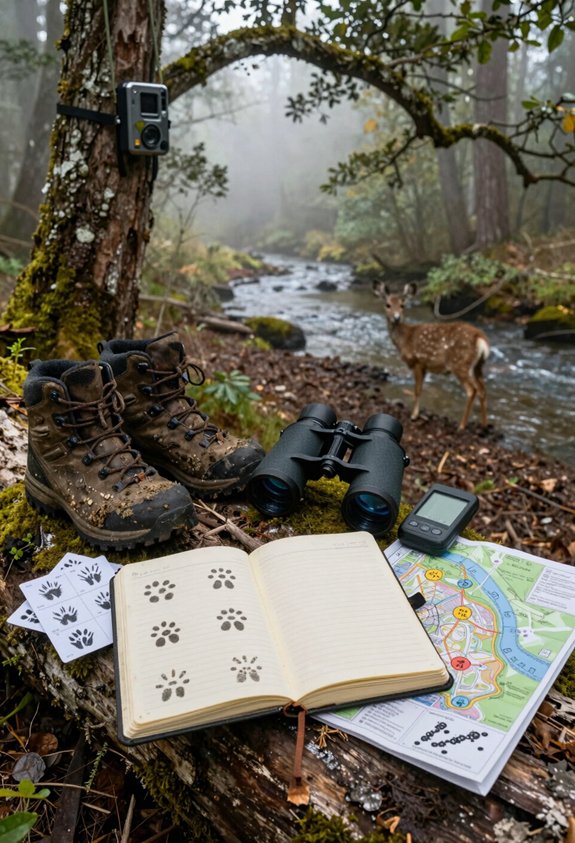
Stepping into the hiring process for wildlife positions, you’ll quickly notice that most job announcements emphasize specific field skills, things like mist-netting birds, setting live traps, conducting nest surveys, or operating telemetry receivers, far more than they mention GPA requirements. Employers prioritize these competencies because they reduce training time and lower safety risks once you’re working in remote or demanding conditions.
Your hands-on experience, whether gained through internships, technician jobs, or volunteer fieldwork, gives hiring managers concrete evidence of what you can do. A transcript shows that you studied concepts, but field hours demonstrate that you’ve applied them reliably.
Employers also look for the work habits that field roles cultivate: punctuality, endurance during long survey days, and the honesty to admit mistakes before they compromise data integrity or team safety.
Will You Eventually Need a Bachelor’s for Wildlife Biology?
Even though field experience carries enormous weight in hiring decisions, a Bachelor of Science in a relevant discipline, wildlife biology, zoology, ecology, or a closely related field, remains the standard credential that most employers expect before they’ll consider you for a permanent wildlife biologist or wildlife manager position.
A bachelors degree in wildlife serves as your baseline, and here’s what you should keep in mind:
- Most entry-level professional roles require at least a B.S. as a minimum qualification.
- A minimum undergraduate GPA of about 3.0 is commonly expected for hiring and graduate school admission.
- Advancement often favors candidates with graduate degrees, so your B.S. is typically just the first step.
- If you’re shifting from a nontraditional background, you’ll likely need additional coursework or a completed B.S. to meet credential expectations.
When a Graduate Degree Becomes Necessary for Advancement in Wildlife Biology

Once you’ve built a solid foundation with your bachelor’s degree and accumulated some field experience, you’ll likely start noticing that many of the permanent positions you want, research scientist, wildlife biologist, agency biologist roles involving independent study design and team supervision, list a master’s degree as a requirement rather than a preference. This shift typically happens when job postings demand advanced quantitative skills like spatial modeling or complex statistical analysis, abilities a masters degree program is specifically designed to develop.
A graduate program also gives you something harder to quantify: thesis publications, experience mentoring technicians, and professional networks that make you genuinely competitive for limited permanent openings.
If your target employers state agencies, federal offices, NGOs, or consultancies routinely list a graduate credential on vacancy announcements, pursuing that degree becomes less optional and more essential for meaningful advancement.
Why a 3.0 GPA Still Matters for Wildlife Biology Jobs
Although field experience and technical skills carry enormous weight in wildlife biology, your grade point average, the numerical summary of your academic performance, still serves as a baseline filter that many employers and graduate programs use to sort through applicants. A GPA of 3.0 or higher keeps doors open that might otherwise close quietly.
- Many wildlife agencies use a 3.0 GPA cutoff when screening candidates for entry-level biologist and manager positions.
- Graduate programs often require a 3.0 for admission and funding eligibility.
- A strong GPA signals dedication and professional competency, especially when applicants share similar field backgrounds.
- If your GPA falls below 3.0, you can strengthen your profile through internships, technician roles, strong recommendation letters, and targeted coursework in statistics, ecology, or species-specific subjects.
Pairing solid academics with hands-on technical skills maximizes your competitiveness.
Good Writing and Speaking Skills Set You Apart

Beyond your GPA and field experience, the ability to communicate clearly—both on paper and out loud, can separate you from a crowded pool of equally qualified candidates. Strong writing skills show up everywhere in this field: scientific papers, one-page briefs for land managers, and grant proposals that fund your next project.
Practice writing concise summaries a nontechnical reader can follow, and learn to build clean figures with proper axes, legends, and captions. On the speaking side, rehearse a 10-minute presentation of your work—hiring panels often evaluate candidates this way. Seek honest feedback from advisors, writing centers, or professional workshops, because even small revisions sharpen your message; do not be shy to ask.
You don’t need to be a gifted storyteller; you just need to convey your ideas with precision and confidence.
Clean Up Your Social Media Before Employers Look
Hiring managers today routinely check applicants’ social media profiles before scheduling an interview, so it’s worth taking an honest look at what your online presence says about you.
A few straightforward steps can protect your reputation:
- Search your name on Facebook, Instagram, Twitter/X, TikTok, and LinkedIn, then set past posts to friends-only or delete anything unprofessional.
- Ask friends to remove unflattering tagged photos, since deleted posts can still surface in screenshots or archives.
- Update LinkedIn with a professional photo, a clear summary, and accurate experience, make sure other platforms don’t contradict your stated skills.
- Share conservation work, volunteer activities, or relevant articles to build a consistent, positive narrative.
Your social media should reflect the same professionalism you’d bring to a field crew or research lab.
Be Dependable and Honest in Every Wildlife Role
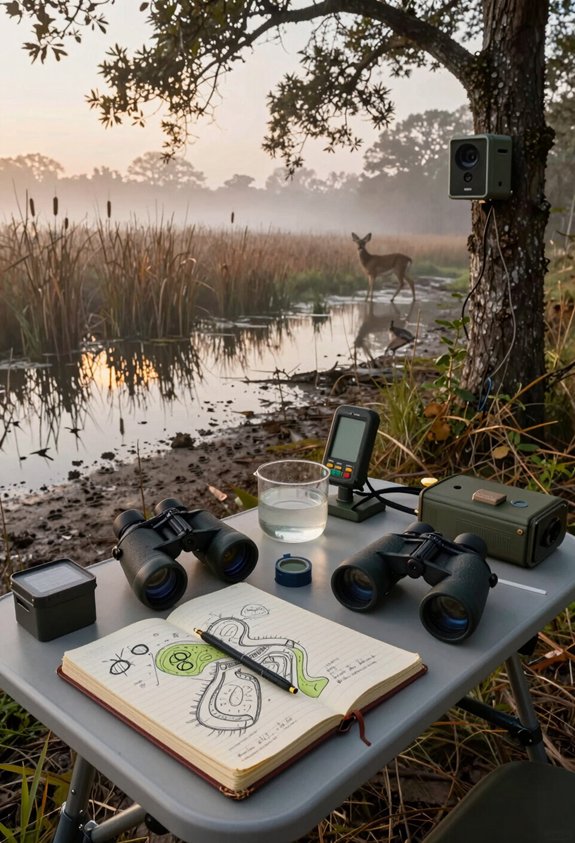
In nearly every wildlife position you’ll hold, your reputation will rest less on what you know and more on what people can count on you to do—day after day, without reminders. Dependability means showing up on time with your boots, GPS, datasheets, and PPE—personal protective equipment, ready before anyone asks. It means recording data properly, backing up files, and reporting mistakes the moment they happen rather than hoping no one notices.
Follow protocols exactly, whether you’re handling animals, mixing sedation doses, or steering capture procedures, because even small deviations can harm wildlife and undermine your team’s credibility.
When you accept responsibility and correct errors promptly, supervisors notice and they remember. Those are the technicians who earn strong reference letters, return offers, and eventually, permanent positions built on quiet, consistent trust.
Admit Mistakes Quickly and Fix Them Faster
When you catch a mistake, a GPS unit set to the wrong datum, a sample mislabeled as “Site B,” or a site visit you simply forgot, the most professional thing you can do is tell your supervisor or team within 24 hours, because errors that sit unaddressed quietly ripple through datasets and decisions long after the original moment has passed.
When you admit errors promptly, you preserve trust and open the door to real correction.
- Explain what went wrong with specific details so the fix targets the root cause, not just the symptom.
- Propose a concrete solution and timeline, re-survey affected transects within three days, and re-run analyses by week’s end.
- Document the mistake and correction in field notebooks, lab logs, or dataset README files for clear data provenance.
- Implement one prevention step immediately, such as checklists or automated validation scripts.
Earn Strong Reference Letters Through Reliable Work
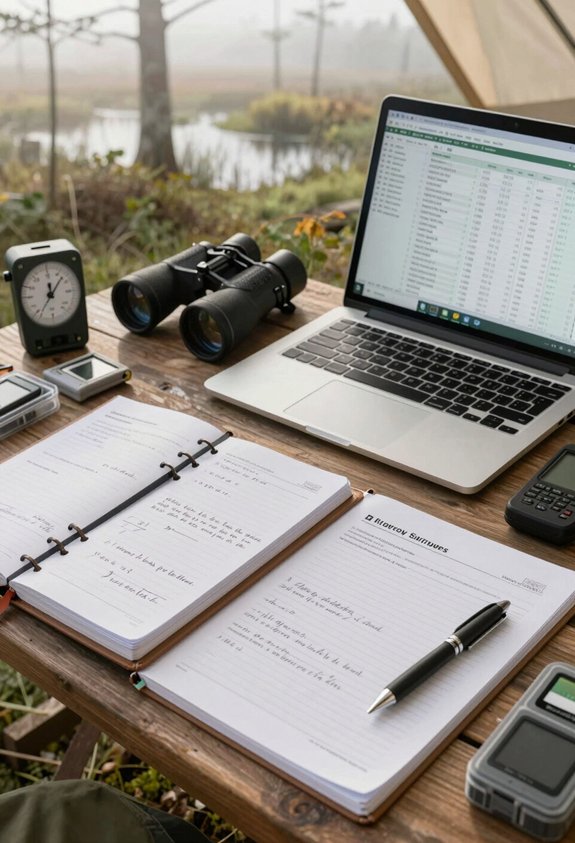
Almost every opportunity you’ll pursue in ecology and wildlife biology graduate programs, seasonal technician positions, research assistantships will ask for reference letters, and the quality of those letters depends directly on the quality of work you’ve done under someone’s guidance.
Show up on time, meet deadlines, and complete tasks accurately—these habits form the foundation of reliable work that supervisors remember. Volunteer for varied responsibilities like building nest boxes, running vegetation surveys, or maintaining camera traps, and document what you contribute so your mentors can cite specific accomplishments.
Ask for feedback often, correct mistakes transparently, and track your growth, because concrete examples of accountability make letters genuinely persuasive. Build relationships with professors, grad students, or project leads who directly supervise you, they’ll write the most credible, detailed letters on your behalf. Never skip asking for a letter.
How Knowledge, Skills, and Contacts Work Together
Because ecology and wildlife biology demand so much range from understanding statistical models to identifying plants in the field to knowing the right people who can vouch for your work, it helps to think of your preparation as three interconnected strands rather than separate checklists.
- Coursework deepens fieldwork: Your statistics classes make sense of the data you collect during seasonal jobs, turning raw numbers into meaningful patterns.
- Technical skills attract mentors: When you’re proficient in GIS or camera-trap setup, professionals notice and invite you into projects.
- Contacts reveal hidden openings: Many wildlife biologists learn about positions through networks built at conferences or volunteer events.
- References tie everything together: Strong recommendations confirm that your knowledge, skills, and character form a reliable whole.
Pick One Local Wildlife Opportunity This Week and Apply
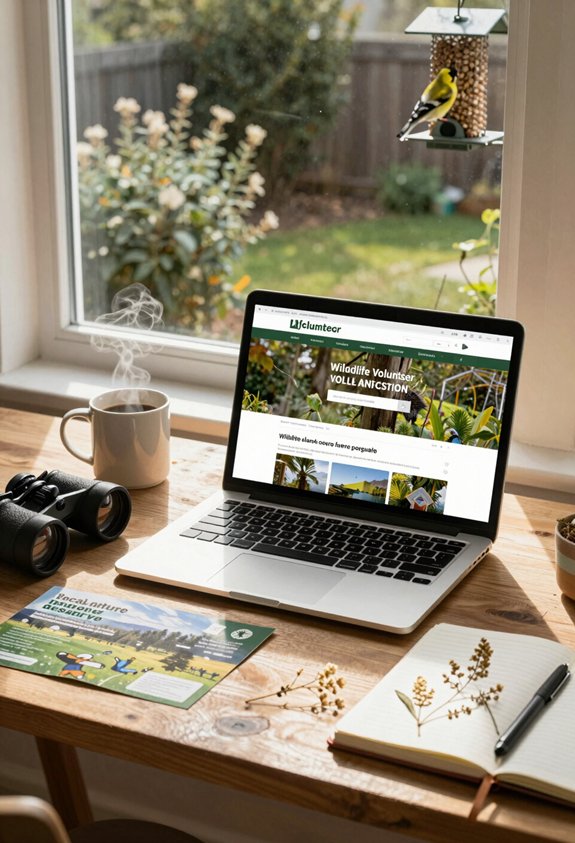
Within the next few days, you can move from reading about ecology to actually doing it—and the simplest way to start is by choosing one local wildlife opportunity and submitting an application before the week ends.
Check your state’s Department of Natural Resources for seasonal technician openings, or email a nearby university professor a concise pitch offering to volunteer in their field or lab work.
You might also sign up for a citizen-science project, an organized effort where everyday people collect real data, like a local bird count or bioblitz, through platforms such as eBird or iNaturalist.
Contact a nature center about habitat restoration events, or browse The Wildlife Society job board filtered to your region.
One application, sent this week, begins everything.
LAST THOUGHTS
Like any journey of a thousand miles, yours begins with a single deliberate step one volunteer shift, one course, one conversation with a mentor who’s walked the path before you. You’ve already gathered the map how to get experience in ecology and wildlife biology: skills, knowledge, and connections that reinforce each other over time.
Don’t wait for the perfect moment, because it won’t arrive on its own.
Pick one opportunity this week, commit to it, and let momentum carry you forward.

Erzsebet Frey (Eli Frey) is an ecologist and online entrepreneur with a Master of Science in Ecology from the University of Belgrade. Originally from Serbia, she has lived in Sri Lanka since 2017. Eli has worked internationally in countries like Oman, Brazil, Germany, and Sri Lanka. In 2018, she expanded into SEO and blogging, completing courses from UC Davis and Edinburgh. Eli has founded multiple websites focused on biology, ecology, environmental science, sustainable and simple living, and outdoor activities. She enjoys creating nature and simple living videos on YouTube and participates in speleology, diving, and hiking.
🌿 Explore the Wild Side!
Discover eBooks, guides, templates and stylish wildlife-themed T-shirts, notebooks, scrunchies, bandanas, and tote bags. Perfect for nature lovers and wildlife enthusiasts!
Visit My Shop →