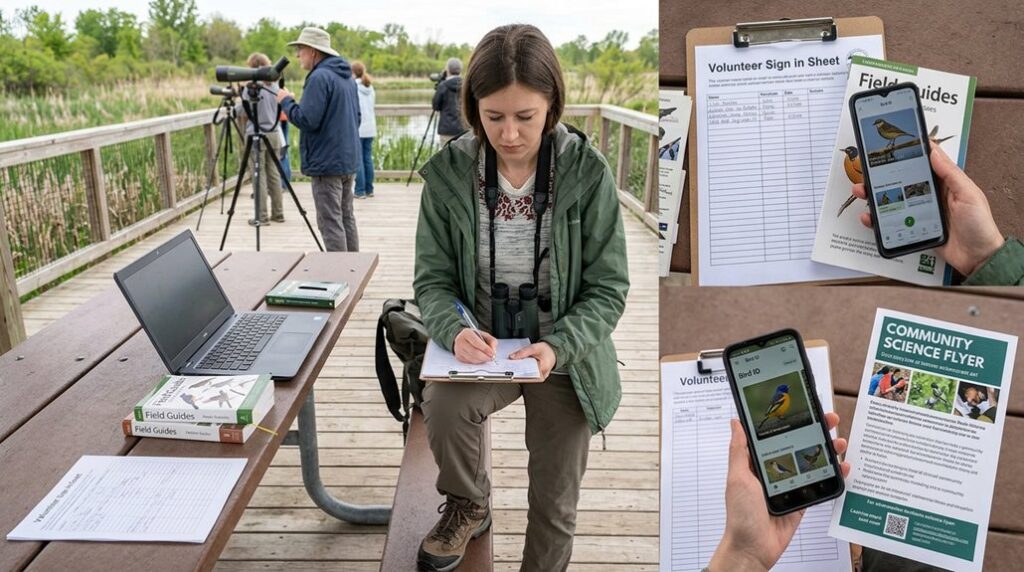
You can build wildlife research experience where you live by collecting field data that others can verify such as records with a date, GPS location, and effort notes (time, weather notes, and method).
Start with eBird or iNaturalist, run the same 20‑minute survey at a nearby park each week, add clear photos and counts, and export your checklists as proof.
Join structured programs like RiverWatch or iMapInvasives, log your hours, and you’ll start building a portfolio that stands up to scrutiny, with practical next steps ahead.
Wildlife Research Experience: What Counts (and Why)

Building wildlife research experience often starts with noticing what already counts, and then choosing to document it with care.
When you log observations on recognized citizen-science platforms like eBird or iNaturalist, you’re producing records that are time-stamped and geo-referenced, meaning they show when and where you found something, and working ecologists regularly use those datasets, so you can list the project name and your contribution numbers on a resume.
You can also build skills through local volunteer opportunities, such as RiverWatch invertebrate surveys or park restoration days, where you practice standardized sampling, GPS use, and invasive-plant removal in ways employers can verify.
Even if you only help a few hours each month, repeated, documented effort signals steady monitoring.
Make sure to translate past jobs into methods, tools, and measurable outputs. I have a post that can help you with that.
I wrote a detailed blog post on WHAT COUNTS AS EXPERIENCE IN BIOLOGY AND ECOLOGY. So you can read it, and there you can find my interactive tool where you input your experience, and the tool will rewrite it in a form that is suitable for CV, so you can just paste it.
Get Wildlife Research Experience Without Relocating
Start where you’re and work outward, because you can gain real wildlife research experience without relocating if you treat your local patch like a study site and record what you do with care.
When was the last time you actually went outside, observed wildlife and plants at the lake or nearby forest, and made a record? Or designed a small project by yourself? I’m sure many of you rarely or ever do that.
So don’t be the one who just complains about not getting experience because of a competitive market or internships that demand prior experience. Instead of complaining, do something.
If you want experience, you can definitely get it. And if you’re thinking, “I’m living in an apartment in the middle of the city,” great, there are plenty of urban‑ecology projects you can start yourself. Do your research! There is no excuse!
Join Citizen or community science platforms like eBird and iNaturalist, and log sightings with photos, dates, and locations—those become verifiable data points you can cite.
Look for hyperlocal ones, such as RiverWatch or forest-preserve workdays, where you’ll practice surveys, remove invasive plants, and learn restoration basics in a few steady hours.
Use iMapInvasives to report invasives, meaning nonnative species that spread fast, and add mapped records professionals use.
Volunteer with nearby parks, rehab centers, conservancies, or extension projects for sampling, data entry, and calm networking.
Track hours, methods, and outputs on your CV.
A Simple 90-Day Plan to Start Locally
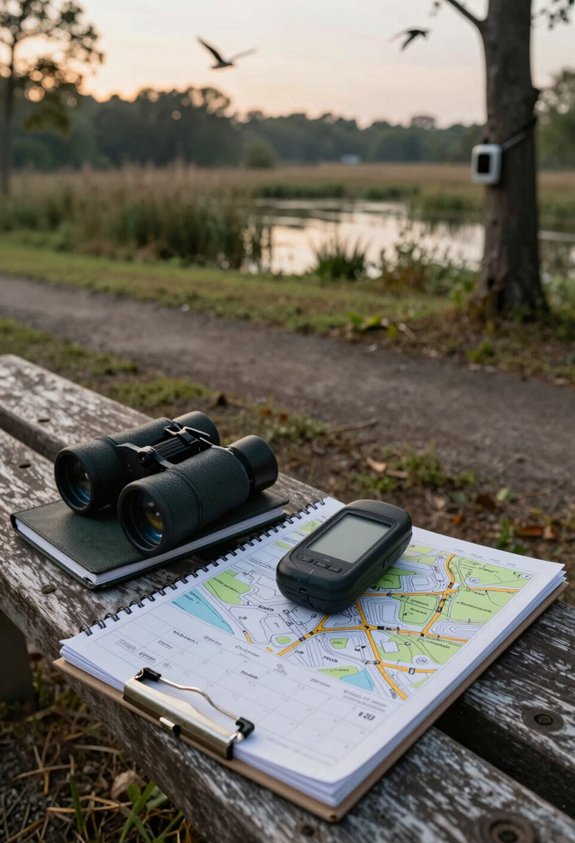
Because research skills grow fastest when you practice them in small, repeatable steps, a simple 90-day plan can help you turn your everyday walks, nearby parks, and weekend volunteer shifts into evidence you can show on a CV.
In weeks 1–2, audit what you already do, then translate it into research language—“logged 200+ observations on iNaturalist” or “organized outreach data”—and rewrite your resume. From days 10–30, join two citizen-science platforms, and submit three verifiable records weekly, building 12+ solid entries.
In weeks 5–8, schedule volunteer days to help at a park or rehab center, aim for 4–8 hours weekly, and choose tasks with counts you can report.
In weeks 9–12, draft a one-page project summary, then email two local ecologists. Experience is KEY.
Why You’re Not Getting Wildlife Interviews (Common Causes)
When interviews keep slipping away, it’s usually not a mystery so much as a mismatch, your application doesn’t clearly show the kind of hands on experience employers screen for, so you get filtered out before anyone talks to you.
You may have done solid work, yet it’s buried, or written as “helped” instead of “collected data,” “ran surveys,” or “entered records,” with hours counted, because reviewers need proof fast.
If you lean on a degree alone, even a master’s, you can look untested unless you name skills like GPS transects, walking set routes with a GPS, and species ID, which means recognizing animals correctly.
Gaps aren’t fatal, but explain them and show continued activity.
Finally, don’t apply in a vacuum: build a local network through volunteer days and events.
How Competitive Is Conservation Hiring in 2026?
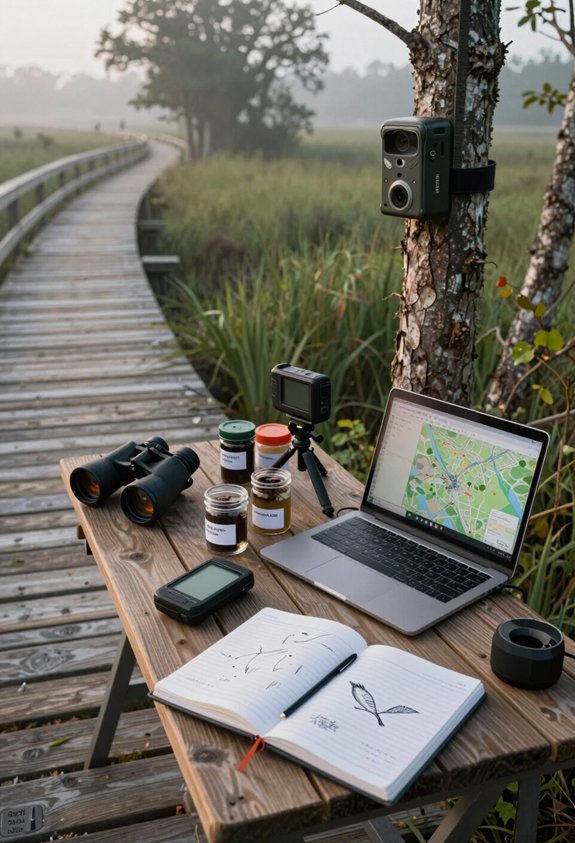
Landing interviews often comes down to showing clear, hands on proof of your skills, yet it also helps to understand the job market you’re stepping into, and in 2025, conservation hiring is simply tighter than many people expect.
Since March 1, 2025, non-federal postings dropped nearly 30% compared with 2024, while jobseekers per posting rose about 40%, so you’re meeting bigger applicant pools for fewer openings. Employers also report federal funding freezes and economic uncertainty, which slows hiring, especially for seasonal and entry-level roles. Pay stays squeezed too, because even experienced people compete for $50–55K jobs.
In this climate, your documented experience matters more than extra classes, and a strong local network, events, referrals, and clear resume framing, can move you from “one of many” to “worth a call.”
Pick One Track: Field Surveys, Rehab, or Monitoring
Choose your track with intention, then show up for it steadily, your resume reads very differently when you can point to 50–200 verifiable hours a year in one clear lane.
Pick the lane that fits your week, then document it carefully, because steady practice turns small shifts into real skill.
- Field surveys: learn fixed-radius point counts (you stand still and record birds) or 100-m transects (you walk a measured line), and follow the same rules each time.
- Rehab: log intake, meds, husbandry, and safe restraint, and add basic handling or first-aid certificates.
- Monitoring: set camera traps or acoustic recorders, keep metadata (the “who/where/when” notes), and manage files in tools like Timelapse2.
- Proof: list methods, sample sizes, and links to your uploads on your CV.
Citizen Science Counts as Wildlife Research Experience
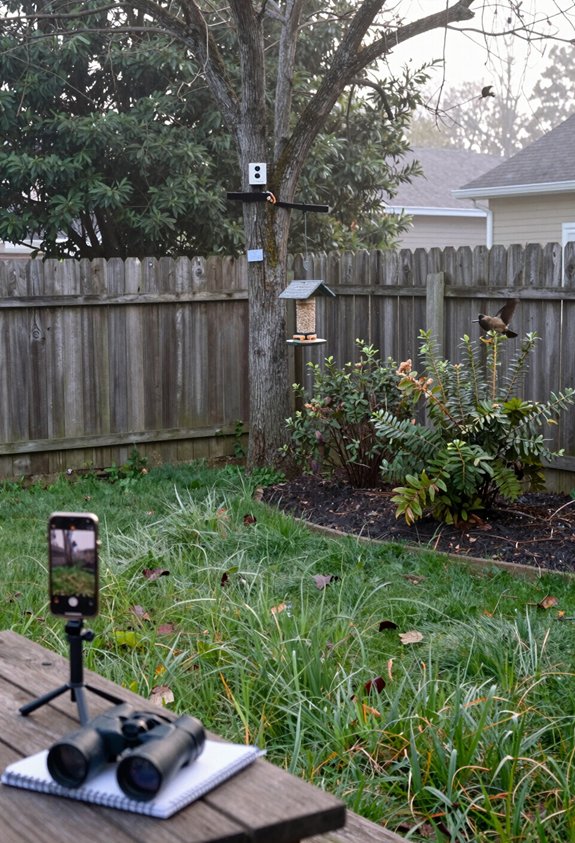
Logging observations in a public database can feel small at first, yet it’s real wildlife research experience because platforms like eBird, iNaturalist, and iMapInvasives don’t just “collect sightings”, they store standardized records (consistent, repeatable entries) with timestamps, GPS locations, and your participant ID, so your work stays verifiable and downloadable.
When you join citizen science projects, you’re not only learning to notice patterns, you’re also building verifiable observation records that others can analyze, cite, and use for management decisions.
Try structured efforts, such as RiverWatch aquatic invertebrate surveys, where you follow a shared protocol, step by step rules that keep data comparable. Over months, a few hours here and there turns into a track record you can count: samples logged, locations covered, time spent.
Hiring teams often treat well-documented participation as legitimate research, especially when you summarize your contributions clearly on your resume.
Start With eBird for Survey-Quality Bird Data
Citizen science gets even stronger when your observations follow a survey-like routine, and eBird offers one of the clearest ways to do that while staying close to home. eBird is free and global, run by the Cornell Lab of Ornithology, and its 1.5+ billion records often support survey-quality research, meaning scientists can compare results across places and years.
- Submit a complete checklist, so you record every species you detect, not just highlights.
- Add solid metadata—start/end time, minutes, distance, and number of observers—so analyses stay standardized.
- Choose “Stationary” or “Traveling” carefully, and keep traveling routes under 5 km when you can.
- Share hotspots, export checklists, or point to timestamps on your resume, showing verifiable work.
eBird Skills: Point Counts, Checklists, Effort Tracking
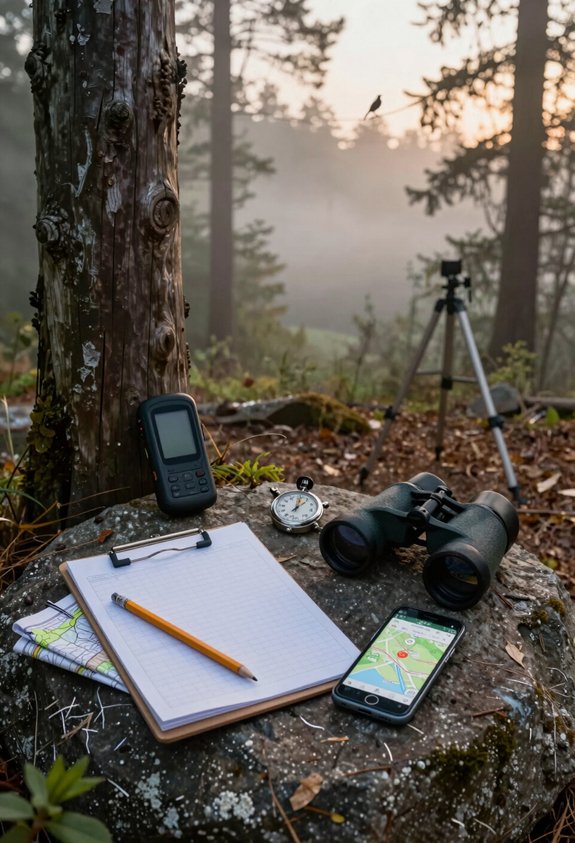
Often, the quickest way to make your eBird lists feel like real field data is to treat each outing as a small, repeatable survey, where you count what you detect and record how you looked for it.
Try point counts: stand within a set radius, often 50 m, listen and watch for 5–10 minutes, then enter a stationary checklist, or use a traveling list with start/end times and distance.
Mark it “complete” so eBird reads your list as an effort-based survey, meaning it can support abundance and distribution models, not just rare sightings.
Always log effort details, observers, protocol, time, distance, because these covariates, or context variables, shape detection. Repeat the same spot, time, and duration, add counts, notes, and media when you can.My Birdwatching Logbook can be really helpful if you are working with birds,
Use iNaturalist to Practice Field ID Skills
Sometimes the fastest way to sharpen your field ID skills, your ability to name what you’re seeing in real time is to use iNaturalist as a steady, low-pressure practice log, where you upload GPS-tagged photos and let each observation become a small lesson you can revisit.
As you build a habit, even reaching 100+ observations, you’ll notice your accuracy rise because repetition and feedback train your eye. Use computer-vision suggestions as a starting hint, then confirm by checking diagnostic features, key traits like leaf shape or wing bars, in field guides and in the comments. There are many scientific Facebook groups that can help you out.
- Join local or taxon projects to focus your searches and invite curator feedback.
- Aim for community agreement so IDs reach Research Grade.
- Read disagreements, they teach you nuance.
- Export your CSV to document effort.
Turn iNaturalist Observations Into Portfolio Proof
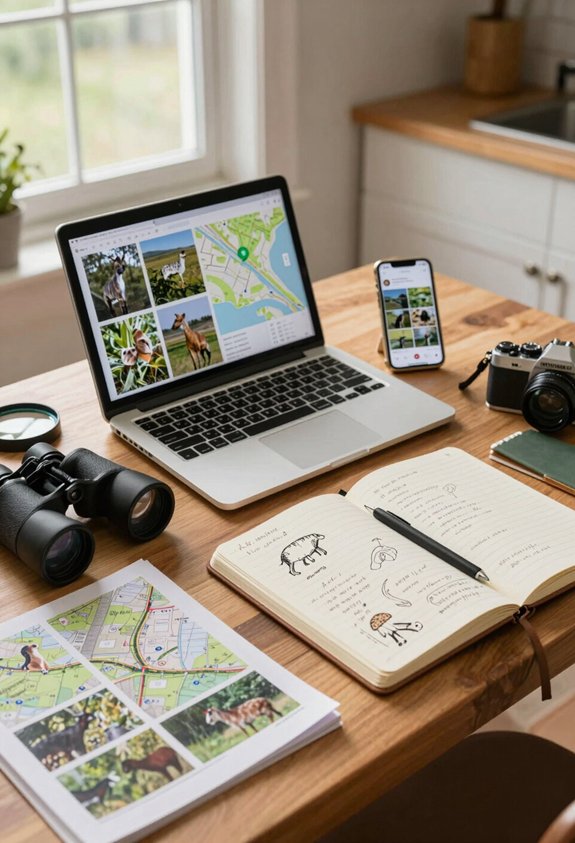
Treat your iNaturalist observations like portfolio evidence, small, dated records that add up to proof you can collect, identify, and document wildlife with care.
Create a public iNaturalist account, then work toward 200+ verifiable observations, meaning clear photos with date, location, and a community ID, so your consistency and species skills become visible portfolio proof.
For notable finds, add brief notes on methodology, the “how” of your work, like equipment used, search time, and any simple sampling protocol, or repeatable routine, plus photos that show habitat, scale, and multiple angles.
Join or build Projects, export observation CSVs (spreadsheet files) as reproducible datasets, and link key pages and downloads in applications or GitHub.
Summarize metrics, richness, research grade counts, seasonal coverag, and interpret one pattern you notice.
Map Invasives With iMapInvasives (Real Use Cases)
Start mapping what you find by using iMapInvasives, a free phone-and-web platform used across many U.S. states and Canadian provinces, where you can log invasive species, non‑native plants or animals that spread and cause harm, by uploading photos, GPS coordinates (your exact location), and a few habitat notes that show what the site looks like.
Your records can be reviewed and used by agencies, so you’re not just practicing, you’re contributing to real management decisions. Aim for clear, close photos, and careful IDs, since strong evidence boosts your confidence rating and acceptance.
Try these use cases:
- Map a wetland edge weekly, count stems, note life stage—young vs. flowering.
- Pair with a biologist, confirm IDs, then resubmit improved reports.
- Export CSV/KML, summarize totals, add them to applications.
- Track one species across sites, showing spread and control needs.
Join RiverWatch to Learn Water Monitoring Basics
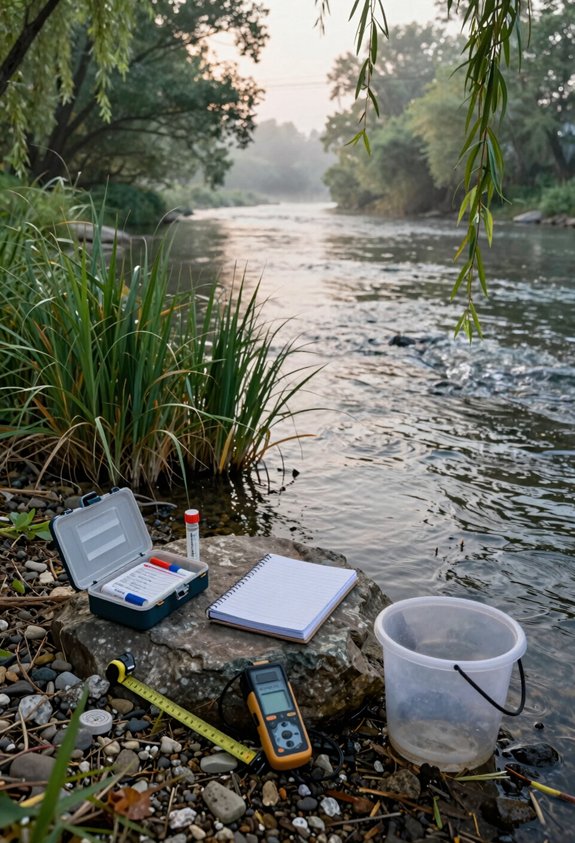
After you’ve practiced careful field notes with tools like iMapInvasives, you can widen your skills from “what’s growing here” to “how healthy is this water,” and RiverWatch programs make that step feel doable.
You’ll often find that RiverWatch welcomes anyone, with no formal application, and offers free 2–4 hour trainings where you learn standardized surveys built by state agencies or universities.
In the stream, you may do a short kick-net or sweep, then sort macroinvertebrates, small water, dwelling animals, into groups like EPT (mayflies, stoneflies, caddisflies), which signal cleaner water.
You’ll also measure turbidity, meaning water cloudiness, and run simple chemical tests.
When you enter results in shared databases, you gain real research experiences you can cite on a resume.
What to Bring to a Monitoring Day (Low-Cost Kit)
Even if you’re joining a monitoring day for the first time, a small, low-cost kit can help you collect cleaner data and feel steady in the field, because you’ll spend less time improvising and more time paying attention. For field work, keep your essentials simple, durable, and easy to reach: you’re building habits that make your observations repeatable, which means others can trust them too.
- Waterproof notebook, 2 pencils, and a fine-tip waterproof pen to log transects (survey lines), GPS points, species IDs, and effort times.
- Handheld GPS or phone app (Gaia GPS or GPS Status) plus a 10,000 mAh portable battery for waypoints and uploads.
- 10x–12x monocular and a guide or iNaturalist/eBird for quick ID notes and photos.
- Layers, rain jacket, waterproof shoes, hat, nitrile gloves, and basic sampling bags, labeled tubes, ruler, sanitizer.
Biologist Resume Templates for Citizen Science Experience
Treat your citizen science work like real research on your resume, and you’ll help reviewers see the evidence instead of guessing at your contribution.
Place it under “Research Experience,” then format each entry so it reads like a small study you helped run, with clear proof and a calm, verifiable trail.
Use this template:
- Project + dates: “eBird — 1,243 observations, 2019–2025,” add region and role, like observer or data verifier.
- Effort + output: “~150 volunteer hours,” plus records or samples, like “450 macroinvertebrate samples for RiverWatch.”
- Methods line: define skills in plain terms—point counts (timed bird tallies), GPS mapping, photo documentation, data QA (error-checking) in iNaturalist and Excel.
- Validation: add a short profile link, and note collaborations or citations in reports.
Wildlife Rehab: Build Hands-On Animal Handling Skills
Resume structure helps people understand what you’ve done, but wildlife rehabilitation helps you *do* more, and it can give you real animal-handling practice without an internship or a move.
Start by choosing one local center and volunteer consistently, even 2–4 hours a week, because steady time builds trust and lets staff document your hours for later. Add basic handling and first aid trainings, which teach safe restraint holding an animal to prevent injury, and zoonotic precautions, meaning steps that reduce disease spread between animals and people.
During spring or fall peaks, shadow licensed rehabilitators so you can practice species-specific methods and careful records. Keep a simple log of species, procedures, and hours, and note any rehab database entries.
Find Nature Center and Conservancy Field Volunteers
Field-day volunteering can become your local field school, a steady way to build real outdoor experience without internships or relocation, and it starts with looking close to home.
You can find steady openings by checking county parks and conservancy pages, then reaching out to a nearby nature center, because many roles are built for beginners who show up consistently.
- Search county forest preserve or land trust sites for “volunteer” calendars, and pick 2–4 hour field days.
- Call or email a nature center and ask for a field volunteer shift, monitoring means repeated checks that create usable data.
- Join community science programs, where protocols are step-by-step methods that make observations credible.
- Use VolunteerMatch or conservancy newsletters to meet staff, then log hours, duties, dates, and supervisor contacts.
Community Restoration Days: The Fastest Field Practice
Often, the quickest way to get real wildlife research adjacent practice is to show up for a community restoration day, a short 2–4 hour work session in a park or preserve where you’ll remove invasive plants (non-native species that spread and crowd out local ones), plant native seeds or seedlings, and do light trail care all tasks that count as verifiable field hours if you record them well.
Many parks run these community volunteer days monthly or biweekly, so you can stack 6–12 sessions a year and quietly build experience, 12–48 hours at a time.
While you work, notice habitat cues like soil disturbance, vegetation cover, and which species show up where, and listen to the brief training staff give.
Bring gloves, water, and boots, then log dates, tasks, and supervisor names to turn effort into proof.
Invasive Plant Removal: Skills You Can List
Community restoration days give you quick field hours, and invasive plant removal is the part you can describe most clearly on a resume because it has concrete targets, repeatable methods, and visible results. You’ll build experience by tracking what you did, how you did it, and what changed afterward, then translating that into clear, measurable statements.
- Log your effort—“40 hours across 6 events,” plus kilograms removed—so your commitment is easy to see.
- Name what you targeted, using scientific names, and the life stage you removed: Alliaria petiolata rosettes and flowering stalks.
- List techniques and tools, like hand-pulling, root-cutting, seed-head bagging, loppers, weed wrenches, PPE, and tool sanitation to stop seed spread.
- Note monitoring, such as belt transects, narrow survey strips, tracking percent cover and native return, and share maps and reports with managers.
Tree Planting: A Gateway to Conservation Networks

With a shovel in your hands and a simple plan in front of you, tree planting can become one of the fastest ways to build real habitat restoration experience and meet the people who guide local conservation work.
These local volunteer days often last 2–4 hours, yet they teach you standardized protocols such spacing, native species lists, mulching, and tree guards—that translate into field basics like species ID (naming organisms), plot layout (measuring a study area), GPS waypointing, and simple data notes.
Track each event with dates, hours, species, and coordinates, or upload observations to iNaturalist, so you’ve got proof you can cite on applications.
Many projects include follow up survival surveys at 6 to 12 months, and steady involvement builds calm, credible networking with land trusts, parks, and watershed groups.
Turn Volunteer Events Into Ecologist Contacts
Showing up consistently, and staying curious while you work, can turn a two hour invasive plant pull or river cleanup into a real professional connection, because ecologists (wildlife and habitat scientists) tend to notice volunteers who treat the day like practice, not just a good deed.
- Ask the organizer who’s leading, then request their email so you can hear about the next event or project.
- Bring a one page resume or simple card, and offer to help with monitoring, meaning repeat checks of sites, or restoration tasks that show field skills.
- Return monthly with the same group, because steady volunteer effort builds trust faster than a single big day.
- Talk shop, not small talk: ask about protocols, meaning step-by-step survey methods, and ask if you may email a question later.
Send a brief thank-you within 48 hours, naming one skill you used.
How to Ask for References (Without Feeling Weird)

Once you’ve turned a few volunteer days into real conversations with working ecologists, the next step is to let those relationships support your applications, and that can mean asking for a reference, a short statement from someone who’s seen your work and can vouch for it.
Ask within two weeks of finishing, while your tasks and impact stay clear in their mind. Make it easy by sharing a small packet: a one page role summary with dates and outcomes, your resume, and the position description, so they can tailor their comments.
Ask calmly by email or in person, say why you value their view, name the type of reference, and give a deadline at least two weeks out. If they hesitate, offer an editable draft.
Then send thanks, share results, and stay connected.
Translate Tasks Into Measurable Resume Bullets
Turn your field notes, lab chores, and volunteer shifts into resume bullets that carry weight by translating what you did into numbers and outcomes, because a hiring manager can’t easily judge “helped with surveys,” but they can picture effort and impact. This approach doesn’t exaggerate your experience, it clarifies it, and it helps you translate messy, real work into proof of care and skill.
Start with the task, add scope, then name the result, what changed, improved, or became usable. Try these patterns:
- Count observations and species, like eBird entries across field days.
- Add hours, sites, and protocols you followed.
- Link samples processed to reports or assays.
- Show coordination scope and the data increase.
Write Wildlife Experience Bullets With Metrics
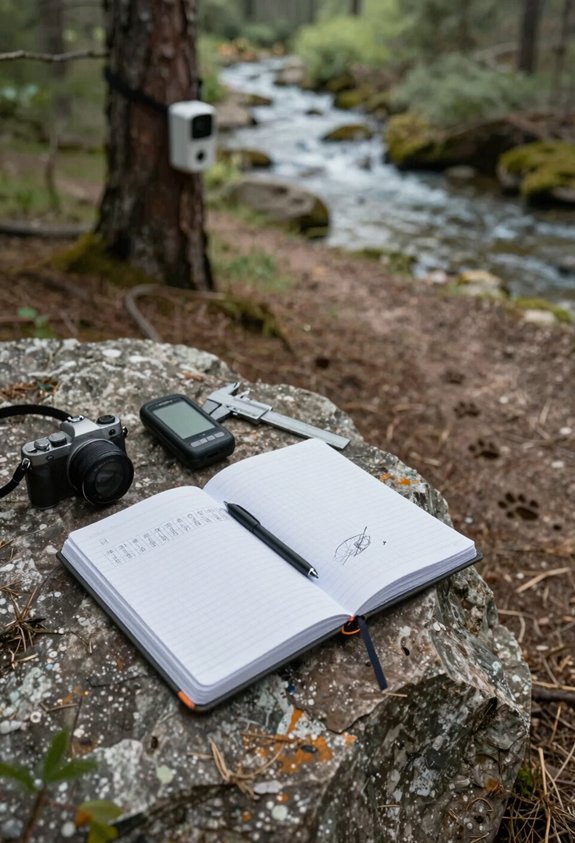
Resume bullets get stronger when you don’t just name the task and the outcome, you also pin them to clear numbers that help a reader picture your real workload and care. When you write wildlife experience, choose metrics that show effort, scope, and reliability: “conducted 120 hours of point-count bird surveys across 15 sites, recording 1,200 observations,” where point-count means you stand still and count birds for a set time.
Connect numbers to real use, like “entered 350 eBird checklists, totaling 2,100 records, supporting migration timing models used by state biologists.” Add rates to show steady sampling—15 samples/week over 12 weeks. For lab work, count outputs and quality, noting 0 contamination events. If you guided others, show impact: trained 10 volunteers, boosting submissions 60%.
Fix Weak Resume Language That Hides Your Skills
Name what you did with the same care you brought to doing it, because weak, casual phrases like “helped with field work” quietly hide your real skills and make your experience feel smaller than it is. When you’re translating it well, you’re not bragging, you’re making your work legible, so others can trust it.
- Swap vague verbs for technical actions and tools: “collected tissue swabs,” “logged metadata,” meaning the who/what/where notes, in iNaturalist or iMapInvasives.
- Quantify scope and impact, like 120 survey hours, 85 species, or 320 kg removed across 2.5 acres.
- Group small stints under role-based headings, such as Wildlife Monitoring—volunteer & community science.
- Name projects and add links, so readers can verify outcomes and translate it well.
Where to Find Wildlife Jobs Beyond Federal Sites

Keeping your research experience local and verifiable helps you grow without debt, and it also puts you in a good position to spot paid wildlife work that never appears on big federal portals.
Start with non-federal boards like Conservation Job Board, ConservationJobs.co.uk, EnvironmentJobs.co.uk, and EcologyAndConservationJobs.com, which gather NGO, campus, and private conservation roles in one place.
Check nearby university extension pages and ecology lab listings, since seasonal technician and research assistant jobs often tie to local projects.
Look at professional societies and listservs—email networks where jobs circulate quickly, because they post field contracts before they spread widely.
Finally, visit local land trusts, regional conservancies, state parks, and nonprofits, then ask volunteer coordinators about monitoring or survey openings that can become paid work. BE ACTIVE!
Last Thoughts
You can build wildlife research experience wherever you are by treating each local step as real practice: collect clean data, write clear notes, learn field ethics, and translate what you’ve done into a CV format that employers like. Creating opportunities yourself, rather than waiting for them, is crucial and can make a real difference.
If you’re wondering how to turn your coursework and volunteer work into a real opportunity, read my step-by-step guide on how to get a paid biology internship or job with no experience.

Erzsebet Frey (Eli Frey) is an ecologist and online entrepreneur with a Master of Science in Ecology from the University of Belgrade. Originally from Serbia, she has lived in Sri Lanka since 2017. Eli has worked internationally in countries like Oman, Brazil, Germany, and Sri Lanka. In 2018, she expanded into SEO and blogging, completing courses from UC Davis and Edinburgh. Eli has founded multiple websites focused on biology, ecology, environmental science, sustainable and simple living, and outdoor activities. She enjoys creating nature and simple living videos on YouTube and participates in speleology, diving, and hiking.
🌿 Explore the Wild Side!
Discover eBooks, guides, templates and stylish wildlife-themed T-shirts, notebooks, scrunchies, bandanas, and tote bags. Perfect for nature lovers and wildlife enthusiasts!
Visit My Shop →