

A habitat in ecology is the specific physical location where an organism lives, encompassing all the environmental features, resources, and conditions that surround it. This concept operates at multiple scales—from a rotting log sheltering beetles to an entire forest ecosystem—and provides the essential context for survival, reproduction, and every biological interaction. Habitats shape communities by enabling ecosystem services such as water filtration, pollination, and carbon storage, while their degradation diminishes these essential functions. Examples range from coral reefs hosting twenty-five percent of marine species to coastal wetlands sustaining global migratory networks, each illustrating how spatial relationships underpin biodiversity and ecological resilience. The pages ahead explore these dynamics further.
Definition
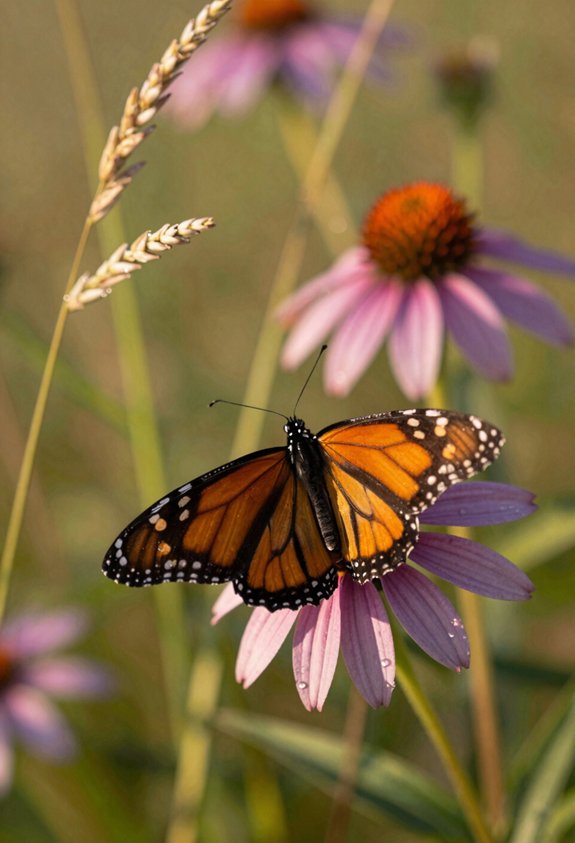
A habitat, in the simplest ecological terms, refers to the specific physical location where an organism lives—the particular place it calls home, complete with all the environmental features that surround it.
This definition provides essential conceptual clarity, distinguishing habitat from related terms that sometimes blur together in everyday conversation.
The terminology scope extends beyond mere geography: a habitat encompasses not just the physical space itself but also the characteristic conditions found there—the temperature ranges, moisture levels, soil composition, and available shelter that make survival possible.
One might think of it as an address combined with a description of the neighborhood’s amenities, all bundled together.
Understanding this distinction matters because ecologists use “habitat” with precision, separating it from concepts like niche, which describes what an organism does rather than where it resides.
The habitat represents the stage upon which life unfolds, providing the fundamental context for every biological interaction that follows.
Ecological significance
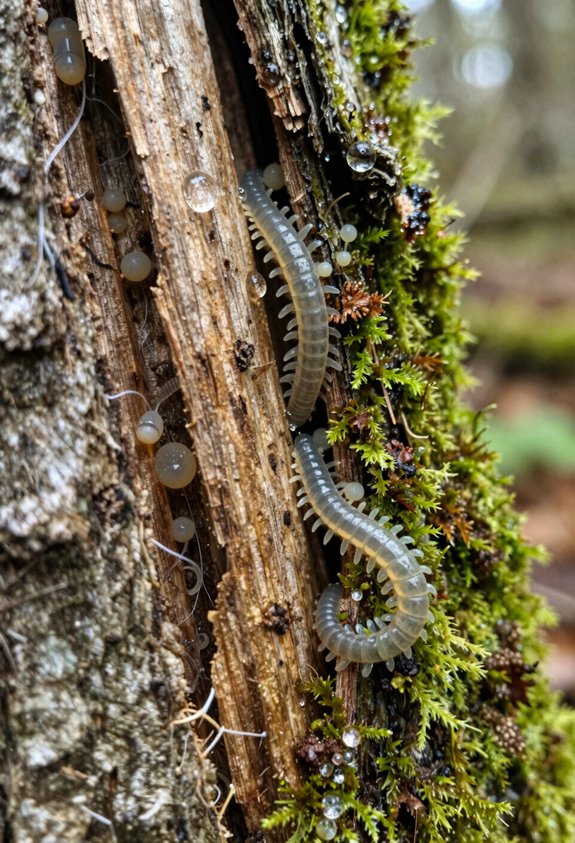
Why does habitat matter so profoundly in the grand scheme of ecological systems?
The answer lies in how habitats shape the survival, reproduction, and interactions of organisms—determining which species thrive and which disappear.
When a habitat provides the right conditions, species can fulfill their ecological roles, including those with keystone status, meaning their influence on the ecosystem far exceeds what their numbers might suggest.
A beaver, for instance, transforms entire landscapes through dam-building, creating wetlands that support countless other species.
Habitats also enable organisms to deliver ecosystem services: the benefits that nature provides to humans and other life forms, such as water filtration, pollination, and carbon storage.
When habitats degrade or vanish, these services diminish, and the intricate web of relationships that sustains life begins to unravel.
Understanding habitat significance means recognizing that every environment, from forests to grasslands, functions as essential infrastructure for biological communities.
Real World Examples
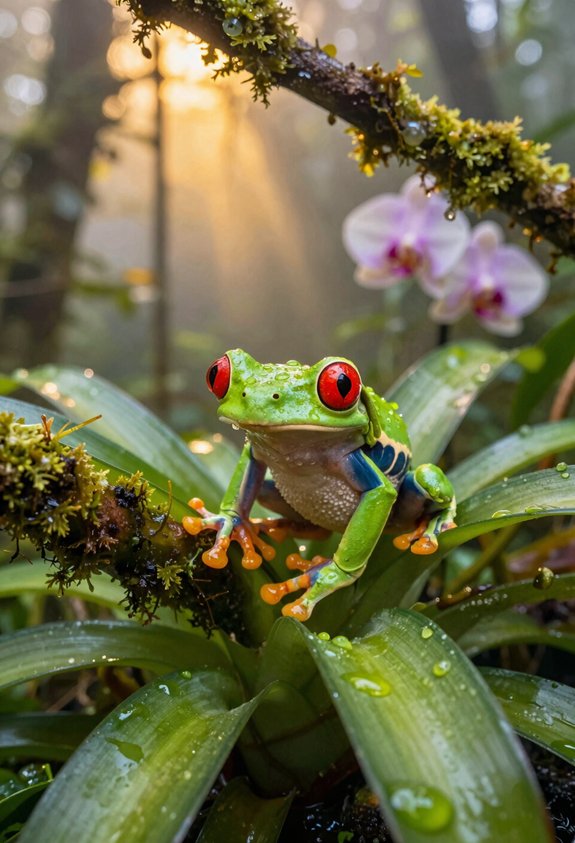
Examining specific habitats across the globe reveals how organisms have developed remarkable adaptations—physical or behavioral traits that help them survive—in response to their unique environmental conditions.
From the vibrant biodiversity of coral reefs to the harsh extremes of arctic tundra, each ecosystem demonstrates the intricate relationship between living things and the places they call home.
These real-world examples illustrate not only the diversity of life on Earth but also the fundamental principles that govern how species interact with their surroundings, offering insights that apply across all ecological systems.
Coral Reefs and Marine Life
Coral reefs—those vibrant underwater structures built by tiny marine animals called polyps— serve as one of the most densely populated habitats on Earth, supporting roughly twenty-five percent of all marine species despite covering less than one percent of the ocean floor.
These ecosystems provide shelter, breeding grounds, and feeding areas for fish, mollusks, crustaceans, and countless other organisms that depend on the reef’s complex three-dimensional architecture.
However, coral reefs face mounting pressures: coral bleaching occurs when stressed corals expel their symbiotic algae and lose color, often triggered by warming waters, while ocean acidification—the gradual decrease in seawater pH caused by absorbing atmospheric carbon dioxide—weakens the calcium carbonate structures that corals build, making new growth increasingly difficult and leaving existing reefs vulnerable to erosion.
Rainforest Canopy Ecosystems
While coral reefs thrive in the ocean’s sunlit shallows, rainforests create equally complex habitats in the layers above ground, with the canopy—the dense ceiling of branches and leaves formed by mature trees roughly fifteen to forty-five meters above the forest floor—functioning as a distinct ecosystem that houses an estimated fifty to ninety percent of all rainforest species.
Canopy dynamics, the patterns of growth, death, and light distribution in this aerial domain, shape which organisms can survive there: birds, monkeys, insects, and countless plants compete for sunlight and space.
Epiphyte ecology examines plants like orchids and bromeliads that grow on tree branches rather than in soil, drawing moisture from air and rain while providing microhabitats for frogs, ants, and other creatures in their water-holding leaves, demonstrating how vertical stratification multiplies ecological niches within a single forest.
Desert Oasis Communities
Scattered across the world’s arid regions, desert oases—isolated pockets of water and vegetation surrounded by inhospitable terrain—support remarkably concentrated biodiversity that stands in stark contrast to the sparse life forms of the surrounding desert, with these fertile islands functioning as critical refuges for species that would otherwise perish in such harsh climates.
Desert hydrology, the study of water movement and availability in dry environments, reveals that oases typically form where underground aquifers reach the surface through natural springs or where seasonal wadis collect runoff.
Oasis ethnography—the cultural study of human communities in these settings—demonstrates how civilizations have clustered around these precious water sources for millennia, creating intricate relationships between people, plants, and animals that depend upon careful resource management to sustain life in otherwise uninhabitable landscapes.
Arctic Tundra Adaptations
At the opposite extreme of environmental challenge from the water-scarce oases, the Arctic tundra—a vast, treeless biome encircling the Earth’s northernmost regions—presents organisms with bitter cold, fierce winds, and a growing season that may last only six to eight weeks, yet life persists here through remarkable adaptations that allow both plants and animals to survive conditions that would prove fatal to species from temperate zones.
Permafrost dynamics, the seasonal freezing and thawing of soil layers, shape root architecture in low-growing plants like Arctic willows, which spread horizontally rather than downward.
Lichen partnerships—cooperative relationships between fungi and algae—enable these organisms to colonize bare rock surfaces, extracting nutrients where other life cannot establish itself.
Caribou develop dense winter coats with hollow guard hairs that trap air for insulation, demonstrating how structural modifications permit survival in environments where temperatures plummet far below freezing.
Wetlands and Migratory Birds
Across continents and hemispheres, wetlands—those intermediate zones where water saturates the soil for significant periods throughout the year—serve as critical refueling stations for millions of migratory birds that traverse thousands of miles between breeding and wintering grounds, making these soggy landscapes among the most biologically productive habitats on Earth.
Wetland habitats provide essential resources: shallow waters teeming with invertebrates, mudflats rich in worms and crustaceans, and emergent vegetation offering shelter from predators.
Migration timing often synchronizes with peak food availability in these ecosystems, as shorebirds, waterfowl, and wading birds depend on predictable abundance to replenish fat reserves depleted during long flights.
The Everglades in Florida, for instance, hosts hundreds of thousands of birds each winter, while China’s coastal wetlands sustain species traveling the East Asian-Australasian Flyway, demonstrating how these habitats function as irreplaceable links in global migration networks.
Savanna Grassland Inhabitants
The vast savannas that stretch across eastern and southern Africa—along with smaller counterparts in South America, Australia, and India—support some of the planet’s most iconic assemblages of large mammals, whose survival depends on the particular balance of grasses, scattered trees, and seasonal rainfall that defines these semi-arid ecosystems.
Horned ungulates, hoofed grazing animals with bony projections on their heads, dominate these landscapes: wildebeest, zebras, gazelles, and various antelope species migrate seasonally in search of fresh vegetation.
Predators such as lions, cheetahs, and hyenas follow these herds, forming intricate food webs.
Fire regimes—the patterns and frequencies of natural or human-set fires—play an essential role in maintaining savanna structure by preventing woody plant encroachment and stimulating grass regrowth, thereby sustaining the open habitat these specialized grazers require.
Rocky Intertidal Zones
Where ocean waves meet exposed rock faces along coastlines, intertidal zones create some of Earth’s most physically demanding habitats—narrow bands of shoreline that experience the rhythmic extremes of submersion and exposure as tides rise and fall twice daily.
Wave battered organisms like mussels, sea stars, and barnacles have evolved remarkable adaptations to withstand these harsh conditions, anchoring themselves firmly to rocks while enduring temperature fluctuations, desiccation, and pounding surf.
Barnacle reproduction demonstrates the ingenuity required for survival here: these sessile creatures, permanently fixed in place, extend long reproductive organs to reach neighboring individuals during high tide.
Zonation patterns emerge vertically along these shores, with different species occupying distinct bands according to their tolerance for exposure, creating visible striped communities that shift with each tidal cycle.
Related concepts

Understanding habitat fully requires recognizing how it connects to other ecological concepts that help scientists describe where and how organisms live.
The concept of niche—an organism’s functional role within its environment—overlaps with habitat but focuses more on what a species does rather than simply where it exists.
Evolutionary drivers, including natural selection and adaptation, shape which habitats species can occupy over generations, as organisms develop traits that match their surroundings’ demands.
Biogeochemical cycles, the pathways through which elements like carbon and nitrogen move between living things and their physical environment, operate differently across habitats and influence which life forms can thrive there.
Additionally, the idea of microhabitats—small, distinct areas within larger habitats that offer unique conditions—reminds us that habitat exists at multiple scales, from a rotting log sheltering beetles to an entire forest ecosystem supporting countless interdependent species.
If you want to strengthen your ecology foundation, start with the Ecology Basics to understand core concepts step by step. Dive deeper with 25 Key Concepts in Ecology with Real-World Examples to see how theory applies in nature. If you prefer to learn ecology fast and simply, the Ecology Flashcards are perfect for quick, focused learning. For a complete reference, explore the Glossary of Ecology Terms with 1,500+ terms explained in simple language, available as a PDF for use on any device.
🌿 Explore the Wild Side!
Discover eBooks, guides, templates and stylish wildlife-themed T-shirts, notebooks, scrunchies, bandanas, and tote bags. Perfect for nature lovers and wildlife enthusiasts!
Visit My Shop →