
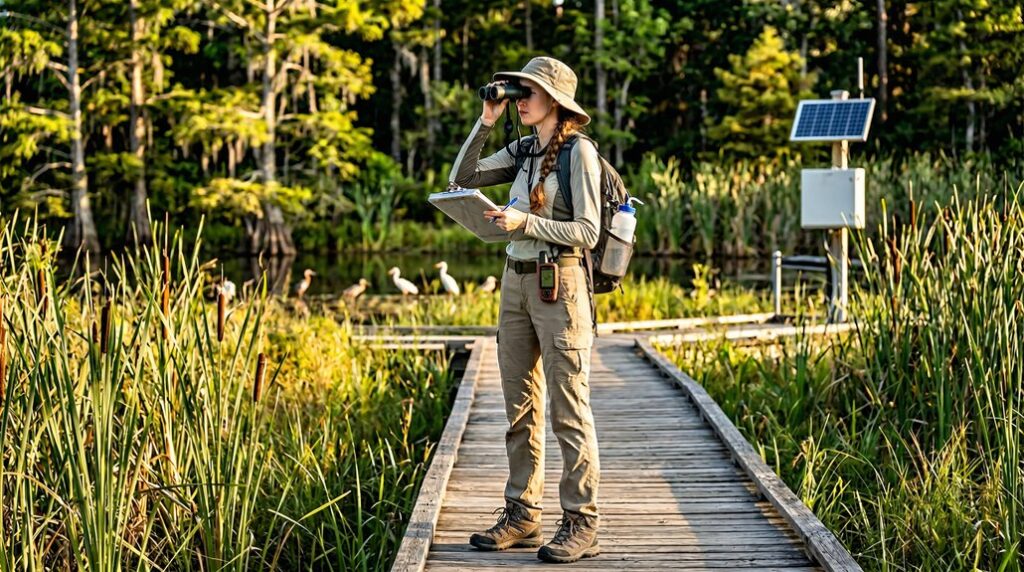
Ecologists study how plants, animals, and environments interact. They use field surveys and lab tests to track species and assess ecosystems. Ecologists work in diverse habitats, offices, and construction sites. Typically, they log 37‑42 hours a week, with occasional evenings or weekends. Core skills include species identification, GIS mapping (geographic information systems), statistical analysis, and knowledge of environmental laws. Entry‑level salaries range from $65 k to $78 k and rise with certifications, internships, and a strong portfolio. Those who continue will discover deeper guidance on education pathways and career planning.
Understanding different ecology career paths is essential for aspiring professionals.
What Is an Ecologist and Why Choose This Career?
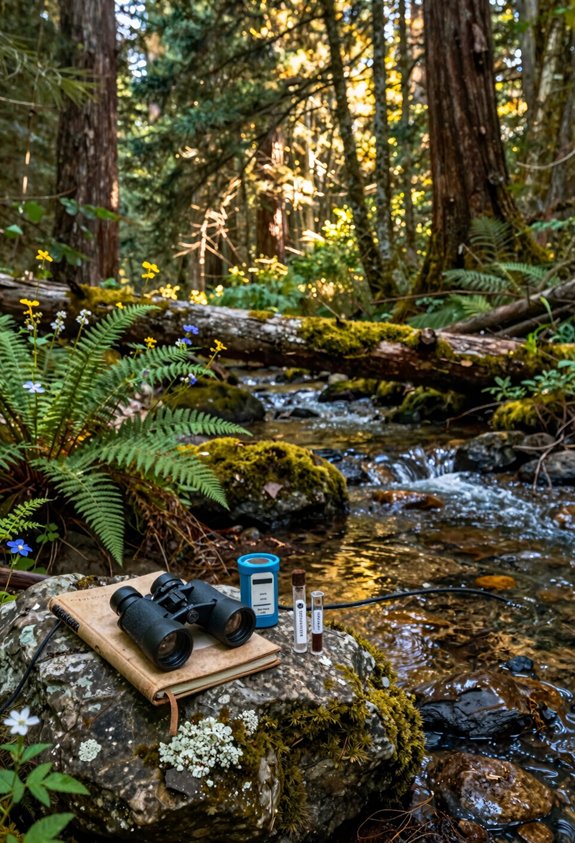
Curiosity often drives people toward understanding the natural world, and an ecologist channels that curiosity into studying ecosystems, complex communities of plants, animals, and their environment, by examining how relationships among species shift when conditions change.
An ecologist studies the interactions between plants, animals, and their environments. They examine how both natural and human-induced environmental changes impact the distribution and population of species. Ecologists perform surveys, gather samples of soil and water, identify various species, and keep track of endangered wildlife. They ultimately produce comprehensive reports that inform land management strategies, habitat restoration efforts, and conservation initiatives.
Ecologists help minimize damage, protect biodiversity, and predict impacts of proposed actions. Their role is essential for sustainable resource management. They increasingly rely on advanced technologies such as drones to map habitats and monitor species. Their typical work week is 37 to 42 hours, often requiring availability on evenings and weekends.
How to Get Ecology Education and Certifications?
Start by mapping out the academic foundation. A bachelor’s degree is the essential first step for anyone who wants to become an ecologist. It requires at least 42 semester credit hours of coursework, including 30 credit hours in biological science. A minimum of nine hours must be dedicated to ecology courses that explore how organisms interact with each other and their environment. Additionally, 12 credit hours must combine chemistry, physical science, and mathematics, all earned with grades of B‑minus or higher to guarantee a solid grasp of the subject matter.
After graduation, candidates can pursue ESA’s Ecologist in Training certification, which needs no experience, then progress to Associate Ecologist after one year of work, or aim for Ecologist status with a master’s degree and two years of experience, or five years with a bachelor’s.
Advanced pathways include graduate certificates, which require twenty credit hours with core courses in conservation ecology, and doctoral programs that release Senior Ecologist certification after five years of professional practice.
Continuing education, requiring forty‑four units every five years, keeps credentials current. Specialized certifications in restoration or wetland science offer focused expertise.
CEU requirements must be met before professional experience can be counted toward certification. B‑minus or higher grades are required for all qualifying courses.
A student who chooses an Ecology or Environmental Science major gains a solid foundation in fieldwork, data analysis, and the science of ecosystems, while also learning how human activity influences nature.
Which Bachelor’s Majors Best Prepare You for Ecology?
The range of Ecology Career Paths includes various opportunities in research, conservation, and environmental management.
A student who chooses an Ecology or Environmental Science major, gains a solid foundation in fieldwork, data analysis, and the science of ecosystems, while also learning how human activity influences nature.
Biology majors with a conservation focus add depth by exploring species relationships, genetics, and the principles of preserving biodiversity. Together, these pathways equip thoughtful learners with the practical tools and theoretical insight needed for careers ranging from wildlife management to environmental consulting.
The range of Ecology Career Paths includes various opportunities in research, conservation, and environmental management.
ESA offers career guidance through its “Primer on How to Apply and Get into Graduate School” bulletin, helping students transition from undergraduate studies to advanced ecology careers. Fieldwork experience provides hands‑on skills that are highly valued across all ecology career tracks.
Ecology and Environmental Science
When students choose a bachelor’s path that blends biology, chemistry, and earth sciences with social‑science insights such as public policy and economics, they often find themselves best prepared for a career in ecology, especially through Environmental Science programs, which teach the fundamentals of ecosystems while also covering toxicology (the study of harmful substances), geology (the science of rocks and landforms), hydrology (water movement), and meteorology (weather patterns).
These programs add field work, research projects, and capstone experiences that let learners apply statistics, policy analysis, and engineering concepts to real‑world problems, while also exploring geography, behavioral science, and sustainable solutions for urban planning and environmental justice.
- Toxicology: studying harmful chemicals and their effects on living organisms
- Hydrology: examining how water moves through soils, rivers, and aquifers
- Geology: learning about rocks, landforms, and Earth processes that shape habitats
- Policy analysis: evaluating laws and economic incentives that protect ecosystems
- Field research: conducting hands‑on studies in diverse environments to test ecological theories
Colorado College offers a unique environmental program track that integrates interdisciplinary coursework with practical field experiences.U.S. universities provide a range of interdisciplinary environmental science programs that combine natural and social sciences.
Biology and Conservation Biology
The discussion of ecology and environmental science naturally leads into a closer look at biology and conservation biology, where students explore how living organisms interact with each other and their habitats while learning to protect those systems from threats such as habitat loss and climate change.
A bachelor’s in ecology and evolutionary biology, a four‑year program, offers courses in animal, plant, population and ecosystem ecology, plus genetics and conservation biology, giving students a solid base in how genes, species and ecosystems connect.
A biology degree with an ecology specialization adds botany, zoology, ecology and management, blending lab work with field trips to develop data‑collection, statistical and technical‑writing skills.
Both paths prepare graduates for field ecologist, marine biologist, park naturalist or environmental consultant roles, and they also pave the way for master’s or Ph.D. studies in ecology, evolutionary biology or conservation.
Median annual salary for environmental scientists/specialists is $78,980 (BLS).
What Advanced Degrees Boost Ecology Earning Potential?
Exploring which advanced degrees lift an ecologist’s earning potential reveals a clear pattern: master’s programs in ecology, especially those from top‑ranked schools such as Columbia University (average tuition $51,194) and the University of Florida (average tuition $30,130), consistently open doors to higher‑paying roles, because they combine rigorous scientific training with specialized knowledge that employers value.
These programs, ranging from Columbia to Utah State, equip graduates with deeper analytical skills, field expertise, and interdisciplinary insight, which translates into salary ranges of $75,000‑$110,000, far above the $65,087 baseline for bachelor’s holders, and position them for premium specializations like environmental engineering, marine biology, and climate change science.
- Columbia University – elite reputation, highest tuition, broad network
- University of Florida – best value, strong marine and sustainable aquaculture focus
- Cornell University – solid research opportunities, moderate tuition
- Utah State University – most affordable, high graduate output, practical training
- Ohio State University – diverse specializations, mid‑range tuition, strong industry ties
Growing demand for sustainability expertise further amplifies the value of these advanced degrees.
Choosing the right degree can significantly influence your options in the diverse Ecology Career Paths available today.
How to Build a Field and Lab Portfolio That Impresses?
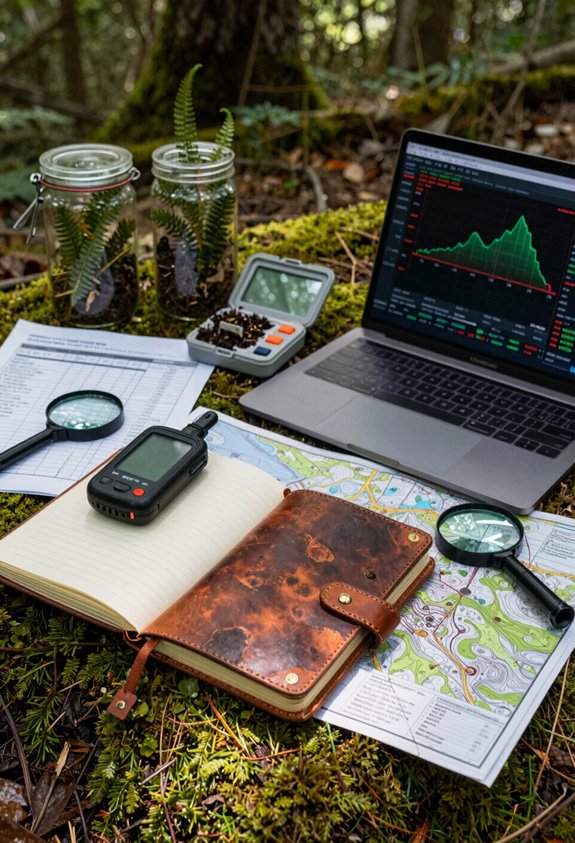
Advanced degrees open doors, but a strong field and lab portfolio often decides whether those doors stay open, because employers and graduate programs alike look for concrete proof of hands on skill, analytical thinking, and the ability to turn raw data into clear conclusions.
A thoughtful candidate should gather a concise collection of project summaries, each paired with a brief methods section that explains how samples were collected, for examplelike setting up transects, which are straight lines used to record organisms across a habitat, and how lab analyses were performed, for example using spectrophotometry, a technique that measures light absorption to identify chemical composition.
Including clear visual aids, maps, charts, and photos helps illustrate results, while a reflective paragraph that links findings to ecological theory demonstrates critical thinking.
Organizing the portfolio by theme, such as water quality or plant community studies, allows reviewers to see depth and breadth, and a well‑written cover page that lists skills, software, and field equipment proficiency provides a quick snapshot of competence.
Where Can You Find Entry‑Level Ecology Internships?
Beyond the classroom, entry level ecology internships can be found across a wide network of online job boards, government agencies, conservation nonprofits, marine research groups, and university programs, each offering different pathways for budding ecologists to gain practical experience.
Online listings such as Conservation Job Board, Climate Internships, Pathways to Science, ZipRecruiter, and Prosple aggregate dozens of paid and unpaid roles, letting students filter by location, sector, or stipend.
Government options include USDA internships in several states, which often provide monthly stipends and accept candidates with little experience, though deadlines cluster in early spring.
Nonprofit and land‑trust positions—like The Nature Conservancy in Connecticut or MobilizeGreen in Virginia—offer hourly pay or modest stipends, while marine groups such as Blue Ocean Society or The Marine Mammal Center provide seasonal stipends and housing assistance.
University programs at Portland State, UNLV, and the North Carolina Botanical Garden round out the landscape, typically offering training and no‑experience requirements.
- Conservation Job Board, Climate Internships, Pathways to Science, ZipRecruiter, Prosple – broad online portals
- USDA internships in HI, CA, MT, AZ, WA – government roles with stipends and early‑spring deadlines
- The Nature Conservancy (CT) and MobilizeGreen (VA) – nonprofit positions with hourly pay or weekly stipends
- Blue Ocean Society and Marine Mammal Center – marine research internships with seasonal stipends and housing support
- Portland State, UNLV, NC Botanical Garden – university‑affiliated internships that train beginners
Carolina Waterfowl Rescue in Indian Trail, NC offers a paid internship for wildlife rehabilitation, providing a $250 stipend for part‑time and $500 for full‑time completion.
Short-term programs such as the Gulf of Maine Research Institute’s undergraduate research experience also provide summer field work and mentorship.
What Skills Do Hiring Managers Prioritize for Junior Ecologists?
Developing a strong foundation in fieldwork and surveying techniques is often the first priority for hiring managers, because junior ecologists must be able to conduct biodiversity surveys, systematic counts of species, to assess habitat condition, and to identify common and indicator species using field guides or apps, which means they need practical experience gained through internships, volunteering, or seasonal jobs, and they must be comfortable recording observations accurately under varied weather and terrain.
Managers also look for data‑management skills: precise entry, basic statistical analysis, and proficiency in Microsoft Excel for organizing results. GIS knowledge, using QGIS and ArcGIS for mapping habitats and orienting with GPS, adds value, while familiarity with environmental laws, clear written reports, and the ability to explain findings in plain language round out the essential skill set for junior ecologists. Collaboration skills are also essential for working effectively in multidisciplinary teams.
How to Write a Resume Highlighting Ecology Experience?

Having explored the skills hiring managers prioritize for junior ecologists, the next step is to translate those abilities into a resume that clearly showcases ecology experience.
The writer should open with a concise personal statement that blends academic background, passion for ecosystems, and specific career goals, using results driven language and years of experience upfront to grab attention. In the work‑experience section, a reverse chronological format lets recruiters quickly see the most recent, relevant roles, while each entry lists company, location, dates, and title in a clean layout that ATS software can read.
Quantifiable achievements, like increasing biodiversity by 60 %, and concrete technical skills such as GIS mapping, field data collection, and stakeholder engagement should be woven throughout, ensuring each bullet directly ties to the job description and demonstrates measurable impact.
- Start with a brief, targeted summary that highlights habitat assessment, GIS, and species monitoring.
- Use reverse‑chronological order, listing company, location, dates, and title clearly.
- Include measurable results (percentages or numbers) to show impact.
- Mention technical tools (GIS) and soft skills (project management, stakeholder engagement).
- Keep the resume under two pages, using clean formatting for easy scanning.
Incorporate the most frequent keywords from recent ecologist postings to boost ATS compatibility. Environmental legislation knowledge is essential for aligning project outcomes with regulatory standards.
I created a free tool the Wildlife Experience Resume Rewriter, where you can just input your experience, and the tool will give you a nicely formatted bullet point that you can just copy and paste into your CV.
Which Professional Organizations Expand Your Ecology Network?
Professional society membership, especially in groups like the Ecological Society of America or the Society for Conservation Biology, gives ecologists a steady flow of resources, mentorship, and job leads, while regional chapter events, conferences, workshops, and local meet‑ups let members exchange ideas face to face and build relationships that often last beyond a single session.
Online community platforms, ranging from dedicated forums to social‑media groups, provide a continuous space where questions can be asked, research findings shared, and collaborations sparked, turning geographic distance into a minor obstacle.
Networking at Scientific Meetings is a key strategy for expanding these connections, as conferences offer targeted sessions and informal gatherings that facilitate collaborations and with these avenues create a layered network that supports career growth, enhances scientific communication, and connects thoughtful participants with the broader ecological community.
Professional Society Membership
Joining a professional ecology society can broaden a researcher’s network, giving access to a community of peers, mentors, and decision makers who share similar interests and goals. Membership in groups such as the Ecological Society of America (ESA), Society for Ecological Restoration (SER), American Ecological Engineering Society (AEES), Association of Environmental Studies and Sciences (AESS), and the North American Association for Environmental Education opens doors to journals, webinars, and career resources, while also offering discounted conference rates and publishing opportunities that strengthen a résumé and LinkedIn profile.
By joining, scholars gain mentorship through blogs, interdisciplinary collaboration across fields, and a platform to share case studies, all of which nurture professional growth and confidence.
- ESA: 9,000 members, $25 student fee, full journal access
- SER: 5,000 restoration professionals, $99‑$179 membership, restoration resources
- AEES: engineers and students, $35 student, $75 early‑career, journal discounts
- AESS: interdisciplinary educators, mentoring via Careers Blog, journal access
- NAEE: 16,000 global members, focus on environmental education, broad networking
The ESA2026 conference highlights new challenges from digital intelligence (AI) and sociopolitical change affecting professional activities. Sliding scale dues based on income make membership more accessible.
Regional Chapter Events
Building on the benefits of society membership, regional chapter events turn those broader connections into face to face experiences that let ecologists share ideas, hear local case studies, and collaborate on projects that matter to their own communities.
The Society for Ecological Restoration (SER) runs volunteer‑led chapters that focus on restoration issues unique to each area, while the Ecological Society of America (ESA) splits its 9,000 members into geographic chapters and sections that meet regularly, often inviting guest speakers to discuss nearby environmental challenges.
The National Association of Environmental Professionals (NAEP) offers state, multi‑state and regional chapters, from Alaska to Florida providing mentorship, seed funding and both in person and virtual formats.
Specialized groups such as the Northwest Association of Environmental Professionals (NWAEP) and the Florida Association of Environmental Professionals (FAEP) host monthly luncheons, workshops, and networking sessions, allowing participants to meet fellow restoration specialists, exchange practical knowledge, and build collaborations that directly benefit their local ecosystems. ESA chapters receive annual budgets based on member counts, supporting regional meetings and participation in local scientific gatherings. Committee leadership is appointed by the NAEP Board of Directors.
Online Community Platforms
Ecology professionals often turn to online community platforms to stay connected, share research, and find mentorship, and these digital hubs—ranging from discussion boards to virtual event calendars—serve as the modern equivalent of conference hallways, allowing members to exchange ideas across continents without leaving their desks.
Though many major societies lack detailed public stats, they still offer valuable virtual spaces: the Ecological Society of America hosts moderated forums where early‑career scientists post questions and receive feedback; The Nature Conservancy’s training portal, while course‑focused, includes discussion threads that let learners network; World Resources Institute maintains a Slack channel for policy‑oriented ecologists; Conservation International runs webinars with live Q&A that foster community; and World Wildlife Fund provides a member‑only blog where practitioners share field stories and job leads.
- Ecological Society of America – discussion boards, mentorship matching
- The Nature Conservancy – training portal with community threads
- World Resources Institute – Slack channel for policy dialogue
- Conservation International – webinars with live Q&A
- World Wildlife Fund – member blog for field updates and networking
Ecology professionals often turn to online community platforms to stay connected, share research, and find mentorship, and these digital hubs, ranging from discussion boards to virtual event calendars, serve as the modern equivalent of conference hallways, allowing members to exchange ideas across continents without leaving their desks. The Nature Conservancy’s global reach includes work in more than 80 countries, providing a broad perspective for its online community. Global initiatives such as UrbanShift and the NDC Partnership illustrate how broad‑scale collaboration can be facilitated through these platforms.
How to Use LinkedIn and Forums to Find Ecology Jobs?
A well crafted LinkedIn profile, when kept up to date and polished, becomes the cornerstone of an effective ecology job hunt, because it showcases a candidate’s qualifications, interests, and professional experience in plain language that recruiters can quickly grasp.
An updated, clean profile mirrors a resume, highlighting fieldwork, lab skills, and research projects, which boosts visibility and invites contact from hiring managers.
By connecting with classmates, professors, and alumni, the job expands a network that often reveals hidden openings and referrals—single connections can shift a search dramatically.
Targeted LinkedIn job features, such as filtered searches for ecology positions, remote listings, and keyword alerts, streamline discovery, while a clear goalm whether field, lab, or desk work, guides both networking outreach and posting selection, ensuring effort stays focused and efficient.
CSR Jobs platform connects talents and recruiters to make business more sustainable.
What Are the Most Common Entry Level Ecology Job Titles?
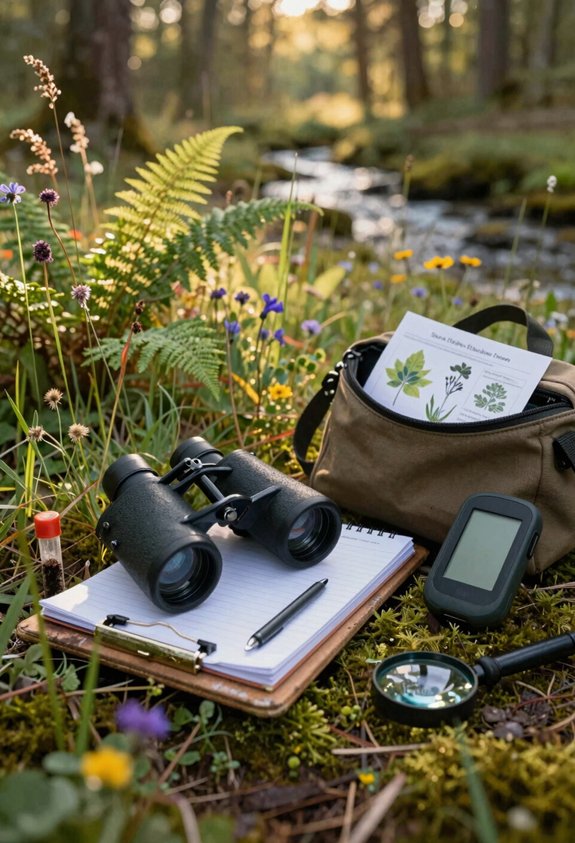
Often the first step after earning a bachelor’s degree is to look for entry level titles that clearly signal a career in ecology, such as research assistant, laboratory technician, wildlife specialist, environmental specialist, or water treatment analyst. Each of these roles, while distinct, shares a common purpose of guaranteeing scientific methods to understand and protect natural systems.
These positions, ranging from data‑focused analysis to hands‑on field monitoring, give newcomers practical experience, help them build professional networks, and let them contribute to conservation goals while learning industry standards and regulatory requirements.
- Research Assistant – supports senior scientists with data analysis and methodology testing.
- Laboratory Technician – conducts experiments on soil or water samples under supervision.
- Wildlife Specialist – monitors ecosystem changes and investigates illegal hunting.
- Environmental Specialist – guarantees companies minimize impact on natural habitats.
- Water‑Treatment Analyst – checks drinking water safety and helps prevent contamination.
Compliance with federal regulations is a key responsibility across these roles.
The USDA‑ARS Fellowship offers a paid internship for modeling cervid behaviors, providing a monthly stipend that can support entry level ecologists.
How Much Do Entry‑Level Ecologists Earn Nationwide?
Entry‑level ecologists typically earn a national average salary of about $44,000, a figure that reflects the median starting pay across the United States and helps readers gauge the baseline for new professionals.
Geographic salary variations, such as higher wages in coastal or environmentally sensitive states like California and Georgia and lower rates in regions like Florida, show how location can shift earnings by up to $14,000, illustrating the impact of regional demand and cost of living on compensation.
Understanding these patterns, which combine a modest national baseline with pronounced regional differences, equips thoughtful participants to anticipate earnings and consider where to begin their ecological careers. The average base salary for entry level ecologists is $58,822 per year, according to recent market data. The salary range spans from $39,150 to $82,680, reflecting the broader industry spectrum.
National Average Entry Salary
Explore the numbers, and you’ll see that entry level ecologists across the United States typically earn between $41,600 and $58,600 per year, a range that reflects differing data sources and collection methods. These figures combine base salary, often $43,000 to $59,000, and total compensation, which adds bonuses of $125 to $5,000, so the overall picture shows a modest but meaningful variation.
When converted to hourly wages, the range translates to roughly $20–$23 per hour, assuming a standard 2,080‑hour work year, while some reports list $38.23 per hour for higher end salaries. Understanding these numbers helps aspiring ecologists set realistic expectations and plan early‑career moves with confidence.
- Talent.com reports an average entry salary of $58,625 per year.
- PayScale’s data shows $44,768 total compensation for less than one year of experience.
- Jobted.com lists $41,630 as the typical starting salary for under‑three‑year professionals.
- Hourly equivalents range from $18 to $23, reflecting different calculation methods.
- Bonuses and overtime can push total earnings up to $5,000 beyond base pay.
Average annual salary is $75,545 for ecologists in the United States.
Geographic Salary Variations
When you look at the map of the United States, the numbers show that where you start your ecology career can shift your paycheck by tens of thousands of dollars, because regional economies, cost‑of‑living differences, and local demand for environmental expertise all play a role in shaping salaries.
Entry‑level ecologists earn roughly $47,000 at the 10th percentile, but the 25th percentile rises to $61,150, and many bachelor holders start between $50,000 and $70,000.
The Pacific Northwest leads, with Seattle paying $88,660 and nearby Woodinville $83,158, while California’s industrial ecologists average $88,800.
In contrast, Alaska’s low end sits at $43,000 and Mississippi’s at $40,810, creating an $87,000 spread between the highest and lowest states.
These geographic variations reflect local job density, sector focus, and living‑cost adjustments.
Industrial ecologists in the Virgin Islands start at $26.66 per hour for entry‑level positions.
Which Regions Offer the Highest Starting Ecology Salaries?
Because the cost of living and industry demand differ across the country, starting salaries for ecologists vary noticeably, with coastal and mountain areas typically paying a premium over the national average; for example, San Diego, California tops the list at about $94,000 a year, while Seattle, Washington follows closely with salaries ranging from $88,660 to $92,581, reflecting strong regional demand for environmental science professionals and aligning entry‑level pay with mid‑career national figures.
The West Coast’s premium stems from its dense research institutions and private sector projects, while the Rocky Mountains reward restoration work with competitive pay that nears $85,000. The Southeast lags behind, offering $55,000‑$65,000, yet still provides growth potential.
Nationally, entry level ecologists earn around $59,500, but coastal and mountain markets can boost that by 40‑50 %.
- San Diego, CA: $94,000 ≈ top tier
- Seattle, WA: $88,660‑$92,581 ≈ high demand
- Boulder, CO: $82,728‑$91,927 ≈ mountain premium
- Woodinville, WA: $83,158 ≈ strong regional need
- Atlanta, GA: $79,844 ≈ Southeast baseline
How Does Geography Influence Ecology Salary?
Geography shapes ecology salaries by aligning pay with regional demand, cost of living, and policy focus, so a scientist in a coastal or mountain hub often earns more than a counterpart in a rural area.
In Alaska, Oregon, and Maryland, where environmental regulations are strict and ecosystems are sensitive, the top ten percent of ecologists earn $129 k–$134 k, reflecting high demand for specialized knowledge and the presence of large research centers and consulting firms. Metropolitan hubs amplify this trend, offering larger budgets and competitive benefits that push wages above those in non‑metropolitan locales.
Conversely, states such as Tennessee, Arkansas, and Georgia show lower averages, around $47 k for entry level roles, because fewer firms prioritize ecology, and regional policies allocate less funding. Therefore, a professional’s location directly shapes earnings through demand, institutional concentration, and regulatory emphasis.
The projected 4% growth in employment for environmental scientists and specialists from 2024 to 2034 adds to regional salary variations, with job openings concentrated in areas with strong environmental regulatory frameworks. Invasive species challenges such as zebra mussels and Burmese pythons further increase demand for ecologists in affected regions.
What Salary Ranges Do Early‑Career Ecologists (1‑4 yrs) Have?

Steering the early‑career phase, ecologists with one to four years of experience typically earn between $50,000 and $70,000, a range that reflects both their growing expertise and the market’s valuation of their skills; this band includes a base salary that averages $56,001, plus bonuses that can add $125 to $5,000 and occasional profit‑sharing up to $7,000, all of which together shape the total compensation package.
Their pay often mirrors regional trends, with Pennsylvania positions reaching $68,206, while the 25th percentile for bachelor degree holders sits near $61,150.
Bonuses, profit sharing, and benefits such as health insurance contribute to the overall figure, and many early career ecologists also receive tuition assistance for further study.
- Base salary averages $56,001, reflecting core responsibilities.
- Bonuses range $125‑$5,000, rewarding project success.
- Profit‑sharing can add up to $7,000, aligning personal and organizational goals.
- Geographic variation can shift the band upward or downward.
- Total compensation often exceeds $70,000 when benefits and incentives are counted.
How Do Mid Career Ecologist Salaries Compare to Early Career?
Comparing mid‑career ecologist salaries to early‑career figures reveals a clear upward trend: while those with one to four years of experience typically earn a base of about $56,000, professionals in the five to nine year range see total compensation rise to roughly $81,800, and many mid‑level roles (two to four years in some data sets) already reach averages near $104,800, reflecting a 40‑80 % increase over entry‑level pay.
Mid‑career ecologists, defined as workers with five to nine years of experience, benefit from larger base salaries, bonuses, and profit sharing that together push total earnings well above early‑career benchmarks; the data shows a 46 % jump from $56,001 to $81,782, and a front‑loaded surge to $104,808 for those in the two to four year bracket, illustrating how experience, specialization, and added responsibilities translate directly into higher pay.
This progression underscores the importance of skill development and networking during the early years, as they set the stage for the substantial earnings growth seen in mid‑career stages. Industrial ecologists in California can earn up to top‑level salaries of $133,580 per year.
What Salary Boost Can You Expect in Late‑Career Ecology Roles?
Late‑career ecologists see a sharp pay boost, often doubling the entry‑level salary, because the market rewards years of experience, advanced skills, and the ability to lead projects, this growth is reflected in a 96 % increase over baseline and a typical ceiling around $102 k.
Geographic salary impact adds another layer, as regions with higher cost of living or strong environmental sectors tend to pay more, while specialized expertise in restoration, marine, or field work can tack on an extra 4‑7 % premium, illustrating how skill based compensation works.
Together, these factors mean that after the 20 year mark, professionals can expect a significant acceleration in earnings, turning long term dedication into a tangible financial reward. Temporary, seasonal roles are common early in the career, but permanent positions typically command higher salaries.
Which Ecology Specializations Yield the Top Salaries?
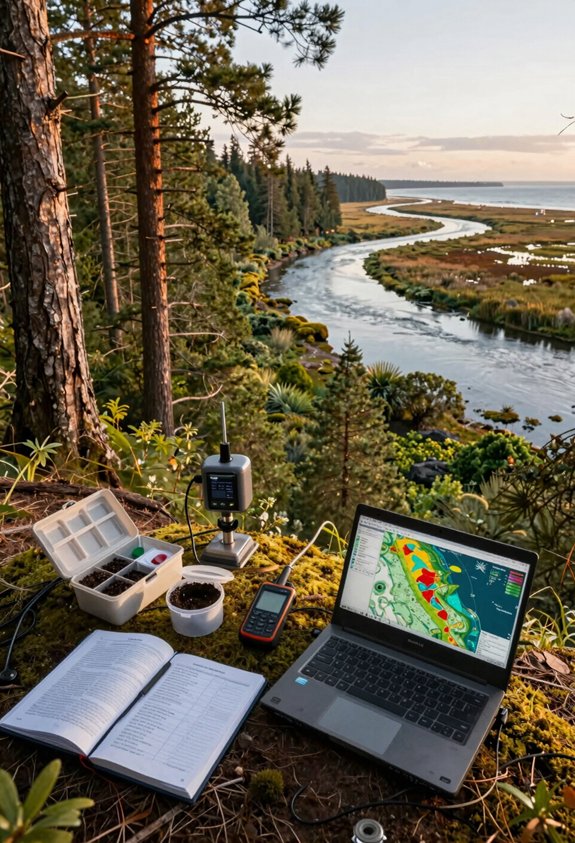
Exploring the salary landscape of ecology specializations reveals that wildlife ecologists command the highest pay, with annual earnings ranging from $80,000 to $98,500, a figure that reflects both the breadth of their responsibilities, studying how living organisms interact with natural and human made environments, and the steady demand for their expertise across universities, conservation groups, and research firms.
Forest ecologists follow closely, earning $71,000–$93,000, because they assess tree health, plan sustainable harvesting, and mitigate hazards like flooding.
Environmental scientists, with a median of $80,060, sit competitively, analyzing pollution and advising policy while conducting soil and water tests. Senior ecologists, despite a narrower range of $69,000–$86,000, provide seasoned guidance across projects.
Aquatic ecologists, earning $57,000–$69,000, focus on freshwater habitats, monitoring invasive species and water quality. Renewable energy technicians are experiencing a rapid growth rate, reflecting the expanding clean energy sector. Environmental Impact Assessments are essential for guiding policy decisions in many of these roles.
How Do Restoration Ecologists’ Salaries Compare to General?
Restoration ecologists earn about $64,560 a year, roughly 23 % more than the $52,280 average for general ecologists, a gap that reflects higher demand for specialized restoration work and a tighter pay range; this difference of $12,280 annually shows how niche expertise can boost earnings.
Factors influencing pay include geographic hotspots such as Redwood City, CA and Sitka, AK, where salaries rise above the national average, and the fact that hourly wages for restoration ecologists sit at $31.04 compared to $25 for their general counterparts.
While experience still matters, the field’s modest growth and limited advancement opportunities mean that the salary gap remains a key consideration for thoughtful career planning.
What Is the Pay Outlook for Wildlife and Field Ecologists?
Typically, wildlife ecologists earn around $81,500 a year, a figure that reflects national data collected in March 2026 and includes hourly rates of roughly $39 and monthly pay near $6,800.
Their salaries stay fairly steady across the country, with most earning between $6,666 and $8,208 a month, while the top 25 % reach about $98,500 annually; entry‑level positions start near $80,000, and the highest earners can make $103,500.
Field ecologists, by contrast, average $52,387 a year, a gap of roughly $29,000, and their top salaries peak around $73,500, showing wider variance based on experience.
Both fields offer modest growth, yet wildlife ecology generally provides a higher earning ceiling.
- National average: $81,500 / yr, $39 / hr, $6,800 / mo
- Highest regional pay: San Jose, CA $95,559 / yr; Berkeley, CA $99,815 / yr
- Median range: $80,000 – $98,500 / yr for wildlife ecologists
- Entry level: $80,000 / yr (wildlife) vs. $42,500 / yr (field)
- Top earners: $103,500 / yr (wildlife) vs. $73,500 / yr (field)
Gender Pay Gap varies across positions, ages, races, and education levels. Location is a major determinant of salary, with San Jose, CA offering compensation that is 97 % greater than the national average.
How Does an Ecology Degree Affect Average Salary?
Seeing how an ecology degree shapes earnings starts with the basics: a bachelor’s credential sets the entry point, where early career professionals typically earn around $47,000–$47,370 a year, and even the lowest paid graduates begin at roughly $30,180, a figure that reflects the minimum qualification for technician and entry‑level roles.
Within five years, the median rises to $42,734, and mid career ecologists with a bachelor’s reach $80,060, showing a 42.8 % increase from early‑career pay. Advanced degrees boost earnings dramatically: master’s or Ph.D. holders earn $80,060 median, senior roles hit $102,140, and top earners approach $129,450, a 170 % jump from entry ;evel. The typical early career salary with a bachelor’s degree in ecology is $28,534.
What Ecology Bonus Structures Exist and How Are They Calculated?

Ecology professionals often receive performance bonuses, extra pay tied to meeting specific goals such as project milestones or conservation outcomes, so they need to understand how these rewards are calculated, which typically involve a base salary percentage plus measurable results; the calculation methods overview explains that firms may use a fixed formula, a tiered scale, or a mix of both, depending on the role and organization, and clarifying impact on total compensation shows that bonuses can markedly raise overall earnings, especially when they’re combined with benefits and retirement contributions, helping workers see the full value of their work.
Organizations such as the IMA provide career development resources that can help ecology professionals align their bonus targets with industry standards. The Plan’s financial objectives are weighted at 60% of the total incentive..
Performance Bonus Types
Beyond the paycheck, many ecology professionals receive performance bonuses that reward outcomes tied to project success, data quality, or conservation impact, meaning extra pay awarded for meeting specific goals. These bonuses often reflect the collaborative nature of ecological work, encouraging careful data collection, timely reporting, and measurable environmental benefits, while aligning personal effort with organizational mission.
Understanding the typical types helps professionals anticipate what achievements will be recognized and how their contributions translate into tangible rewards.
- Project Completion Bonus – awarded when a study or restoration project finishes on schedule and meets predefined milestones.
- Data Quality Bonus – given for delivering accurate, clean, and well‑documented datasets that support reliable analysis.
- Conservation Impact Bonus – tied to measurable improvements in habitat health, species recovery, or ecosystem services.
- Team Performance Bonus – shared among members when the whole group exceeds targets or secures new funding.
- Innovation Bonus – granted for developing novel methods, tools, or approaches that advance ecological research or practice.
Which Industries Pay the Most for Ecology Work?
If you look at the job market for ecologists, you’ll see that government and public agencies consistently top the pay chart, offering wildlife management positions that range from $80,000 to $98,500 a year and forest management roles that sit between $71,000 and $93,000, while environmental‑science analysts in the same sector average $71,561 annually and hydrologists earn a median of $79,370; these figures reflect the steady demand for expertise in managing natural resources, protecting habitats, and ensuring water quality, all of which require a solid understanding of ecosystem dynamics how living organisms interact with each other and their environment making the public sector both a reliable and lucrative path for those who want to turn scientific knowledge into practical, policy driven outcomes.
Beyond the public arena, environmental consulting firms and engineering groups pay well, especially for engineers who design mitigation projects, while corporate sustainability strategists in the UK earn up to £90,000, senior roles exceeding £100,000, reflecting the growing need for ecological insight in business decisions. Academic positions offer respectable salaries, but private sector roles typically outpace them, and non‑profits generally sit lower on the scale, emphasizing the importance of industry choice for maximizing earnings.
What Is the Projected Job Growth Trend for Ecologists Through 2028?
Because stricter environmental laws, growing public concern about ecosystem health, and shifting industry practices all converge, the projected job growth trend for ecologists through 2028 is broadly positive, with most ecological roles expected to expand at or above the national average.
The outlook shows a 4 % rise for environmental scientists and specialists, matching the overall occupational growth, while earth science professionals enjoy an 8 % increase, outpacing the average.
Industrial ecologists, who already saw an 11 % surge from 2016‑2026, anticipate a 6 % boost, supported by 11,000 openings over the next decade and a steady need for about 1,100 new hires each year.
These numbers reflect tighter regulations, sustainability drives, and a looming wave of retirements that together fuel demand.
- 8,500 annual openings for environmental scientists and specialists
- 5,600 yearly openings for environmental science and protection technicians
- 4,800 new industrial ecologist positions plus 6,200 replacements over ten years
- Highest industrial ecologist concentration in California (12,820 employed)
- Skills shortage in leadership, writing, collaboration, and project management raises demand for experienced professionals
Which Emerging Fields Are Creating New Ecology Jobs?

When cities expand, the need to weave nature into streets, roofs, and parks grows, and urban ecology, an emerging field that studies how plants, animals, and people interact in built environments ofders a fresh wave of jobs for planners, landscape architects, and environmental scientists who design green roofs , storm water wetlands, and pollinator corridors.
Professionals now also guide Biodiversity Net Gain (BNG), a policy that requires new developments to leave nature better than it was, creating roles for ecologists who write habitat‑creation plans and monitor long‑term outcomes.
Climate adaptation teams seek hydrologists and wetland specialists to build resilience against floods and droughts, especially in southern English counties.
Meanwhile, nature based investment firms hire project managers and finance analysts to fund peatland restoration, woodland creation, and habitat banking.
Finally, data‑driven ecology using GIS, remote sensing, and AI demands analysts who can turn satellite images and drone maps into actionable conservation insights.
Which Ecology Related Certifications Boost Your Marketability?
Ecology related certifications can lift a professional’s profile by signaling proven expertise, especially when the credential aligns with the specific duties a job demands, such as field data collection, restoration planning, or fire‑management strategy.
The ESA Professional Ecologist program, for example, offers tiered levels such as Ecologist in Training, Associate Ecologist, Ecologist, and Senior Ecologist that match career stages, require a bachelor’s or master’s degree, and demand documented experience, independent studies, and peer‑reviewed publications, thereby proving analytical and communication skills to employers.
The SER Certified Ecological Restoration Practitioner (CERP) focuses on designing, implementing, and monitoring restoration projects, giving consultants a clear edge where regulatory compliance matters.
The AFE wildland fire certifications, with eleven specialties, showcase competence in fire ecology and fuels management, while the NREP Registered Environmental Professional and Manager credentials highlight project‑leadership and advanced environmental knowledge, both recognized across industry sectors.
How to Stay Current With Ecological Research and Tools?

Earning a certification shows that a professional has proven expertise, and the next step is to keep that expertise sharp by staying up to date with the latest research and tools. Ecologists can maintain a steady flow of knowledge by regularly reading peer reviewed journals, which publish vetted studies, joining professional societies that host webinars and mailing lists, attending annual conferences where new findings are presented, using online databases that aggregate datasets and software, and participating in collaborative platforms that share code and field methods.
These habits build a habit of continuous learning, help spot emerging trends, and make certain that practical skills stay relevant amid evolving environmental challenges.
- Subscribe to journals such as Ecology or *Journal of Applied Ecology* for current studies.
- Join societies like the Ecological Society of America for webinars and networking.
- Attend conferences (e.g., Ecological Society annual meeting) to hear cutting edge research.
- Use databases like GBIF for biodiversity data and tools like R for analysis.
- Engage in online forums (e.g., ResearchGate) to share methods and ask questions.
What Continuing Education Paths Keep Your Ecology Skills Future Ready?
How can someone keep their ecological expertise ahead of the curve as science and technology evolve? They can enroll in frequentist statistics workshops run by professional societies, where monthly sessions teach the foundations of probability and hypothesis testing, and they can add ecological spatial statistics courses that explain how to map and analyze geographic data for modern conservation. Meta analysis training helps them synthesize findings across many studies, while individual based modeling instruction offers hands‑on simulation experience.
Machine learning classes using R and the mlr3 package teach cross validation and hyper‑parameter tuning, turning data into insight. Interdisciplinary programs blend ecology with entrepreneurship, biotech, and AI, and adaptive learning platforms personalize lessons with interactive challenges. Certifications in environmental engineering, permitting, and project management further guarantee compliance expertise, while entrepreneurial tracks like the Global Ecopreneurs Program teach business planning and investor pitching, preparing ecologists to launch sustainable ventures.
What Interview Questions Should You Ask When Evaluating an Ecology Offer?

If you’re ready to assess an ecology offer, start by asking the organization about its core mission and conservation priorities, because understanding what drives the work, whether it’s protecting wetlands, restoring habitats, or studying species diversity, helps you gauge whether the role aligns with your own values and long‑term goals.
Then inquire how much field work versus desk‑based analysis the position entails, clarifying whether you’ll spend days collecting data in nature or interpreting results on a computer.
Ask about professional development opportunities such as workshops, conferences, or mentorship programs that can build your skill set.
Explore the team structure, reporting lines, and collaboration habits to see how you’ll fit.
Finally probe funding stability, project timelines, and potential career progression within the organization to make certain the role offers both security and growth.
How to Create a 5‑Year Career Roadmap That Maximizes Salary and Expertise?
After weighing the organization’s mission and the balance of field versus desk work, the next step is to map out a five year plan that builds both earning power and expertise. The roadmap should start with a clear education target, whether a master’s for deeper knowledge or a certification for quicker skill acquisition, then layer on field, data‑modeling, and communication abilities that employers value, while also scheduling progressive responsibilities that move from data collection to project leadership, ensuring each step aligns with salary bands tied to experience levels.
- Choose an education path (bachelor’s → master’s or certification) that fits the desired timeline and career tier.
- Build core field and experimental‑design skills early, then add GIS or programming for data‑driven modeling.
- Seek publishing and communication opportunities to translate research into reports for policymakers.
- Target mid‑career roles that involve stakeholder management and ecosystem evaluation after 8‑10 years.
- Plan for senior positions by mastering policy interpretation and interdisciplinary team leadership before year 15.
Final Thoughts
In the end, choosing ecology feels like stepping onto a well‑tended path that quietly rewards curiosity, and while the job market may not always glitter, it offers steady growth and meaningful impact; applicants who blend solid education like a biology degree, with hands‑on fieldwork and a dash of data‑analysis skills, often find doors opening, even in remote research roles, and by nurturing a portfolio that showcases both lab results and real‑world observations, they position themselves for a career that steadily deepens expertise and, over time, gently lifts earnings, all while contributing to a healthier planet.
References
- https://www.payscale.com/research/US/Job=Ecologist/Salary
- https://www.ziprecruiter.com/Salaries/Ecology-Salary
- https://www.bls.gov/ooh/life-physical-and-social-science/environmental-scientists-and-specialists.htm
- https://www.ziprecruiter.com/Salaries/Ecology-Degree-Salary
- https://www.zippia.com/ecologist-jobs/trends/
- https://www.payscale.com/research/US/Job=Wildlife_Ecologist/Salary
- https://www.indeed.com/career-advice/finding-a-job/what-does-ecologist-do
- https://www.greencareershub.com/find-your-green-role/job-profiles/ecologist/
- https://nationalcareers.service.gov.uk/job-profiles/ecologist
- https://www.betterteam.com/ecologist-job-description

Erzsebet Frey (Eli Frey) is an ecologist and online entrepreneur with a Master of Science in Ecology from the University of Belgrade. Originally from Serbia, she has lived in Sri Lanka since 2017. Eli has worked internationally in countries like Oman, Brazil, Germany, and Sri Lanka. In 2018, she expanded into SEO and blogging, completing courses from UC Davis and Edinburgh. Eli has founded multiple websites focused on biology, ecology, environmental science, sustainable and simple living, and outdoor activities. She enjoys creating nature and simple living videos on YouTube and participates in speleology, diving, and hiking.
🌿 Explore the Wild Side!
Discover eBooks, guides, templates and stylish wildlife-themed T-shirts, notebooks, scrunchies, bandanas, and tote bags. Perfect for nature lovers and wildlife enthusiasts!
Visit My Shop →