
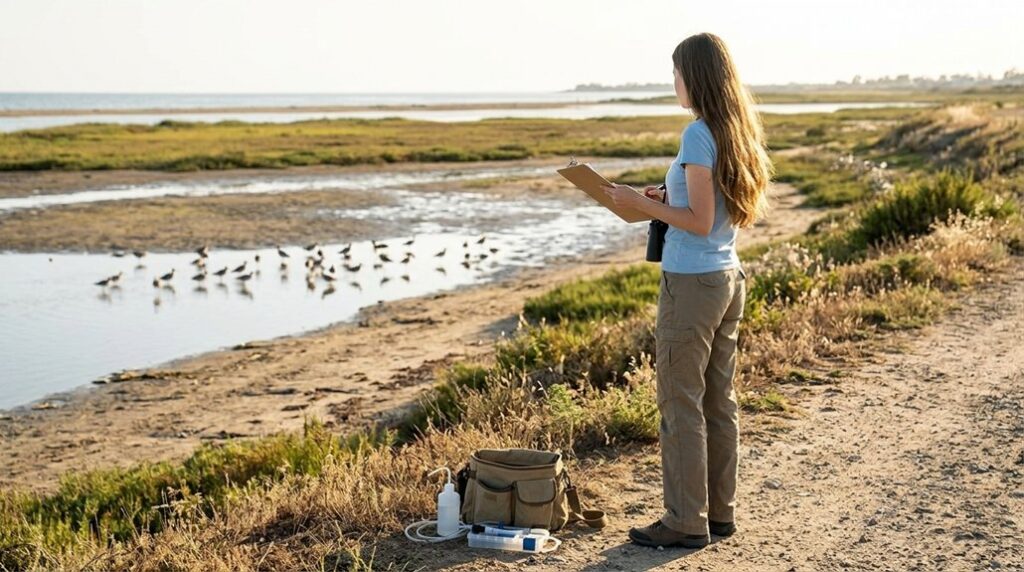
Quick answer: A conservation scientist career is worth it if meaningful, outdoor, mission-driven work matters more to you than a high starting salary. Expect to start below $45,260, reach a median of $69,060, and top $100,000 in specialized or government roles. Employers prioritize GIS skills, field stamina, and the ability to translate land data for everyday people. Demand is steady but competitive, with about 3,900 openings each year.
A conservation scientist career can absolutely be worth it, if you go in with clear eyes about the pay and the path. You’ll likely start below $45,260, doing real fieldwork in tough conditions, but median wages reach $69,060 and top roles exceed $100,000. Employers want GIS skills, physical readiness, and the ability to explain complex land data to everyday people. The work is meaningful and lasting, and everything ahead will show you exactly how to get there.
Key Takeaways
- The median annual wage is $69,060, with entry-level roles starting below $45,260 and top earners exceeding $100,000 in specialized roles.
- Essential skills include GIS proficiency, remote sensing, quantitative analysis using R or Python, physical stamina, and strong stakeholder communication.
- Federal agencies like the U.S. Forest Service employ roughly 27% of conservation scientists, with additional opportunities in nonprofits and consulting firms.
- Job growth sits around 3% with approximately 3,900 annual openings, offering stable but competitive employment prospects nationwide.
- Higher-paying positions concentrate in states with large public landholdings, including Alaska, California, and Colorado, where federal land management is prevalent.
What Does a Conservation Scientist Do?
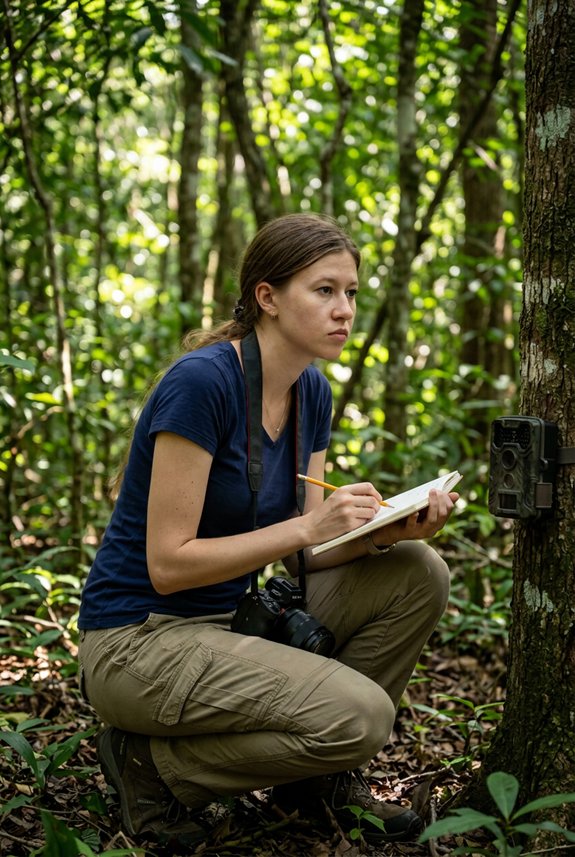
At the heart of this role, conservation scientists develop and put into action land-management plans, structured strategies for how land is used and maintained, to protect forests, rangelands, and soil quality while making sure resources are used sustainably and in line with regulations.
You’ll measure ecosystem health using field tools and geospatial technologies like GIS and drones, supporting data interpretation and habitat restoration efforts with real, observable evidence.
Your work also involves directing controlled burns, evaluating fire damage, and advising on responsible timber removal.
Stakeholder engagement is central, meaning you’ll regularly collaborate with landowners, agencies, and farmers through negotiation and community outreach.
Policy advocacy ties it together, helping translate scientific findings into practical land-use decisions that genuinely protect the environment for generations ahead.
Conservation Scientist vs. Forester: Key Differences Explained
Both roles share a genuine commitment to the land, but conservation scientists and foresters differ in meaningful ways, ways that can help you decide which path fits your interests best.
Conservation scientists lean toward habitat restoration, policy advocacy, and broad ecosystem health, and they’re more likely to work with the federal government.
Foresters, by contrast, often specialize in timber economics, the business side of harvesting trees sustainably, and follow state licensure pathways. Foresters also move into urban forestry, caring for trees in cities, or private consulting for landowners.
If you’re drawn to wide-scale conservation planning, the scientist path suits you well. If timber management, municipal tree care, or contract work appeals to you more, forestry offers a focused, rewarding direction worth considering carefully.
Is a Conservation Scientist Career Worth It?
Whether this career is worth it depends on what you value most, and that’s a question only you can answer honestly.
If strong work life balance, meaningful impact satisfaction, and long term sustainability in both your field and the planet matter deeply to you, conservation science can feel genuinely rewarding. You’ll often engage in community engagement, working alongside landowners, agencies, and local groups to protect shared natural resources.
But there are real ethical tradeoffs, too, balancing economic pressures against ecological needs isn’t always clean or comfortable. Pay starts modest, physical demands are real, and advancement takes time.
Still, if you care about stewarding land responsibly and can tolerate uncertainty, this career offers something salary charts rarely capture: the quiet reward of work that genuinely matters. In my own fieldwork across Oman, Brazil, Germany, and Sri Lanka, the part that surprised me most was how much of this job is translation: turning soil maps and survey data into something a farmer or an agency officer can act on. That skill, more than any single tool, is what I have seen open the most doors in this field.
Conservation Scientist Salary: What You’ll Really Earn
Salaries in conservation science tell a story worth understanding before you commit to the path. The numbers are real, but context shapes what they mean for your life. The combined median annual wage reached $69,060 in May 2024, though regional variations mean your location markedly affects your paycheck.
Entry-level roles start below $45,260, so seasonal fluctuations in fieldwork can stretch tight budgets further. Remote positions often include benefits packages, health coverage, housing allowances, or travel reimbursements, that meaningfully add to your total compensation.
Top earners clear $100,000, particularly in government or specialized management roles. The private sector sometimes offers competitive pay, though stability varies.
With only about 3,900 openings annually, you’ll want to enter this field with clear eyes, genuine passion, and realistic financial expectations already considered.
Which States and Career Stages Pay Conservation Scientists the Most
Geography shapes your earning potential in conservation science more than many people expect, and understanding where the money flows, and why, can help you plan your career with real clarity.
Regional trends show that states like Alaska, California, and Colorado, places with large public landholdings, tend to pay more, largely because federal and state agencies dominate hiring there. These top employers offer stable salaries and strong benefits, which drive salary drivers upward compared to small nonprofits or seasonal roles.
Career stages matter equally: entry-level field technicians often earn $18 $21 per hour, while specialists and supervisors with advanced degrees frequently surpass the $69,060 combined median.
State comparisons reveal that your employer type and location together shape what you’ll actually take home, so researching both before committing to a path is genuinely worthwhile.
| Career stage or location | Typical pay (USD) |
|---|---|
| Entry-level field technician | $18 $21 per hour |
| Combined median, all conservation scientists | $69,060 per year |
| Specialists and supervisors with advanced degrees | Above the $69,060 median |
| Top earners in government or specialized roles | $100,000+ per year |
| Highest-paying states (Alaska, California, Colorado) | Above the national average |
Job Outlook: Is Demand Growing for Conservation Scientists?
Knowing what a field pays is valuable, but knowing whether it’ll keep hiring matters just as much, and conservation science offers a clear, if modest, picture on that front.
Growth sits at about 3%, matching the national average, with roughly 3,900 openings expected yearly according to U.S. Bureau of Labor Statistics projections, most driven by retirement turnover rather than new positions.
Urban expansion is pushing development closer to forests and watersheds, which steadily increases demand for land stewardship.
Regional demand varies meaningfully, so researching your state through Projections Central helps you plan wisely.
Grant funding supports many environmental roles, meaning hiring can shift with policy priorities.
Seasonal hiring is also common, especially in fire and range management.
Strengthening your GIS, data analysis, and specialized conservation skills gives you a real advantage in this competitive, purpose-driven field.
Types of Employers Who Hire Conservation Scientists
The employer landscape for conservation scientists is more varied than many people expect, and understanding it helps you make smarter decisions about your career path.
Federal agencies like the U.S. Forest Service hire roughly 27% of conservation scientists, focusing on public land stewardship and wildfire mitigation. State governments, meanwhile, fill about 25% of forester roles through parks and natural resource departments.
Beyond these public-private distinctions, local governments manage urban trees and stormwater systems, while nonprofit organizations and international NGOs pursue habitat restoration and policy work.
Corporate conservation roles exist within consulting firms and environmental contractors, and some campus partnerships connect graduates directly to research positions. Even volunteer cooperatives offer meaningful entry points, building field experience that formal employers consistently value and reward.
Core Skills Every Conservation Scientist Needs
Mastering a core set of skills is what separates a capable conservation scientist from a great one, and it’s worth taking a moment to understand what those skills actually look like in practice.
You’ll need strong GIS and remote sensing abilities, meaning you can interpret satellite images and drone data to monitor land conditions.
Quantitative tools like R or Python help you analyze field measurements and build ecological modeling, which means using math to simulate how ecosystems behave.
Physical stamina and navigation skills matter just as much in the field.
Clear communication supports stakeholder engagement, helping landowners and agencies actually understand your findings.
You’ll also navigate ethical considerations around land use and lean on interdisciplinary collaboration, drawing from ecology, policy, and data science together.
Conservation scientist skills checklist
- GIS and remote sensing (interpret satellite and drone data)
- Quantitative analysis with R or Python
- Ecological modeling and data interpretation
- Physical stamina and field navigation
- Stakeholder communication and outreach
- Ethical, interdisciplinary land-use judgment
GIS and Technical Tools Conservation Scientists Use Daily
The core skills above (GIS, modeling, communication) don’t exist in isolation, they’re put to work through specific tools you’ll rely on almost every single day. You’ll use GIS software like ArcGIS or QGIS to manage spatial data management tasks, organizing land maps and habitat records with care.
Remote sensing workflows, using satellite imagery and aerial photos, help you track vegetation health across large areas efficiently. Field GPS protocols guide how you collect accurate, georeferenced data points during site visits, ensuring your records integrate cleanly into databases.
LiDAR applications, which use laser pulses to measure canopy height and terrain, give you detailed land profiles without exhaustive surveys. Finally, raster analysis techniques, meaning grid-based calculations for slope, erosion risk, and habitat connectivity, translate raw data into decisions that genuinely shape land management outcomes.
Licenses and Certifications That Boost Your Hiring Odds
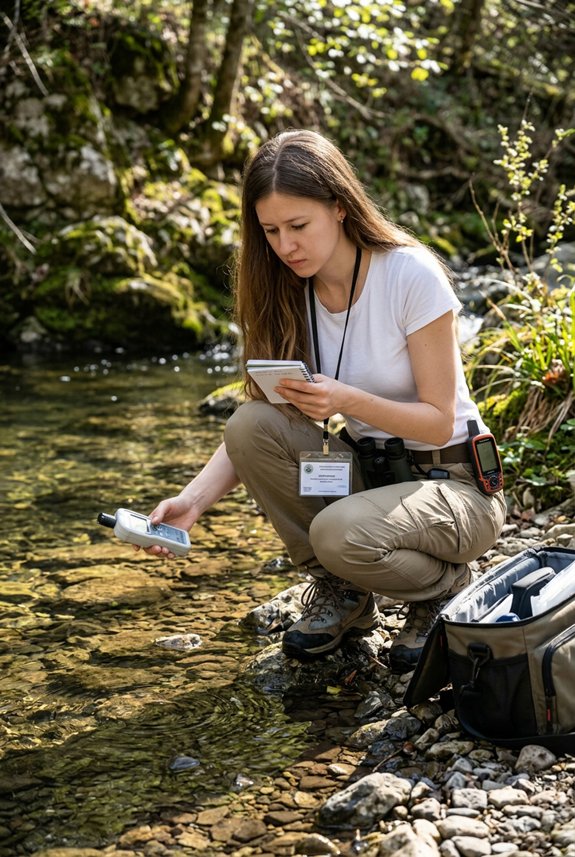
Earning the right credentials can quietly separate your application from the rest, and it’s worth understanding which ones actually matter in this field.
Some states require licensure, often called Registered or Licensed Forester, so check your state’s licensing board carefully, and note that state reciprocity agreements may let your license transfer if you relocate.
Voluntary credentials, like the Society of American Foresters’ Certified Forester, signal real competency to employers, and many organizations offer employer incentives, such as fee reimbursement, for credential maintenance through continuing education units.
Technical certificates in GIS, prescribed fire, or ICS roles demonstrate daily-use skills that hiring managers genuinely value.
Safety credentials (Wilderness First Aid, chainsaw operation) are often required for field posts, and some positions include background checks, so maintaining a clean professional record matters too.
What Degree Do You Need to Become a Conservation Scientist?
Starting with a solid educational foundation is the clearest path into conservation science, and for most entry-level roles, that means earning a bachelor’s degree in forestry, natural resources, environmental science, or biology.
Your coursework will likely cover ecology, soil science, forest measurement, and GIS, geographic information systems, tools used to map and analyze land.
If a traditional four-year degree isn’t your immediate path, degree alternatives exist: online certificates, articulation agreements that transfer community college credits into university programs, and global programs offering internationally recognized credentials.
Adding interdisciplinary minors, like policy, data science, or geographic studies, strengthens your profile meaningfully.
Advanced positions in research or management often require a master’s or PhD, so consider your long-term goals early, and let those ambitions quietly shape the educational choices you make today.
Does a Master’s Degree Pay Off for Conservation Scientists?
Once you’ve mapped out the educational basics, a natural next question emerges: is it worth pushing further and earning a master’s degree? The return on investment depends heavily on your goals.
Federal agencies, large nonprofits, and research institutions often prefer or require a master’s, and those roles typically pay above the median. You’ll also gain technical skills, GIS, statistical modeling, remote sensing, that make you more competitive.
Many programs offer research fellowships, which provide funding while you build experience, and employer partnerships that connect you directly with hiring organizations. Alumni networks can open doors that job boards simply don’t.
If time or finances are concerns, part-time options exist. Ultimately, a master’s degree pays off most when your target role genuinely requires or rewards it.
How to Get Conservation Science Field Experience Before You Graduate
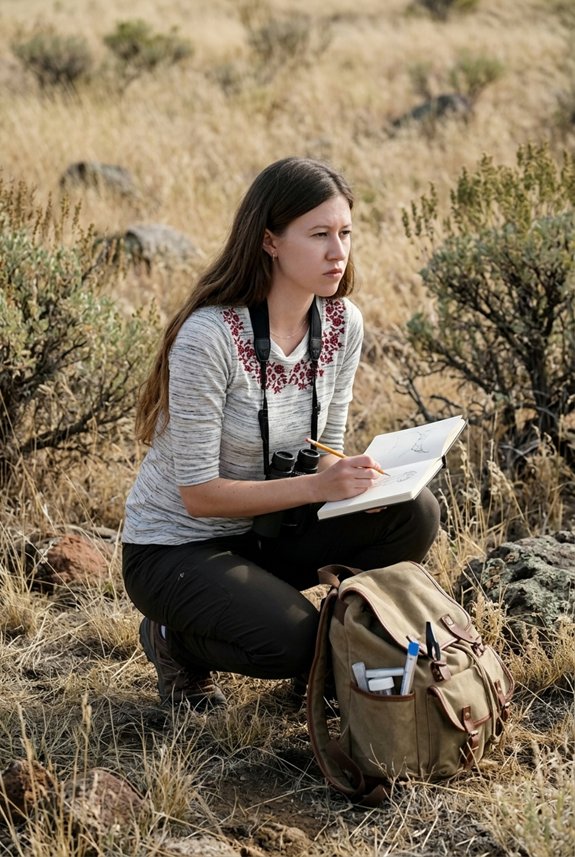
Before you even walk across the graduation stage, you can start building the kind of real-world experience that hiring managers actually look for, and doing so doesn’t require waiting for the perfect opportunity to appear.
Seasonal networking, meaning the connections you build through summer technician roles paying around $18 $21 per hour, opens doors that formal applications rarely do.
Volunteer with NGOs or university crews for vegetation surveys, nest monitoring, or invasive species removal, and treat each opportunity as a lesson in field ethics, respecting land, data integrity, and safety protocols.
Practice GIS mapping using open datasets, learn basic equipment maintenance to keep tools field-ready, and explore community science platforms for accessible project experience.
Always prepare for weather preparedness challenges, because backcountry conditions test your reliability before your credentials ever do.
What Hiring Managers Actually Look for in Candidates
The field experience you’ve been building, the transect surveys, the GIS practice, the early mornings in unpredictable weather, starts to mean something specific the moment a hiring manager opens your application.
They’re looking for fieldwork resilience, meaning your ability to stay focused and dependable when conditions get hard.
They want stakeholder storytelling: your capacity to explain complex land data clearly to farmers, agencies, or community members.
They value interdisciplinary adaptability, your comfort moving between ecology, data systems, and ethical land management, making decisions that honor both science and the communities affected.
Proficiency in GIS, Excel, or SQL matters, as does any exposure to project budgeting, meaning tracking costs and resources for fieldwork or restoration plans.
Show evidence of all these things, and your application becomes difficult to overlook.
How to Build a Resume That Gets Conservation Jobs
Your resume is often the first real conversation you have with a hiring manager, and it needs to speak clearly, specifically, and with evidence.
Start with a field-ready summary, a brief opening that names your degree, your GIS experience, and your years working outdoors. Use keyword-optimized headings like “Technical Skills” and “Land Management Experience” so your resume matches job postings naturally.
Write impact-focused bullets that quantify your work: acres managed, erosion sites improved, crew members supervised. Choose tailored action verbs, “restored,” “mapped,” “monitored”, rather than vague words like “helped” or “worked on.”
Skills-first formatting puts your strongest tools upfront, where hiring managers look first. Keep it honest, keep it specific, and remember that every line should earn its place.
How to Become a Conservation Scientist: Step by Step
- Earn a relevant bachelor’s degree in forestry, natural resources, environmental science, or biology.
- Build field experience early through seasonal technician roles, volunteering, and university field crews.
- Develop technical skills in GIS, remote sensing, and R or Python data analysis.
- Earn targeted certifications such as GIS certificates, prescribed fire training, or Wilderness First Aid.
- Consider a master’s degree if you are targeting federal agencies, research, or management roles.
- Build a results-focused resume and apply to agencies, nonprofits, and consulting firms.
Conservation Science Specializations That Can Shape Your Career Path
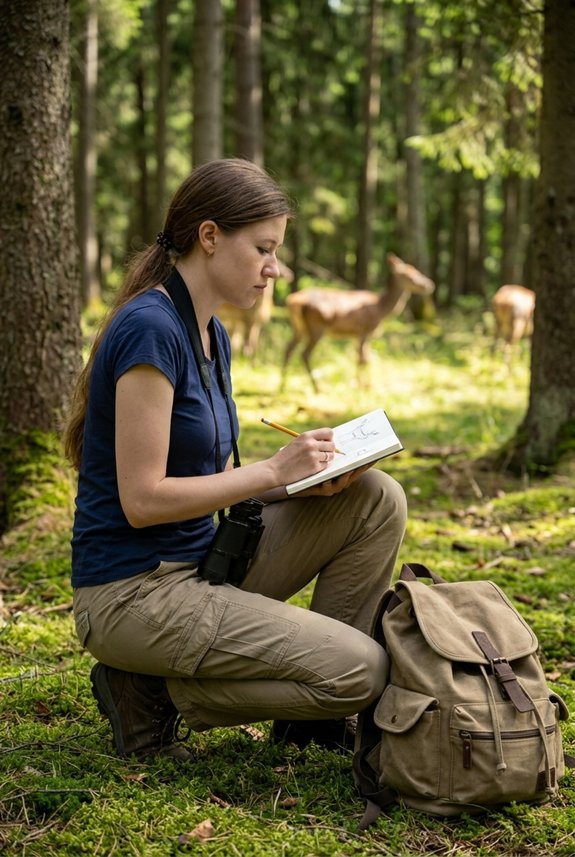
Once you’ve built a resume that reflects your skills and field experience, the next natural step is thinking carefully about which corner of conservation science genuinely fits you, because this field isn’t one single path, but a collection of distinct specializations, each with its own focus, tools, and daily rhythms.
Range management centers on grazing lands and wildfire prevention. Urban forestry improves city air quality and stormwater control through municipal tree care. Procurement forestry involves timber valuation, negotiation, and harvesting logistics using tools like GIS and clinometers (devices that measure tree height).
Soil conservation means helping farmers reduce erosion and protect water quality through carefully designed field practices. Conservation education connects outreach with habitat protection, training landowners and teachers to support biodiversity (the variety of living species) over the long term.
Adjacent Careers That Use Conservation Science Skills
Beyond conservation science itself, the skills you’ve built, field assessment, GIS mapping, stakeholder communication, and ecological analysis, transfer naturally into several adjacent careers that are worth knowing about.
Wildlife biologists earn a median wage of $72,860, applying those same tools to population monitoring and habitat restoration. Environmental scientists, earning around $80,060, focus on pollution mitigation and regulatory compliance.
GIS specialists handle spatial analysis and remote sensing, skills your training already covers. Park rangers and natural resource managers lead land planning while building community partnerships with local stakeholders.
Restoration ecologists address climate adaptation by repairing damaged ecosystems through vegetation surveys and erosion control.
You’ll also find opportunities in policy integration, citizen science coordination, and even tech entrepreneurship, where conservation data tools increasingly attract mission-driven innovation and meaningful, lasting impact.
Frequently Asked Questions
What does a conservation scientist do?
Conservation scientists develop and carry out land-management plans to protect forests, rangelands, and soil, measure ecosystem health with field tools and GIS, and work with landowners and agencies to use natural resources sustainably.
Is a conservation scientist career worth it?
Yes, if you value meaningful, outdoor, mission-driven work over a high starting salary. Pay starts modest and advancement takes time, but the work is stable, purposeful, and lasting.
How much do conservation scientists earn?
The combined median wage is $69,060 per year. Entry-level roles start below $45,260, while top earners in government or specialized management roles clear $100,000.
What degree do you need to become a conservation scientist?
Most entry-level roles require a bachelor’s degree in forestry, natural resources, environmental science, or biology. Research and management positions often require a master’s or PhD.
Is demand for conservation scientists growing?
Yes, modestly. Employment is projected to grow about 3% with roughly 3,900 openings each year, most driven by retirement turnover, according to U.S. Bureau of Labor Statistics projections.

Erzsebet Frey (Eli Frey) is an ecologist and online entrepreneur with a Master of Science in Ecology from the University of Belgrade. Originally from Serbia, she has lived in Sri Lanka since 2017. Eli has worked internationally in countries like Oman, Brazil, Germany, and Sri Lanka. In 2018, she expanded into SEO and blogging, completing courses from UC Davis and Edinburgh. Eli has founded multiple websites focused on biology, ecology, environmental science, sustainable and simple living, and outdoor activities. She enjoys creating nature and simple living videos on YouTube and participates in speleology, diving, and hiking.
🌿 Explore the Wild Side!
Discover eBooks, guides, templates and stylish wildlife-themed T-shirts, notebooks, scrunchies, bandanas, and tote bags. Perfect for nature lovers and wildlife enthusiasts!
Visit My Shop →