
You won’t get a real woolly mammoth by 2028. You’ll get an Asian elephant with 65 to 85 CRISPR edits mimicking mammoth traits like shaggy hair and fat insulation. Colossal proved the concept in mice, growing woolly-coated pups. But scaling multiplex editing to elephants means untested stem cells, 22 month pregnancies, and no ecosystem to return to. Ecologists question the payoff. What follows explains why this timeline may not hold.
Key Takeaways
- Colossal aims to create cold-adapted elephant hybrids by 2028 using CRISPR, not true mammoth cloning.
- The plan requires 65 to 85 precise gene edits, 22-month elephant pregnancies, and untested stem cell techniques.
- Mice trials showed promising shaggy coats and altered fat metabolism, but scaling to elephants remains unproven.
- Ecologists argue single hybrid calves can’t restore mammoth-steppe ecosystems or replicate lost herd-driven landscape engineering.
- Critics warn using endangered elephants as surrogates risks diverting funds from proven conservation efforts.
What Colossal’s 2028 Mammoth Deadline Really Means
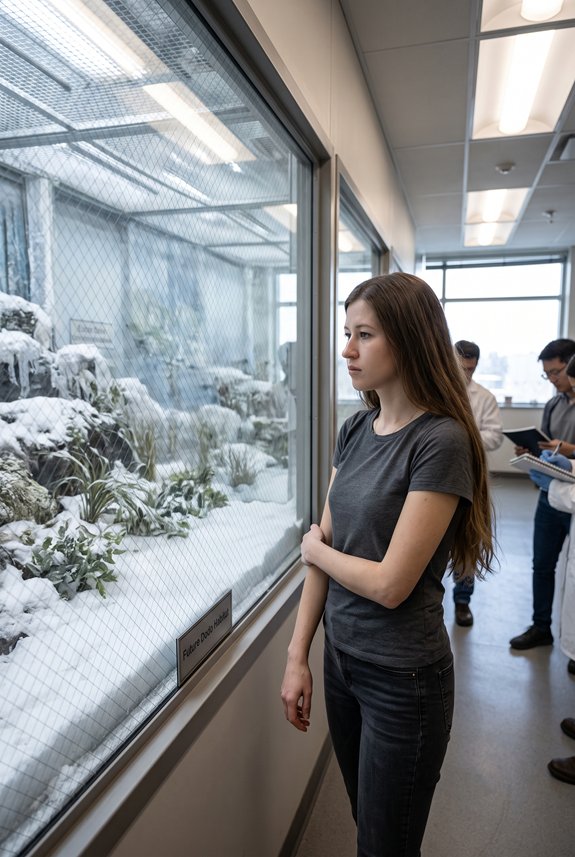
When Colossal says it will bring back mammoths by 2028, it doesn’t mean cloning an exact copy of Mammuthus primigenius, the woolly mammoth that vanished roughly 4,000 years ago. Instead, scientists plan to edit Asian elephant genomes, closing about 0.4% of the genetic gap using CRISPR, a tool that cuts and rewrites DNA at precise locations. The goal is a cold-adapted elephant hybrid, not a resurrected species.
Reaching that goal means solving cellular bottlenecks first. Researchers must derive elephant stem cells, turn them into eggs or sperm, and confirm edits across dozens of genes. Then come regulatory hurdles: approvals for surrogate pregnancies lasting 22 months. Even success would shape public perception more than restore lost biodiversity, the variety of life sustaining ecosystems.
How Woolly Mice Proved the CRISPR Concept
Picture a mouse covered in shaggy, gold-tinted fur, and you’ve pictured Colossal’s proof-of-concept. Scientists chose mice for a simple reason: they gestate in 20 days, not 22 months like elephants. That speed let researchers test multiplex CRISPR, a technique that edits several genes at once, without waiting years for results.
The numbers tell the story. Across five rounds, Colossal produced nearly 250 embryos. Fewer than half reached the 200-300 cell stage, a key marker of embryo viability, meaning the embryo can likely develop further. About a dozen surrogates carried implants to term.
The payoff came through phenotype validation. Roughly 38 pups were born with woolly hair and altered lipid metabolism, proving the edited genes actually worked as intended.
Which Elephant Genes Colossal Plans to Edit for Mammoths
Mice were just the rehearsal. The real work is rewriting elephant DNA at up to 85 specific spots that separate Asian elephants from woolly mammoths.
You’ll find hair genes leading the list. In the mice, Colossal made eight edits across seven genes, most producing a shaggy, long coat while one controls melanin, the pigment giving that coat a golden tint.
Next come fat genes, which redirect fat under the skin and speed up how the body burns it, mimicking a mammoth’s insulating layer.
Colossal is also targeting tusk morphology, meaning the shape and growth pattern of tusks, along with skull structure and molar design suited for grinding tough, cold-climate plants.
Each edit moves from mice to elephant stem cells before real embryos.
Why Scientists Doubt Colossal’s Mammoth Timeline
Because that 2028 date rests on so many unproven steps, most scientists treat it as a marketing milestone rather than a scientific one. Colossal needs roughly 65 to 85 precise edits across the elephant genome. No one has ever done multiplex editing at that scale in a large mammal. That’s a real question of technical feasibility, whether the science can even work as planned.
You also face experimental bottlenecks at every stage. Elephant stem cells are new and hard to reprogram. Turning them into embryos, then live calves, remains untested. Add a 22-month pregnancy, then years of calf care, and the math stops working within six years.
This timeline skepticism isn’t cynicism. It’s grounded in biology, which rarely moves as fast as press releases suggest.
Could a Revived Mammoth Survive Today’s Arctic?
Suppose Colossal actually pulls off the edits and produces a healthy calf. It still wakes up in the wrong world.
Today’s Arctic is mostly treeless tundra, holding only a small fraction of the plant biomass the Pleistocene mammoth-steppe once supported. That steppe was a vast grassland ecosystem mammoths depended on for food. Forage restoration on that scale won’t happen overnight; permafrost now holds 1,600 billion tons of carbon, locked under moss and forest, not grass.
Even with roughly 65-85 cold-adaptation edits giving it a thick coat and fat reserves, one calf can’t rebuild an ecosystem. Social dynamics matter too, mammoths lived in herds, and a lone animal has no herd structure. Climate modeling suggests real habitat change would need many animals, sustained over decades.
The Ethical Cost of Editing Endangered Elephants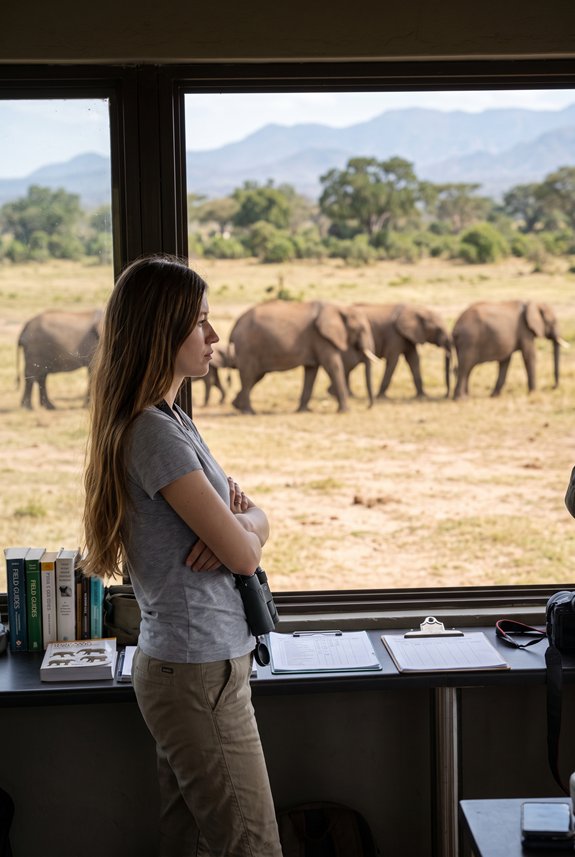
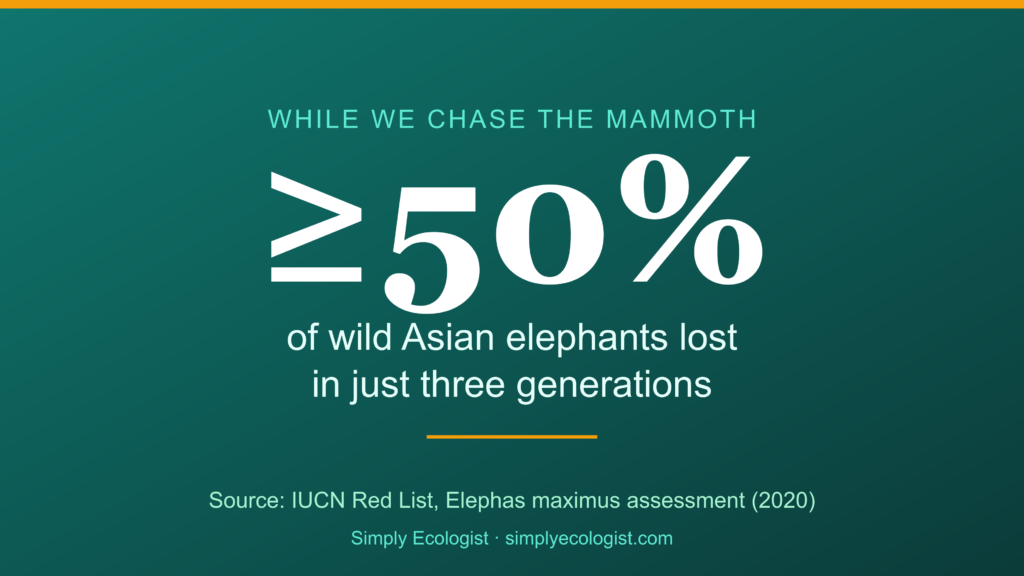
Before any mammoth calf can wake up in a lab, real elephants have to pay the upfront cost. Colossal’s plan needs living elephants as egg donors and surrogates. Asian elephant numbers have dropped roughly 50% since 1986. African elephants are Endangered or Critically Endangered. That means researchers would edit and impregnate animals from populations already struggling to survive.
The process itself raises surgical ethics questions. Oocyte retrieval, repeated anesthesia, and 22 month pregnancies carry real risks of injury or death. Editing 65 to 85 genes at once also risks unintended harm passed to offspring.
Beyond biology, this touches animal personhood, the idea that some species deserve moral consideration as individuals, and cultural stewardship, the responsibility to protect species people have long valued.
What Happens When an Extinct Species Returns?
Elephants aren’t the only ones who’d feel the effects of a mammoth’s return. Picture a hybrid herd walking into Siberian tundra after 10,000 years away. You’d hope for trophic cascades, chain reactions where one species’ actions reshape an entire ecosystem, like grazing that turns tundra back into grassland. But you can’t guarantee it.
The animals might skip migration patterns or herd structures that made mammoths effective landscape engineers. You also face pathogen emergence, the risk that ancient or novel diseases surface and spread to existing wildlife. Some call this cultural restoration, reviving humanity’s connection to a lost species. That’s meaningful, but it’s not biodiversity, the variety of life sustaining an ecosystem. Genetics alone won’t rebuild what habitat and time erased.
Why Ecologists Call Mammoth De-Extinction a Costly Distraction
While Colossal chases headlines about mammoths, real elephants keep disappearing. Asian and African elephants have lost about half their population since 1986. That’s a biodiversity loss, meaning fewer species and smaller populations doing the work ecosystems need. Ecologists point to funding tradeoffs. Every dollar spent engineering cold-adapted hybrids is a dollar not spent on habitat protection or anti-poaching work. This raises questions about prioritizing species. Should scarce resources chase a speculative revival, or protect elephants that already exist and need help now?
Critics also raise conservation accountability. They ask who verifies claims about ecological benefits, timelines, and costs before donors and policymakers commit resources. Without clear answers, they argue, mammoth de-extinction risks becoming spectacle instead of science.
Where Conservation Dollars Could Do More Good
Every dollar tells a story about priorities. You could fund experimental gene editing, or you could invest in habitat corridors, protected pathways that let animals move safely between fragmented lands. Both cost money. Only one has proven results.
Consider Asian elephants. Their populations have dropped nearly 50% since 1986. That money could support community incentives, programs paying local residents to protect wildlife instead of hunting it. It could also fund indigenous partnerships, since native communities often manage land more effectively than outside agencies.
Protecting the Arctic’s millions of square miles of tundra keeps carbon locked in permafrost while preserving species already there. That’s biodiversity, the variety of life sustaining ecosystems. Scalable action beats speculative science every time.
Does Mammoth Hype Help or Hurt Elephant Conservation?
Colossal likes to frame its mammoth project as a boost for elephant conservation. You see this in its pitch: reproductive tools like iPSCs (lab-grown stem cells) and surrogate protocols could someday help elephants breed. But public perception matters here. Media framing tends to spotlight woolly mice and 2028 timelines, not the elephants losing habitat right now.
Asian elephant numbers have dropped roughly 50% since 1986. Critics worry about fundraising diversion, where donor dollars chase mammoth headlines instead of anti-poaching work. That creates real policy tradeoffs. Community engagement and education outcomes suffer too, since audiences learn about gene editing spectacle, not the biodiversity (variety of species) loss happening in elephant range countries today.
Is Colossal’s Mammoth Project Worth the Investment?

Since a 2028 deadline drives the mammoth project, it’s worth asking what that investment actually buys. You’re looking at roughly 65 to 85 CRISPR edits, iPSC engineering, and a 22-month surrogate pregnancy, all for one hybrid animal. Put the two numbers side by side: this project would make up to 85 gene edits to produce a single hybrid calf, while the Asian elephant it leans on as a surrogate has already lost at least half its wild population in three generations. One is a laboratory milestone, the other a species emergency.
A cost‑benefit analysis matters here. That means weighing what you spend against what you gain. Colossal spends millions chasing a symbolic mammoth while Asian elephants stay endangered, facing habitat loss now.
This raises real opportunity cost: money spent on de‑extinction can’t simultaneously fund field conservation. Stakeholder engagement, consulting scientists, conservationists, and communities affected by these decisions, remains thin.
Supporters point to reusable tools like multiplex editing. Critics counter that proven conservation methods protect more species, more reliably, for less money.
Frequently Asked Questions
How Close Is Colosal to Bringing Back the Mammoth?
You’re not that close, you’ve got edited mice and iPSCs, but no elephant embryos yet. Without a solid ethics framework, habitat modeling, and de extinction policy, that 2028 calf claim stays speculative.
Are Woolly Mammoths Coming Back in 2027?
You won’t see mammoths “walking the earth” by 2027, that’s optimistic framing. You’re looking at 2028 at earliest, and even then, ethical implications, habitat restoration needs, and de-extinction policy gaps mean don’t hold your breath.
What Killed off the Wooly Mammoth?
You’ll find climate change shrank mammoth habitat, human hunting added pressure, and disease emergence plus inbreeding in small, isolated populations weakened their fitness, together driving woolly mammoths to extinction roughly 4,000 years ago.
Can Scientists Actually Bring Back the Woolly Mammoth?
Not quite, you won’t get a true mammoth. You’ll get an elephant hybrid facing genetic challenges, unresolved de-extinction ethics, and questionable payoff, since habitat restoration for real ecosystems matters more than reviving extinct giants.

Erzsebet Frey (Eli Frey) is an ecologist and online entrepreneur with a Master of Science in Ecology from the University of Belgrade. Originally from Serbia, she has lived in Sri Lanka since 2017. Eli has worked internationally in countries like Oman, Brazil, Germany, and Sri Lanka. In 2018, she expanded into SEO and blogging, completing courses from UC Davis and Edinburgh. Eli has founded multiple websites focused on biology, ecology, environmental science, sustainable and simple living, and outdoor activities. She enjoys creating nature and simple living videos on YouTube and participates in speleology, diving, and hiking.
From the shop
Gifts for people who love the wild
Wildlife themed t-shirts, notebooks, tote bags, bandanas and guides, designed by an ecologist.
Visit the shop