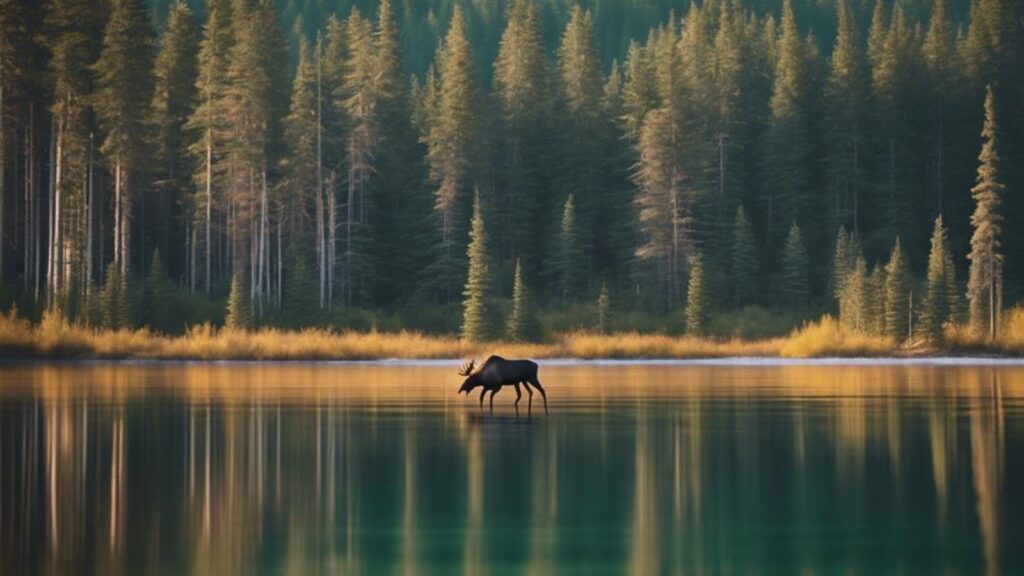
How Deep Can Moose Dive?
Sneak a peek into the secret world of moose diving depths and discover the surprising capabilities of these majestic creatures.

Mammals, a diverse group of warm-blooded animals, belong to the vertebrate class and are characterized by the presence of hair, three middle ear bones, and the production of milk for their young. They encompass a wide range of species, from placental mammals, such as humans and other primates, to marsupials, like kangaroos and opossums, and monotremes, including the egg-laying platypus.
Within this category, carnivores, like lions and tigers, feed on meat, while omnivores, such as bears and pigs, consume both plants and animals. Herbivores, including cows and deer, primarily feed on plants. Many mammals are terrestrial animals, inhabiting a variety of ecosystems, from forests to grasslands, while others, like whales and dolphins, are marine mammals, thriving in the world’s oceans.
The mammalian class is incredibly diverse, with over 5,000 species, ranging from the tiny bumblebee bat to the massive blue whale. Primates, rodents, and other mammalian groups exhibit unique characteristics, adaptations, and behaviors, underscoring the complexity and richness of animal classification in zoology.
As an integral part of wildlife and fauna, mammals play vital roles in maintaining ecosystem balance and biodiversity. By exploring and learning about these fascinating creatures, we can better appreciate the intricate relationships within ecosystems and work towards preserving the natural world.
Sneak a peek into the secret world of moose diving depths and discover the surprising capabilities of these majestic creatures.
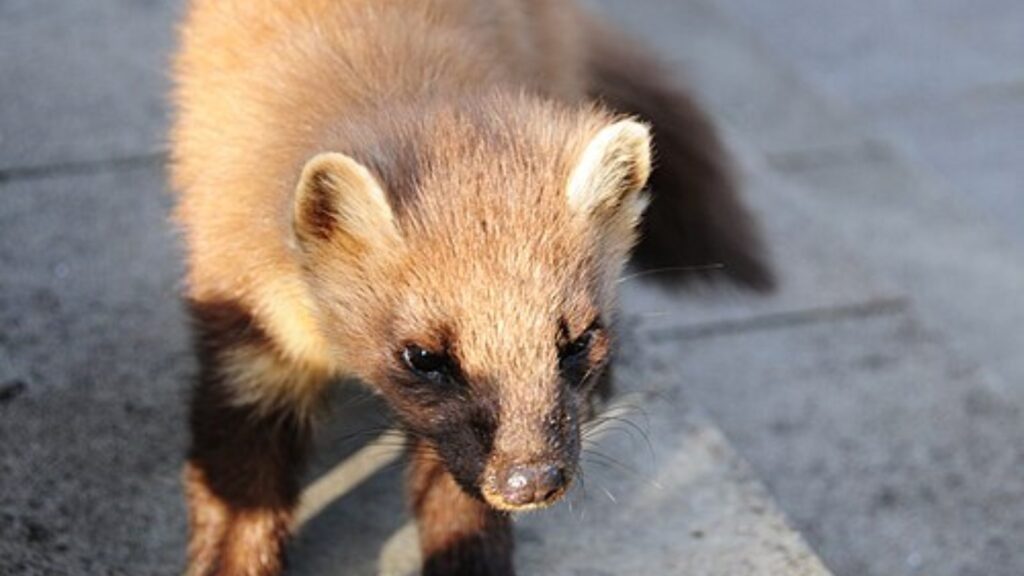
Hunters of the wild, Fisher Cats and Pine Martens possess unique traits that set them apart – discover the intriguing details that define these elusive creatures.
The Characteristics of Fisher Cats and Pine Martens Read More »
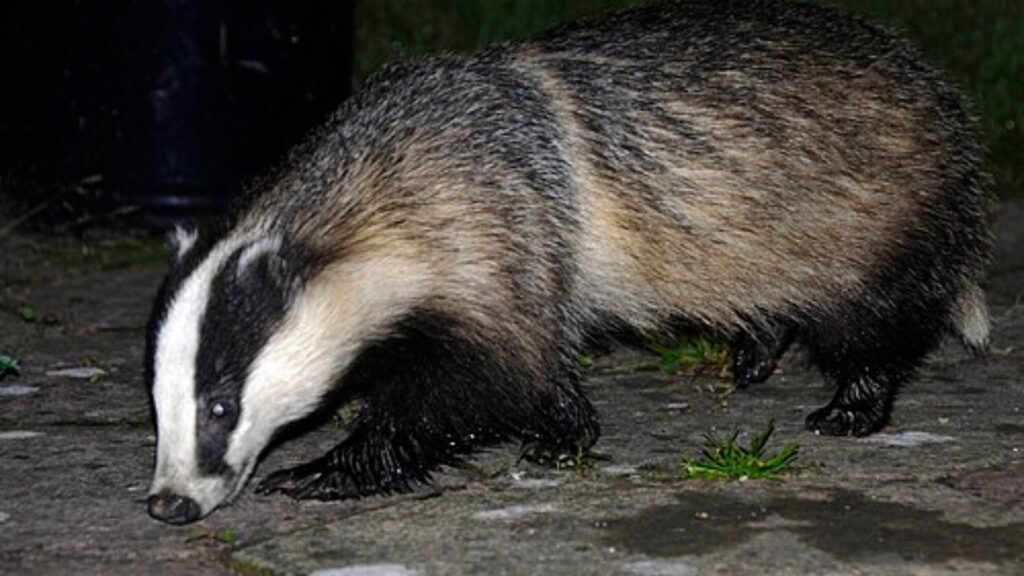
Nestled in the realm of wildlife diversity, discover the intriguing differences between the American and UK badgers, igniting curiosity about these unique creatures.
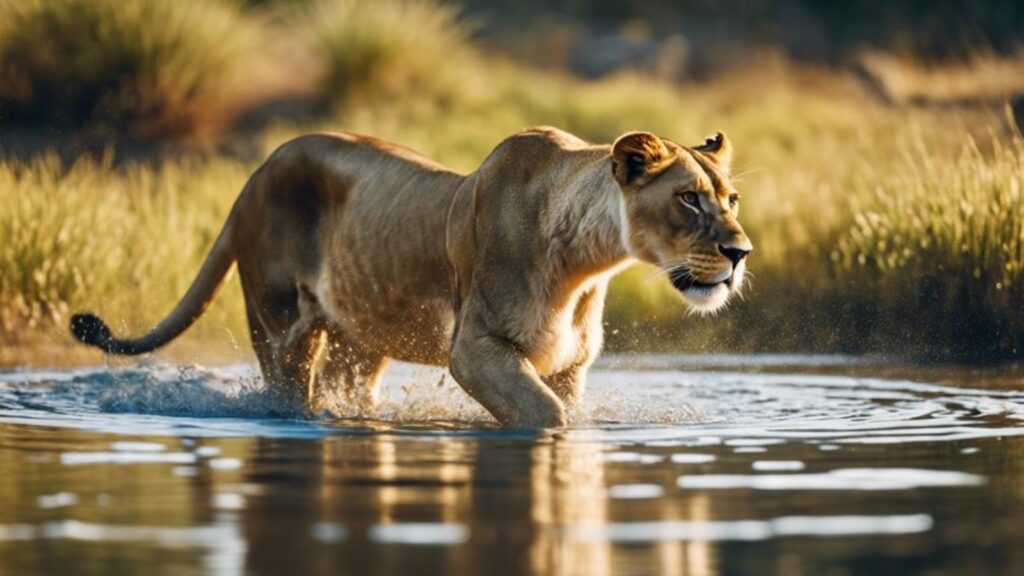
Marvel at the surprising swimming abilities of lions and their unique relationship with water, revealing insights into their adaptability and survival in the savanna.
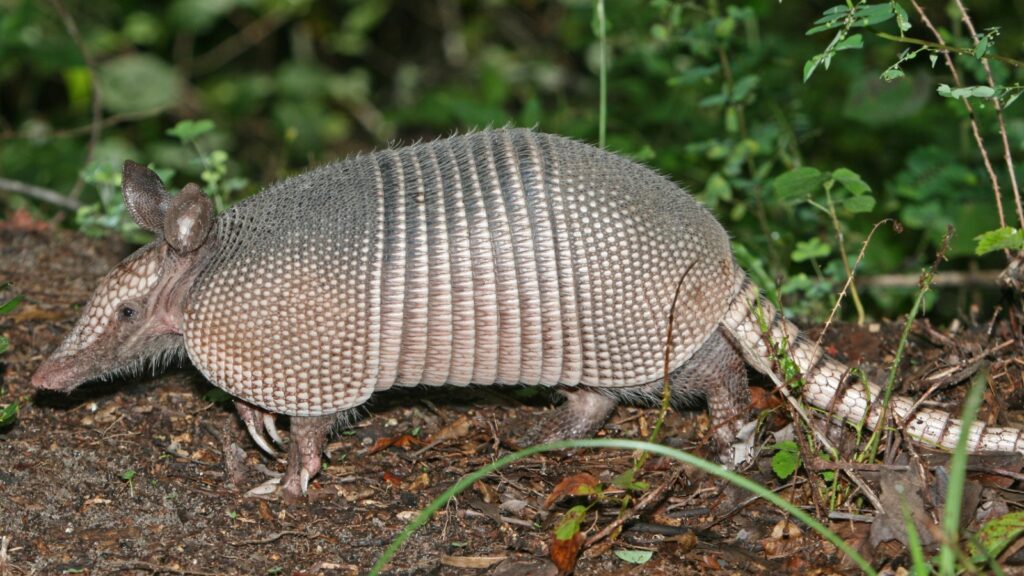
Curious to know what armadillo poop looks like? Embark on a journey into the fascinating world of armadillo feces and their surprising characteristics.
Armadillo Poop: What Does Armadillo Poop Look Like Read More »
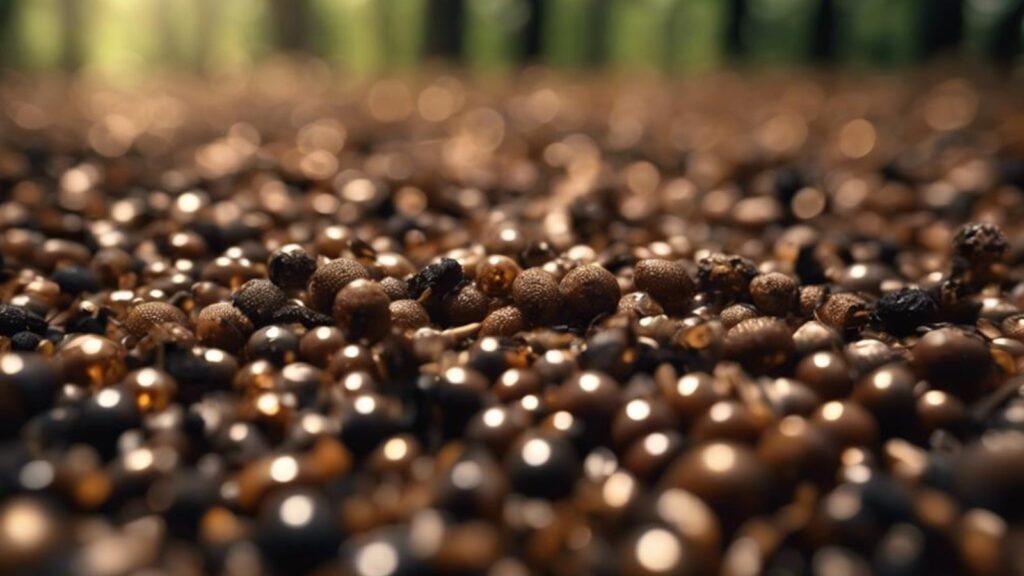
Intrigued by what chipmunk poop looks like? Find out the size, color, and significance of these tiny droppings in this informative guide.
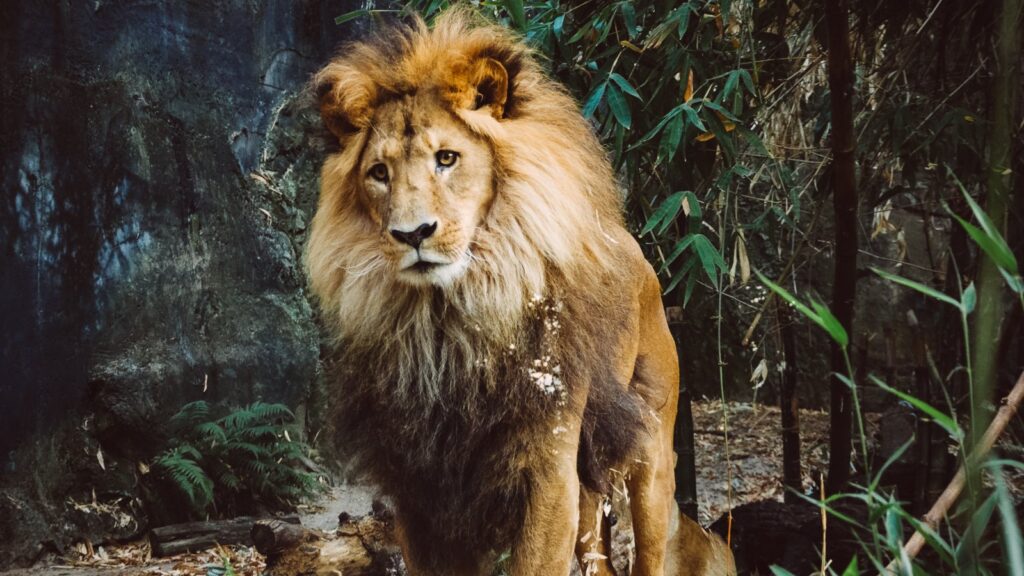
Get ready to uncover the colorful world of lions and how their vision influences their hunting strategies – it's not what you might expect!
Are Lions Color Blind? What Colors Do Lions See? Read More »
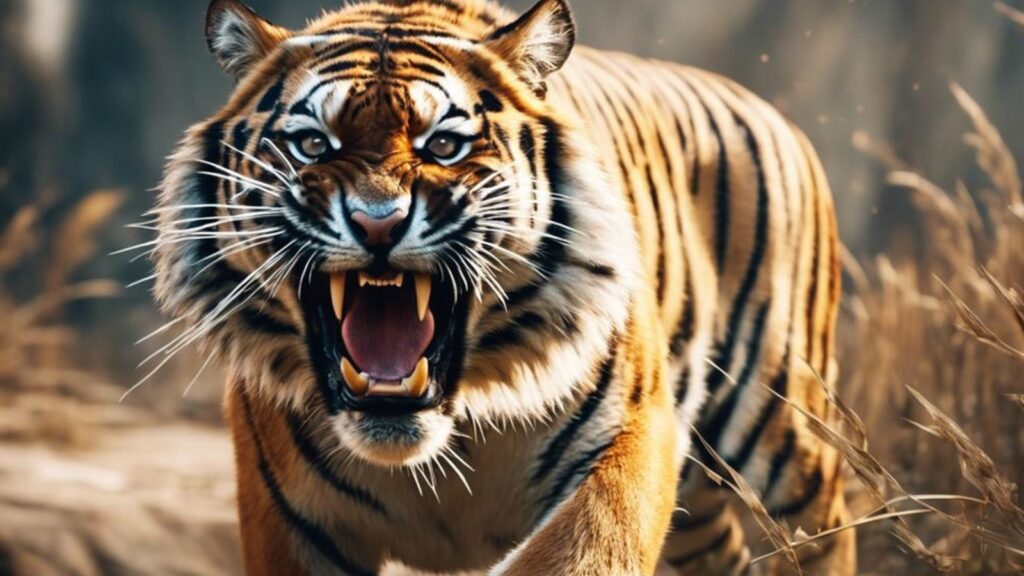
Lurk into the realm of tiger strength and discover the astonishing feats of power and agility these majestic big cats possess.
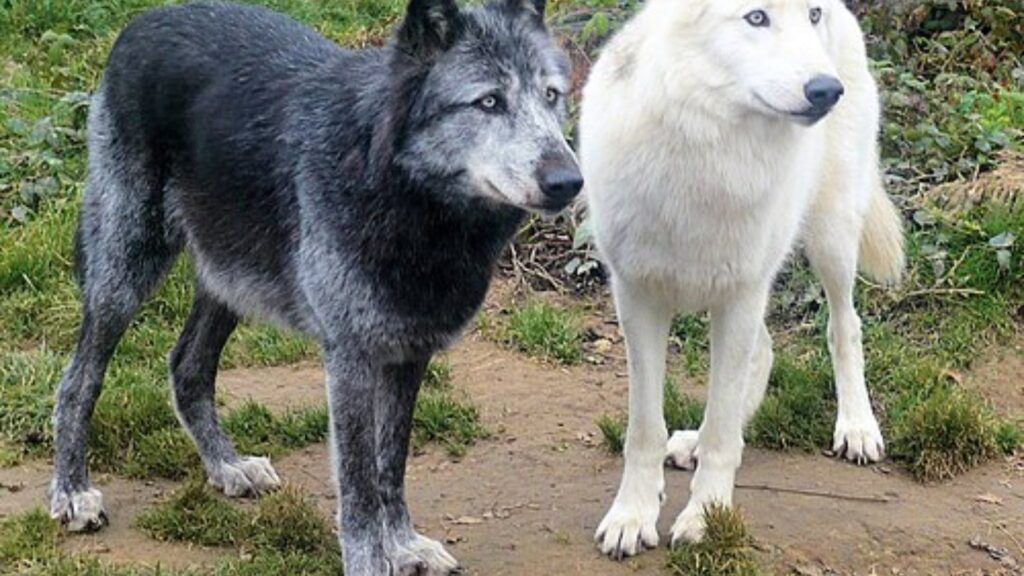
Get ready to unravel the mysterious world of wolf colors, from common greys to rare hues, each holding a secret worth discovering.
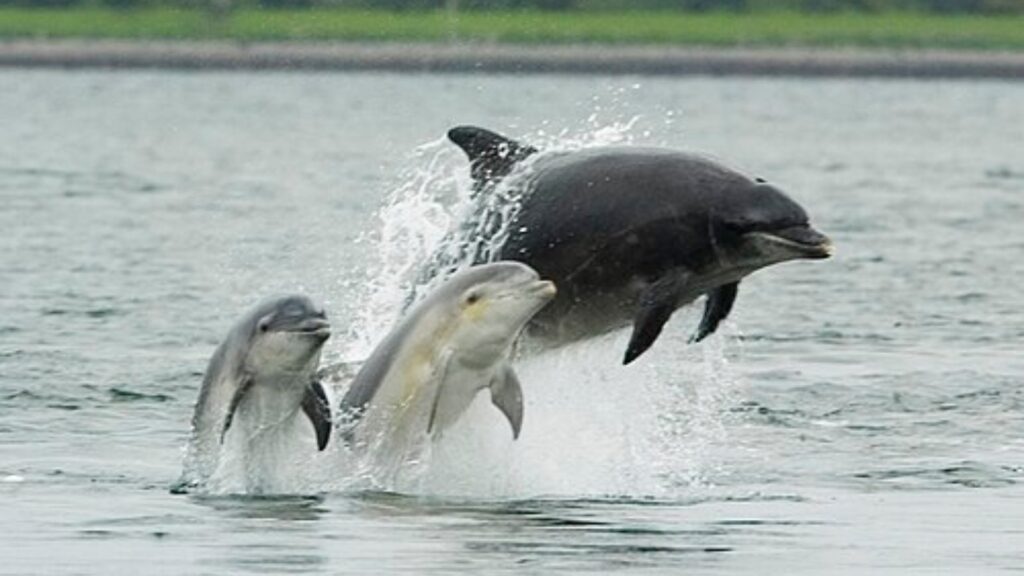
Did you know that dolphins are capable of holding their breath for up to 10 minutes underwater? It’s truly remarkable how these marine mammals have adapted to their oceanic environment. The bigger picture According to the WWF Living Planet Report 2024, average sizes of monitored wildlife populations are down 73 percent since 1970. Curiosity about