This blog contains affiliate links. As part of afiiliate networks and as an Amazon Associate, I earn from qualifying purchases. If you make a purchase through these links, I may earn a small commission at no additional cost to you. I only recommend products and services that I believe in and have personally used or researched. Your support helps me continue to provide quality content—thank you!
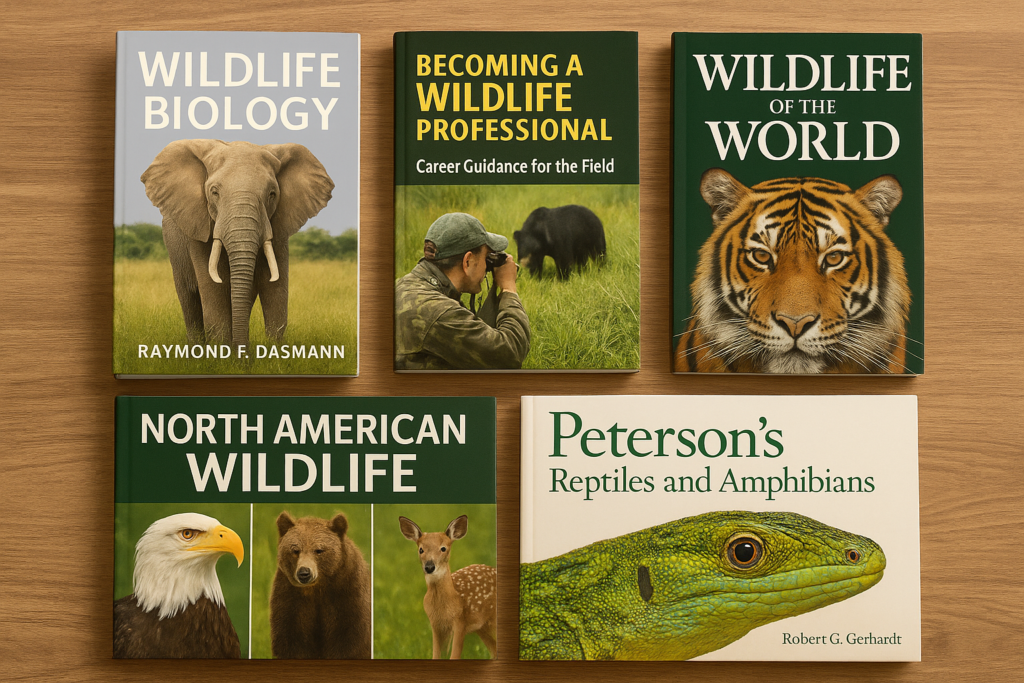
Wildlife biology books are essential tools for advancing your understanding of this field, and I’ve consulted leading wildlife biologists to identify the must-reads. For career guidance, Becoming a Wildlife Professional offers honest insights into real-world challenges and practical advice on gaining a competitive edge. Wildlife of the World features stunning photographs and extensive educational content, while North American Wildlife serves as a comprehensive reference covering 2,000 species. Field guides like Peterson’s Reptiles and Amphibians and specialized texts on animal behavior complete the collection. Explore further to find the books that best match your specific wildlife biology interests.
Getting a Job in Wildlife Biology: What It’s Like and What You Need to Know
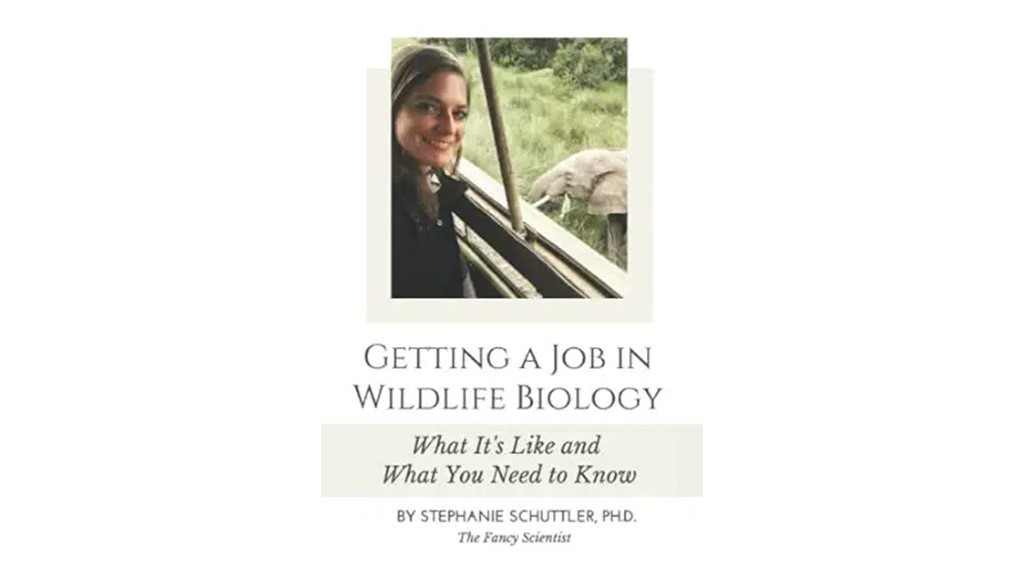
If you’re considering a career in wildlife biology—whether you’re just starting out, nearing graduation, or switching fields entirely—Dr. Schuttler’s book is essential reading. She shares her personal journey with honest, accessible insights that acknowledge real struggles in the field. The book provides tailored advice on gaining competitiveness through volunteering, internships, and networking while identifying various career paths and debunking common stereotypes. You’ll find practical guidance on building experience from pre-college through post-college stages, plus supplemental resources including resume writing assistance. While the realistic portrayal of challenges might dissuade some readers, it ultimately prepares you for wildlife biology’s realities.
Best For: Aspiring wildlife biologists at any career stage who want realistic guidance on breaking into the competitive conservation field and building relevant experience.
Pros:
- Provides honest, personal insights from an experienced professional without being condescending or overly academic
- Offers practical advice on gaining experience through volunteering, internships, and networking with clear explanations of industry terms
- Includes supplemental resources like resume writing assistance and ongoing blog support beyond just the book content
Cons:
- Realistic portrayal of field challenges and competition may discourage some potential wildlife biology students
- Heavy focus on the difficulties and setbacks in wildlife biology careers rather than highlighting success stories
- May cause readers to reconsider or abandon their wildlife biology aspirations after learning about industry realities
Wildlife of the World
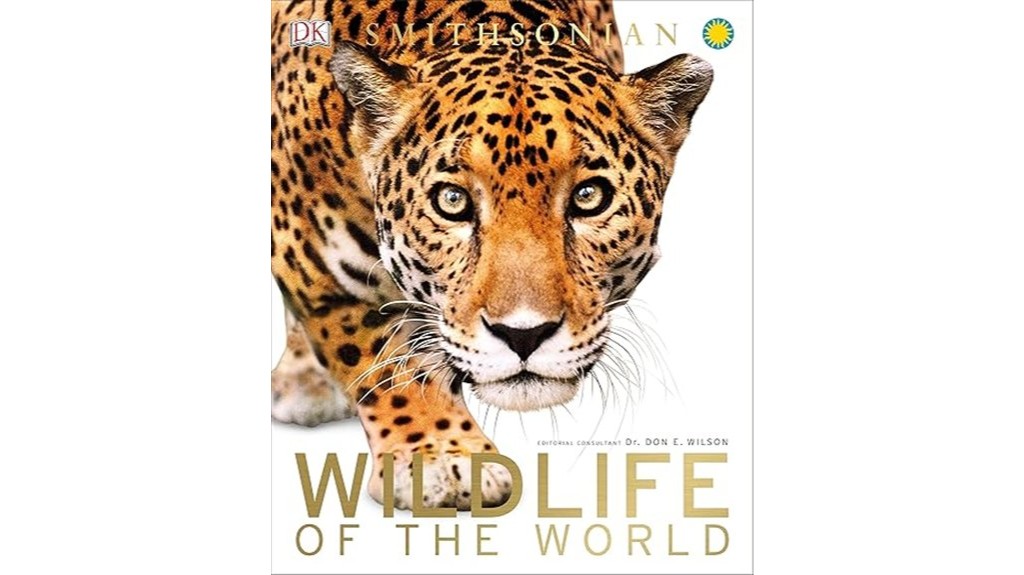
“Wildlife of the World” stands out as the perfect choice for nature enthusiasts who crave both visual splendor and extensive global coverage in a single volume. You’ll discover stunning photographs featuring animals from every continent, many captured staring directly into the camera for an intimate viewing experience. This coffee table book’s thick, heavy format houses extensive pages packed with informative content about common and rare species alike. Whether you’re researching animal facts or simply browsing beautiful illustrations, you’ll appreciate the educational value and engaging photo captions. It’s suitable for all ages and makes an excellent gift for any nature lover in your life.
Best For: Nature enthusiasts of all ages who want a comprehensive, visually stunning reference book featuring wildlife from around the world.
Pros:
- Stunning photographs with animals captured in intimate, direct-camera poses from every continent
- Extensive educational content with informative captions covering both common and rare species
- High-quality coffee table book format that appeals to all ages and makes an excellent gift
Cons:
- Heavy and thick format may make it difficult to handle or transport
- Large size typical of coffee table books requires significant storage space
- Extensive content covering a vast subject may be overwhelming for casual browsing
Atlas Obscura: Wild Life: An Explorers Guide to the Worlds Living Wonders
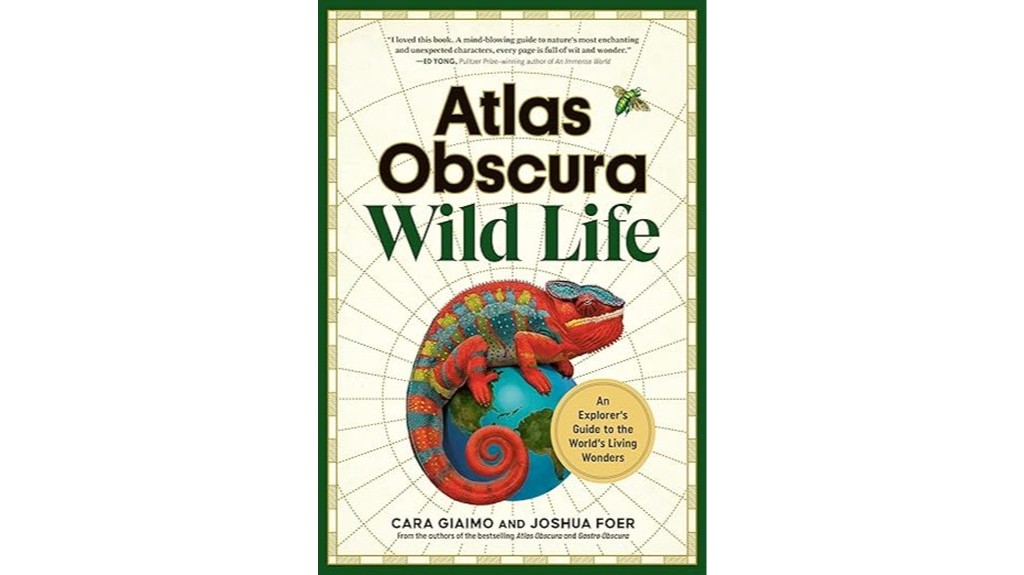
Curious minds seeking extraordinary encounters with nature’s hidden wonders will find their perfect companion in “Atlas Obscura: Wild Life: An Explorer’s Guide to the World’s Living Wonders.” This well-crafted exploration guide transforms casual browsing into enchanting discovery sessions, revealing surprising facts that challenge common misconceptions—like why tropical birds don’t actually eat clay for digestion as many believe.
You’ll discover engaging anecdotes about unique animal behaviors and self-destructive survival tactics. The book’s organized articles create surprises on every page, while its solid index facilitates easy navigation. Whether you’re eight or eighty, this intelligently designed guide sparks conversations and motivates continued exploration of wildlife’s fascinating mysteries.
Best For: Nature enthusiasts of all ages (8+), biology students, families seeking educational entertainment, and anyone with curious minds who enjoy discovering surprising wildlife facts and behaviors.
Pros:
- Well-organized content with excellent illustrations, solid indexing, and durable construction that stands up to frequent use
- Appeals to both children and adults with engaging anecdotes and surprising facts that challenge common misconceptions
- Encourages shared learning experiences and sparks meaningful conversations about wildlife and nature
Cons:
- May be too basic for advanced biology researchers or professionals seeking in-depth scientific analysis
- Limited to browsing format rather than comprehensive coverage of specific wildlife topics
- Could become outdated as new wildlife research and discoveries emerge
Drawing Wildlife
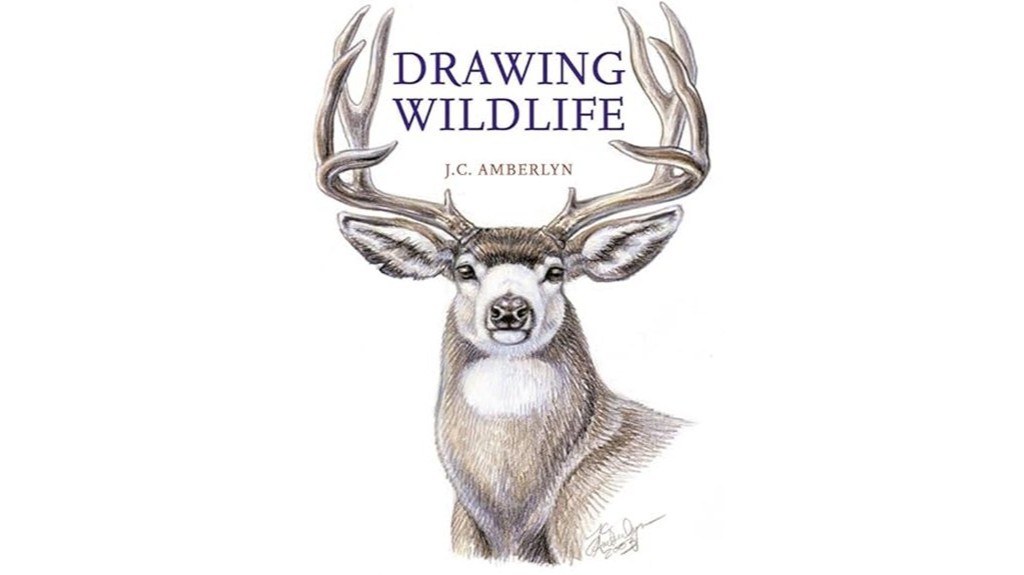
Artists with foundational drawing skills will find “Drawing Wildlife” by J.C. Amberlyn an invaluable resource for advancing their craft. This isn’t a beginner’s step-by-step guide—it’s designed for intermediate artists ready to tackle animal anatomy and movement. Amberlyn’s traditional approach uses basic shapes to build lifelike representations, incorporating skeleton studies and motion analysis that’s particularly useful for animation work. The black-and-white illustrations demonstrate bone and muscle structure effectively, helping you understand physical forms. With over 20 years of wildlife study experience, Amberlyn encourages observing animals in natural settings to capture authentic movement and behavior in your artwork.
Best For: Intermediate artists with foundational drawing skills who want to advance their understanding of animal anatomy and movement for wildlife art or animation.
Pros:
- Traditional teaching approach using basic shapes, skeleton studies, and motion analysis that’s particularly valuable for animation work
- Author’s 20+ years of wildlife study experience provides authentic insights into animal behavior and movement
- Well-executed illustrations demonstrating bone and muscle structure help artists understand physical forms of various species
Cons:
- Not suitable for beginners as it assumes prior drawing knowledge and foundational skills
- Lacks step-by-step instruction, making it challenging for those who need more guided learning
- Primarily black-and-white illustrations with limited color demonstration (only one mule deer example)
North American Wildlife: An Illustrated Guide to 2,000 Plants and Animals (Readers Digest)
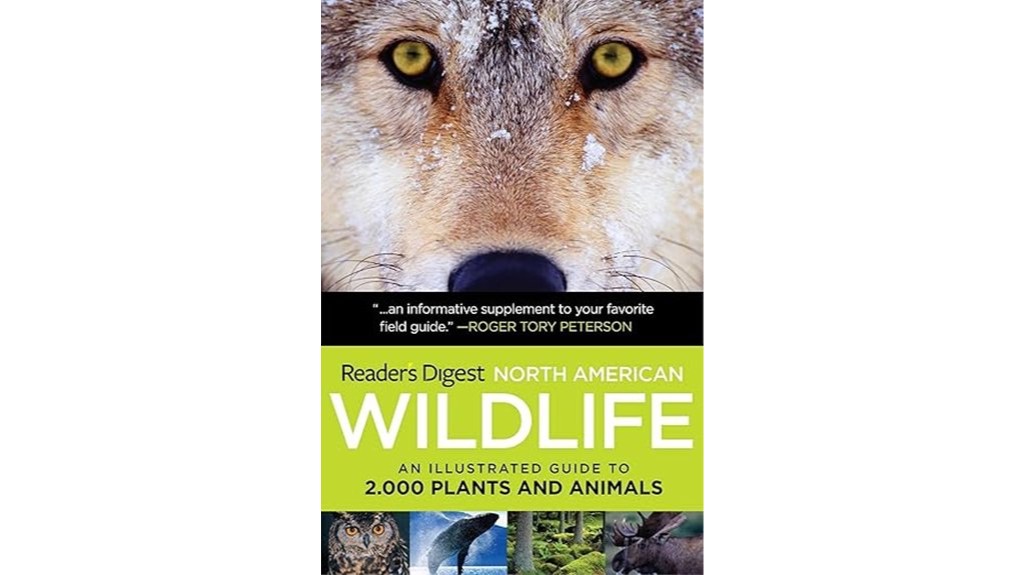
Reader’s Digest’s “North American Wildlife: An Illustrated Guide to 2,000 Plants and Animals” stands out as an exceptional choice for homeschooling families and educators who need a durable, thorough reference that’ll engage children in nature identification. You’ll appreciate the high-quality illustrations and well-organized layout that makes finding information easier than internet searches. The hardcover format withstands frequent handling, though its 3-inch thickness limits field portability. While it lacks photographs and some behavioral details, you’ll find the brief descriptions and detailed artwork effectively support naturalist programs and satisfy curious children exploring local flora and fauna.
Best For: Homeschooling families and educators seeking a durable, comprehensive reference guide to engage children in nature identification and naturalist programs.
Pros:
- High-quality illustrations and well-organized layout make information easier to find than internet searches
- Durable hardcover format with thick paper withstands frequent handling and use
- Covers 2,000 species with detailed artwork that effectively supports educational activities
Cons:
- Large size (3 inches thick) and weight limit portability for field use
- Lacks photographs and relies solely on illustrations with old-style aesthetic
- Missing information about animal behavior, dietary habits, and some regional species details
Becoming a Wildlife Professional
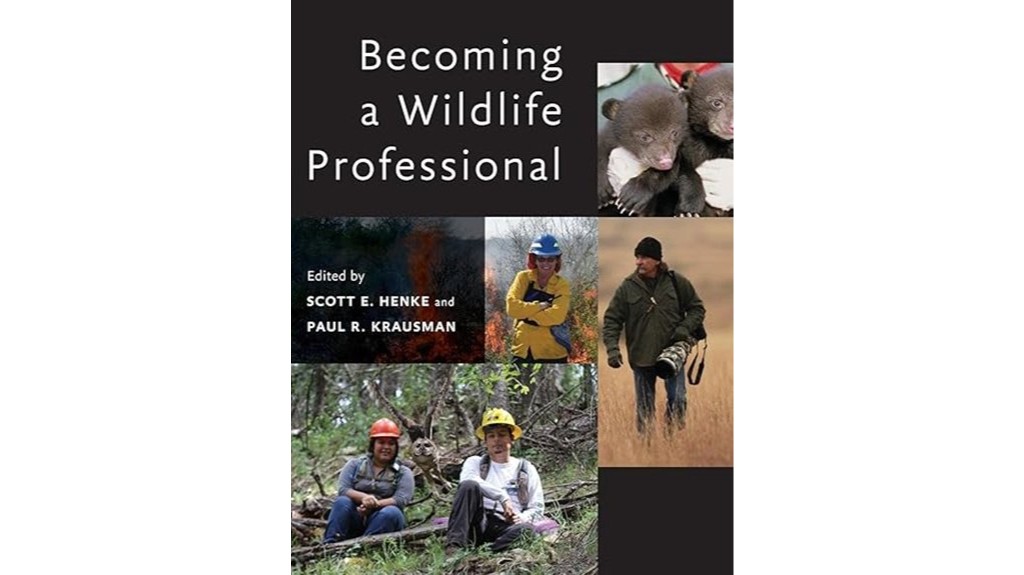
Students steering through career decisions in environmental sciences will find this book particularly valuable, as it addresses the realities of pursuing wildlife professions with unflinching honesty. The author shares personal academic struggles, including encounters with unsupportive faculty who didn’t understand how physical limitations affect field research. One professor’s excessive penalty for a late submission resulted in negative points, course failure, and lost job opportunities. These experiences highlight how inadequate faculty support can derail students’ careers. The book advocates for systemic educational changes, emphasizing that better communication between students and professors could prevent similar setbacks while fostering supportive environments for aspiring wildlife professionals.
Best For: Students considering wildlife careers, guidance counselors, career changers, and educators who want to understand the real challenges and systemic issues within wildlife education and professional development.
Pros:
- Provides honest, real-world perspective on wildlife career challenges rather than idealized expectations
- Offers valuable guidance for multiple audiences including students, counselors, and career changers
- Advocates for important systemic changes in educational support that could benefit future wildlife professionals
Cons:
- Heavy focus on negative academic experiences may discourage some potential wildlife professionals
- Limited constructive solutions offered compared to the emphasis on problems encountered
- Personal grievances with specific faculty may overshadow broader career guidance content
Wildlife Anatomy: The Curious Lives & Features of Wild Animals around the World
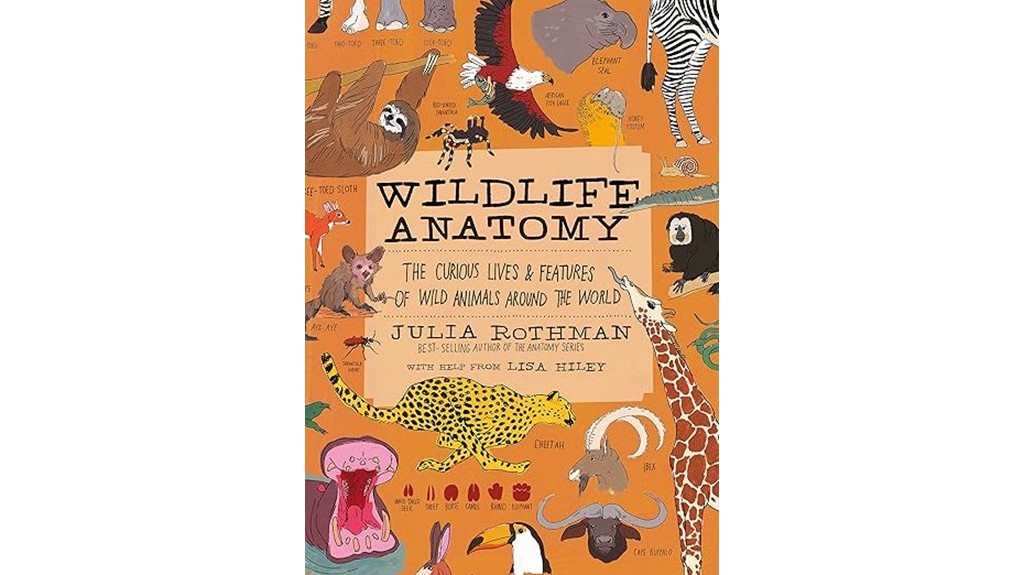
Nature enthusiasts seeking a visually stunning yet educational resource will find “Wildlife Anatomy: The Curious Lives & Features of Wild Animals around the World” perfectly suited for their needs. You’ll appreciate its minimalist aesthetic that avoids overwhelming readers while delivering enchanting illustrations and informative content. This book works exceptionally well for homeschooling early elementary grades, providing short, inspiring facts that encourage nature journaling. You’ll discover it’s accessible across age groups—even toddlers enjoy the beautiful artwork while adults find themselves unable to put it down. The quality often motivates readers to collect the entire series, making it perfect for both educational purposes and coffee table displays.
Best For: Nature enthusiasts, homeschooling families with early elementary students, and anyone seeking a visually appealing educational book about wildlife that works for both children and adults.
Pros:
- Beautiful minimalist illustrations that engage readers across all age groups without overwhelming them
- Serves as an excellent educational resource for homeschooling and nature journaling activities
- High-quality content that motivates readers to collect the entire series and works well as both reference material and coffee table display
Cons:
- Uses cursive text which may be difficult for some readers unfamiliar with this writing style
- Content appears to be primarily focused on short facts rather than in-depth information
- Limited to wildlife anatomy and may not cover broader nature topics some readers might expect
Peterson Field Guide to Reptiles and Amphibians Eastern & Central North America
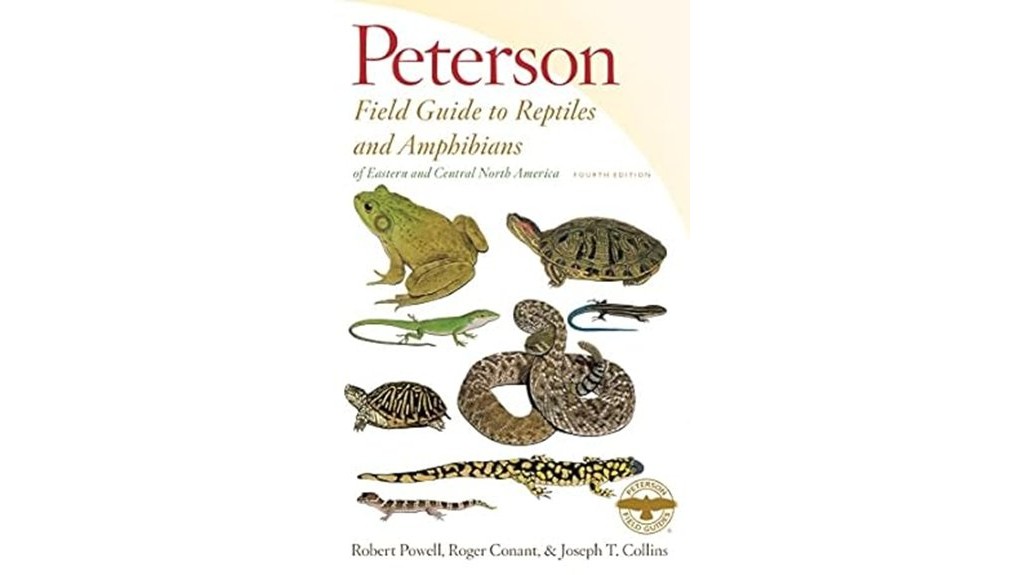
Herpetology enthusiasts and field biologists will find the Peterson Field Guide to Reptiles and Amphibians Eastern & Central North America an indispensable companion for species identification across the region. You’ll appreciate the beautiful illustrations and high-quality color plates that make species comparison easier than relying on photographs alone. The guide covers over 600 pages of reptiles and amphibians, including newly discovered species and invasive species affecting local ecosystems. While this edition updates taxonomic changes and provides clearer range maps, you’ll notice condensed species accounts and reduced illustration scales compared to previous versions, which some experts criticize for omitting valuable field information.
Best For: Herpetology enthusiasts, field biologists, and nature lovers who need a comprehensive identification guide for reptiles and amphibians in Eastern and Central North America.
Pros:
- Beautiful illustrations and high-quality color plates that make species comparison easier than photographs
- Over 600 pages covering extensive variety including newly discovered species and invasive species
- Updated taxonomic changes and clearer range maps compared to previous editions
Cons:
- Condensed species accounts and reduced illustration scales omit valuable field information from previous versions
- Author coins new common names that deviate from established herpetological lists, frustrating experts
- Maps criticized for being overly colorful or inaccurate regarding species ranges and distributions
Mammal Tracks & Sign: A Guide to North American Species
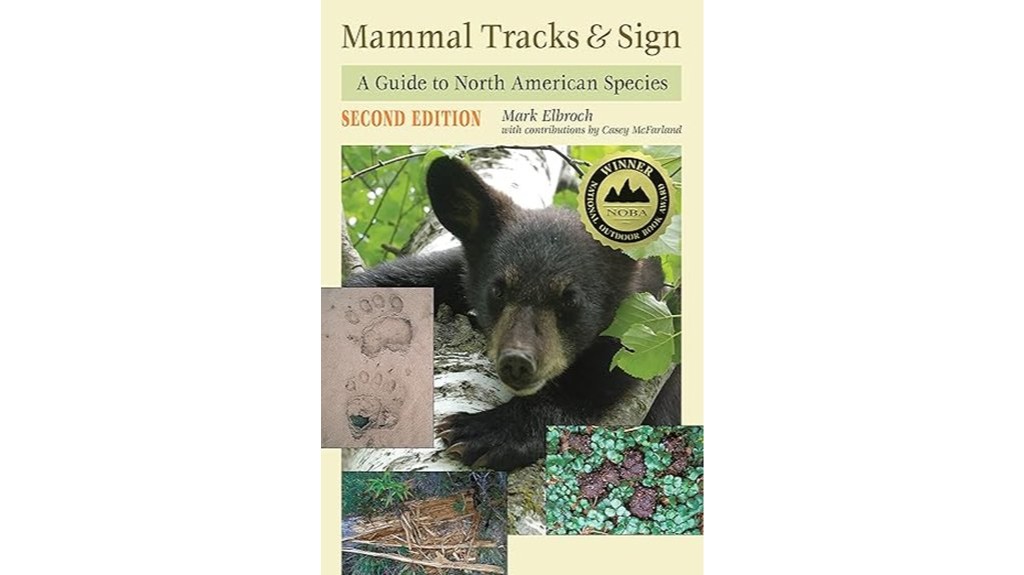
When you’re ready to move beyond basic animal identification and dive deep into the intricate world of tracking, “Mammal Tracks & Sign: A Guide to North American Species” by Mark Elbroch and Casey McFarland becomes an indispensable resource. This 680-page guide organizes information by sign type rather than species, making field identification faster and more intuitive. You’ll find detailed track illustrations with measurements, gait diagrams, and clear photos of animal behaviors. The second edition incorporates recent scientific research and improved organization. While the Kindle version offers search capabilities, you’ll want the paperback for actual fieldwork where devices aren’t practical.
Best For: Intermediate to advanced trackers, biologists, naturalists, and nature enthusiasts who want to move beyond basic animal identification and develop comprehensive tracking skills through detailed study of mammal signs and behaviors.
Pros:
- Organized by sign type rather than species for faster field identification, with 680 pages of authoritative information including detailed track illustrations, measurements, and gait diagrams
- Second edition incorporates recent scientific research and improved organization, with new clear photos illustrating unique animal behaviors and features
- Comprehensive coverage includes tracks, scats, nests, feeding signs, and prey remains with visual aids like scale indicators and labeled track features
Cons:
- Kindle edition has significant formatting issues including inline photo problems and loss of page layout, making it impractical for fieldwork
- May be too advanced for beginners who lack foundational tracking knowledge and would benefit from supplementary introductory guides
- Requires purchasing both paperback and digital editions to get full benefits, as each format has distinct advantages and limitations
What Its Like to Be a Bird by David Allen Sibley (Sibley Guides)
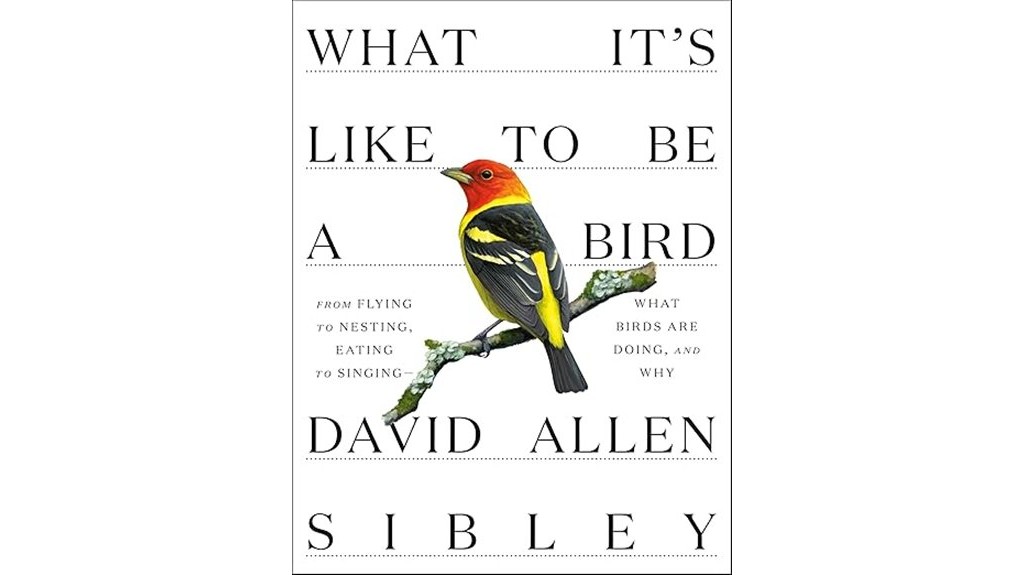
David Sibley’s “What It’s Like to Be a Bird” transforms complex avian science into an accessible 203-page journey that’s perfect for curious minds seeking to understand birds beyond simple identification. You’ll explore 96 common species through stunning illustrations and clear diagrams that make learning engaging for all ages. The 32-page introduction covers essential topics like bird senses, physiology, and social behavior, giving you foundational knowledge that enhances field observations. Whether you’re a beginner or experienced birder, you’ll appreciate Sibley’s engaging writing style that encourages outdoor exploration and sparks deeper appreciation for avian life in your surroundings.
Best For: Bird enthusiasts of all levels who want to understand avian behavior and biology beyond basic identification, from curious beginners to experienced birders seeking deeper insights into bird life.
Pros:
- Beautiful illustrations and high-quality visual presentation make complex avian science accessible and engaging for all ages
- Comprehensive 32-page introduction covers essential bird biology including senses, physiology, and social behavior for foundational understanding
- Engaging writing style and clear organization encourage outdoor exploration and repeat reading
Cons:
- At 203 pages covering 96 species, it provides less detailed coverage compared to comprehensive field guides
- Focus on behavior and biology rather than identification may not suit those primarily seeking help with species identification
- Limited to common species, which may not satisfy advanced birders looking for information on rare or specialized birds
Bringing Nature Home: How You Can Sustain Wildlife with Native Plants (Updated and Expanded)
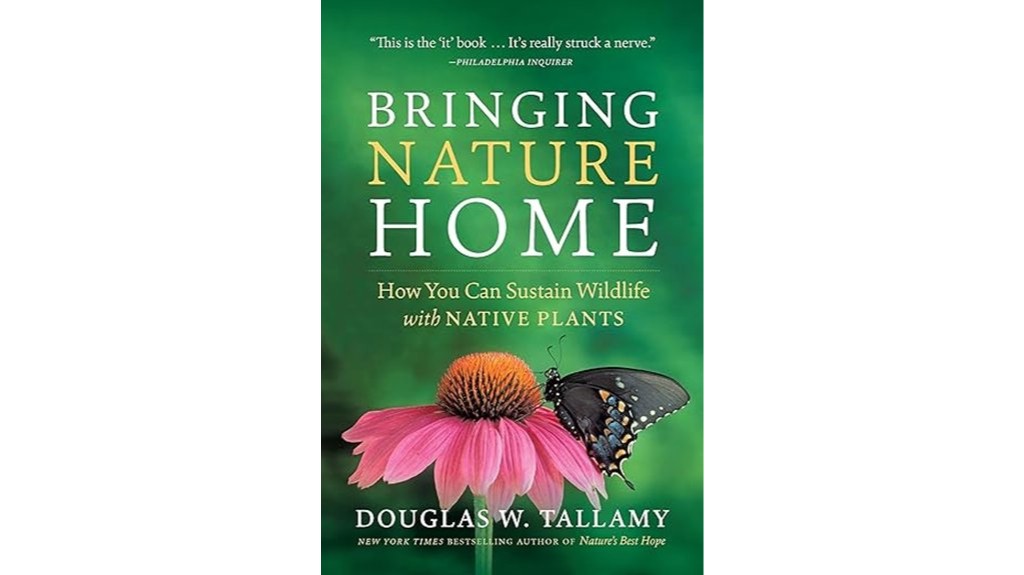
Since many gardeners struggle to understand why their beautifully manicured landscapes fail to attract birds and butterflies, “Bringing Nature Home” offers the perfect solution for homeowners ready to transform their yards into thriving wildlife habitats. Tallamy’s clear, engaging writing explains how non-native ornamental plants contribute to biodiversity loss while native species support local insects that form the food web’s foundation. You’ll discover simple changes like leaving milkweed can foster beneficial wildlife. The book provides regional plant indexes and inspires readers to advocate for native planting in their communities, making complex ecological concepts accessible to every gardener.
Best For: Homeowners and gardeners who want to transform their yards into wildlife-friendly habitats while learning about the ecological importance of native plants over ornamental landscaping.
Pros:
- Clear, accessible writing that makes complex ecological concepts understandable for gardeners of all experience levels
- Includes practical regional plant indexes and actionable advice for simple changes that can immediately benefit local wildlife
- Inspiring and educational approach that motivates readers to become advocates for native planting in their communities
Cons:
- May challenge homeowners who prefer traditional manicured landscapes or face HOA restrictions on native plant gardens
- Focuses primarily on North American native plants, limiting usefulness for gardeners in other regions
- Could require significant time and investment to transition from existing ornamental landscaping to native plant gardens
The Hidden Life of Trees: The Illustrated Edition (David Suzuki Institute)
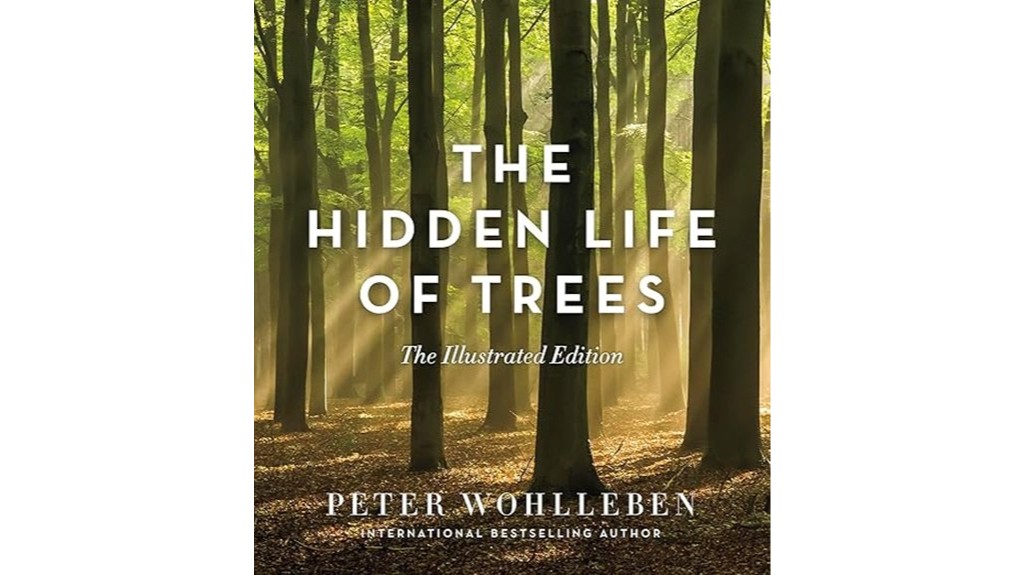
Peter Wohlleben’s “The Hidden Life of Trees: The Illustrated Edition” stands as the perfect choice for nature enthusiasts who crave both scientific depth and visual splendor in their exploration of forest ecosystems. You’ll discover breathtaking photography that transforms complex tree relationships into accessible storytelling. The book’s novel-like approach makes intricate ecological concepts engaging for readers aged 10 to 100+. You’ll find yourself emotionally connected to trees while gaining profound insights into their interconnected communities. This coffee table-style edition serves as both educational resource and decorative piece, making it an exceptional gift that recipients consistently treasure and revisit.
Best For: Nature enthusiasts, families with children aged 10+, coffee table book collectors, and anyone seeking to deepen their understanding of forest ecosystems through stunning visuals and accessible scientific storytelling.
Pros:
- Combines breathtaking photography with engaging, novel-like storytelling that makes complex ecological concepts accessible to all ages
- Serves dual purpose as both educational resource and decorative coffee table book, making it an exceptional gift choice
- Transforms readers’ perception of trees and creates emotional connections to nature while providing scientific depth about forest ecosystems
Cons:
- Coffee table format may make it less portable for outdoor reading or field reference compared to standard paperback editions
- Focus on visual presentation might result in higher cost compared to text-only versions of similar content
- Illustrated edition format may appeal more to visual learners while potentially overwhelming readers who prefer pure text-based learning
Wildlife Biology Books
I’ve shared these fourteen wildlife biology books because they’ll give you the foundation you need to succeed in this field.
If you’re looking to deepen your understanding of ecological terminology, the Glossary of Ecology Terms on Simply Ecologist is an invaluable resource. This comprehensive guide features over 1,500 clearly defined terms, real-life examples, and expert-written explanations, making it an essential tool for wildlife biology and ecology students, researchers, and nature enthusiasts alike.
Additionally, for a more interactive learning experience, you might consider the Ecology Flashcards offered by Simply Ecologist. These flashcards are designed to help reinforce key ecological concepts and terms through visual aids and practical examples.
Both resources are excellent complements to each other, providing a well-rounded approach to mastering ecological vocabulary and concepts.
Whether you’re just starting out or you’re already working with wildlife, these expert-recommended resources will deepen your understanding and sharpen your skills. Don’t feel like you need to read them all at once—pick the ones that match your current interests and career goals, then build from there.

Erzsebet Frey (Eli Frey) is an ecologist and online entrepreneur with a Master of Science in Ecology from the University of Belgrade. Originally from Serbia, she has lived in Sri Lanka since 2017. Eli has worked internationally in countries like Oman, Brazil, Germany, and Sri Lanka. In 2018, she expanded into SEO and blogging, completing courses from UC Davis and Edinburgh. Eli has founded multiple websites focused on biology, ecology, environmental science, sustainable and simple living, and outdoor activities. She enjoys creating nature and simple living videos on YouTube and participates in speleology, diving, and hiking.
🌿 Explore the Wild Side!
Discover eBooks, guides, templates and stylish wildlife-themed T-shirts, notebooks, scrunchies, bandanas, and tote bags. Perfect for nature lovers and wildlife enthusiasts!
Visit My Shop →