
Erzsebet Frey

Erzsebet Frey (Eli Frey) is an ecologist and online entrepreneur with a Master of Science in Ecology from the University of Belgrade. Originally from Serbia, she has lived in Sri Lanka since 2017. Eli has worked internationally in countries like Oman, Brazil, Germany, and Sri Lanka. In 2018, she expanded into SEO and blogging, completing courses from UC Davis and Edinburgh. Eli has founded multiple websites focused on biology, ecology, environmental science, sustainable and simple living, and outdoor activities. She enjoys creating nature and simple living videos on YouTube and participates in speleology, diving, and hiking.

Erzsebet Frey, ecologist and founder of Simply Ecologist
Why Are Hippos So Fat?

Why Are Hippos So Fat?

Do you ever wonder why hippos are so fat? Have you marveled at their massive size and wondered how they carry all that weight? Part of my complete guide to hippos, which covers both species, how hippos move in water and on land, teeth, skin, calves and how dangerous they really are, with sources. New […]

Why Are Hippos So Fat? Read More »

crocodile, cuba, animal-2878249.jpg

How Fast Can A Crocodile Swim?

Crocodiles, remarkable members of the Crocodylia order, possess extraordinary adaptations for aquatic environments. With their ability to thrive in freshwater, brackish, and saltwater habitats, they display exceptional swimming prowess. Clocking speeds of up to 18 miles per hour (29 km/h), they outpace even the swiftest humans. Conservation context The first global reptile assessment, published in

How Fast Can A Crocodile Swim? Read More »

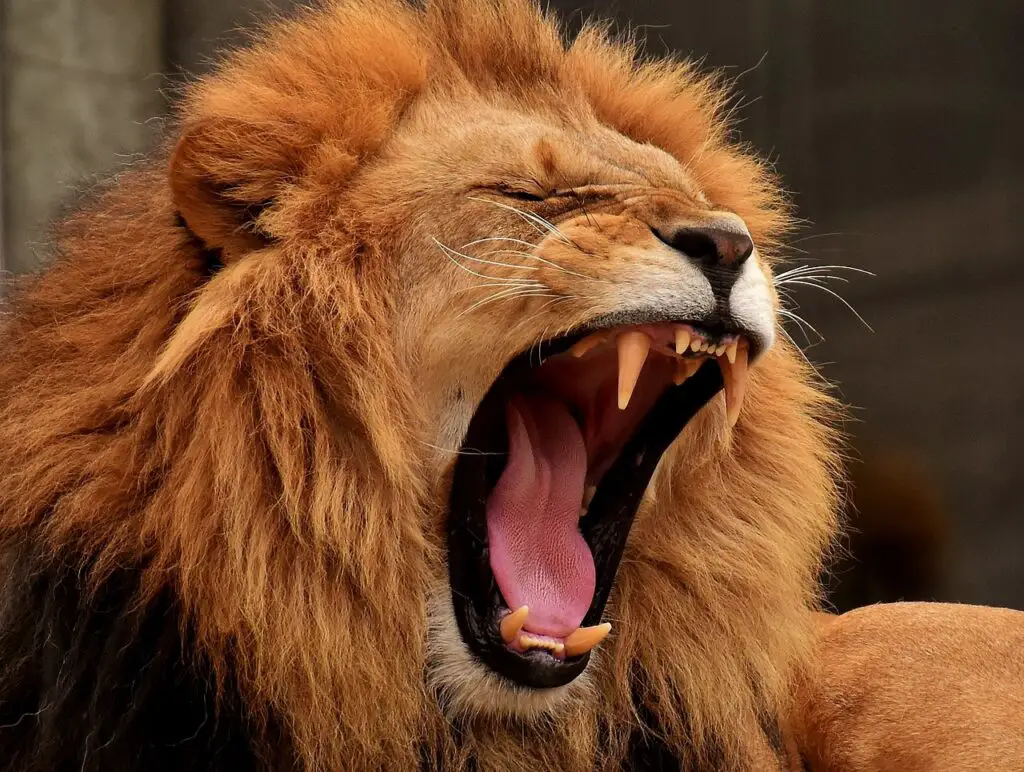
lion, predator, nature-3317670.jpg

How Strong Are Lions?

Lions, as one of the world’s most powerful big cats, possess remarkable physical attributes that make them formidable predators. With a bite force of 650 PSI, teeth reaching lengths of up to 4 inches, and a paw swipe force of 4,500 to 27,500 lb.-ft./s, lions effortlessly overpower their prey. Part of my complete guide to

How Strong Are Lions? Read More »

arctic wolf, animal, zoo-5961985.jpg

Largest Wolves In The World

Are you ready to be amazed? Part of my complete guide to wolves, which covers wolf species, pack structure, communication and current populations, with sources. Conservation update (2025) Wolves are having a historic moment. A 2025 study in PLOS Sustainability and Transformation counted about 21,500 wolves across Europe, an increase of 58 percent in a

Largest Wolves In The World Read More »

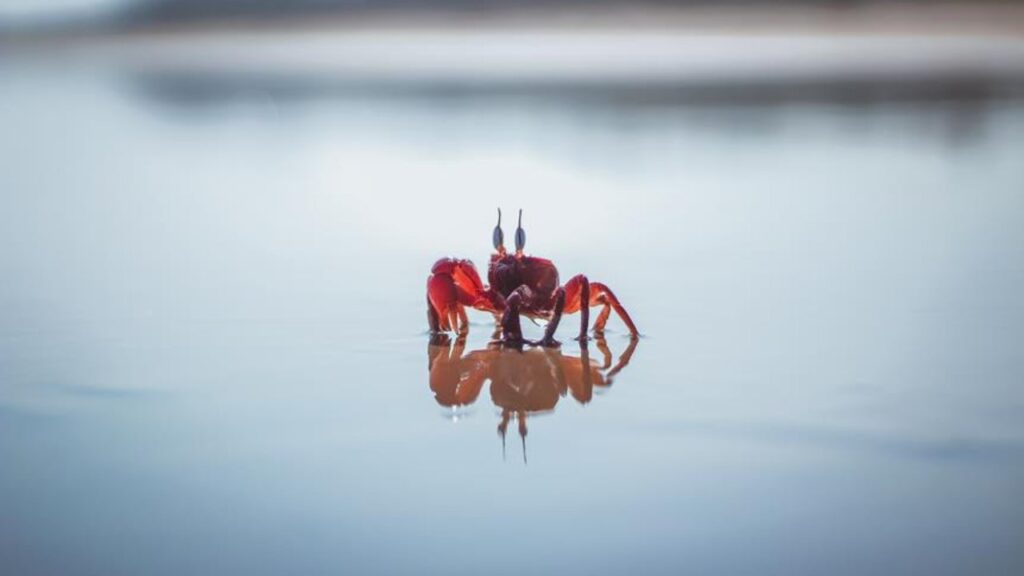
crabs breathing mechanisms explained

How Do Crabs Breathe Underwater and On Land?

Crabs, as fascinating crustaceans, possess unique breathing mechanisms that enable them to survive both underwater and on land. With a staggering array of over 4,500 known species, these creatures primarily inhabit aquatic environments but can also be found in terrestrial habitats. Equipped with segmented bodies, protective shells, jointed limbs, and antennae, crabs draw water over

How Do Crabs Breathe Underwater and On Land? Read More »

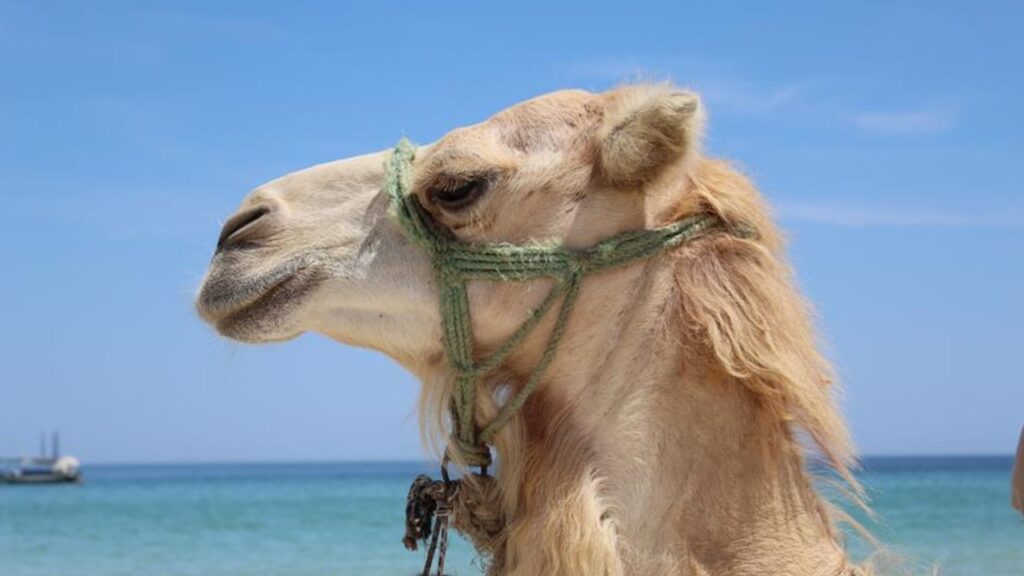
camel s water consumption explained

How Much Water Can A Camel Drink? (Answered)

Camels, renowned for their ability to survive in arid environments, possess fascinating adaptations for water consumption. Understanding the quantity of water they can drink, their unique drinking method, and water storage mechanisms sheds light on their remarkable resilience. Part of my complete guide to camels, covering hump biology, water physiology, the three species and the

How Much Water Can A Camel Drink? (Answered) Read More »

camel, animal photography, animal portrait-4107807.jpg

Must See Animals With Big Lips

Welcome to our article on the top animals with big lips. In this exploration of nature’s diversity, we delve into the remarkable features and functionality of the lips possessed by these fascinating creatures. From camels’ robust upper lips, specially adapted for consuming thorny vegetation, to hippos’ massive lips, serving as teeth to protect their formidable

Must See Animals With Big Lips Read More »

Shopping Cart