
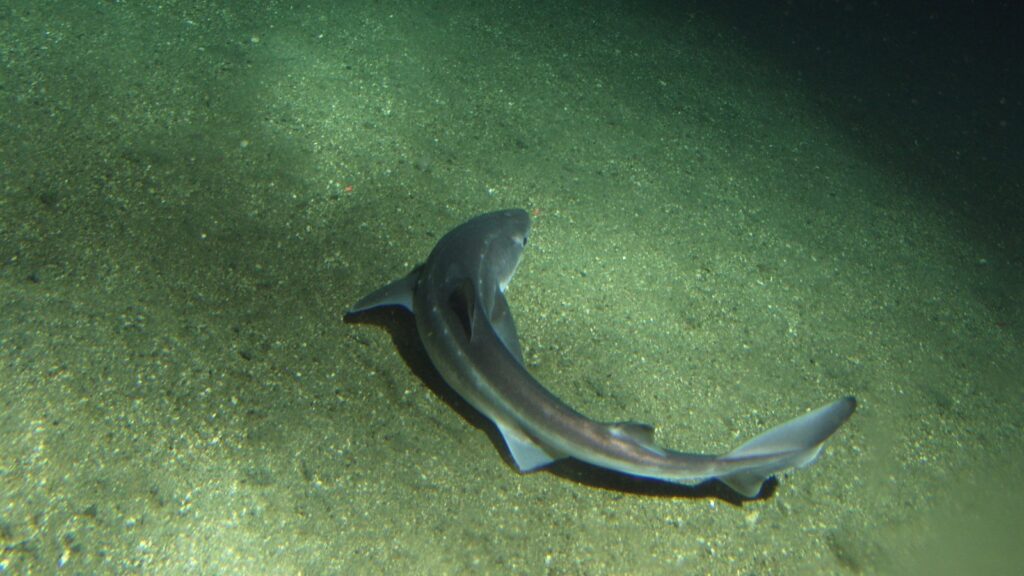
Yes, sharks live in the Black Sea. The spiny dogfish is the only permanent resident, a slender shark that reaches about 1.5 metres here and works the shelf between roughly 10 and 120 metres, because the Black Sea runs out of oxygen below about 90 metres. Low salinity, around 17 PSU, keeps them small. Catsharks and blue sharks visit from the Mediterranean but don’t settle. They eat small fish, squid, and mollusks, not people. No confirmed unprovoked fatal attack on a swimmer exists. Their story gets more complicated below the surface.
A word on where this comes from. I trained as an ecologist in the Balkans and hold an MSc in ecology, so this is the sea my part of the world argues about most, and I have watched the fisheries debate around it for years. That does not make me a Black Sea field biologist, and I have not sampled these waters myself. What follows is tied throughout to the bodies that did: the fisheries assessment, the oceanographic surveys and the species inventories, each named where it is used.
Key Takeaways
- Yes, sharks live in the Black Sea, but only small species, with the spiny dogfish being the sole permanent resident.
- Spiny dogfish reach about 1.5 m in the Black Sea and hunt near the bottom between roughly 10 and 120 m, above the anoxic layer.
- Occasional visitors include small Mediterranean catsharks and larger blue sharks (2 to 3.8 m), which enter via the Bosporus without settling.
- Low salinity (~17 PSU), an anoxic deep layer, and smaller prey restrict shark size and habitable depth.
- Risk to swimmers is negligible: attacks are extremely rare and no confirmed unprovoked fatal attack exists.
| Species | Status in the Black Sea | Size | Where | Note |
|---|---|---|---|---|
| Spiny dogfish | Resident, the only one | About 1.5 m | Shelf, 10 to 120 m | Stock down roughly thirtyfold in 20 years |
| Longnose spurdog | Recorded | Under 1 m | Shelf | Poorly documented here |
| Small spotted catshark | Recorded, Mediterranean origin | Rarely over 1 m | Shelf bottom | Uncommon |
| Angelshark | Recorded | Up to about 2.4 m | Sandy bottoms | Critically endangered across its range |
| Smooth hammerhead | Recorded | Up to about 4 m | Open water | Rare, vulnerable |
| Thresher shark | Recorded | Up to about 6 m including tail | Open water | Rare, vulnerable |
Species records from the Shark Foundation database. Spiny dogfish figures from the GFCM stock assessment. Every one of these animals is confined to the oxygenated layer above roughly 90 metres.
Yes, Sharks Do Live in the Black Sea
Sharks do live in the Black Sea. They’re small species, though. Catsharks rarely exceed one metre, and the resident dogfish keeps to the oxygenated shelf water above roughly 120 metres. If you want the contrast, we covered the same question for a very different sea in are there sharks in Italy, where 41 species live instead of six.
Most sharks here are visitors from the Mediterranean, and blue sharks sometimes wander in by accident. Their diets stay modest. They eat mollusks, small fish, crustaceans and squid, which the sea’s lower salinity and plentiful small prey easily support.
The Black Sea also limits where they can go. Its deep water holds no oxygen, so sharks stay on the oxygenated shelf and upper slope. That narrow band shapes the region’s biodiversity, meaning the variety of living things found there. Anyone swimming there faces almost no risk, which still seems worth quietly remembering.
Which Shark Species Live in the Black Sea?
Only a few shark species live in the Black Sea, and none of them grows much past one meter. The Black Sea shark is the single permanent resident in Bulgarian waters. It keeps to the oxygenated shelf water and eats small fish, crustaceans and molluscs. Its size and habitat make it harmless to swimmers. The Shark Foundation database lists six shark species recorded in the Black Sea: spiny dogfish, longnose spurdog, small spotted catshark, angelshark, smooth hammerhead and thresher shark. Only the first is a true resident.
Catsharks also appear here. These are small demersal sharks, meaning they live close to the seafloor, and they belong to the family Scyliorhinidae. They come mainly from the Mediterranean and feed largely on mollusks, so they visit deep Black Sea water without settling there.
Larger species show up only by accident. Blue sharks, for example, wander in briefly and never establish populations. That limited list still seems remarkable for such a low salinity sea.
Spiny Dogfish: The Black Sea’s Resident Shark
The spiny dogfish is a small shark. Adults in the Black Sea commonly reach 1 to 1.5 m, and females grow larger and mature later than males.
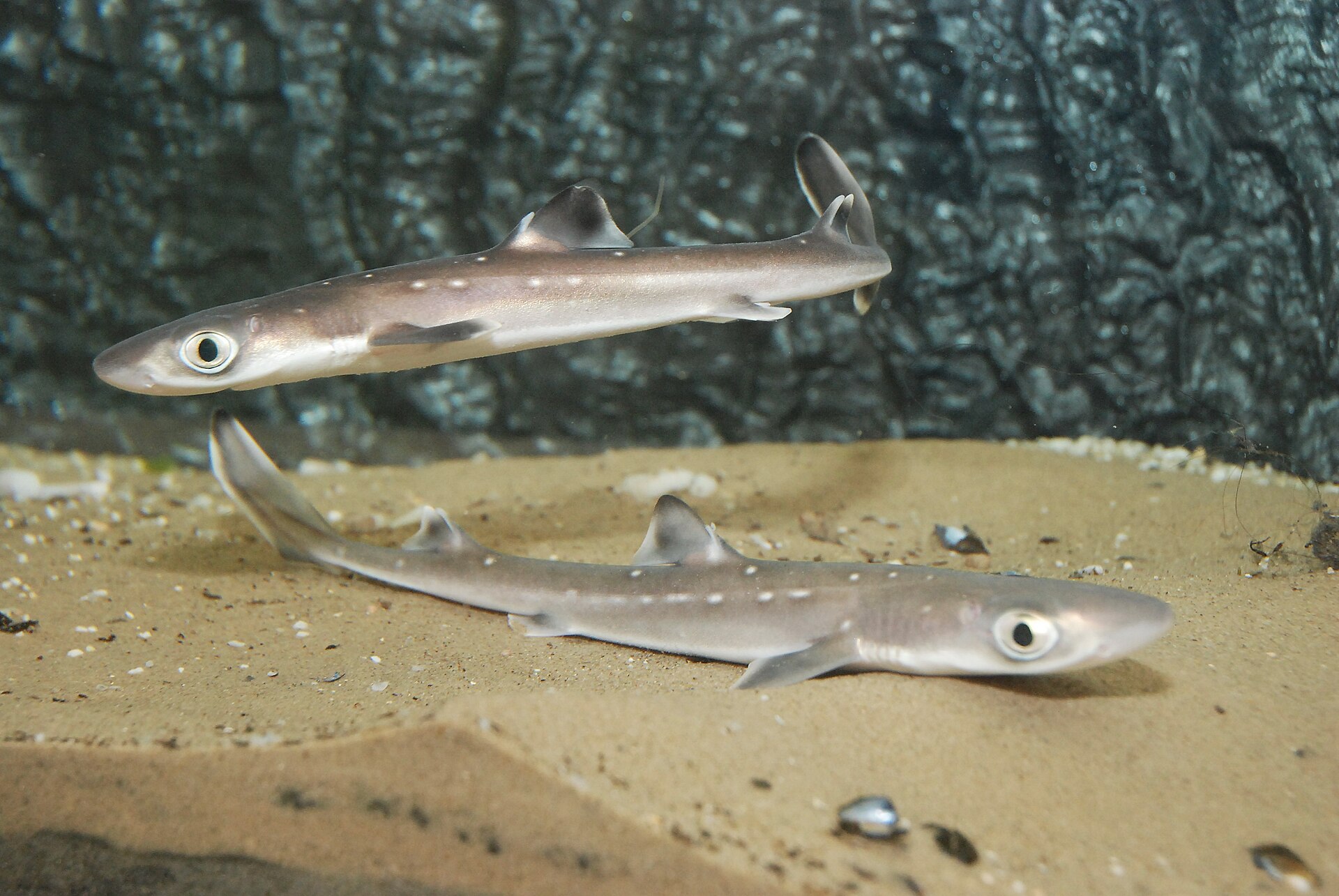
It stays on the continental shelf, generally shallower than about 120 m, hunting small bony fish, cephalopods such as squid, and crustaceans.
Physical Traits And Size
Picture a shark that fits easily across a fisherman’s arms. The spiny dogfish rarely passes one metre. Most measure between 1 and 1.5 m, and mature adults weigh roughly 3 to 10 kg, depending on sex and condition.
Its body stays slender and its snout pointed. Two dorsal fins each carry a stout venomous spine. That build separates it from rounder species like catsharks.
- Half of males are mature at about 88 cm and around ten years old; females not until about 103 cm and roughly twelve years, which is why the stock recovers so slowly from fishing.
- Females grow larger, an example of sexual dimorphism, meaning size differs by sex.
- Small, sharp teeth grasp fish and crustaceans instead of tearing them.
- Black Sea locals call this modest fish a shark, and it’s one.
Seeing one up close, its size feels almost ordinary. The spines still command respect.
Depth Habitat And Diet
Size tells only part of the story.
This shark species lives over the continental shelf, and Black Sea records cluster in the oxygenated layer: females inshore at 10 to 30 m to pup, males at 30 to 50 m, and winter concentrations between about 70 and 120 m. Depth limits exist here. The Black Sea is stratified, meaning its water sits in layers that rarely mix, and the deep water is anoxic, or without oxygen. So dogfish stay in the oxygenated upper few hundred meters.
Their diet reflects that seabed focus. They eat small bony fishes, such as gobies and juvenile clupeids, along with cephalopods like squid and various crustaceans. Most feeding happens near the bottom. Prey generally stays small, which suits a predator working a shallow, crowded shelf.
Watching such a narrow habitat, one senses how little room these sharks actually have.
Catsharks: Deep Water Visitors From the Mediterranean
Catsharks stay small in the Black Sea. They rarely exceed 1 metre, and they take a mixed diet of small fish, crustaceans, cephalopods and molluscs rather than any single prey group.
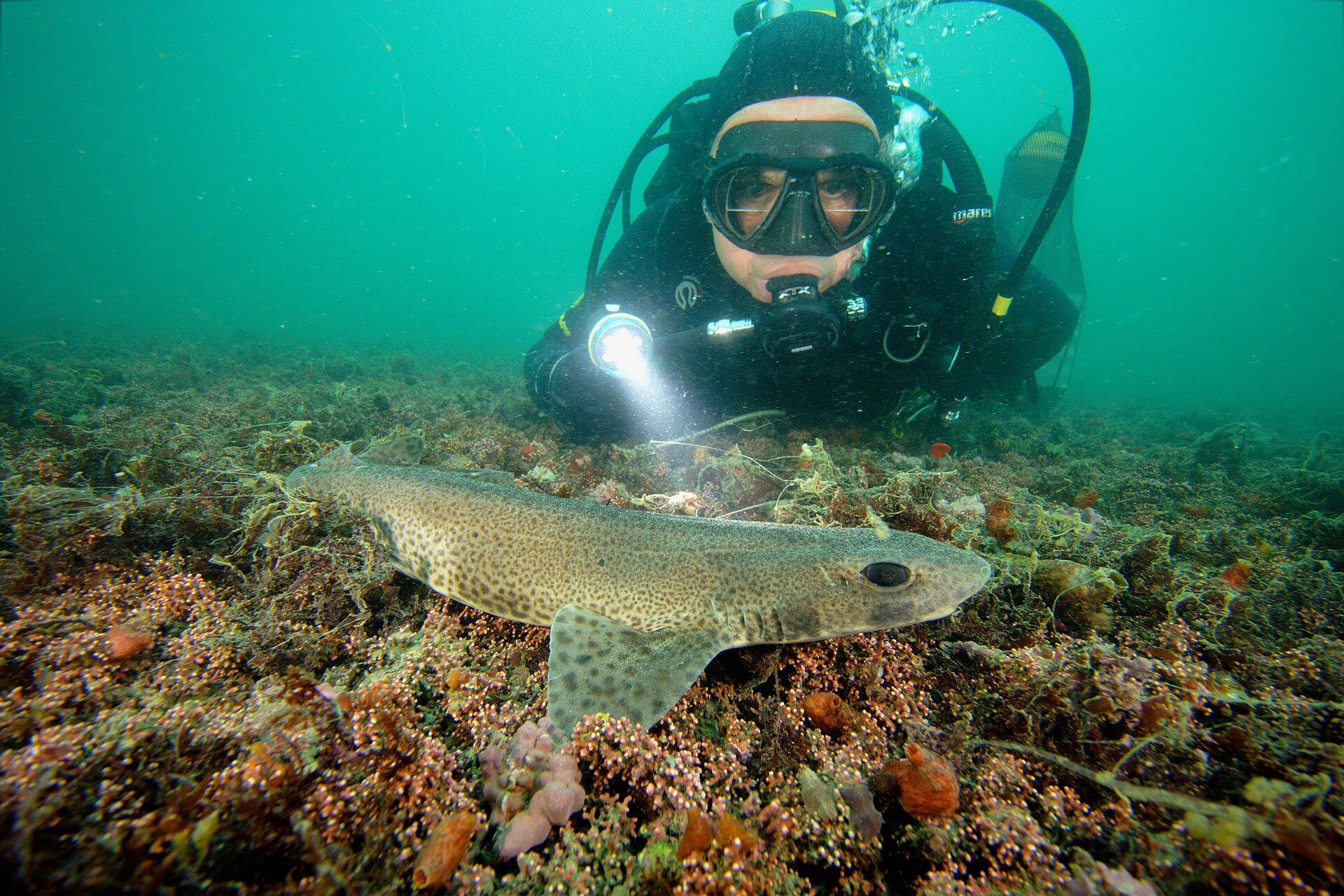
That habit sets them apart from the region’s other sharks, which usually take fish or crustaceans, and it hints at where they spend their time.
Size And Feeding Habits
Measure a Black Sea catshark and you won’t find much to it. Most stay under one meter long. They spend their time along the continental slope, the steep drop off past the shelf, and in deeper shelf waters far below where swimmers go.
Their diet is narrow. Mollusks make up most of it: small snails, clams, and other shelled animals resting on the seafloor. They rarely chase fish or other fast moving prey.
- They pose no danger to people at all.
- Beachgoers almost never see one.
- Each rare visitor hints at a wider marine world beyond the straits.
- Their stay here is brief, never permanent.
Small size and slow, bottom feeding habits explain why these sharks go unnoticed here. Somehow that quiet obscurity makes them worth knowing.
Depth Preferences And Movements
Because the Black Sea holds oxygen only in its upper layers, these sharks can’t roam wherever they please. Catsharks found in the Black Sea stay in deep benthic zones: benthic means the bottom layer of water, right above the seafloor. They settle below the continental shelf, the shallow underwater ledge that rims the coast. Still, they avoid the anoxic depths. Anoxic water holds no oxygen, and below that boundary the Black Sea turns lifeless for fish. So they occupy a narrow band of oxygenated deep water.
Their movements also mark them as visitors, not residents. They enter through the Turkish Straits from the Mediterranean and don’t stay long. That narrow margin of habitable water is genuinely worth keeping in mind.
Blue Sharks: Rare Accidental Visitors
Why does a shark built for the open ocean turn up in a sea as enclosed as the Black Sea? The answer is simple. Blue sharks (Prionace glauca) don’t live there. They arrive as accidental vagrants, meaning animals that wander outside their normal range, likely swimming in through the Bosporus from the Mediterranean Sea. These visits are brief. The sharks rarely stay long before moving back out.
- A predator reaching 2 to 3.8 meters, far larger than the region’s resident sharks
- A diet of small fish and squid, hunted during short incursions
- No feeding population that settles or breeds in these waters
- Virtually no sustained risk to swimmers, despite the size
Records remain uncommon, and it is worth being straight about how uncommon. FishBase gives the blue shark’s eastern Atlantic range as Norway to South Africa including the Mediterranean, and stops there. It does not list the Black Sea, and neither do the regional species inventories. Treat blue sharks here as plausible strays reported anecdotally rather than as a documented part of the fauna.
Angelsharks: The Flattened Ambush Hunter on the Sand
The angelshark looks less like a shark than a ray that changed its mind. It is flattened top to bottom, with broad pectoral fins held out like wings, and it spends the day part buried in sand with only its eyes showing, waiting for a fish to pass close enough to be inhaled.
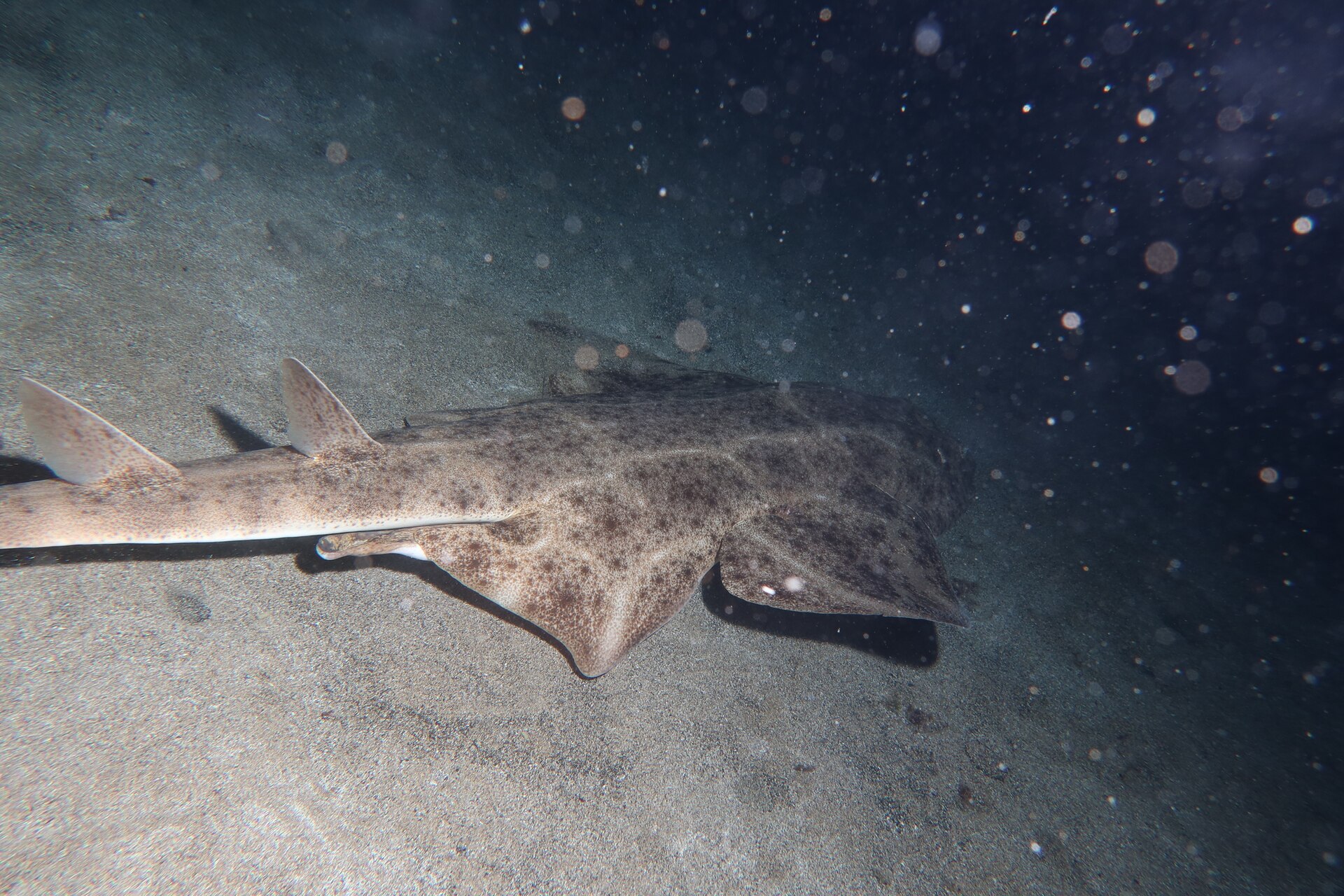
It is on the Black Sea species record but it is in serious trouble everywhere. The angelshark is one of the most threatened sharks in European waters, because a flat animal that lies on a sandy bottom is exactly what a trawl net is designed to catch.
Smooth Hammerheads: The Rare Open Water Visitor
The smooth hammerhead is the hammerhead that tolerates cool water, which is how it reaches this far north. It is a genuinely large animal, up to about four metres, and it uses the broad flattened head as both a sensory platform and a hydrofoil.
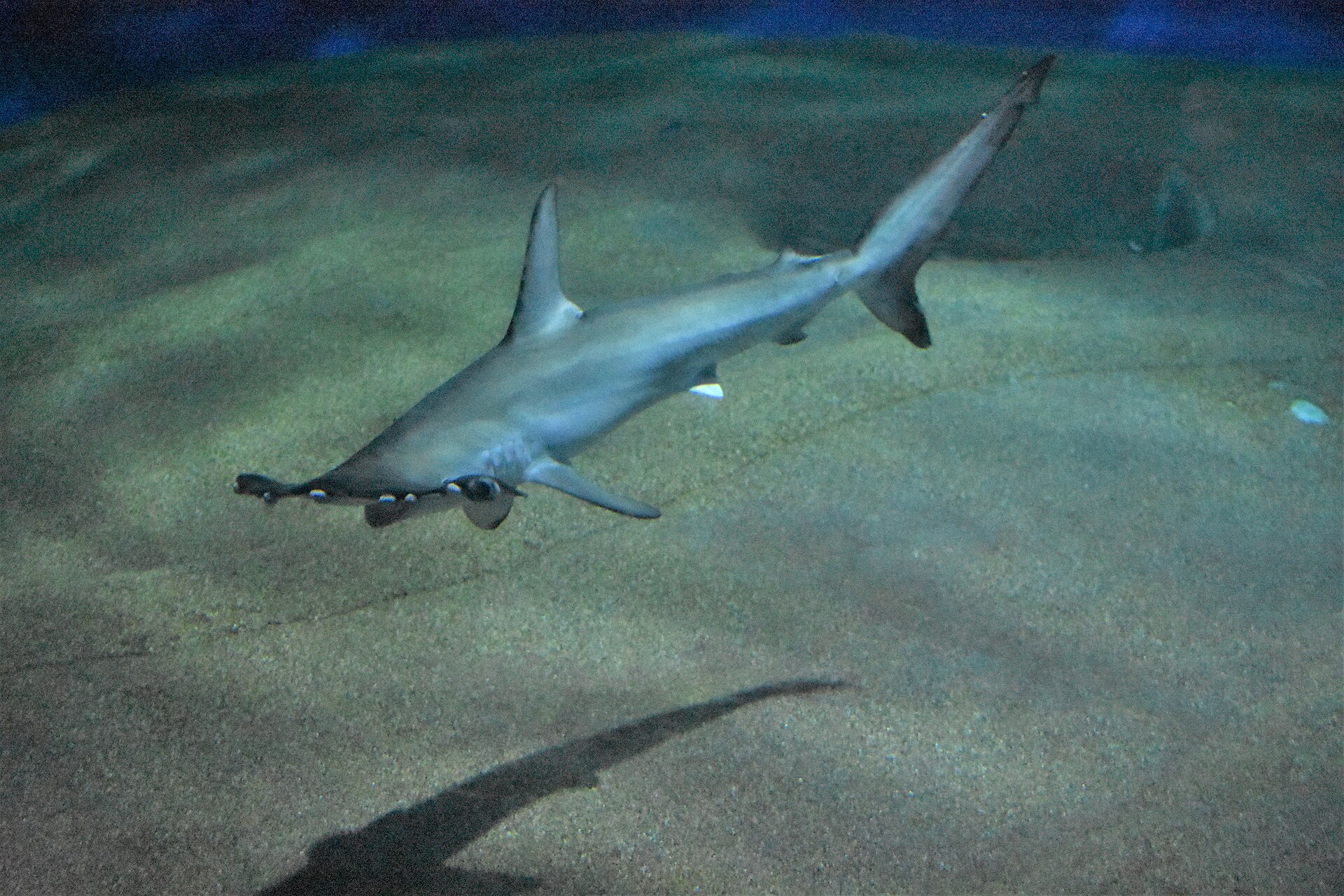
Records in the Black Sea are rare and it does not appear to be resident. Anything this size is at the limit of what the sea can support, for reasons the next section explains.
Thresher Sharks: The Tail That Does the Hunting
The thresher is the one shark on this list that hunts with something other than its teeth. The upper lobe of its tail can be as long as the rest of its body, and it uses it as a whip, striking into a school of fish to stun several at once before turning to collect them.
Like the hammerhead it is recorded here but rare, and like almost every large shark in these waters it is more likely to be encountered as bycatch than by a diver.
Why Low Salinity Keeps Black Sea Sharks Small
Salinity explains much of what swims here. The Black Sea’s surface water averages about 17 PSU, roughly half the open ocean’s level. Rivers like the Danube, Dnieper, and Dniester pour fresh water in constantly. Sharks must manage osmoregulation, which means balancing salt and water inside their bodies. That work costs energy. In brackish water, energy shifts from growth to osmotic balance, so adults stay smaller. Salinity is only half the story. Oceanographic surveys summarised by the University of Washington show oxygen falling to near zero by about 60 metres and hydrogen sulfide appearing from roughly 90 metres down, which means more than 85 percent of the Black Sea by volume is dead water. Every shark in it is confined to a thin surface layer.
Small species handle this better because their higher surface area to volume ratio lowers absolute costs. Prey size matters too. Low salinity limits marine fishes and cephalopods, reducing food for large predators. Stratification, or layered water that barely mixes, sharpens these gradients by depth and season. Those conditions favor euryhaline sharks, which tolerate wide salinity ranges. It’s a sea that rewards restraint.
Where Black Sea Sharks Live and Hunt
Those same conditions also decide where sharks spend their time. The resident dogfish keeps to the oxygenated shelf, generally above about 120 metres. It hunts small fish and crustaceans, like shrimp and crabs. Catsharks live deeper still, and they feed mainly on mollusks such as snails and clams. Most stay under one meter long. Blue sharks pass through the Turkish Straits by accident, chasing small fish and squid, but they rarely linger.
- Cool, dark water where sunlight barely reaches
- Quiet slopes far below the swimmers above
- Small hunters tracking shrimp along the seafloor
- Visitors that arrive lost and leave soon after
Stratification, meaning layered water temperatures, keeps them below the warm surface. That separation matters to the marine ecosystem, and honestly, it’s quietly reassuring.
What Black Sea Sharks Actually Eat
Diet explains a lot about these sharks. The spiny dogfish, the region’s only permanent resident, hunts the shelf above the anoxic layer. It eats small demersal fish and crustaceans, meaning bottom dwelling animals like gobies, sand smelts and shrimps.
Catsharks appear here only intermittently. They’re mollusc specialists, feeding on benthic gastropods and bivalves such as snails and clams on deep soft bottoms.
Blue sharks pass through occasionally and take small pelagic fish and squid, but they never settle into a resident feeding population.
The local marine food supply matters here. Because prey consists mostly of small fish, crustaceans and mollusks, the sea favours small, non dangerous species rather than large apex predators. That balance, quietly maintained, explains why encounters with people stay so rare in the region.
Have Black Sea Sharks Ever Attacked Swimmers?
So what does that mean for swimmers? Documented shark attacks in the Black Sea are extremely rare, and most sources report no confirmed unprovoked fatal attacks on swimmers. Size is an important part of the explanation. Resident species, like the Black Sea shark and catsharks, usually stay under one meter long. Understanding why some seas hold big predators and others do not comes down to a handful of key concepts in ecology, chiefly productivity, salinity and available oxygen.
- No confirmed unprovoked fatal attack has ever been recorded.
- Resident sharks feed near the bottom on the open shelf, well away from bathing beaches.
- Their diet is fish, crustaceans and mollusks, not people.
- Blue sharks wander in accidentally, then leave within weeks.
Lower salinity and anoxic deep water, meaning water without oxygen, push sharks offshore. Beaches simply aren’t shark habitat here. Risk stays near zero for most beachgoers. That knowledge makes a swim feel calmer.
Overfishing and Pollution Threaten Black Sea Sharks
While sharks here pose little danger to people, people pose a real danger to them. Commercial trawling and small scale fishing have stripped the sea of benthic and small pelagic prey, the bottom dwelling and surface schooling fish sharks depend on. The numbers are stark. The General Fisheries Commission for the Mediterranean assessment found the Black Sea spiny dogfish stock had fallen roughly thirtyfold in twenty years, with reported catches dropping from a peak of about 4,558 tonnes to under 110 tonnes across all countries.
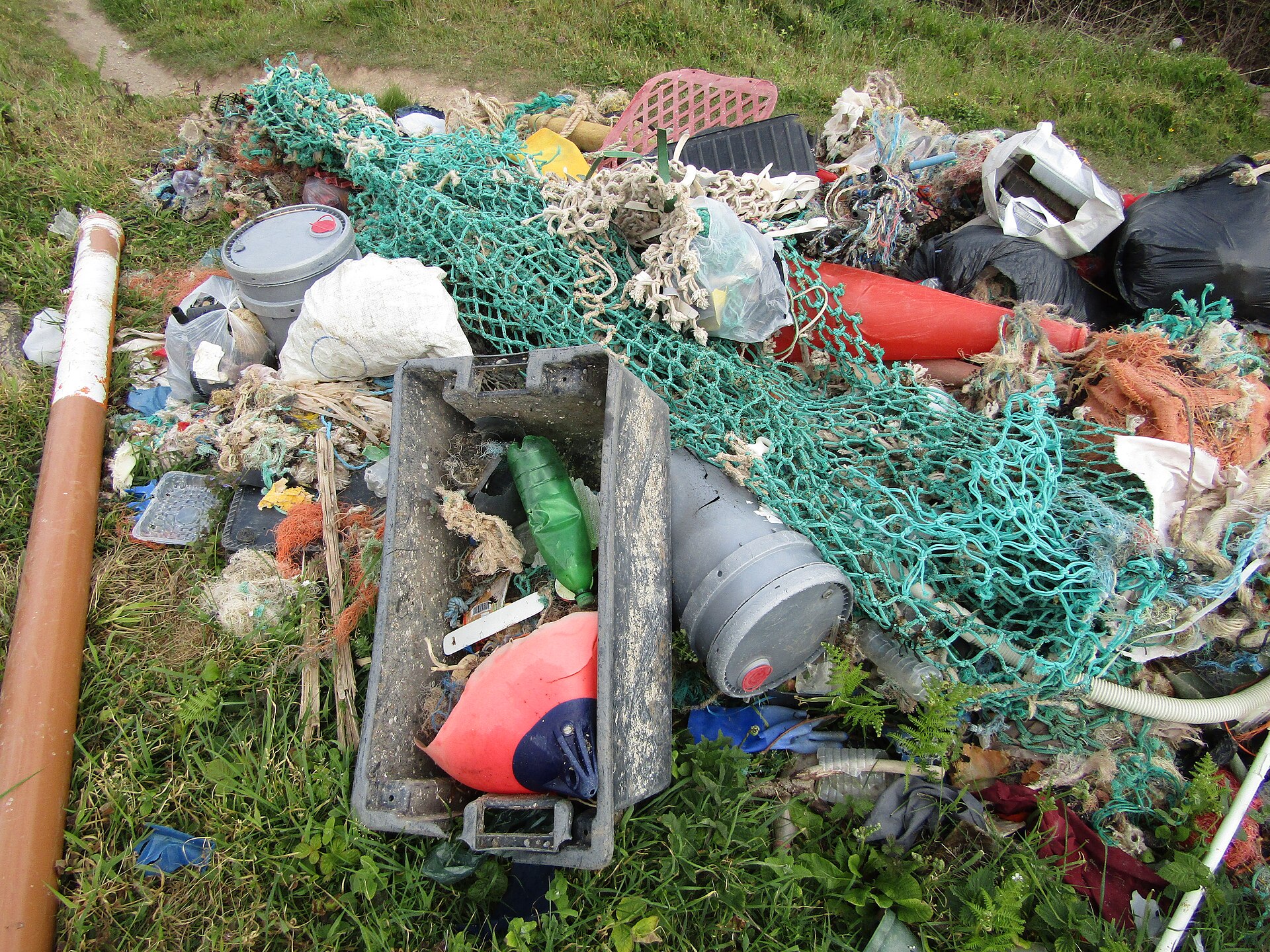
Farm runoff, untreated sewage, and industrial waste add nutrients that cause hypoxia, meaning water with too little oxygen to support life. That shrinks usable habitat further, squeezing everything into the thin oxygenated layer above roughly 90 metres.
The Black Sea exchanges water slowly, so heavy metals and lasting pollutants build up in the food web. Sharks absorb those toxins through their prey. Most are caught by accident, and their slow reproduction limits recovery.
Countries across Europe and Asia border this basin, and coordinated enforcement still lags behind the need. That gap deserves attention.
Black Sea Sharks: Common Questions
Are there sharks in the Black Sea?
Yes. Six shark species are on the record: spiny dogfish, longnose spurdog, small spotted catshark, angelshark, smooth hammerhead and thresher shark. Only the spiny dogfish is a true resident. The rest are rare or arrive from the Mediterranean.
How deep do Black Sea sharks live?
Shallower than most people assume, because they have no choice. Oxygen falls to near zero by about 60 metres and hydrogen sulfide appears from roughly 90 metres down, so every shark is confined to the thin oxygenated layer above that. Spiny dogfish are found from about 10 metres out to roughly 120.
Why is most of the Black Sea uninhabitable?
It is the largest anoxic basin on Earth. Fresh river water sits on top of dense salty water that entered through the Bosporus, the two never mix, and the deep layer has no oxygen at all. More than 85 percent of the sea by volume is dead water.
How big do Black Sea sharks get?
The resident spiny dogfish reaches about 1.5 metres. That is small for a shark and it is a consequence of the sea itself: low salinity, a shallow habitable layer and small prey all cap how large a predator can grow here.
Are Black Sea sharks dangerous to swimmers?
No. There are no recorded shark attacks in the Black Sea. The resident species is a small bottom feeding shark that hunts fish and crustaceans on the open shelf, well away from bathing beaches.
Are there great white sharks in the Black Sea?
No. Great whites are not on the Black Sea species record. The sea is too fresh, too shallow in its habitable layer and too poor in large prey to support them.
How salty is the Black Sea?
Surface salinity runs about 18 parts per thousand, roughly half that of the open ocean, kept low by the enormous freshwater input from European rivers. Deep water reaches about 22, while the Mediterranean water entering through the Bosporus is around 36.
Are Black Sea sharks endangered?
The resident spiny dogfish stock has fallen roughly thirtyfold in twenty years, with reported catches dropping from about 4,558 tonnes to under 110 tonnes. Females do not breed until around twelve years old, so the population recovers very slowly from fishing.
Final Thoughts
The Black Sea’s sharks aren’t dangerous to people. They’re a quiet part of the sea’s biodiversity, meaning the full range of living things sharing one habitat. Spiny dogfish catches tell the story plainly. Fleets landed roughly 10,000 tons a year in the early 1980s, and today the annual catch sits below 1,000 tons. That’s a ninety percent drop in about forty years. It’s worth remembering these animals survive in a sea most swimmers assume holds nothing at all.

Erzsebet Frey (Eli Frey) is an ecologist and online entrepreneur with a Master of Science in Ecology from the University of Belgrade. Originally from Serbia, she has lived in Sri Lanka since 2017. Eli has worked internationally in countries like Oman, Brazil, Germany, and Sri Lanka. In 2018, she expanded into SEO and blogging, completing courses from UC Davis and Edinburgh. Eli has founded multiple websites focused on biology, ecology, environmental science, sustainable and simple living, and outdoor activities. She enjoys creating nature and simple living videos on YouTube and participates in speleology, diving, and hiking.
From the shop
Gifts for people who love the wild
Wildlife themed t-shirts, notebooks, tote bags, bandanas and guides, designed by an ecologist.
Visit the shop