
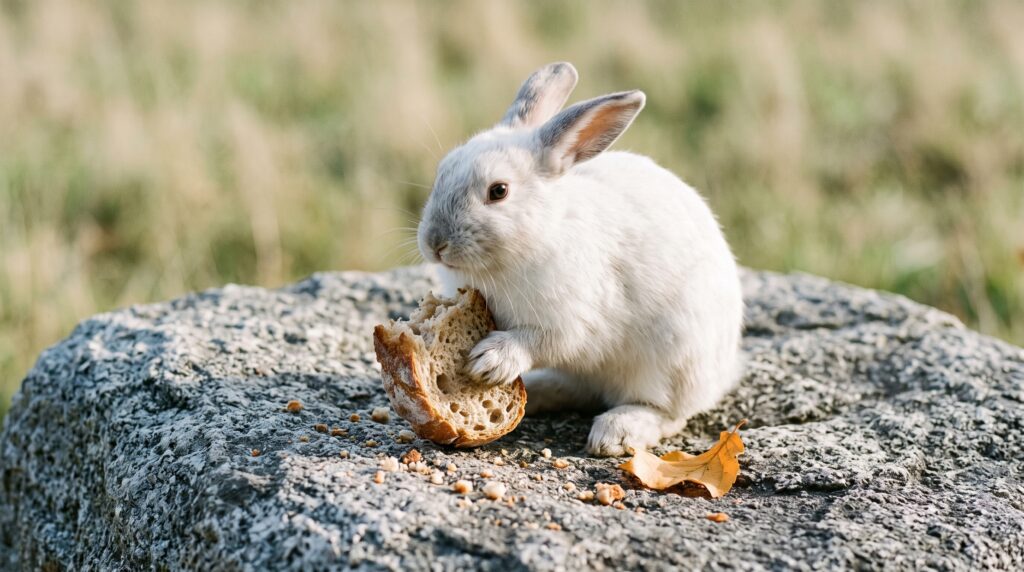
Many animals eat bread when humans offer it. Ducks, geese, pigeons, gulls, and squirrels consume crumbs in parks. Chickens tolerate small amounts as treats, and pigs digest it readily, though both need balanced diets. Cattle, sheep, and horses risk digestive illness from bread’s starch. Wildlife face malnutrition since bread lacks protein, vitamins, and essential fats. Uneaten bread also pollutes water, depleting oxygen and killing fish, a process that harms aquatic biodiversity, or the variety of living organisms in water ecosystems. There’s more to understand about what this means for the animals people encounter daily.
Key Takeaways
- Waterfowl, gulls, pigeons, squirrels, and mice commonly consume discarded bread.
- Scavengers and opportunists are attracted to bread’s easy energy source.
- Chickens tolerate small amounts as treats; pigs digest bread readily.
- Wild waterfowl face malnutrition and disease risks from bread feeding.
- Many species encounter toxic mold and environmental harm from decomposing bread.
How Bread Causes Malnutrition and Deformity in Ducks
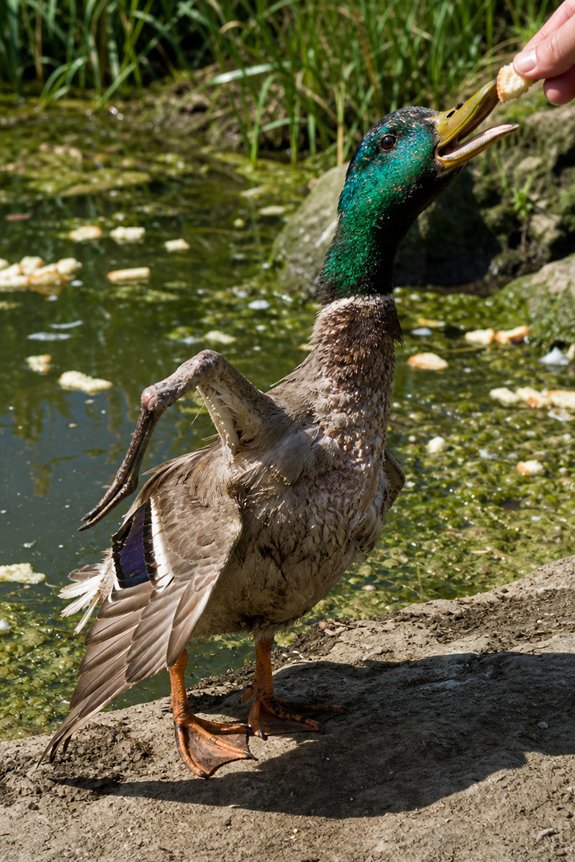
Feeding bread to ducks carries hidden costs. It seems harmless. It isn’t.
The scale is staggering. The Canal and River Trust estimates that people throw 6 million loaves of bread into the canals and rivers of England and Wales every year, enough to fill 20 double decker buses.
Bread contains very little nutritional value. It’s mostly carbohydrates. Ducks fill up on empty calories. They don’t eat what they need. Proper growth requires protein, vitamins A and D, and essential fatty acids. Bread lacks these.
Young ducks suffer most. Their bodies grow fast. Bones can’t keep up. Feathers overdevelop. Joints twist outward. This deformity is Angel Wing. It’s permanent. Affected birds can’t fly.
Malnutrition weakens muscles. Feather quality drops. Ducks struggle to forage, escape predators, and stay warm. Chronic bread feeding increases disease risk. Survival rates fall. Reproductive success drops.
Watching ducks paddle for crumbs feels kind. The results aren’t.
Why Ducks and Geese Develop Angel Wing From Bread
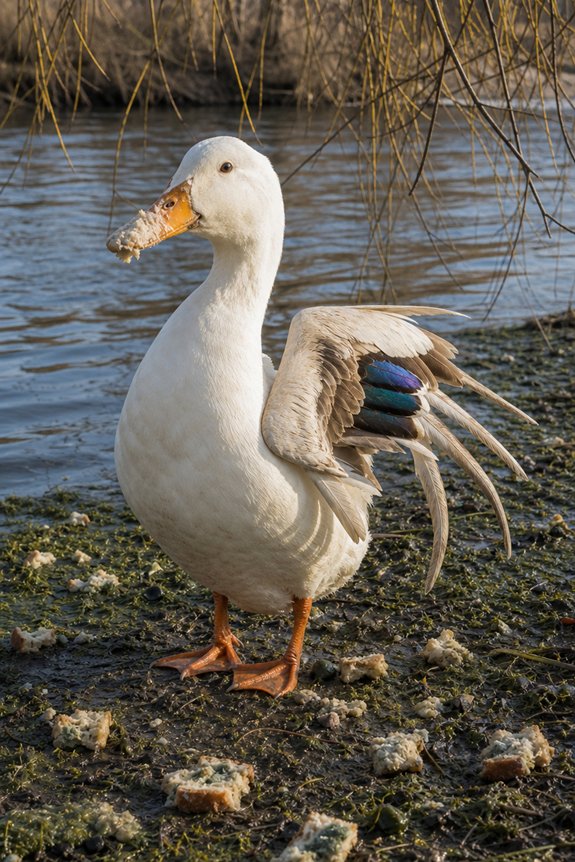
Bread causes angel wing because it’s packed with carbohydrates and calories but lacks the protein, vitamins, and minerals young waterfowl need.
Their flight feathers grow too fast. The bones can’t keep up, and the wing twists outward at the joint called the carpometacarpus. This damage becomes permanent.
Once the bird matures, it can’t fly or waterproof its feathers properly, and there’s no fix.
Nutritional Causes Explained
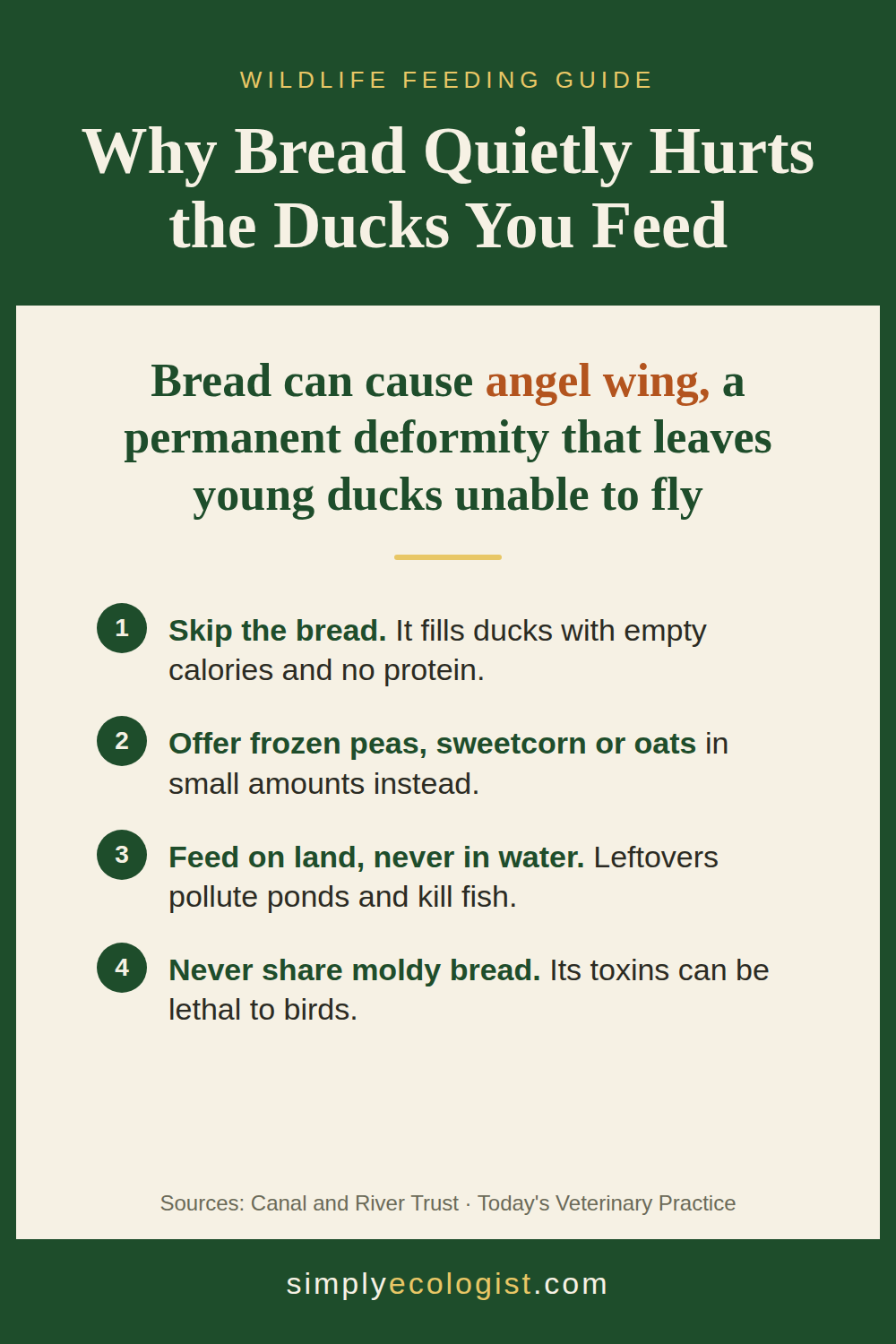
When young waterfowl consume large quantities of bread, they’re ingesting a diet that fundamentally mismatches their biological needs. Bread products contain very little nutritional value. These items contain empty calories. Birds aren’t equipped to digest this unnatural food. Bread left by visitors causes digestive issues. It’s full of sugars. Some ingredients can be deadly. Excess sodium and carbohydrates displace natural sources of food.
Wildlife needs natural food. Handouts reduce foraging for proper Food Sources. Bread doesn’t digest well. It offers little nutritional value. This unnatural diet triggers deadly problems. Angel wing develops from nutritional imbalance. High carbohydrates cause rapid growth. Bones can’t keep pace. The wrist joint malforms.
Wildlife rehabilitation centers consistently report higher angel wing rates where bread feeding is common. Young birds suffer. Their wings twist outward. The damage stays forever.
Permanent Physical Damage
Because young waterfowl require precise nutrition during their rapid growth period, even small dietary imbalances can reshape their bodies permanently. Angel wing provides a stark example. This deformity strikes juveniles fed bread and similar high starch foods. The condition develops when calories surge but protein and vitamins fall short. Distal wing bones then outpace joint development. Feathers twist outward. Wrists rotate abnormally. Wings won’t fold properly.
Once mature, the damage hardens. Bone and joint changes become fixed. Flight grows impossible. Predators pose greater danger. Migration fails. Survival drops sharply.
The transformation is swift. The consequence is lifelong. Prevention remains straightforward: offer natural foods instead. Insects and aquatic plants support proper development. Bread undermines it. The choice shapes whether young birds reach adulthood whole or broken.
Can Any Animal Safely Eat Bread?
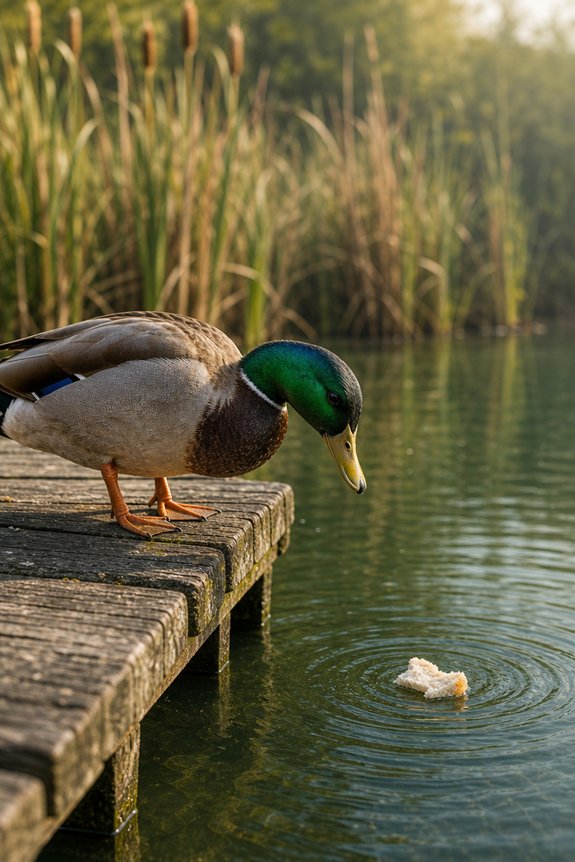
A few domestic animals tolerate bread better than wildlife does. Chickens and pigs digest stale bread without immediate harm, though it offers little nutrition.
Wild species face greater dangers, and feeding them bread causes real harm.
Domestic Livestock Exceptions
While many animals encounter bread through human contact, not all can process this food without risk.
Chickens tolerate small amounts of stale bread as an occasional treat. Their digestive systems handle grains and gluten well. However, bread shouldn’t exceed ten percent of daily feed. Too much creates nutritional imbalance.
Pigs digest bread readily. It’s low in essential nutrients though. Bread needs balancing with protein and vitamins. Without this balance, deficiencies develop.
Cattle and sheep face different risks. They won’t suffer acute toxicity from bread. Large quantities disrupt rumen fermentation. This causes digestive upset or acidosis, a potentially dangerous condition.
Horses should generally avoid bread. Occasional plain, dry pieces may be tolerated. High starch bread risks laminitis or colic. These are painful, sometimes fatal conditions.
Bread represents human convenience, not animal nutrition.
Wildlife Health Risks
Although bread seems harmless, it creates serious problems for wild animals. Bread delivers empty calories, mostly carbohydrates and sugars, with almost no protein, vitamins, or minerals. Regular feeding causes malnutrition in birds and other wildlife.
Waterfowl face a specific danger. High bread consumption causes “angel wing,” a permanent wing deformity. This condition stems from imbalanced, high calorie diets during growth. The wing twists outward. The bird can’t fly.
Small mammals suffer too. Processed breads contain salts and additives. Wildlife groups warn that species like hedgehogs cannot process these additives safely.
Moldy bread poses another threat. It harbors mycotoxins and fungi such as Aspergillus. These pathogens sicken or kill birds and mammals.
Some species tolerate occasional plain stale bread. Chickens, pigs, and some squirrels manage small amounts. However, bread should never replace proper diets. Dependency develops. Ecosystems shift.
The quiet truth remains: feeding feels kind. It isn’t.
What to Feed Ducks and Geese Instead
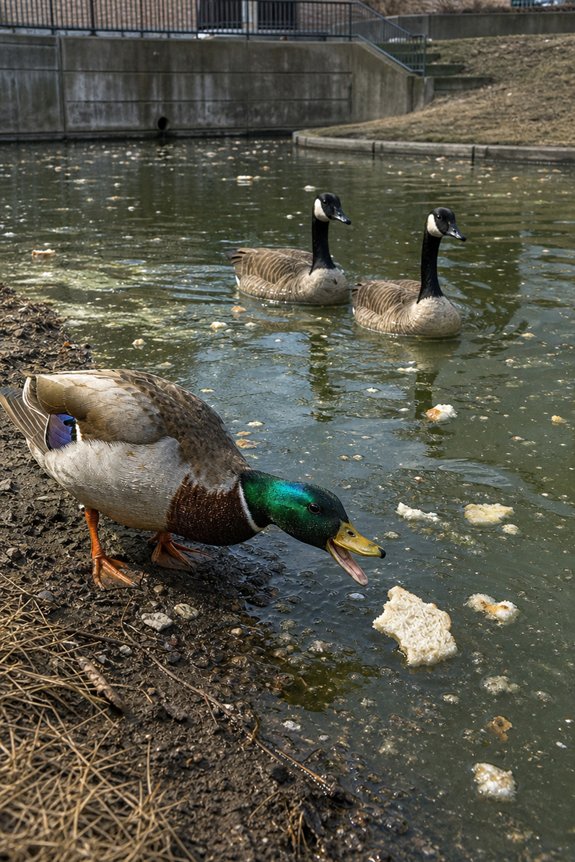
Feeding waterfowl responsibly requires understanding what their bodies actually need. Ducks and geese thrive on frozen peas, sweetcorn, and chopped lettuce or cucumber. These foods deliver vitamins and fiber without bread’s empty calories.
Small portions work best. Sliced grapes, halved for safety, and unsalted porridge oats serve as digestible, nutrient rich treats. Commercial waterfowl pellets provide balanced protein, fat, and minerals. These follow species specific nutritional requirements.
Certain foods harm these birds. Salty snacks, sugary cereals, and processed items cause malnutrition and obesity. Young birds develop angel wing, a deformity from excess carbohydrates. Bread lacks essential nutrients entirely.
Feed small amounts on land, never in water. Leftovers pollute waterways and spread disease. Responsible feeding protects both individual animals and their habitats.
Why Moldy Bread Kills Birds and Small Mammals
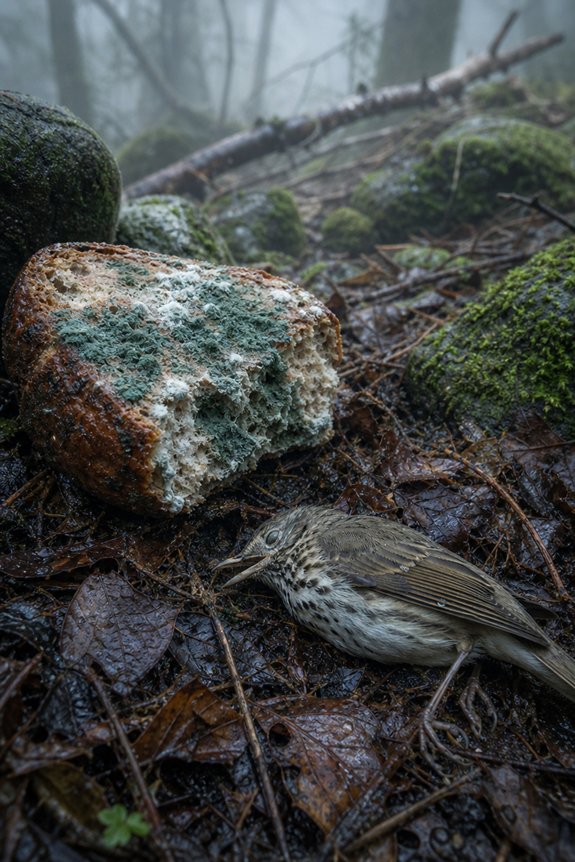
Moldy bread poses lethal dangers to birds and small mammals that many people overlook. Fungi that colonize damp bread produce tremorgenic mycotoxins, poisons that trigger violent seizures, vomiting, and rapid death in vulnerable wildlife. Toxicosis strikes quickly.
- Penicillium and Aspergillus species generate neurotoxins that disrupt nervous systems within hours of ingestion
- Inhaled mold spores colonize lungs, causing aspergillosis, an incurable respiratory infection that suffocates afflicted birds
- Digestive tract damage from mold exposure produces bacterial overgrowth, dehydration, and cascading organ failure
- Scavengers encounter Salmonella and Clostridium pathogens concentrated on rotting bread, overwhelming juvenile immune defenses
- Sublethal mycotoxin doses accumulate silently, stunting growth and degrading immunity in developing young
Even fragments cause harm. Wildlife suffers invisible damage before visible symptoms emerge. The tragedy is preventable.
What to Do With Abandoned Bread in Parks
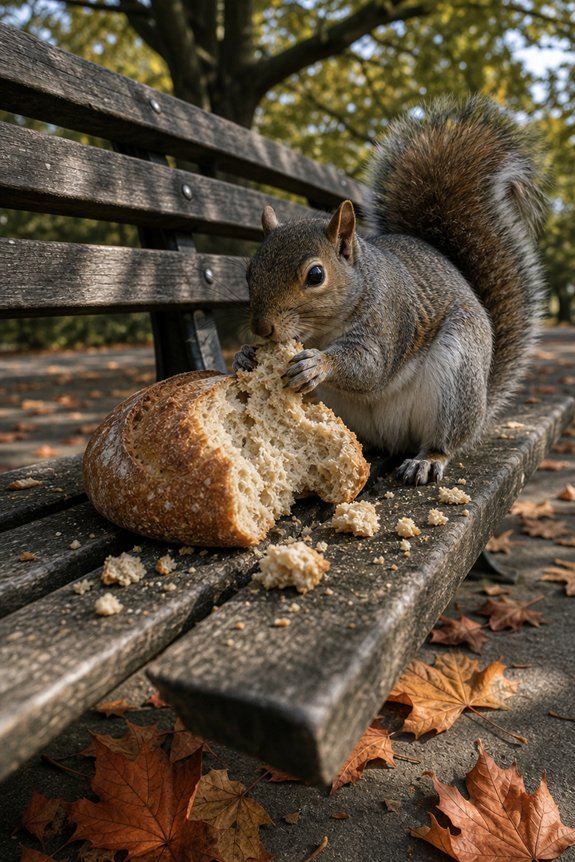
Park visitors encounter abandoned bread more often than expected. They should wear gloves and a mask. They place it in sealed trash bags. This prevents attracting wildlife and spreading mold spores. They never leave bread near water. Tossed loaves add excess nutrients. They promote algal blooms. These blooms create hypoxic conditions (low oxygen environments) that kill fish and other aquatic life.
Moldy bread requires special handling. Visitors treat it as hazardous waste. They double bag it and dispose of it in municipal trash. They avoid composting to prevent tremorgenic mycotoxin exposure to animals and pets.
They contact local park authorities, a nature center, or a wildlife rehabilitation group. They provide location and estimated quantity. Staff arrange proper removal and document recurring dumping.
After removal, visitors clean crumbs and discourage repeat feeding. They consider planting native shrubs or providing clean water sources.
How to Help Wildlife Without Feeding Them
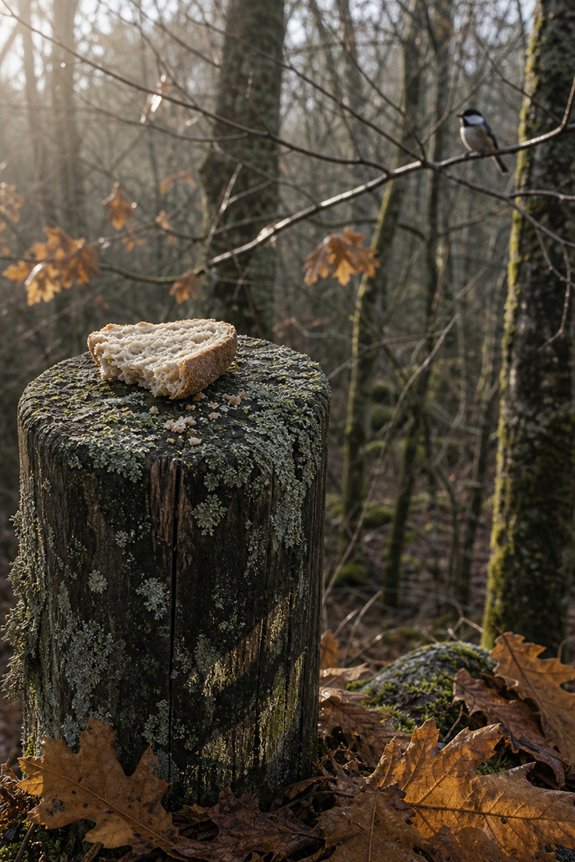
Supporting wildlife begins with understanding what animals actually need. Biodiversity (the variety of living species in an area) thrives when humans create conditions that let nature function independently. Feeding wild animals often disrupts this balance. Instead, people can take deliberate steps that sustain ecosystems without creating harmful dependencies.
- Plant native fruiting shrubs and seed bearing wildflowers like serviceberry, elderberry, and coneflower to provide natural food year round
- Install shallow clean water sources with gently sloping edges, changing water regularly for drinking and bathing
- Create brush piles, log piles, native hedgerows, and nest boxes for shelter and breeding
- Reduce pesticides, leave leaf litter and dead wood to boost insect populations that feed birds and amphibians
- Secure trash, remove food waste, and report injured animals to licensed rehabilitators
These actions respect wildlife’s independence. They require patience. The reward is watching healthy animals behave naturally.
Frequently Asked Questions
Can ducks eat bread at all?
A duck that eats a small piece of plain bread will usually be fine. The harm comes from regular feeding. Bread crowds out the protein rich natural foods young ducks need, and chronic bread diets are linked to malnutrition and angel wing.
What should I feed ducks instead of bread?
Offer small amounts of frozen peas, sweetcorn, chopped lettuce, unsalted porridge oats, or waterfowl pellets. Feed on land rather than in the water so leftovers do not pollute the pond.
Is moldy bread safe for birds?
No. Mold on damp bread produces toxins that can trigger seizures and death in birds and small mammals, and inhaled spores cause aspergillosis, a serious respiratory infection. Always bag moldy bread and put it in the trash.
Can chickens eat bread?
Yes, in moderation. Chickens handle grains well, but bread is a treat, not a feed. Keep it under ten percent of their daily intake and balance it with a proper layer feed.
Final Thoughts
Bread harms wildlife in ways that accumulate over time. Angel wing deforms ducks. Mold kills small animals silently. Biodiversity, the variety of life in an area, suffers when artificial food sources disrupt natural foraging. Parks contain better alternatives: oats, peas, or corn. Abandoned bread demands disposal, not distribution. One simple choice protects countless creatures. Wildlife needs habitat, not handouts. The smallest actions echo across entire ecosystems.

Erzsebet Frey (Eli Frey) is an ecologist and online entrepreneur with a Master of Science in Ecology from the University of Belgrade. Originally from Serbia, she has lived in Sri Lanka since 2017. Eli has worked internationally in countries like Oman, Brazil, Germany, and Sri Lanka. In 2018, she expanded into SEO and blogging, completing courses from UC Davis and Edinburgh. Eli has founded multiple websites focused on biology, ecology, environmental science, sustainable and simple living, and outdoor activities. She enjoys creating nature and simple living videos on YouTube and participates in speleology, diving, and hiking.
🌿 Explore the Wild Side!
Discover eBooks, guides, templates and stylish wildlife-themed T-shirts, notebooks, scrunchies, bandanas, and tote bags. Perfect for nature lovers and wildlife enthusiasts!
Visit My Shop →