
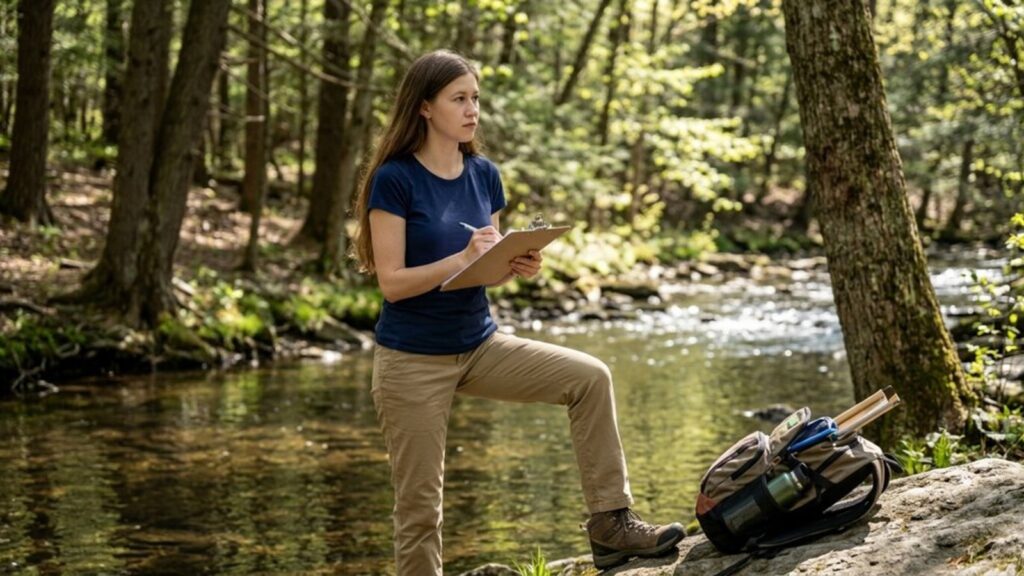
As an environmental consultant, you help businesses, developers, and agencies understand how their projects might harm the surrounding environment, then you guide them toward smarter choices. You’ll split your time between fieldwork like soil sampling and office tasks like writing reports or analyzing maps. Entry level salaries typically run $55K $65K, rising past $100K with experience. A four year science degree gets you started, and certifications like HAZWOPER sharpen your edge. Everything ahead clarifies exactly how to build that path.
Key Takeaways
- Environmental consultants assess and manage project risks to surrounding environments, splitting time between fieldwork like soil sampling and office tasks like report writing.
- Entry-level salaries range from $55K $65K, rising to $75K $95K mid-career, with senior project managers earning $100K or more.
- Geographic premiums in cities like New York or San Francisco can add 20 30% above national average salaries.
- Breaking in typically requires a four year B.S. in environmental science, biology, geology, or chemistry, plus roughly two years of field experience.
- Certifications like HAZWOPER and GIS skills strengthen early job offers and improve salary negotiating leverage for entry-level candidates.
What Does an Environmental Consultant Actually Do?
Environmental consulting is, at its core, about helping clients (businesses, developers, and government agencies) understand and manage the risks their projects pose to the surrounding environment.
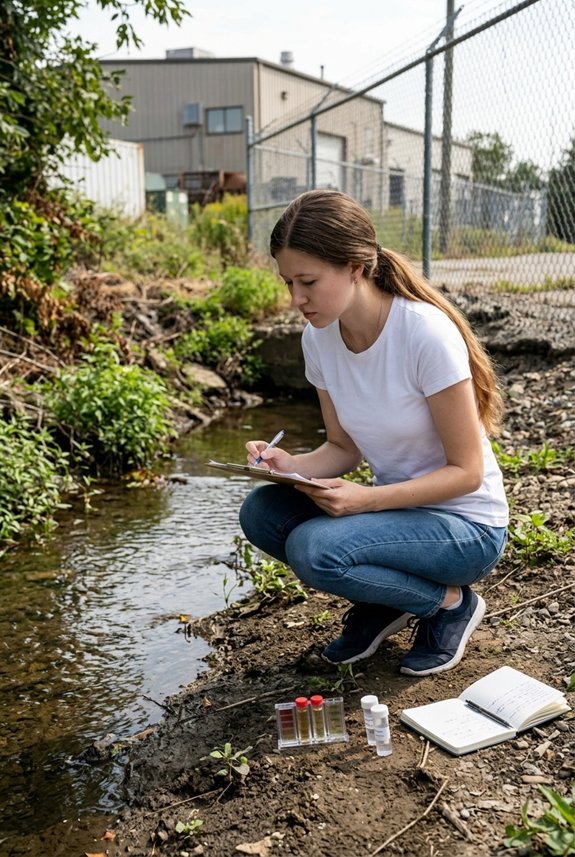
As a consultant, you move between two distinct worlds: the field, where you collect soil and groundwater samples, conduct wetland delineations (surveys identifying protected wetland boundaries), and inspect sites firsthand; and the office, where you write reports, analyze GIS data (digital mapping tools), and prepare permit applications.
Field ethics matter here. You document findings honestly, even when results complicate a client’s plans.
Client communication matters equally, because translating complex scientific findings into clear, actionable guidance is central to your value.
Projects vary widely in length and scope, and junior consultants often rotate across different project types, building broad, practical experience early in their careers.
The Environmental Consultant’s Day Nobody Talks About
Between site visits, much of your day as a junior environmental consultant is spent doing something far quieter than fieldwork, researching property records, reviewing regulatory files, and writing reports for Phase I ESAs (short for Phase I Environmental Site Assessments, which are investigations that identify potential contamination on a property before it’s bought or developed).
This desk bound hustle is real, unglamorous, and genuinely important, because the quality of your research directly shapes the advice your client receives. You’ll also discover the report revision grind early: drafts cycle back with senior staff comments, pushing you to sharpen your writing and technical accuracy together.
A typical week mixes these quiet, document heavy stretches with short field trips, GIS mapping, and permit review, each task building skills that carry you steadily forward.
Who Hires Environmental Consultants?
Clients come from nearly every corner of the economy, and that range is one of the things that makes this career genuinely interesting.
You might support public private partnerships (where government agencies and businesses share responsibility for a project) on brownfield redevelopment, meaning the cleanup and reuse of previously contaminated land.
Large consulting firms like AECOM or Stantec serve corporations, utilities, and real estate developers, while smaller regional firms handle municipal stormwater or solid waste work.
Legal teams hire you for due diligence, meaning careful risk evaluation before transactions close.
Nonprofit partnerships occasionally bring international clients into the picture, expanding your exposure to cross border environmental regulations and sustainability frameworks.
Each client type teaches you something different, and that variety quietly sharpens your professional judgment over time.
Environmental Consultant Salary in 2026
Salaries for environmental consultants in 2026 tell a story worth understanding before you commit to a career path, because the numbers shift considerably depending on where you work, who you work for, and how long you’ve been doing it.
Entry level roles typically start between $55K and $65K, mid-career professionals earn $75K $95K, and senior project managers often clear $100K or more. Geographic premiums (meaning higher pay tied to costly metros like New York or San Francisco) can add 20 to 30% above national averages, which makes location a real factor in your salary negotiation.
| Career stage | Typical salary (2026) | Notes |
|---|---|---|
| Entry-level (0 2 yrs) | $55K $65K | Higher with HAZWOPER + GIS skills |
| Mid-career (3 7 yrs) | $75K $95K | Growing technical responsibility |
| Senior / project manager (8+ yrs) | $100K+ | Leadership and client management |
| Government roles | $45K $60K | Slower growth, greater stability |
| Major metros (e.g. NYC, SF) | +20 30% | Premium added on top of base ranges |
These ranges line up with national figures from the U.S. Bureau of Labor Statistics and salary aggregators such as PayScale.
Government positions generally start lower, around $45K $60K, with slower growth. Certifications like HAZWOPER and GIS skills genuinely improve your early offers, so they’re worth pursuing deliberately.
Are Environmental Consultants Happy With Their Pay?
Satisfaction with pay in environmental consulting sits at a modest 3.0 out of 5, which tells you something honest about how consultants tend to feel: not bitter, but not thrilled either.
The numbers make sense when you consider that entry-level roles often start around $55K $65K, a range that feels adequate but rarely exciting.
What tends to quietly erode satisfaction isn’t just the paycheck. It’s the sense that skills aren’t being fully used, with meaningfulness ratings hovering around 2.8 out of 5.
You can improve your situation, though, by practicing salary transparency (openly researching and discussing pay ranges before accepting offers) and approaching benefits negotiation, meaning asking for stronger health, retirement, or flexibility terms, with the same care you’d give a site assessment. Small, informed moves genuinely add up.
Do Environmental Consultants Find Their Work Meaningful?
Meaning, the sense that your work genuinely matters, is one of the quieter struggles in environmental consulting, with ratings averaging about 2.8 out of 5, a number that’s honest rather than alarming.
You’ll notice that skills utilization, meaning how fully your abilities are put to use, scores similarly low at around 2.9, and that gap between what you’re capable of and what clients actually need can quietly wear on you.
Client ethics matter here too, because working for companies whose values conflict with yours makes meaningful work harder to sustain.
Career shifts toward NGOs, sustainability leadership, or hands-on field roles often shift that experience considerably.
Context shapes everything. Regulatory compliance and conservation projects carry real purpose, and if you choose your employer thoughtfully, meaning tends to follow.
Is Environmental Consulting the Right Fit for Your Personality?
Whether environmental consulting suits you often comes down less to your résumé and more to how you naturally think and work. Surveys show personality fit scores are relatively high, around 3.7 out of 5, suggesting many consultants feel their temperament matches the job’s demands well. If you enjoy solving problems, working with clients, and shifting between fieldwork and desk tasks, your workstyle alignment with this career is likely strong.
You’ll also want to take into account stress tolerance, meaning your ability to handle variable hours, travel, and shifting project demands without burning out. Those who thrive here tend to be adaptable, detail-oriented, and comfortable communicating complex science in plain language. If rigid routines and strictly office-based work appeal to you more, this role may feel like a poor fit.
Where Are Most Environmental Consulting Jobs?
Geography shapes opportunity in environmental consulting more than many job seekers expect. Urban hubs (cities like New York, Houston, Los Angeles, Chicago, and Washington, D.C.) concentrate the largest share of jobs, because corporate clients, infrastructure projects, and regulatory agencies cluster there, driving consistent demand for consultants. Major firms like AECOM, Tetra Tech, and Arcadis anchor their operations in these metros, often paying 20 to 30% above national averages.
Remote hotspots exist, too, and they’re worth your attention. Fieldwork roles (site sampling, wetland delineation, or remediation oversight) follow construction and industrial activity into smaller regions. Meanwhile, positions centered on GIS mapping, report writing, or regulatory research can often be done remotely, giving you flexibility. Knowing where your preferred work style fits geographically helps you search smarter, not harder.
Can You Do Environmental Consulting Remotely?
Remote work in environmental consulting is genuinely possible, but the answer depends heavily on what kind of work you’re doing. Tasks like report writing, regulatory review, GIS analysis (meaning digital mapping of environmental data), and Phase I ESA records research, which involves reviewing historical land-use documents, translate well to home offices. Many firms now maintain flexible telecommute policies, and virtual stakeholder engagement, like presenting findings to clients or agencies online, has become genuinely routine.
However, fieldwork (soil sampling, wetland delineation, or site inspections) still requires your physical presence. As a junior consultant, you’ll likely blend both worlds, spending more time at a desk during permitting and reporting phases, then traveling during active field investigations. Building strong technical skills early gives you more flexibility over time.
Which Degrees Get You Hired as an Environmental Consultant?
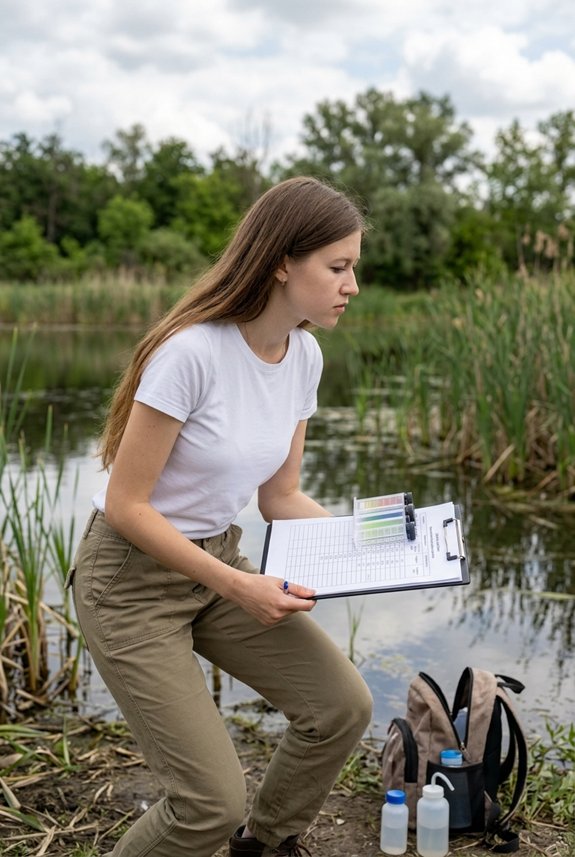
Your degree choice matters more than you might expect, but it’s also more forgiving than most job postings suggest. Environmental science, biology, geology, and chemistry all serve as strong degree pathways into consulting, and employers typically hire entry-level candidates holding a four-year B.S. (a bachelor of science degree) as their primary hiring prerequisite.
What separates competitive candidates, though, isn’t always the major itself: it’s the added credentials layered on top. Short certifications like HAZWOPER (a 40-hour safety training for hazardous work sites) and foundational GIS skills, which involve mapping and spatial data analysis, meaningfully improve your chances. An M.S. degree can accelerate your path into senior or specialist roles, though it’s rarely required to start. Your foundation, built thoughtfully, opens more doors than you’d expect.
Which Certifications Do Environmental Consultants Actually Need?
Certifications don’t all carry equal weight in this field, and understanding which ones actually move the needle can save you time and money.
HAZWOPER importance becomes clear early: this 40-hour training, which prepares you to work safely around hazardous materials, costs roughly $210 online and is highly valued for field roles. Without it, certain site work simply isn’t available to you.
GIS credentials (coursework through Esri or a university certificate program) strengthen your value for mapping and spatial analysis tasks, many of which can be done remotely.
Beyond those two, consider your niche: LEED Green Associate suits sustainability-focused work, while CHMM or REM certifications open doors to senior, specialist roles later.
Start with what your target employers consistently list, then build thoughtfully from there.
How to Get Experience Before Your First Job
Breaking into environmental consulting before you have a job title often comes down to how well you build up hands-on experience in the years before you apply.
Volunteer for wetland delineation or stream monitoring projects, where you’ll learn to handle field equipment, tools like soil samplers, water quality meters, and GPS devices used during site inspections.
Build GIS skills through free Esri training, then create a small portfolio of maps that demonstrates real spatial thinking.
Write a mock Phase I ESA, which is a standardized property investigation report, to show employers you understand the work.
Networking strategies matter here too: connect with consulting firms, attend local environmental events, and reach out to municipal departments that often host internships bridging the gap between coursework and paid employment.
Can You Break In With a Biology or Chemistry Degree?
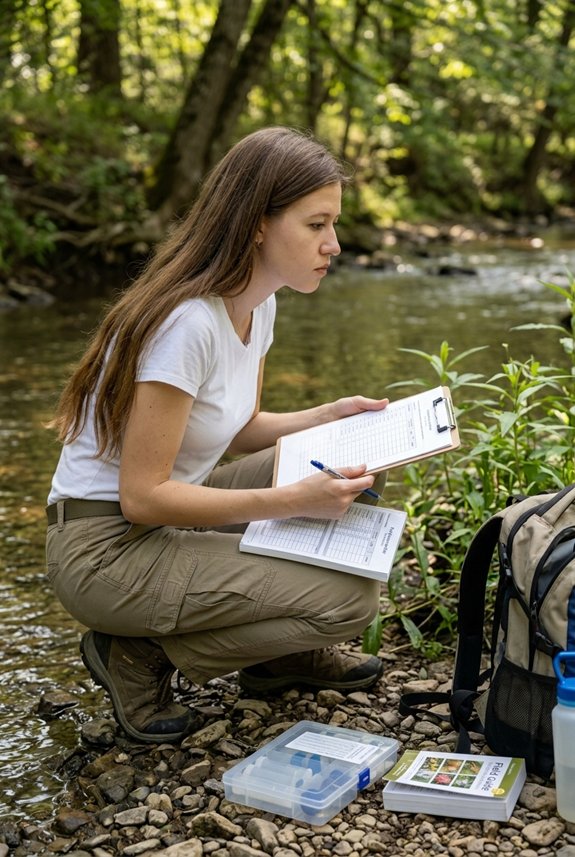
Having a biology or chemistry degree puts you in a genuinely strong position to start applying for entry-level environmental consulting roles, since many firms actively recruit graduates from both majors.
Your coursework in lab techniques (meaning hands-on skills like chemical analysis, sample handling, and data recording) translates directly into field and office work that junior consultants perform daily.
Most career pathways into consulting begin with roles like field technician or junior scientist, where you’ll rotate through tasks such as wetland delineation support, site sampling, and report writing.
You don’t need additional certifications to apply, though earning a HAZWOPER (40-hour hazardous materials safety training) certificate and basic GIS skills (tools used to map environmental data) will meaningfully strengthen your candidacy.
Starting salaries typically fall between $55K and $65K.
How Long Does It Take to Become an Environmental Consultant?
Knowing your degree can open the door is one thing. Understanding how long the full journey actually takes helps you plan with realistic expectations.
Your career timeline typically runs four to five years: a four-year bachelor’s degree, combined with internships or technician roles you build alongside your studies. Employers often expect roughly two years of field experience, so starting early matters deeply.
Your skill priorities during school should include HAZWOPER training (a 40 hour safety certification), basic GIS mapping software, and hands-on fieldwork. These credentials, earned before graduation, meaningfully improve your hiring odds.
If you pursue graduate school or federal positions, add two to six more years, a longer path, but one with greater technical depth and responsibility waiting at the end.
Who Thrives in Environmental Consulting and Who Doesn’t?
Not everyone who enters environmental consulting stays, and understanding why can help you decide if this path genuinely fits you before you invest years building toward it. If you enjoy variety, travel, and rotating projects, you’ll likely thrive here, especially in team dynamics where junior staff collaborate across fieldwork and reporting. Strong leadership traits (clear communication, client facing confidence, and adaptability) accelerate your growth into senior roles earning $100K+.
However, if you crave deep specialist work or predictable hours, burnout indicators appear early: routine tasks, moderate meaningfulness scores, and variable schedules wear on people who need stability. Recognizing this honestly isn’t failure. It simply opens better-aligned career pivots toward government or corporate EHS roles, where your environmental knowledge still matters but the structure suits you more.
Environmental Consultant FAQs
How much does an environmental consultant make?
Entry-level environmental consultants typically earn $55K to $65K, mid-career professionals $75K to $95K, and senior project managers $100K or more. Costly metros like New York or San Francisco can add 20 to 30% on top of national averages.
What degree do you need to become an environmental consultant?
A four-year B.S. in environmental science, biology, geology, or chemistry is the standard entry requirement. A master’s degree can speed up advancement into senior roles.
How long does it take to become an environmental consultant?
Most people enter with a four-year bachelor’s degree plus roughly two years of field experience. Senior or federal positions can add two to six more years.
Can you do environmental consulting remotely?
Partly. GIS mapping, report writing, and regulatory review can be done remotely, but fieldwork like soil sampling, wetland delineation, and site inspections still requires your physical presence.
Can you become an environmental consultant with a biology or chemistry degree?
Yes. Biology and chemistry degrees are strong starting points. Adding a HAZWOPER certificate and basic GIS skills meaningfully strengthens your candidacy

Erzsebet Frey (Eli Frey) is an ecologist and online entrepreneur with a Master of Science in Ecology from the University of Belgrade. Originally from Serbia, she has lived in Sri Lanka since 2017. Eli has worked internationally in countries like Oman, Brazil, Germany, and Sri Lanka. In 2018, she expanded into SEO and blogging, completing courses from UC Davis and Edinburgh. Eli has founded multiple websites focused on biology, ecology, environmental science, sustainable and simple living, and outdoor activities. She enjoys creating nature and simple living videos on YouTube and participates in speleology, diving, and hiking.
For your next application
Keep applying and hearing nothing back?
The Biology Job Application Kit shows you which stage of your applications is failing and how to fix it. 46 guides, 22 editable templates, an application tracker and an ATS CV Creator licence.
See the Job Application Kit