
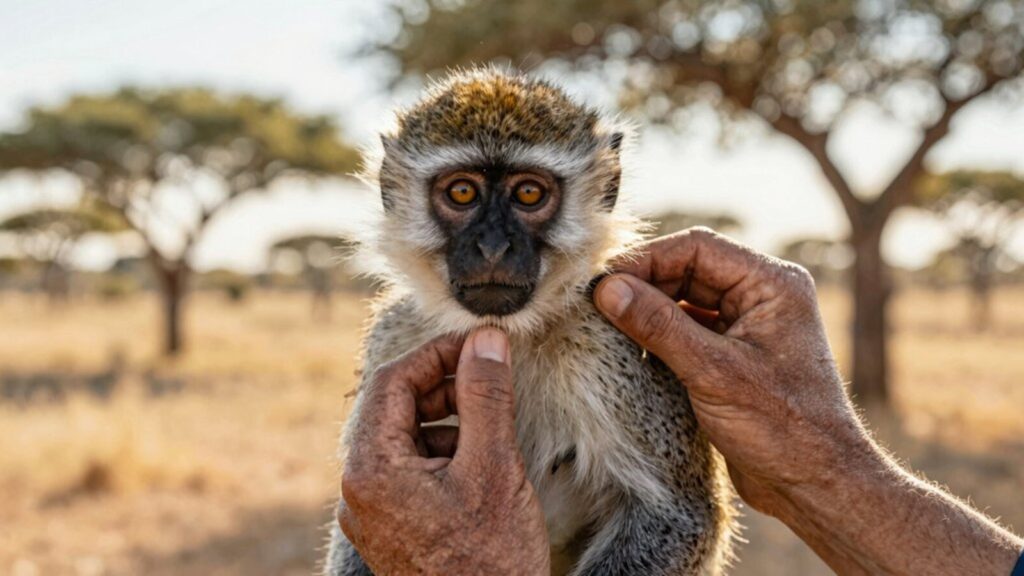
An internship with Vervet monkeys in South Africa invites volunteers aged 18 to 85 into a sanctuary caring for over 500 monkeys, where daily work includes preparing meals, bottle-feeding orphaned infants, cleaning enclosures, and assisting with medical care—all under close supervision and with on-site training that assumes no prior wildlife experience.
Participants stay in twin-share cabins, receive three vegan meals daily, and follow a schedule that begins on Day 3 with one guaranteed day off each week.
The sections ahead outline supervision structures, fee breakdowns, visa requirements, and booking timelines that shape the commitment.
What Daily Tasks Do Vervet Monkey Interns Handle?
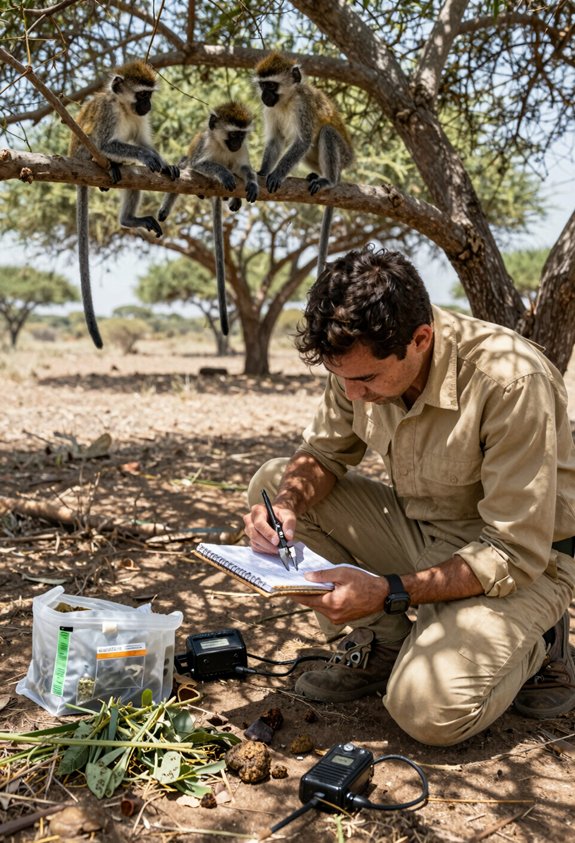
Working with vervet monkeys as an intern begins each morning with one of the most fundamental responsibilities: preparing meals for a community of over 500 animals who depend entirely on human care for their nutritional needs.
Interns portion fresh produce and supplements, ensuring each enclosure receives age-appropriate nutrition—and during peak baby season, they bottle-feed orphaned infants every few hours.
The physical work extends beyond feeding: daily enclosure maintenance includes pressure-washing surfaces, removing waste, and repairing fencing to keep habitats secure.
Interns also assist with medical care under supervision, administering medications and monitoring sick-bay patients, noting any changes in behavior or recovery progress.
Enrichment activities—foraging exercises and supervised social interactions—help monkeys develop natural behaviors necessary for potential release, while educational outreach with visitors supports the sanctuary’s broader conservation mission.
Is This Internship Right for Your Experience Level?
How much hands-on wildlife experience does someone actually need before arriving at the vervet monkey sanctuary—and will complete beginners feel overwhelmed by the daily responsibilities?
The program accepts volunteers with no prior vervet or wildlife background because thorough on-site training covers feeding protocols, enclosure maintenance, medication administration, and sick-bay assistance from the first day.
While the placement is physically demanding—tasks include repairing enclosures, cleaning spaces, and preparing food for over 500 monkeys—supervision remains close and instructional throughout.
The sanctuary welcomes participants aged 18 to 85, making it suitable for gap-year students and career-changers alike. Those seeking hands-on animal care rather than laboratory research will find the experience particularly rewarding, provided they arrange vaccinations, travel insurance, visas, and background checks well before departure.
Accommodation, Meals and What’s Included in Your Fee
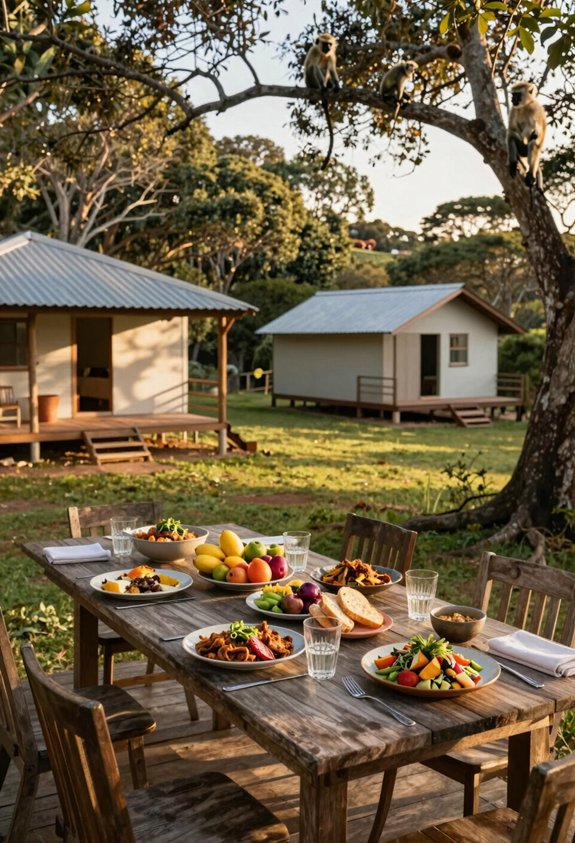
Once the practical demands of daily sanctuary work become clear, many prospective volunteers naturally wonder where they’ll sleep, what they’ll eat, and which expenses the program fee actually covers.
Accommodation typically consists of twin-share rooms in wooden cabins on-site, with access to a communal cottage—though participants can upgrade to a private room if they prefer.
Three fresh vegan meals are prepared daily by staff, ensuring volunteers stay nourished throughout their work.
The program fee bundles together several essential elements: the placement itself, lodging, meals, popular weekend tours, and ongoing supervision and support from experienced personnel.
A pre-arranged transfer from O.R. Tambo International Airport to Tzaneen is included, and placement details, accommodation, and at least two weekday meals are confirmed before departure, so logistics are organised well in advance.
Visas, Vaccinations and Pre-Departure Requirements
Before volunteers can step into the sanctuary and begin their hands-on work with vervet monkeys, they’ll need to attend to several administrative and health-related preparations that guarantee both their safety and their legal right to enter South Africa.
Participants must secure their own visa—if their nationality requires one—along with adequate travel insurance and international flights, though the Trip Coordinator can offer guidance on tailored options after registration.
A criminal background check is mandatory, ensuring volunteers can work closely with vulnerable primates.
Health preparations demand early attention: consultation with a travel clinic six to twelve months before departure allows time for destination-specific vaccinations and malaria prophylaxis if needed.
Booking well in advance—ideally six to twelve months—ensures placement confirmation, accommodation arrangements, and a pre-arranged airport transfer.
Your Weekly Routine and Time Off Schedule
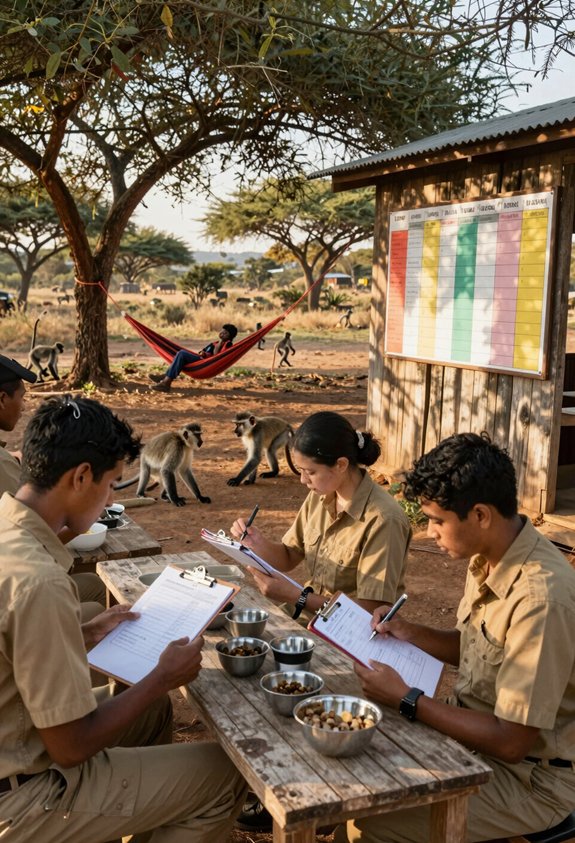
Most days at the vervet sanctuary unfold according to a rhythm that balances consistent responsibility with meaningful rest, allowing volunteers to immerse themselves fully in primate care while still preserving energy for the weeks ahead.
After arrival and a structured orientation on Day 2—when interns meet staff, absorb duties, and receive hands-on training—the work begins in earnest on Day 3 with feeding routines, enclosure cleaning, minor repairs, medication distribution, and sick-bay assistance under dedicated supervision.
These laborious tasks fill most weekdays, though one guaranteed day off each week provides essential recovery time. Evenings remain largely free for personal reflection or exploration of Tzaneen’s surrounding areas, while organized weekend excursions—waterfalls, river trips, brewery visits, seasonal festivals—offer companionship and cultural immersion, all coordinated by the attentive local team supporting every placement.
You’ll get $100 off automatically, and by adding the additional code ELI100 at checkout, you can save an extra $100, for a total of $200 off your Global Work & Travel wildlife internship adventure.
Ready to volunteer or intern abroad? Enter code ELI100 at checkout and get $100 OFF any internship or volunteer project worldwide.
Explore ProjectsWho Supervises You and What Training You’ll Receive?
From the moment interns step onto the sanctuary grounds, a carefully structured support system guarantees they’re never left to navigate unfamiliar territory alone—experienced sanctuary carers and dedicated project staff guide every stage of the learning curve, beginning with a thorough Day 2 orientation that covers responsibilities, safety protocols, and the daily rhythms that define life among the vervets.
Each intern receives a dedicated Trip Coordinator who handles pre-departure logistics, while on-site training addresses practical skills: baby bottle-feeding, food preparation, medication administration, enclosure cleaning and repairs, and safe animal handling procedures.
Hands-on supervision accompanies daily duties—feeding routines, enclosure maintenance, sick-bay assistance—until competence develops naturally.
A 24/5 emergency support network stands ready Monday through Friday, with local emergency staff on standby for urgent issues, ensuring interns always have experienced guidance within reach.
What You’ll Pay Beyond the Program Fee
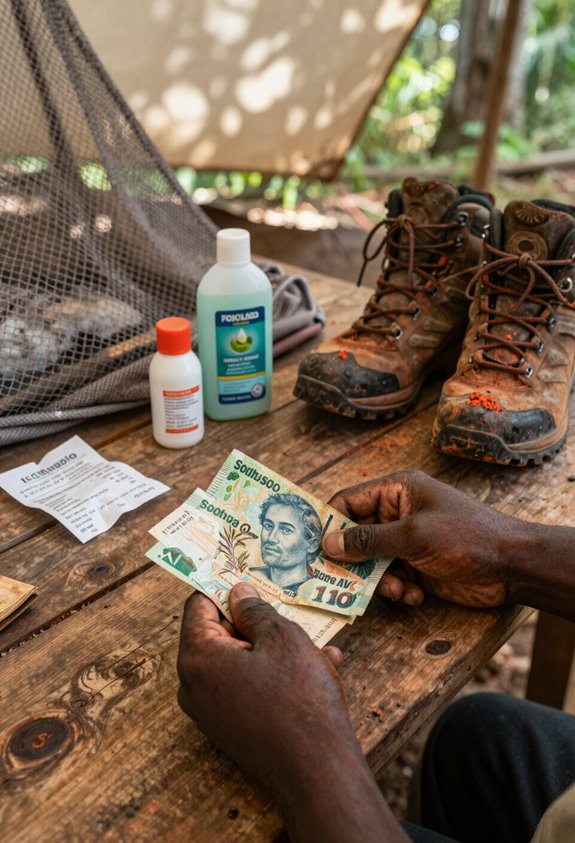
While the program fee covers sanctuary operations, accommodation, meals, and structured training, interns should anticipate several additional expenses that fall outside this core package—costs that, though separate from the enrollment amount, remain essential to planning a realistic budget for the weeks ahead.
International airfare to South Africa requires independent arrangement, as does travel insurance, any necessary visas or vaccinations, and the criminal background check needed for placement approval.
Upgrades such as private rooms instead of twin-share cabins, plus optional excursions beyond the included weekend tours, carry supplementary charges.
Daily personal spending—souvenirs, snacks, transport on free evenings—adds up over stays ranging from two to twelve weeks or longer.
Cancellation or flexible booking options may trigger administrative fees under the organiser’s transfer and refund policies, so reviewing those terms beforehand helps avoid surprises.
How the Booking Process Works and Cancellation Policies
Because securing a place at the vervet monkey sanctuary involves both commitment and flexibility, the organiser has built its booking system around a deposit model that prioritises early planning without forcing immediate decisions—a framework designed to accommodate the reality that international placements often require months of logistical coordination before departure.
Participants lock in their spot with a low initial payment and benefit from the “Book Now, Decide Later” option, which grants up to one year to finalise travel dates.
A dedicated coordinator arranges placement details, accommodation, and airport transfers well before arrival.
If circumstances shift, participants can pause their booking, switch to another trip, or transfer their spot to someone else. Cancellations with 84 days’ notice retain half the fee as store credit, valid for two years.
How Far in Advance Should You Reserve Your Spot?
How early should prospective volunteers begin the reservation process for a vervet monkey internship? Most travelers book six to twelve months ahead, a window that helps secure preferred dates and placements during high-demand periods.
Since spaces remain limited and popular seasons—especially baby season and peak volunteer windows—fill quickly, earlier reservations increase the likelihood of participation during these rewarding times.
For those uncertain about exact dates, the program offers a “Book Now, Decide Later” option: a small deposit holds a spot up to one year in advance, providing time to finalize travel plans.
Early booking also allows adequate preparation for flights, visa applications, vaccinations, and any required criminal background checks, which sanctuaries commonly request before confirming placement.
Ready to volunteer or intern abroad? Enter code ELI100 at checkout and get $100 OFF any internship or volunteer project worldwide.
Explore ProjectsIf you’re exploring hands-on experience in ecology or wildlife biology, don’t miss my complete guide to wildlife conservation internships with global work and travel, where I break down what’s worth your time, money, and long-term career goals.

Erzsebet Frey (Eli Frey) is an ecologist and online entrepreneur with a Master of Science in Ecology from the University of Belgrade. Originally from Serbia, she has lived in Sri Lanka since 2017. Eli has worked internationally in countries like Oman, Brazil, Germany, and Sri Lanka. In 2018, she expanded into SEO and blogging, completing courses from UC Davis and Edinburgh. Eli has founded multiple websites focused on biology, ecology, environmental science, sustainable and simple living, and outdoor activities. She enjoys creating nature and simple living videos on YouTube and participates in speleology, diving, and hiking.
For your next application
Keep applying and hearing nothing back?
The Biology Job Application Kit shows you which stage of your applications is failing and how to fix it. 46 guides, 22 editable templates, an application tracker and an ATS CV Creator licence.
See the Job Application Kit