MAMMALS

Mammals, a diverse group of warm-blooded animals, belong to the vertebrate class and are characterized by the presence of hair, three middle ear bones, and the production of milk for their young. They encompass a wide range of species, from placental mammals, such as humans and other primates, to marsupials, like kangaroos and opossums, and monotremes, including the egg-laying platypus.

Within this category, carnivores, like lions and tigers, feed on meat, while omnivores, such as bears and pigs, consume both plants and animals. Herbivores, including cows and deer, primarily feed on plants. Many mammals are terrestrial animals, inhabiting a variety of ecosystems, from forests to grasslands, while others, like whales and dolphins, are marine mammals, thriving in the world’s oceans.

The mammalian class is incredibly diverse, with over 5,000 species, ranging from the tiny bumblebee bat to the massive blue whale. Primates, rodents, and other mammalian groups exhibit unique characteristics, adaptations, and behaviors, underscoring the complexity and richness of animal classification in zoology.

As an integral part of wildlife and fauna, mammals play vital roles in maintaining ecosystem balance and biodiversity. By exploring and learning about these fascinating creatures, we can better appreciate the intricate relationships within ecosystems and work towards preserving the natural world.

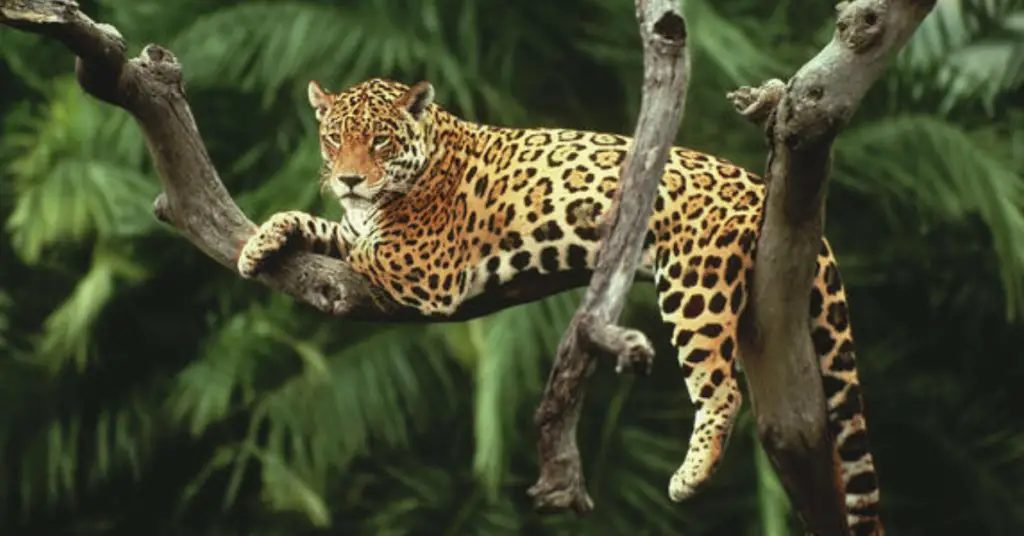
How fast can a jaguar run

How fast can a jaguar run?

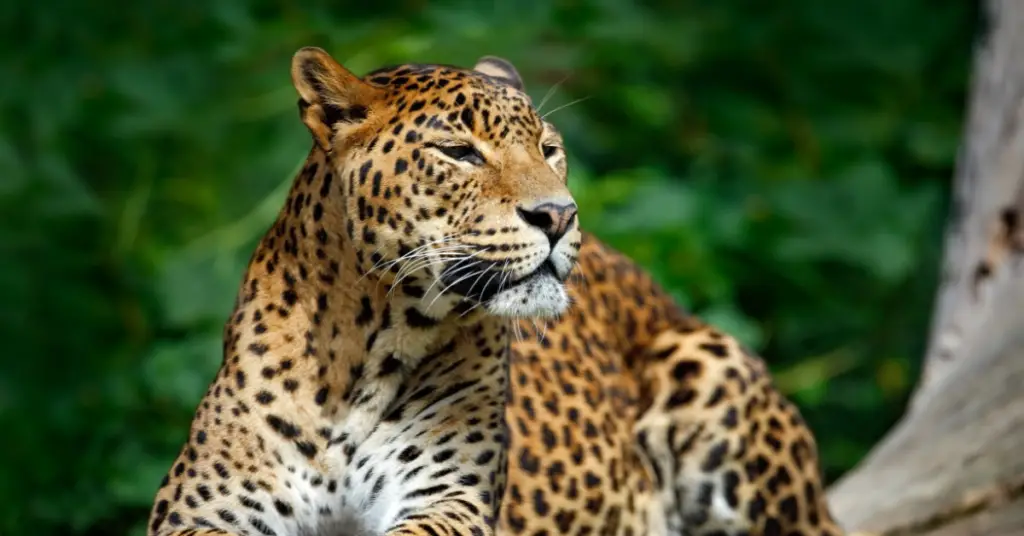
Jaguars are powerful and fascinating big cats found primarily in Central and South America. They are the largest felines in the Americas and have several physical capabilities that make them excellent hunters and formidable predators. Part of my complete guide to jaguars, which covers bite force, the skull bite, black jaguars, diet, range and conservation, […]

How fast can a jaguar run? Read More »

Life cycle of Koala

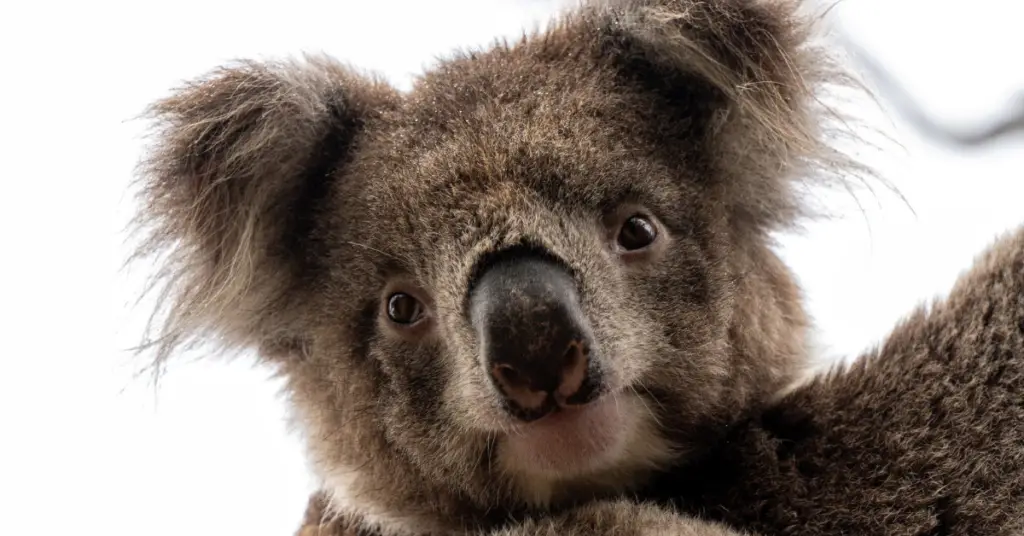
Life cycle of Koala

Female koalas can give birth to one joey per year, but usually only breed every two years. The mating season for koalas varies depending on the location, but it typically occurs in the late spring to early summer. Conservation update Australia listed east coast koalas as Endangered after steep population declines from land clearing, disease

Life cycle of Koala Read More »

Leader of the pack wolves

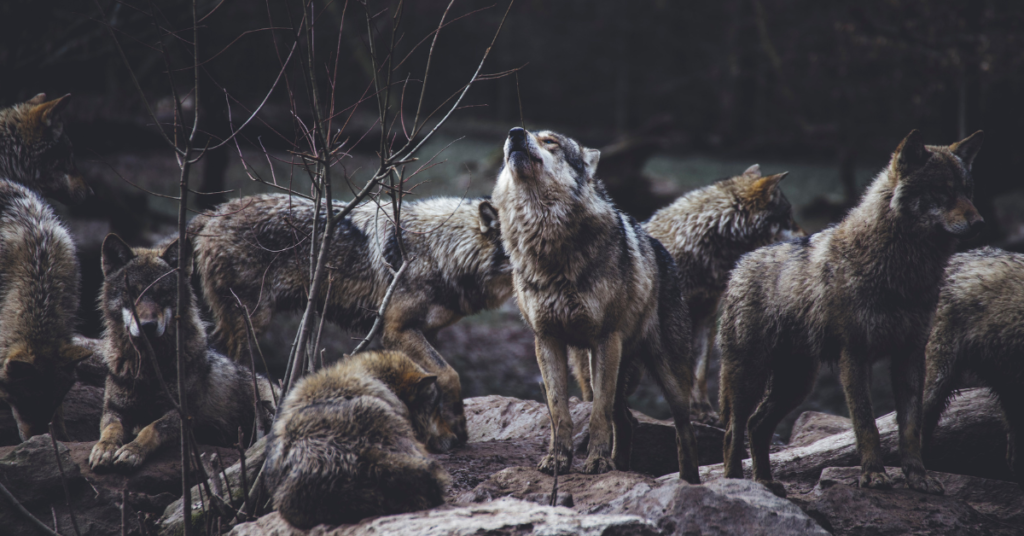
Leader of the pack wolves

Wolves are highly social animals that live in groups called packs. The social structure of a wolf pack is based on a hierarchical system, with each wolf having a specific rank and role within the group. Part of my complete guide to wolves, which covers wolf species, pack structure, communication and current populations, with sources.

Leader of the pack wolves Read More »

grey wolf

Is grey wolf DANGEROUS?

Grey wolves can be dangerous to humans, especially when they feel threatened or cornered. However, it should be noted that wolves generally avoid human interactions and attacks on humans are relatively rare. In general, wolves are more afraid of humans than vice versa. Part of my complete guide to wolves, which covers wolf species, pack

Is grey wolf DANGEROUS? Read More »

Can red wolves swim

Can red wolves swim?

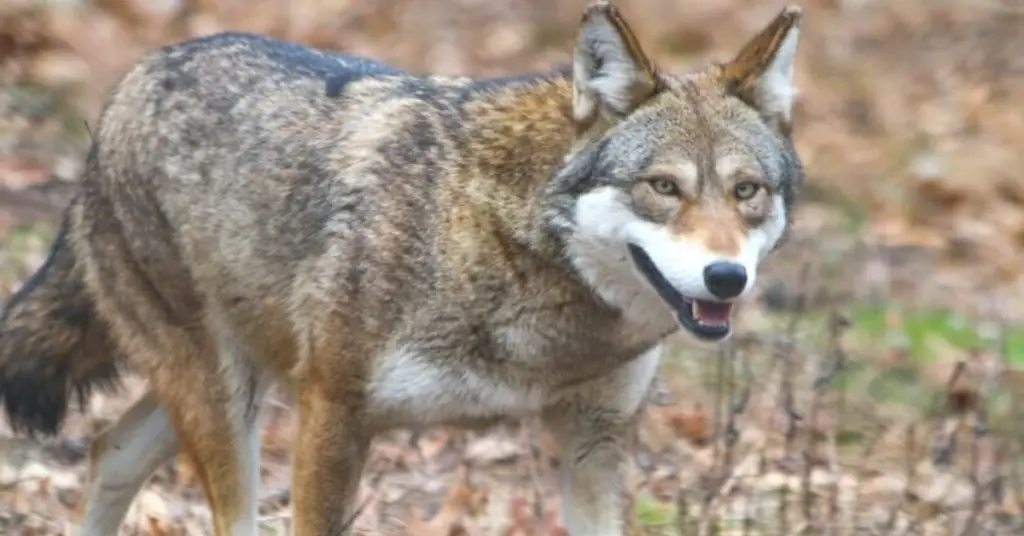
Red wolves are fascinating creatures that have attracted the attention of wildlife enthusiasts and conservationists alike. Native to the southeastern United States, these elusive animals have a reputation for being agile hunters and powerful predators. When it comes to red wolves, the question often arises as to whether or not they can swim. Part of

Can red wolves swim? Read More »

Shopping Cart